 how-to
Avoiding Bail Bond Booking Errors: A Step-by-Step Guide
Table of Contents
- Why Bail Bond Booking Errors Matter
- Step 1: Verify Your Bail Bondsman's Credentials Before Proceeding
- Step 2: Gather Accurate Defendant Information
- Step 3: Understand Bail Bond Application Requirements
- Step 4: Know Bail Bond Fee Regulations in Texas
- Step 5: Avoid Common Booking Mistakes
- Step 6: Protect Yourself from Fraudulent Services
- Step 7: Understand Post-Release Compliance Requirements
- Frequently Asked Questions
Last Updated: September 2, 2026
Why Bail Bond Booking Errors Matter
Getting arrested is disorienting. Clerical mistakes, wrong names, mismatched case numbers, incorrect jail locations, delay release by hours or days. A single data entry error can trigger administrative holds, missed court dates, and extended detainment.
At National Bail Bond of Lubbock, we've seen how quickly small errors compound. A misspelled legal name causes the bail bond to be rejected by the court. A wrong booking number means the surety bond never reaches the right facility. What should take hours suddenly takes days. This guide walks you through exactly how to avoid those mistakes when working with a bail bond agency.
Step 1: Verify Your Bail Bondsman's Credentials Before Proceeding
Before you hand over any information or money, confirm you're working with a legitimate bail bond agency. Fraudsters prey on families in crisis. Verification takes ten minutes. Recovering from a scam takes weeks.
Check licensing with the state regulator
Every licensed bail bondsman operates under state oversight. In Texas, the Department of Insurance regulates bail bond agencies and individual agents (texas.gov). You can verify licensing status directly through the state's online database by searching agent or agency name. A legitimate bondsman will have an active license number, an expiration date that hasn't passed, and a clean regulatory record.
If the person you're speaking with cannot provide a license number, hang up. Call the agency's published phone number and ask to speak with the licensed agent directly. Scammers often provide personal cell numbers to avoid traceability. An established bail bond agency has a physical office with a main line.

Confirm physical office location and phone verification
Legitimate bail bond agencies have physical offices, not a mailbox or virtual address. This creates accountability. A scammer operating from a phone line can disappear instantly. An agency with an office and staff has reputation to lose.
When you call, ask for the office address and confirm it's a real location. Search the address on Google Maps and look for reviews. Ask how long the agency has been operating. National Bail Bond of Lubbock has over 50 years of experience in the criminal justice system. That history means something and can be verified through court records and client history.
Step 2: Gather Accurate Defendant Information
Now that you've verified the agency is legitimate, compile the right information. Answer the bail bondsman's questions with documents in front of you, not from memory.
Legal name, date of birth, and case number
The defendant's legal name must match exactly what appears in arrest records. Not a nickname or shortened version. If the defendant goes by "Mike" but their legal name is "Michael," provide "Michael." Include suffixes like "Jr." or "III" exactly as they appear.
Date of birth must be accurate to the day. A wrong date causes the bail bond to be rejected. The case number is the unique identifier that ties the bail bond to the correct court case. Without it, paperwork gets lost. If you don't have the case number, the bail bondsman can often look it up using the defendant's name and arrest date, but having it ready saves time.
Detainment facility location and booking number
The jail location must be exact. "Lubbock County Jail" is not specific enough if there are multiple facilities. You need the exact name of the specific facility. A wrong facility means your paperwork goes to the wrong place.
The booking number ties the defendant to their specific arrest record within that facility. Call the jail directly and confirm both the facility name and booking number before contacting a bail bondsman. Write down the information exactly as provided. This five-minute phone call prevents hours of delays later.
Step 3: Understand Bail Bond Application Requirements
When you contact a bail bond agency, they'll ask for specific documents and information.
Required documents and co-signer information
The bail bondsman will need identification from whoever is arranging the bail bond. Bring a valid ID, driver's license, passport, or state ID, along with your contact information: phone number and address.
If the defendant doesn't have the full bail amount available, a co-signer is required. The co-signer takes legal responsibility for ensuring the defendant appears in court and agrees to forfeit the full bail amount if the defendant fails to appear (peer-reviewed research). The co-signer must provide identification and contact information. The bail bondsman will verify the co-signer has the financial ability to cover the bail if needed.
Have all co-signer information ready before you call: full legal name, date of birth, phone number, address, and employment information.
Collateral and indemnity agreement terms
A surety bond is a contract. The bail bondsman guarantees the defendant's appearance in court in exchange for collateral, cash, property, vehicles, jewelry, or other assets. The bail bondsman will explain what collateral they accept and what value they assign to it.
The indemnity agreement is the legal contract you're signing. Read it carefully. It outlines the terms of the bail bond, fees, collateral requirements, and what happens if the defendant fails to appear. Don't sign anything you don't understand. Pay special attention to the forfeiture clause, which explains what happens to your collateral if the defendant doesn't show up for court.
Step 4: Know Bail Bond Fee Regulations in Texas
Bail bond fees in Texas are regulated by the state. In Texas, the maximum fee a bail bondsman can charge is 10% of the bail amount for felony cases and 15% for misdemeanor cases (texas.gov). These are maximums, not minimums.
If the bail amount is $8,000, the maximum fee would be $800 for a felony or $1,200 for a misdemeanor. This fee goes to the bondsman; the bail amount goes to the court. Ask the bail bondsman for their fee in writing before you sign anything. If they quote you more than 10% for a felony or 15% for a misdemeanor, they're breaking the law. Some bondsmen offer payment plans or discounts for cash payment, which is legitimate if clearly explained in writing.
Step 5: Avoid Common Booking Mistakes
These preventable errors delay release and create unnecessary complications.
Incorrect legal names and misspelled information
The defendant's legal name must match the arrest record exactly. If the name is misspelled in the booking system, provide it to the bail bondsman exactly as it appears in the arrest record. If you provide the "correct" spelling but the arrest record has a different spelling, the paperwork won't match and the court will reject it.
Before you call the bail bondsman, verify the defendant's legal name directly from the jail. Write it down exactly as they provide it. Middle names and initials matter. If the arrest record says "Michael J. Smith" and you tell the bondsman "Michael James Smith," that's a mismatch.
Wrong jail location or case number
This happens constantly. Before you contact a bail bondsman, call the jail and confirm the exact facility name. Write it down and use that exact name when speaking with the bondsman.
Case numbers are equally critical. A transposed digit, missing digit, or wrong digit means the bail bond doesn't connect to the right case. Verify the case number directly with the jail. Have them spell it out. Read it back to confirm. When you give it to the bail bondsman, read it slowly and have them confirm they've entered it correctly.
Incomplete contact information for co-signers
The bail bondsman needs to reach the co-signer if there's a problem. Provide the co-signer's full phone number including area code, a current address, and an email address if available. If the co-signer has moved recently, ensure the address on file is current. Spend two minutes verifying this information is complete and current before you provide it.
Step 6: Protect Yourself from Fraudulent Services
Scammers specifically target people in your situation, knowing you're stressed and willing to pay to solve the problem quickly.
Red flags: gift card requests, cryptocurrency, and untraceable payments
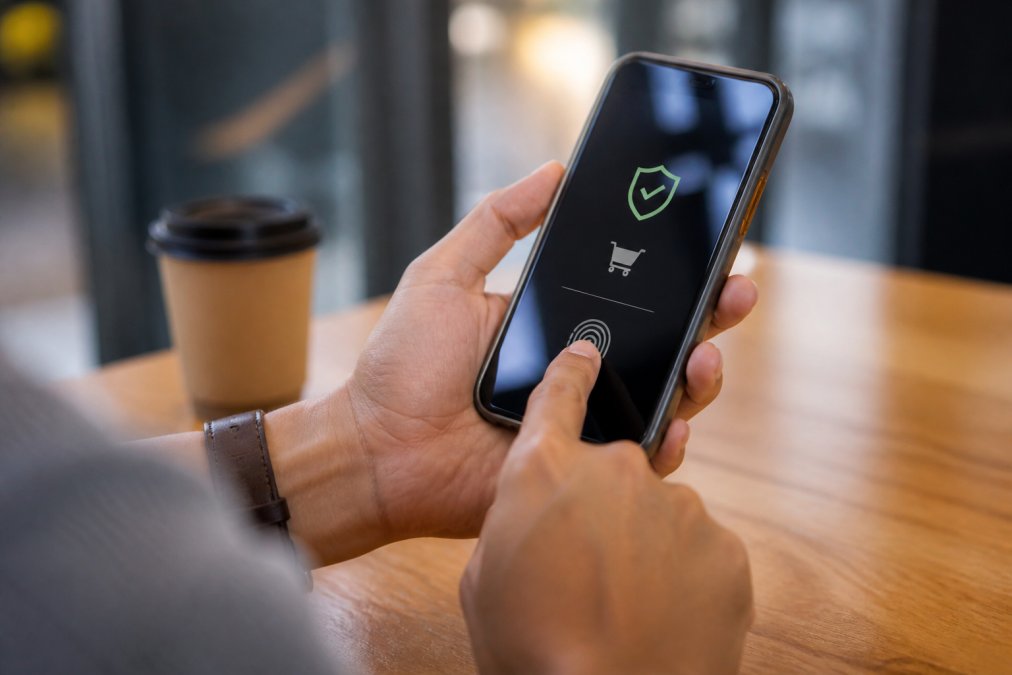
If anyone asks you to pay via gift card, cryptocurrency, wire transfer, or any untraceable method, stop immediately. That's not a bail bondsman. Legitimate bail bond agencies accept credit cards, debit cards, bank transfers, and cash. These are traceable and create documentation.
Gift cards, Bitcoin, wire transfers to personal accounts, and cash sent through the mail are untraceable. Once sent, the money is gone. If someone claims to be from a bail bond agency and requests untraceable payment, hang up and call the agency directly using the phone number from their official website.
Verify payment through secure channels only
Before you pay anyone, verify they're legitimate. Call the agency's official phone number and ask to speak with a licensed agent. Confirm that person's name and license number. Ask about payment methods.
Legitimate agencies have secure payment processing, provide a receipt, and document the transaction in writing. When you make payment, use a method that creates a record: credit card, debit card, or bank transfer. Never pay cash to someone who shows up at your home or wire money to a personal account.
If paying online, make sure the website is secure. Look for "https" at the beginning of the URL and a lock icon in the address bar, which indicate encryption.
Step 7: Understand Post-Release Compliance Requirements
Once the bail bond is posted and the defendant is released, specific obligations must be met. The defendant must appear at all scheduled court dates. Missing even one court appearance results in immediate re-arrest and forfeiture of the bail.
The defendant may be required to check in with a bail officer or probation officer on a regular schedule. They may be restricted from leaving the jurisdiction without permission. They may be required to maintain employment, attend school, or complete treatment programs. The co-signer shares responsibility for ensuring the defendant complies with these conditions.
Communicate clearly with the bail bondsman about the defendant's specific requirements. Ask for written documentation of the conditions. Review them with the defendant. If the defendant struggles to meet the conditions, contact the bail bondsman or the court immediately. Some violations can be addressed before they become serious.
Getting someone released from custody is stressful enough without administrative errors derailing the process. Verify the bail bondsman's credentials. Gather accurate information. Understand the fees and requirements. Protect yourself from scams. Help the defendant understand their post-release obligations.
National Bail Bond of Lubbock has 50 years of experience helping families navigate this process. We're available 24/7 to answer your questions, verify your information, and guide you through each step. Contact us to get started with professional bail bond assistance you can trust.
Frequently Asked Questions
What information do I need to provide to avoid bail bond booking errors?
Accurate defendant information is critical. You'll need the legal name (spelled exactly as it appears in court documents), date of birth, case number, and the specific detainment facility where the defendant is being held. Double-check the jail location, booking at the wrong facility causes significant delays. Have the booking number ready if available. Incomplete or incorrect information can result in delays and complications. Verify every detail before submitting.
How do I verify a licensed bail bondsman is legitimate and not a scam?
Always verify how to verify a licensed bail bondsman through official state records. Check their license status with the Texas Department of Insurance, which regulates bail bond agencies. Confirm they have a physical office location you can visit, legitimate bondsmen maintain local offices. Never work with services that request payment via gift cards, cryptocurrency, or wire transfers to untraceable accounts. Legitimate bail bond agencies accept standard payment methods and provide clear written documentation. Call the detainment facility directly to confirm the bondsman's contact information if you're uncertain.
What are bail bond fee regulations in Texas, and how much will I actually pay?
Texas bail bond fee regulations are set by state law and vary based on the bail amount and circumstances. The premium you pay to a bail bondsman is typically a percentage of the total bail amount set by the court. Contact a licensed bondsman directly for specific pricing based on your case, as fees depend on individual factors including bail amount, defendant history, and collateral available. Never accept vague pricing, legitimate agencies provide a clear breakdown of all fees and contractual terms before you sign any indemnity agreement.
What happens if I provide incorrect information on a bail bond application?
Incorrect information on your bail bond application can cause serious delays in release and may result in complications. Booking errors such as misspelled names, wrong case numbers, or incorrect jail locations require corrections that extend the release process by hours or days. In some cases, the surety bond may be rejected entirely, forcing you to start over. Always verify every detail, legal name spelling, date of birth, case number, and facility location, before submitting. When in doubt, contact the detainment facility directly to confirm information.
This article was written using GrandRanker