 ultimate-guide
Bail Bond Fee Breakdown Explained
Table of Contents
- What Is a Bail Bond Premium?
- How Bail Bond Fees Are Calculated
- How Much Do Bail Bonds Cost
- Payment Plans for Bail Bonds
- Collateral Requirements for Bail Bonds
- Is the Bail Bond Fee Refundable?
- Factors That Influence Your Total Cost
- Avoiding Bail Bond Scams
- Frequently Asked Questions
Last Updated: September 1, 2026
What Is a Bail Bond Premium?
A bail bond premium is the fee you pay to a bail bondsman to secure your release from custody before trial. When a court sets bail, you can either pay the full amount directly to the court in cash, or work with a bondsman who posts bail on your behalf in exchange for a non-refundable fee. (Source: Bureau of Justice Statistics reports)
The premium represents the bondsman's service charge for taking on the financial risk of your case. If a judge orders $8,000 bail and you use a bondsman, you'll pay a portion of that to the bondsman as a premium, and the bondsman guarantees the court that the full amount will be paid if you fail to appear. This is significantly less than the full bail amount, making it an accessible option for people who don't have thousands of dollars available immediately.
National Bail Bond of Lubbock has over 50 years of experience with the criminal justice system, helping defendants navigate this process, explaining exactly what they'll owe and ensuring no surprises during an already stressful time.
How Bail Bond Fees Are Calculated
Bail bond fees are calculated as a percentage of the total bail amount set by the court. This percentage varies by state and sometimes by county, but the basic formula remains consistent: bondsman fee equals a percentage multiplied by the total bail amount.
If your bail is set at $5,000 and the fee is 10 percent, you would owe $500 to the bondsman. Many states establish statutory limits on what bondsmen can charge to protect defendants from predatory pricing (ncsl.org). Some jurisdictions allow bondsmen flexibility within a range, while others set a fixed percentage that applies uniformly.
Administrative costs sometimes add to the base premium percentage, covering paperwork processing, background checks, court filing fees, and overhead. Always ask for an itemized breakdown so you understand exactly what you're paying for. The surety bond itself, the guarantee the bondsman posts with the court, creates the bondsman's liability. If you fail to appear in court, the court can forfeit the entire bail amount to the bondsman, which is why bondsmen charge a premium and conduct risk assessments before agreeing to post bail.
How Much Do Bail Bonds Cost
Your total financial obligation includes the premium percentage, any applicable administrative fees, and potentially collateral requirements if the bondsman deems your case high-risk.
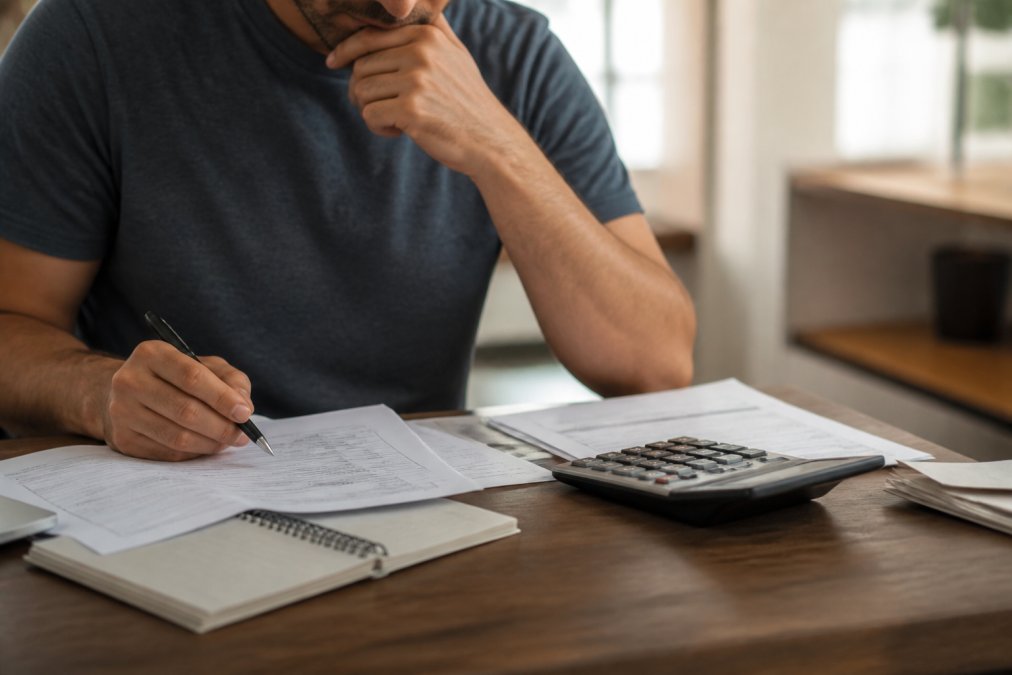
For a concrete example, if your bail is set at $10,000 and the bondsman charges a 10 percent premium, you would owe $1,000 upfront. With additional administrative fees of $50 to $150, your total out-of-pocket cost might range from $1,050 to $1,150, significantly less than the $10,000 you'd need to pay directly to the court.
These figures vary dramatically by jurisdiction. Some counties allow higher premiums, while others cap fees at 8 percent or lower. Misdemeanor cases typically result in lower bail amounts and therefore lower total fees. A $2,000 bail with a 10 percent premium costs $200. Felony offenses often carry higher bail amounts, so your premium could be $500, $1,000, or more depending on the severity of the charge and your criminal history.
National Bail Bond of Lubbock works with defendants to explain their specific costs upfront, breaking down what you owe and why so you can make an informed decision about your options.
Payment Plans for Bail Bonds
Most bail bondsmen offer payment plans because people arrested don't always have thousands of dollars available immediately. A payment plan allows you to spread the premium cost across multiple payments rather than paying the full amount upfront. You must maintain your court appearances, as missing a court date can trigger forfeiture of the full bail amount.
Common payment plan structures include:
- Upfront deposit with installments: Pay 30-50 percent of the premium immediately, then divide the remainder into equal monthly payments
- Equal installments: Divide the total premium into 3-6 equal payments spread across the duration of your case
- Flexible scheduling: Work with the bondsman to arrange payments around your income schedule
Credit score and employment history often influence whether a bondsman approves a payment plan. Stable employment and good credit make approval more likely. Some bondsmen accept payment through multiple methods: cash, check, credit card, electronic transfer, or automatic bank drafts. Automatic payments reduce the risk of missed deadlines and can make bondsmen more willing to offer favorable terms.
The indemnitor, the person legally responsible for ensuring you appear in court, might be required to guarantee the payment plan. This is often a family member or close friend who co-signs the bail bond agreement.
Collateral Requirements for Bail Bonds
Collateral is property or assets you pledge to the bondsman as security for the bail bond. If you fail to appear in court, the bondsman can seize or sell the collateral to recover losses. Not every bail bond requires collateral, but higher-risk cases often do.
Common forms of collateral include:
- Real estate: A house, land, or other property with documented ownership
- Vehicles: Cars, trucks, motorcycles, or other titled vehicles
- Jewelry and valuables: Gold, watches, or other high-value personal items
- Cash deposits: Money held in escrow by the bondsman
- Bank accounts: Direct access to savings or checking accounts
The bondsman assesses your case risk before determining collateral needs, considering your criminal history, ties to the community, employment status, and the severity of charges. The value of required collateral typically exceeds the bail amount as a cushion against market fluctuations.
Collateral remains with the bondsman until the case concludes and the bail bond is exonerated. Bond exoneration occurs when you've fulfilled all court obligations. Once exonerated, your collateral is returned in full, assuming no breach of the bail bond agreement.
Is the Bail Bond Fee Refundable?
The bail bond premium is non-refundable. Once you pay the bondsman's fee, that money is earned income for the bondsman regardless of how your case concludes.
This differs significantly from cash bail posted directly to the court. If you post $10,000 cash bail and appear for all court dates, the court returns your $10,000 at the end of the case (uscourts.gov). The bondsman's premium, by contrast, is a service fee the bondsman keeps whether your case is dismissed, you're convicted, you're acquitted, or any other outcome occurs.
The non-refundable nature of the premium is what allows bondsmen to offer lower upfront costs than cash bail. You're paying for a service and for the bondsman's assumption of financial risk. Understanding that the premium is non-refundable helps you make a clear financial decision: comparing the cost of the non-refundable premium against the cost of posting cash bail that you'll eventually recover.
Factors That Influence Your Total Cost
Several variables beyond the basic percentage calculation affect your actual bail bond fee breakdown.
Criminal history is one of the first factors bondsmen evaluate. A clean record typically results in lower premiums or better payment plan terms. Prior arrests, convictions, or failures to appear increase perceived risk.
Severity of charges matters significantly. Misdemeanor offenses carry lower bail amounts and therefore lower premiums. Felony charges, particularly violent crimes or drug trafficking, result in higher bail amounts and higher total costs.
Ties to the community reduce perceived risk. Employment history, family relationships in the area, home ownership, and length of residence all signal stability.
Credit score and financial stability can influence whether a bondsman approves a payment plan or requires upfront payment. Strong credit and documented income make you a lower-risk borrower.
Bail amount itself is a factor. While premiums are calculated as a percentage, the actual dollar amount you owe scales with the bail. A $50,000 bail at 10 percent costs $5,000.
State and county regulations establish the framework within which bondsmen operate. Some jurisdictions allow more flexibility in premium pricing, while others enforce strict statutory limits.
Collateral availability can actually reduce your premium in some cases. If you offer valuable collateral upfront, the bondsman's risk decreases, and they might offer a lower rate or better payment terms.
National Bail Bond of Lubbock evaluates each case individually, considering these factors to provide transparent pricing that reflects your actual risk profile and circumstances.
Avoiding Bail Bond Scams
The bail bond industry attracts scams because people in custody are desperate, stressed, and often unfamiliar with the legal process. Scammers exploit this vulnerability with fake bondsmen, inflated fees, and fraudulent payment schemes.

Red flags indicating a scam include:
Requests for payment via gift cards, wire transfer, cryptocurrency, or other untraceable methods. Legitimate bondsmen accept standard payment methods and provide documentation. Unwillingness to provide a physical office location or identification is another warning sign. Real bondsmen maintain licensed offices you can visit and carry professional credentials verifiable through state records.
Promises to reduce bail amounts or guarantees of case dismissal are scams. Bondsmen cannot negotiate with courts or influence judicial decisions. Refusal to provide a written contract or itemized fee breakdown is also suspicious. Legitimate bail bond agreements are detailed contracts spelling out all fees, collateral requirements, conditions, and your obligations.
Pressure to post bail immediately without time to verify credentials indicates a scam. Legitimate bondsmen understand you need time to verify they're real.
How to verify a legitimate bondsman:
Contact your local court or sheriff's office and ask for a list of licensed bail bondsmen. Check state licensing records online, most states maintain searchable databases of licensed bail bondsmen. Ask for references from previous clients. Verify physical location independently by looking up the office address online and visiting in person if possible. Check for complaints with the Better Business Bureau or state attorney general's office.
National Bail Bond of Lubbock maintains a physical office in Lubbock where you can meet face-to-face with our team. We're licensed by the state, available 24/7 for legitimate bail assistance, and committed to transparent communication about fees and process. We've built our reputation over 50 years by protecting defendants from scams and providing honest guidance through the bail process.
Navigating the bail bond process during an arrest is overwhelming. National Bail Bond of Lubbock has guided thousands of defendants and their families through this process with transparent pricing, honest explanations, and 24/7 availability. Our team breaks down your bail bond fee breakdown with no hidden costs, explains your payment options clearly, and helps you avoid scams that prey on people in custody. When you need reliable bail assistance in Lubbock or Hockley County, contact us for immediate support and professional guidance you can trust.
Frequently Asked Questions
How much is bail on a $10,000 bond?
The bail bond premium, the fee you pay to the bondsman, is typically a percentage of the total bond amount set by the court. For a $10,000 bond, you would pay the bondsman a non-refundable fee based on that percentage. The exact amount depends on your jurisdiction, criminal history, and risk assessment. Contact National Bail Bond of Lubbock for a specific quote based on your situation.
Are bail bond fees refundable after the case is closed?
No. Bail bond premiums are non-refundable fees paid to the bondsman for their service and liability in securing your pre-trial release. Even if charges are dropped or you are acquitted, the premium you paid to the bail bond company is not returned. This fee covers the bondsman's administrative costs, risk assessment, and legal liability for the bond.
What are the main factors that affect how much a bail bond costs?
Several factors influence your bail bond premium: the face value of the bond set by the court, your criminal history, employment status, ties to the community, risk of failure to appear, the severity of charges (felony versus misdemeanor), and your credit-worthiness. Bondsmen conduct a risk assessment to determine the appropriate premium percentage. Some jurisdictions have state-mandated statutory limits on premiums, while others allow negotiation based on individual circumstances.
Can I get a payment plan if I can't afford the full bail bond fee upfront?
Many bail bond companies, including National Bail Bond of Lubbock, offer payment plans to make the premium more manageable. Payment arrangements depend on the bond amount, your financial situation, and the company's policies. Contact us directly to discuss flexible payment options that work for your circumstances. We're available 24/7 to answer questions about financing your bail bond.
What happens if I use collateral to secure a bail bond?
Collateral, such as property, vehicles, or other assets, may be required or requested by the bondsman to reduce their financial risk. If the defendant fails to appear in court, the bondsman may have legal claim to the collateral to cover their loss. Once the case concludes and the bond is exonerated, any collateral pledged is typically released back to you. Understand all collateral terms before signing the bail bond agreement.
What's the difference between paying cash bail and using a bail bondsman?
With cash bail, you pay the full bond amount directly to the court, for example, $8,000 in cash for an $8,000 bond. This amount is returned after the case ends if you meet all court requirements. With a bail bond, you pay a non-refundable premium (typically 10-15% of the bond) to a bondsman, who posts the full bond amount as a surety. The premium is not refunded, but you avoid paying the entire face value upfront.
This article was written using GrandRanker