 ultimate-guide
Bail Bond Process for Beginners: A Step-by-Step Guide
Table of Contents
- What Happens During Arrest and Booking
- Understanding the Bail Bond Process
- The Role of a Bail Bondsman
- Bail Bond Premium Fees and Costs
- Texas Bail Bond Laws You Should Know
- What Happens After Posting Bail
- How to Avoid Bail Bond Scams
- Frequently Asked Questions
Last Updated: September 19, 2026
What Happens During Arrest and Booking
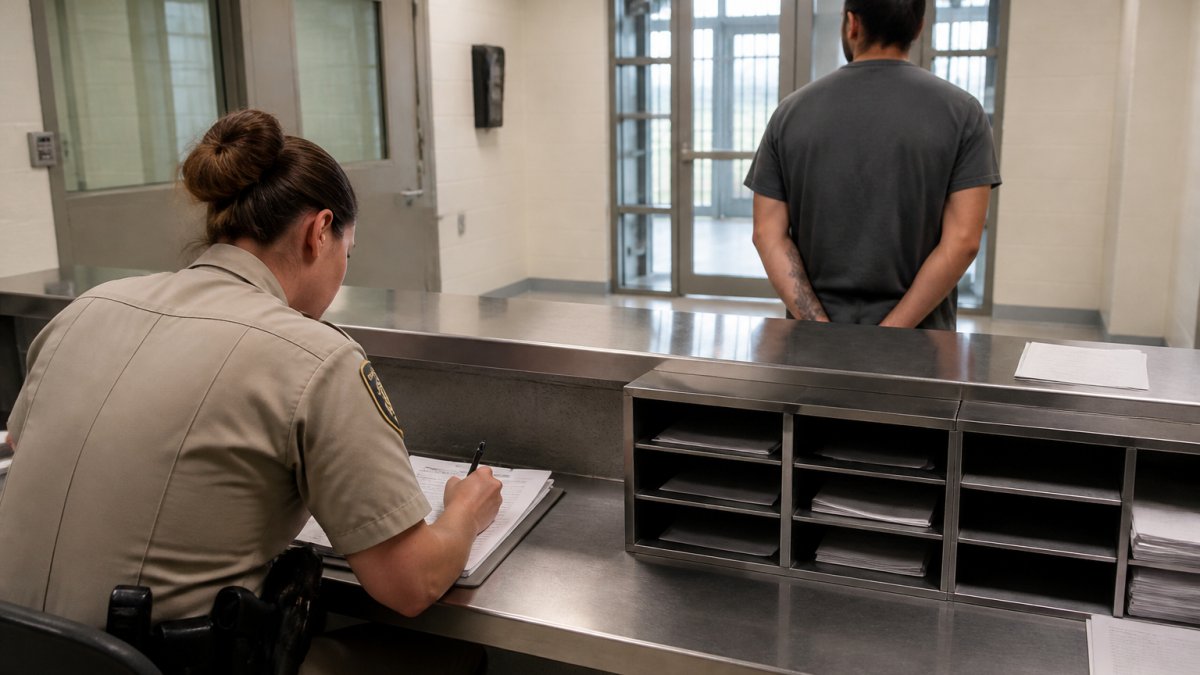
When someone is arrested, the first hours are critical. Police transport the person to a local jail where they're booked, a process that involves recording personal information, documenting the alleged crime, and conducting a background check. During booking, the detainee has their mugshot taken, fingerprints recorded, and personal belongings catalogued. This is also when bail eligibility is determined.
The booking process typically takes 2-4 hours, though it can extend longer depending on how busy the facility is. Family members often call during this window, confused about what's happening and what comes next. Understanding this phase helps you prepare for the bail bond process that follows.
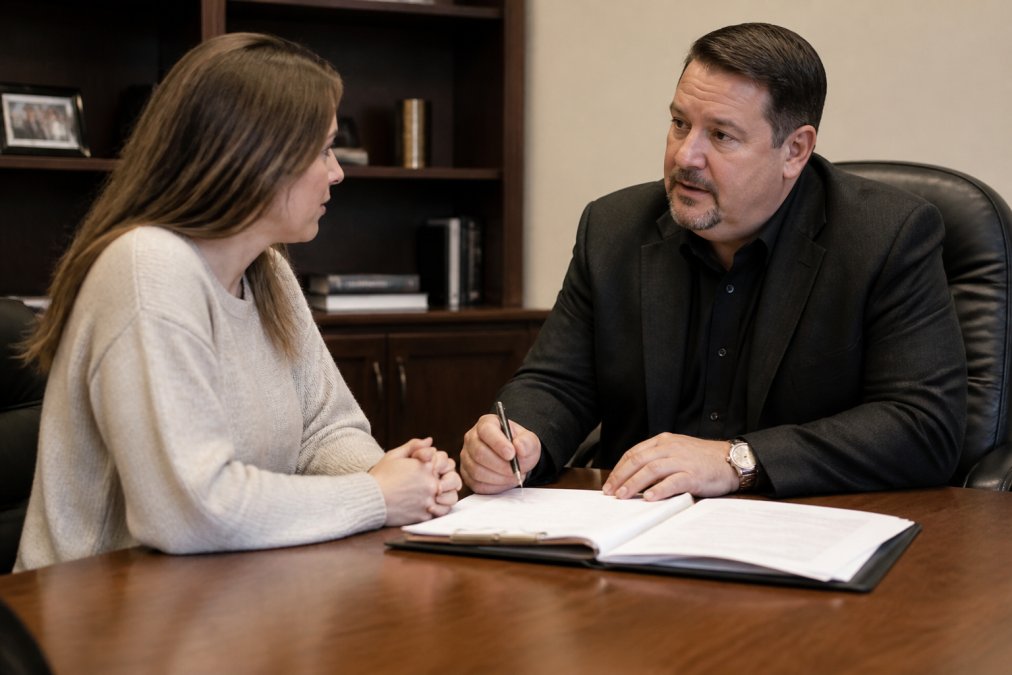
At National Bail Bond of Lubbock, we're available 24/7 because arrests don't follow business hours. When you call us during booking, we can help you understand what information you'll need and what to expect next. Our team works directly with the jail to expedite the release process once bail is set.
Understanding the Bail Bond Process
The bail bond process begins the moment someone enters the criminal justice system. A bail bond is a financial guarantee that an arrested person will appear for their court date. It's not a fine, it's a promise to the court that the defendant will show up when required.
Here's the core mechanism: when bail is set, the defendant (or their family) has two choices. They can pay the full bail amount to the court in cash, or they can work with a bail bondsman who posts bail on their behalf. Most families choose the bondsman route because it's more affordable.
How bail is set by a judge
A judge sets bail during an initial appearance or bail hearing, typically within 24-72 hours of arrest (U.S. Attorneys | Initial Hearing / Arraignment). The judge considers several factors: the severity of the charges, the defendant's criminal history, ties to the community, employment status, and whether they're a flight risk. A person charged with a misdemeanor might see bail set at $1,000-$5,000, while felony charges can result in much higher amounts.
The judge's goal is to set bail high enough to ensure court appearance but not so high that it's impossible to pay. This balance is central to due process. Some defendants are released on their own recognizance (meaning no bail required), while others face remand, being held without bail because the judge determines they're too dangerous or likely to flee.
Types of bail bonds available
Several bail bond types exist, and understanding them matters for your situation.
A surety bond is the most common. A bail bondsman acts as the surety, guaranteeing the court that the defendant will appear. The defendant or their family pays the bondsman a non-refundable premium (typically 10% of the bail amount, though this varies). The bondsman then posts the full bail with the court.
A cash bail means the defendant or family pays the entire bail amount directly to the court. If the defendant appears for all court dates, the money is returned after the case concludes. This option is only viable if you have the full amount available.
A property bond allows you to use real estate as collateral instead of cash. The court places a lien on the property. If the defendant fails to appear, the court can seize the property. Property bonds are complex and require court approval.
A personal recognizance bond (PR bond) requires no money upfront. The defendant simply signs a promise to appear. Judges use these for low-risk defendants with strong community ties.
Understanding which type applies to your situation is essential before contacting a bondsman.
The Role of a Bail Bondsman
A bail bondsman is a licensed professional who provides a critical service in the criminal justice system. When you contact a bail bondsman, you're entering a contractual agreement. The bondsman assesses the risk, verifies information about the defendant, and decides whether to post bail.
The bondsman's job doesn't end at posting bail. They monitor compliance, ensuring the defendant attends all court dates and follows any conditions set by the judge (like avoiding certain people or staying within the jurisdiction). If the defendant misses a court date, the bondsman is financially responsible for the full bail amount. This is why bondsmen take their role seriously and may conduct check-ins or require electronic monitoring.
A legitimate bail bondsman is licensed by the state and operates within strict regulatory guidelines. They should provide clear written documentation of all fees, explain the bail bond process thoroughly, and answer your questions directly. National Bail Bond of Lubbock operates with full transparency, we explain every step and ensure you understand your obligations before signing anything.
The relationship between bondsman and defendant is built on trust and accountability. The bondsman is invested in the defendant's appearance because their money is on the line.
Bail Bond Premium Fees and Costs
When you use a bail bondsman, the primary cost is the premium, the fee the bondsman charges for their service. This premium is non-refundable, regardless of the case outcome.
The premium structure varies by jurisdiction and bail amount. Many states allow bondsmen to charge a percentage of the total bail amount as a premium.
Some bondsmen offer payment plans if the full premium isn't available immediately. This flexibility helps families who don't have cash on hand. You'll also need to provide collateral, property, vehicles, or other assets, as security. The collateral isn't taken, but it's pledged as a guarantee.
Beyond the premium, there may be processing fees or documentation fees, though these should be clearly disclosed upfront.
Texas Bail Bond Laws You Should Know
Texas has specific regulations governing the bail bond process. The Texas Department of Insurance regulates bail bond agents, and bail bondsmen must be licensed to operate legally.
What Happens After Posting Bail
Once bail is posted and the defendant is released from custody, the real responsibility begins. The defendant is now accountable to the court and to the bail bondsman.
The court typically imposes conditions of release. These might include:
- Appearing at all scheduled court dates
- Maintaining contact with the bail bondsman
- Not leaving the state without permission
- Avoiding contact with alleged victims or witnesses
- Submitting to drug testing if applicable
- Maintaining employment or school enrollment
Court appearance and compliance requirements
Court appearances are non-negotiable. Missing even one scheduled hearing creates immediate problems. The judge will issue a bench warrant, a court order authorizing arrest. The defendant will be re-arrested, often without bail the second time.
Missing your court date: consequences and bench warrants
Missing a court date triggers a cascade of consequences. Within hours, the judge issues a bench warrant. Law enforcement can arrest the defendant anywhere, at home, at work, on the street.
How to Avoid Bail Bond Scams
Bail bond scams are real, and they target desperate families. Knowing the warning signs protects you.
| Stage | What Happens | Timeline |
|---|---|---|
| Arrest & Booking | Police transport to jail, personal info recorded, background check | 2-4 hours |
| Bail Hearing | Judge sets bail amount based on charges and defendant history | 24-72 hours after arrest |
| Bail Bond Posted | Bondsman posts bail with court, defendant released | 1-2 hours after paperwork |
| Release Period | Defendant attends court dates, follows conditions of release | Until case concludes |
| Case Conclusion | Bail exonerated, collateral returned, case resolved | Varies by case |
Frequently Asked Questions
What's the difference between bail and a bail bond?
How fast can someone be released after posting bail?
Can a bail bondsman arrest someone who misses court?
How do I verify a bail bondsman is legitimate?
Frequently Asked Questions
How much does a bail bond actually cost in Texas?
Bail bond premium fees in Texas are typically a percentage of the total bail amount set by the court. The exact cost depends on the bail amount, the defendant's criminal history, and other factors evaluated by the bail bondsman. Contact a licensed bail agent for a specific quote based on your situation. Pricing varies by case, so it's essential to discuss costs directly with your bail bond provider to understand the full financial obligation.
What's the difference between cash bail and a surety bond?
Cash bail requires you to pay the full bail amount directly to the court in cash. A surety bond, issued by a bail bondsman, allows you to pay only a premium fee (typically a percentage of the bail amount) to secure the defendant's release. With a surety bond, the bail bondsman acts as a surety, guaranteeing the defendant will appear in court. If the defendant fails to appear, the bondsman is liable for the full bail amount, not you.
How do I verify if a bail bondsman is licensed in Texas?
You can verify a bail bondsman's license through the Texas Department of Insurance, which regulates bail bond agents. Ask any potential bondsman for their license number and verify it directly with the state. Be cautious of anyone claiming to be a bail agent but unable or unwilling to provide their license information. A legitimate bail bondsman will have no problem proving their credentials and answering questions about their background and experience.
What happens if the defendant misses their court date?
If a defendant fails to appear in court, a bench warrant is issued for their arrest. The bail bondsman is then liable for the full bail amount unless the defendant is located and brought to court. The bondsman may hire a fugitive recovery agent to locate the defendant. Missing a court appearance is a serious matter that can result in additional criminal charges, loss of bail, and increased legal consequences. It's critical to meet all court-ordered obligations.
How do I know if a bail bond company is legitimate and not a scam?
Legitimate bail bondsmen are licensed by the state and have verifiable office locations. Never give gift cards, Bitcoin, wire transfers, or any untraceable payment method to a bail agent. Scammers often request payment through these channels. Ask for the bondsman's license number, verify it with the Texas Department of Insurance, and confirm they have a physical office address. A real bail bond company will have transparent pricing, answer your questions directly, and never pressure you into unusual payment methods.