 ultimate-guide
Bail Bond Process in Lubbock: A Complete Guide
Table of Contents
- What Happens After Arrest: The Booking Process
- Understanding the Bail Bond Process in Lubbock
- How Much Is a Bail Bond in Texas
- How to Post a Cash Bond in Lubbock
- Finding Your Inmate: Lubbock County Jail Inmate Search
- Your Legal Rights During the Bonding Process
- What Happens If a Defendant Fails to Appear
- How to Verify a Legitimate Bail Bondsman and Avoid Scams
- Frequently Asked Questions
Last Updated: September 26, 2026
What Happens After Arrest: The Booking Process
When arrested in Lubbock or Hockley County, understanding the first hours reduces panic and helps families take effective action. (Source: Texas Government Code, Chapter 1704, concerning bail bondsmen)
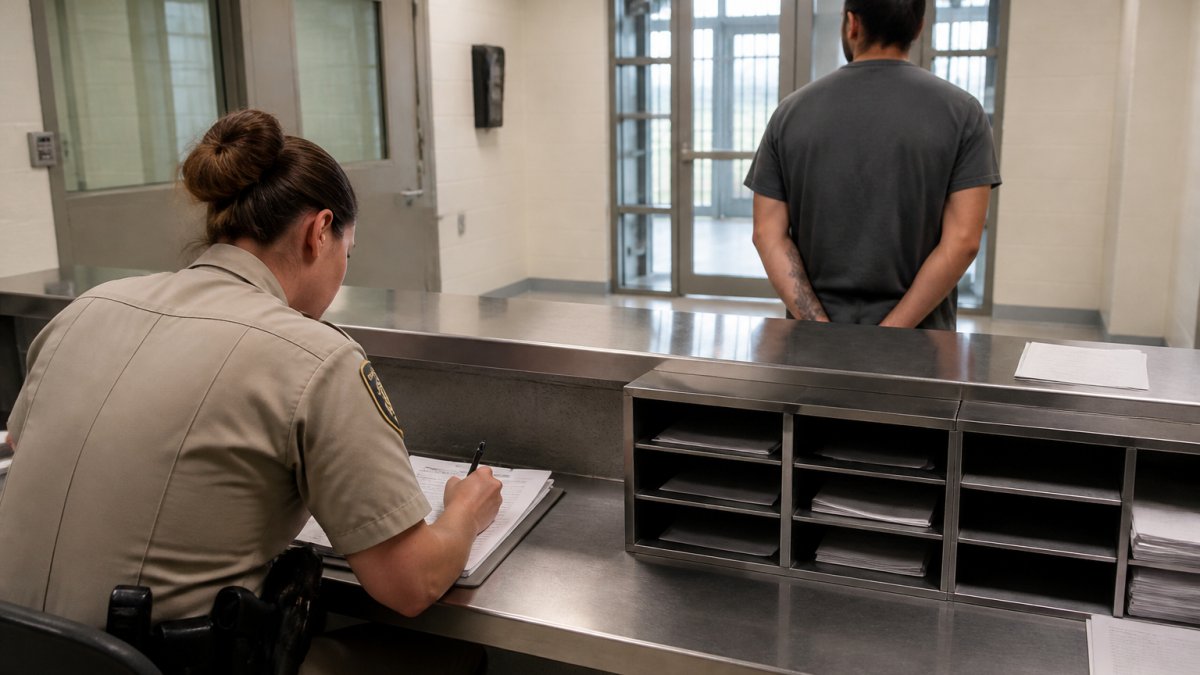
After arrest, the person is transported to the Lubbock County Detention Center. During booking, law enforcement collects personal information, conducts a background check, documents the alleged offense, takes a mugshot and fingerprints, inventories property, and conducts medical screening. This process takes time.
After booking, the person awaits an initial appearance before a magistrate or judge within 72 hours. At this hearing, charges are read, rights are explained, and bail or bond conditions are set, when the bail bond process in Lubbock becomes relevant.
The initial appearance is an administrative proceeding to inform the detainee of charges and establish release conditions. Family members can call the detention center with the detainee's name to learn their booking number, which speeds up communication with a bail bondsman.
Understanding the Bail Bond Process in Lubbock
The bail bond process in Lubbock operates within Texas state law and local county procedures. Bail is a financial incentive to ensure a defendant appears for future court dates.

Judges set bail based on charge severity, criminal history, employment, community ties, and flight risk. Some charges allow release on recognizance (a promise to appear), while others result in remand (no bail allowed).
Many assume they must pay the full bail amount in cash. Multiple pathways to release exist, and understanding them is critical.
Bail vs. Bond: What's the Difference
Bail is the court-set amount. A bond is the method to post it: cash (paid directly to court), property (real estate as collateral), or surety (a bail bondsman guarantees appearance).
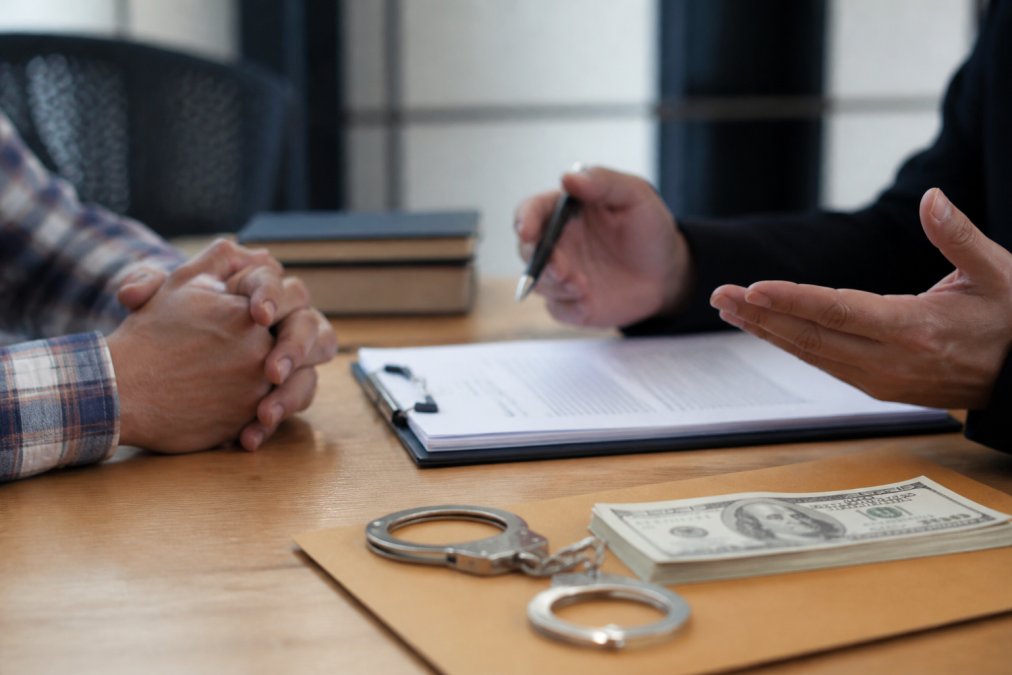
With a surety bond, the bail bondsman guarantees the defendant's appearance, charges a non-refundable fee (typically 10-15% of bail), and posts the full bail amount with the court. If the defendant appears, the bail returns to the bondsman. If not, the bondsman pays the court and hires a recovery agent. Bail bondsmen assume non-appearance risk for an immediate fee, making release accessible to families without cash reserves.
Role of the Bail Bond Board
Texas regulates bail bondsmen through the Bail Bond Board. Bondsmen must be licensed, pass background checks, complete training, maintain a surety bond, and comply with state pricing regulations. The Board sets maximum fees. Lubbock County bondsmen must comply with local detention center procedures. Legitimate bondsmen are verifiable through the state; unlicensed operators are not.
How Much Is a Bail Bond in Texas
Bail bond cost depends on the court-set bail amount. You pay the bondsman a non-refundable fee (a percentage of bail). The full bail amount is posted with the court and returned to the bondsman if the defendant appears, not to you.
State-regulated maximums allow cost estimation. For specific pricing on your situation, contact us directly. Bondsmen may charge less than the maximum.
Non-Refundable Fees and Collateral
Bail bondsman fees are non-refundable, even if charges are dismissed. Cash bail posted directly with the court is returned if the defendant appears. Some bondsmen require collateral (real property, vehicles, jewelry) to secure their risk; it's returned when the case concludes.
Payment Plans and Financing Options
Most bail bondsmen offer payment plans. Some accept credit cards or third-party financing, which carry additional costs. Ask about all payment methods before committing.
Communicate openly about affordability. If a bondsman refuses payment options or demands full payment immediately, that's a warning sign.
How to Post a Cash Bond in Lubbock
If you have resources and the judge allows it, posting cash bond directly with the court bypasses the bondsman. You pay no fee, and the full amount is returned when the case concludes.
To post cash bond in Lubbock County: (1) Call the detention center with the detainee's name to confirm bail amount and conditions; (2) Verify cash bail is allowed; (3) Prepare exact funds in cash or cashier's check; (4) Go to the Lubbock County Detention Center or court cashier office (call ahead for hours); (5) Bring ID, detainee's full name, date of birth, and booking number; (6) Complete paperwork and keep the receipt; (7) Confirm release timing.
Cash bail's advantage is cost recovery; its disadvantage is requiring immediate access to the full amount, which most families lack.
Finding Your Inmate: Lubbock County Jail Inmate Search
The Lubbock County Detention Center maintains a searchable inmate roster. Provide the detainee's full name and date of birth to find their booking number, charges, and bail amount. Note the booking number for future calls. Call the detention center directly for real-time updates. This public search prevents secret detention and allows families to locate loved ones quickly.
Your Legal Rights During the Bonding Process
When you post bail or work with a bail bondsman, you have legal rights that protect you from exploitation. Understanding these rights prevents scams and ensures you're dealing with legitimate operators.
First, you have the right to know the bail bondsman's licensing status. Before paying anyone, ask for their license number and verify it with the Texas Department of Insurance or the Bail Bond Board. A legitimate bondsman will provide this information immediately.
Second, you have the right to know the exact fee and terms before paying anything. The bondsman must disclose the percentage fee, any collateral requirements, and payment terms in writing. If someone asks for payment before explaining fees, stop and contact a different bondsman.
Third, you have the right to refuse unreasonable collateral demands. A bondsman can require collateral, but it must be reasonable relative to the bail amount. If you're being asked to put up property worth far more than the bail, that's a red flag.
Fourth, you have the right to a written bail bond agreement. This document outlines your obligations, the bondsman's obligations, fees, collateral, and what happens if the defendant fails to appear. Read it carefully before signing.
Fifth, you have the right to understand the consequences of failure to appear. If the defendant doesn't show up for court, the bail is forfeited and you may lose collateral. The bondsman will pursue recovery, which may include hiring a bail recovery agent. Understand these consequences before agreeing to be responsible for the defendant's appearance.
Finally, you have the right to report a bondsman to the Texas Department of Insurance if they violate licensing regulations or engage in fraud. This right exists to protect consumers.
At National Bail Bond of Lubbock, we prioritize transparency and client protection. We explain every step and provide written agreements.
What Happens If a Defendant Fails to Appear
If a defendant fails to appear at a scheduled court date, serious consequences follow for both the defendant and anyone who posted bail or worked with a bail bondsman.
For the defendant, failure to appear is a separate criminal offense. It can result in additional charges, a warrant for arrest, and increased bail or no bail on re-arrest. The original charges remain pending, and now there's a new charge on top.
If bail was posted by a family member directly with the court, that bail is forfeited, the money is kept by the court. The family loses the entire amount.
If a bail bondsman posted the bail, the bondsman must pay the full bail amount to the court within a specified period (typically 180 days).
How to Verify a Legitimate Bail Bondsman and Avoid Scams
Here's how to verify legitimacy and avoid scams:
Check licensing status. Call the Texas Department of Insurance or visit their website. Provide the bondsman's name and ask for their license number. A legitimate bondsman will have an active license. If the license is expired or doesn't exist, the person is operating illegally.
Frequently Asked Questions
How do I bail someone out of Lubbock County Detention Center?
Contact a licensed bail bondsman immediately after arrest. Provide the inmate's full name, booking number, and charges. The bondsman will guide you through paperwork, explain fees, and arrange release. For fastest service, call 24/7. You'll need to sign an indemnitor agreement and provide collateral or a co-signer. Release typically occurs within hours of bond posting, depending on jail processing times.
How much is a bail bond in Texas?
Bail bond costs depend on the bail amount set by the judge and the severity of charges. Texas allows bail bondsmen to charge a non-refundable fee, typically calculated as a percentage of the total bail. For specific pricing on your situation, contact a licensed bondsman with your bail amount and charge details. Payment plans and financing options are often available to help make the cost manageable.
What's the difference between cash bail and a surety bond?
Cash bail requires you to pay the full bail amount directly to the court, the money is returned after court appearances. A surety bond requires you to pay a non-refundable fee to a bail bondsman, who posts a bond guaranteeing your appearance. Surety bonds cost less upfront but the fee is not refunded. Choose based on your available funds and financial situation.
How do I know if a bail bond company is legitimate?
Verify the bondsman is licensed with the Texas Department of Insurance. Legitimate bondsmen have physical office locations, accept only standard payment methods (cash, check, credit card), and never request gift cards, wire transfers, or cryptocurrency. Ask for their license number and verify it independently. Be cautious of companies that pressure you or guarantee specific outcomes.
What happens if someone fails to appear in court after posting bond?
If a defendant fails to appear (FTA), the bail is forfeited and the bail bondsman may pursue the defendant to recover losses. A warrant is issued for arrest. The co-signer or indemnitor may be held financially responsible for the full bail amount. Failure to appear is a separate criminal charge that carries additional penalties. Contact your bondsman immediately if appearance is impossible.
How long does the release process take after posting a bail bond?
Release times vary based on jail processing, paperwork completion, and current detention center volume. Weekend or holiday releases may take longer. Your bail bondsman can provide a time estimate based on current jail conditions. Stay in contact with the bondsman for updates on the release process.