 how-to
Fast Inmate Release Strategies: A 2026 Guide
Table of Contents
- What Affects Inmate Release Speed
- How to Bail Someone Out: Step-by-Step
- Bail Bond Process Timeline: What to Expect
- How to Find a Reputable Bail Bondsman
- Fast Inmate Release Strategies Beyond Bail
- Family Advocacy and Reentry Planning
- Financial and Logistical Preparation for Release
- Conclusion
Last Updated: August 23, 2026
Fast inmate release strategies are not one-size-fits-all. The right approach depends on the charge, the jurisdiction, the defendant's history, and how quickly family members act. At National Bail Bond of Lubbock, we have spent over 50 years working through the criminal justice system, and the single most consistent finding is this: families who understand their options move faster and make fewer costly mistakes. This guide breaks down every major pathway to inmate release, from posting bail within hours to long-term sentence reduction programs, so you know exactly what to do and when.
What Affects Inmate Release Speed
Inmate release timelines vary significantly, and the gap between getting someone out in six hours versus six days almost always comes down to two factors: how quickly the booking process clears and what happens at the bail hearing.
Booking and Inmate Classification
Booking is the administrative intake process that happens before any release can occur. Jail staff record the arrest, collect fingerprints and photographs, run background checks, and assign the defendant to an inmate classification level based on charge severity and criminal history. Classification determines housing assignment and critically influences the bail amount a judge will set.
A common mistake families make is calling a bail bondsman before booking is complete. The bondsman cannot act without a booking number, charge information, and the bail amount set by the court. Booking at a county jail typically takes anywhere from a few hours to overnight, depending on volume.
Bail Hearing and Judicial Discretion
After booking, most defendants appear before a judge for a bail hearing, sometimes called an arraignment. This is where judicial discretion plays the largest role in inmate release speed. The judge weighs flight risk, community ties, prior record, and the nature of the charge before setting bail, denying it, or releasing the defendant on their own recognizance.
Defendants with strong community ties, stable employment, and no prior record tend to receive lower bail amounts. Charges involving violence, weapons, or prior failures to appear typically result in higher bail or no bail at all. Families can support a favorable outcome by having an attorney present at the hearing to argue for reduced bail.
How to Bail Someone Out: Step-by-Step
Bailing someone out of jail is a straightforward process once you know what information you need and in what order to act. Moving through these steps without gaps is what separates a same-day release from a two-day delay.
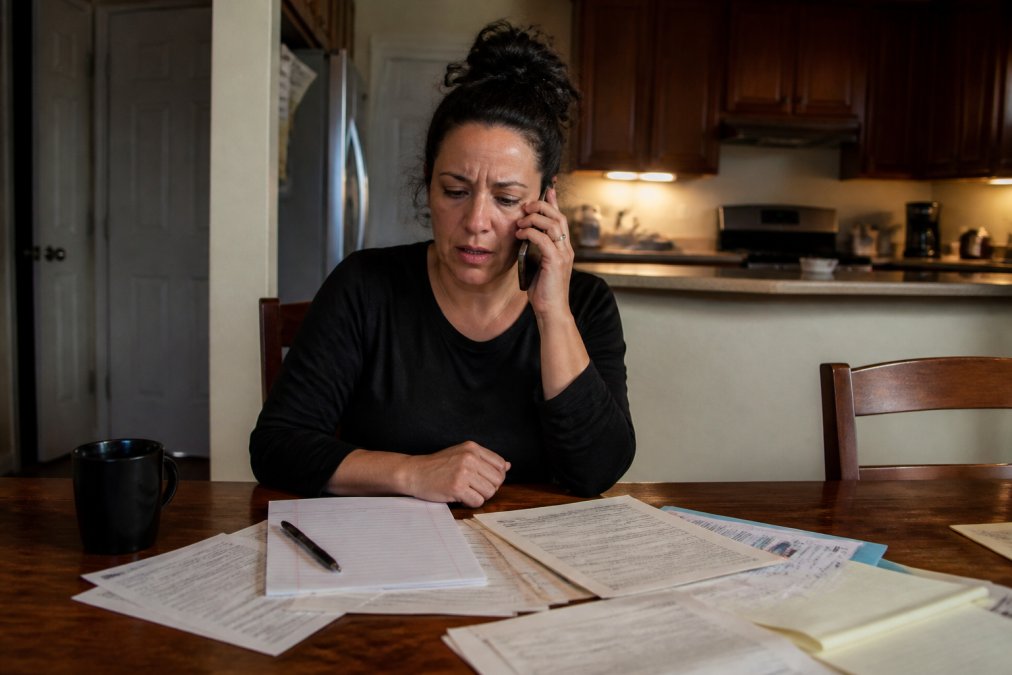
Gather the Right Information First
Before you call anyone, collect the following:
- The defendant's full legal name and date of birth
- The name of the correctional facility where they are held
- The booking number assigned at intake
- The charges filed and the bail amount set by the court
Most of this information is available through the jail's online inmate locator or by calling the facility directly. Having it ready before you contact a bondsman eliminates back-and-forth delays and gets the paperwork started immediately.
Paying Bail Directly vs. Using a Bond
Two primary options exist for securing inmate release through bail.
Paying bail directly means paying the full bail amount to the court in cash. The court holds this money as a guarantee the defendant appears at all scheduled hearings. When the case concludes, the full amount is returned regardless of outcome, minus any administrative fees. This option makes sense when the bail amount is manageable and funds are available.
Using a bail bond means hiring a licensed bail bondsman to post a surety bond with the court on the defendant's behalf. The bondsman charges a non-refundable fee for this service. The advantage is that the family does not need to produce the full bail amount upfront. For most families dealing with a significant bail figure, a bond is the practical path to inmate release.
Bail Bond Process Timeline: What to Expect
The bail bond process timeline moves in predictable stages once a bondsman is engaged. Understanding each stage prevents unnecessary anxiety and lets families set realistic expectations.
| Stage | What Happens | Typical Duration |
|---|---|---|
| Initial contact | Bondsman collects case information | 15-30 minutes |
| Paperwork and agreement | Indemnitor signs bond agreement | 30-60 minutes |
| Bond posted at jail | Bondsman files surety bond with facility | 1-3 hours |
| Processing and release | Jail processes paperwork and releases defendant | 2-8 hours |
| Post-release check-in | Defendant confirms court date with bondsman | Same day |
The longest variable in this timeline is jail processing after the bond is posted. Staffing levels, shift changes, and facility volume all affect how quickly jail staff complete the release paperwork. National Bail Bond of Lubbock is available 24/7 precisely because arrests do not follow business hours, and delays compound when a bondsman cannot be reached immediately.
How to Find a Reputable Bail Bondsman
A reputable bail bondsman is licensed by the state, operates from a verifiable physical location, and communicates the full terms of the bond agreement before asking for a signature.

The Texas Department of Insurance bail bond license verification tool allows anyone to confirm whether a bondsman holds a current, active license. A licensed bondsman in Texas is regulated, bonded, and accountable.
Red Flags That Signal a Scam
Bail bond scams target families in distress. Watch for these specific warning signs:
- Requests for payment via gift card, cryptocurrency, or wire transfer. Legitimate bondsmen accept cash, check, or credit card. Any demand for untraceable payment is a scam.
- No physical office address. A bondsman operating only through a cell phone number or social media profile cannot be verified or held accountable.
- Pressure to sign immediately without reviewing terms. Reputable bondsmen explain the agreement fully before asking for a signature.
- Fees that seem unusually low. In Texas, bail bond premiums are regulated. A quote dramatically below market rate is a warning.
- Unsolicited contact. Legitimate bondsmen do not cold-call families or solicit business at correctional facilities.
National Bail Bond of Lubbock maintains a physical office location and has operated in this market for over 50 years. If you want to review paperwork in person before signing, that option is available.
Fast Inmate Release Strategies Beyond Bail
Bail is the fastest route to inmate release for most defendants, but it is not the only one. For individuals already serving sentences, several legal mechanisms exist to accelerate release or reduce the remaining time.
Compassionate Release and Medical Parole
Compassionate release is a formal legal mechanism that allows incarcerated individuals with serious medical conditions, terminal illness, or advanced age to petition for early release. Federal compassionate release is governed by 18 U.S.C. § 3582(c)(1)(A), which was significantly expanded by the First Step Act of 2018. A defendant or their attorney can file a motion directly with the sentencing court after exhausting administrative remedies through the Bureau of Prisons.
Medical parole operates similarly at the state level. Eligibility criteria vary by state, but generally require documentation of a debilitating condition that makes the individual unlikely to pose a public safety risk. Families pursuing this pathway should work with an attorney experienced in filing these petitions, as the evidentiary requirements are specific and the denial rate for pro se filings is high.
Geriatric parole provisions exist in many states and federal policy to address elderly incarcerated individuals who meet age and time-served thresholds. As documented in Bureau of Prisons compassionate release program guidance, the process requires a formal request to the warden before a court motion can be filed.
FSA Credits, Good Time Credits, and RDAP
The First Step Act created meaningful sentence reduction pathways for federal inmates.
Good time credits allow federal inmates to earn up to 54 days of sentence reduction per year for good conduct.
FSA earned time credits reward participation in approved recidivism reduction programs and productive activities. Eligible inmates can earn 10 to 15 days of time credits for every 30 days of successful participation, which can be applied toward early transfer to supervised release, a halfway house, or home confinement.
RDAP (Residential Drug Abuse Program) is one of the most significant sentence reduction tools available in the federal system. Eligible inmates who complete RDAP may receive up to a 12-month reduction in their sentence. According to Bureau of Prisons RDAP program overview, completion also increases eligibility for early transfer to a community corrections facility.
Work Release, Halfway Houses, and Home Confinement
As inmates approach the end of their sentence, several supervised release options can bring them back into the community before their full release date.
Work release programs allow qualifying inmates to leave the correctional facility during the day for employment and return at night. Eligibility depends on inmate classification, conduct record, and program availability at the specific facility.
Halfway houses, formally called Residential Reentry Centers, provide a transitional living environment with structured supervision. Federal inmates are typically eligible for placement in a halfway house during the final 12 months of their sentence under the Second Chance Act.
Home confinement with electronic monitoring allows low-risk inmates to serve the remainder of their sentence at a verified home address under supervision. The First Step Act expanded eligibility for home confinement, though final placement decisions rest with the Bureau of Prisons and, for state inmates, the relevant state corrections authority.
Family Advocacy and Reentry Planning
Family members are often the most effective advocates for incarcerated individuals, and their involvement directly affects inmate release outcomes.
Effective family advocacy starts with documentation. Keep records of every communication with the facility, attorney, and court. Request copies of the inmate's classification status, program participation records, and any disciplinary incidents. These records form the foundation of any petition for early release or program transfer.
For federal inmates, families can submit letters to the sentencing judge during resentencing or compassionate release proceedings. These letters should address the defendant's community ties, support network, employment prospects, and any rehabilitation demonstrated during incarceration. Courts give weight to evidence that release conditions are stable.
Reentry planning should begin well before the release date. A transition plan that addresses housing, employment, transportation, and any required supervision conditions reduces the likelihood of technical violations. According to National Reentry Resource Center guidance on transition planning, individuals with stable housing and employment support have significantly better outcomes post-release.
Connect with community organizations that offer post-release support before the release date, not after. Many programs have waitlists, and early enrollment ensures continuity of services from day one.
Financial and Logistical Preparation for Release
The practical side of inmate release catches many families off guard. Financial and logistical preparation is essential for a smooth transition.
Before the release date, confirm:
- Housing address is verified and approved by the supervising officer if supervised release applies
- Government-issued identification is obtained or renewed
- Transportation from the facility is arranged
- Any required check-in appointments with a parole or probation officer are scheduled
- Employment or a documented job search plan is in place
- Health insurance or Medicaid enrollment is initiated
For families navigating the bail bond side of release, budget for the bond premium, which is non-refundable, plus any collateral requirements the bondsman specifies. Understand that the defendant's obligation to appear at all court dates continues until the case is resolved. A missed court date triggers bond forfeiture and a warrant for re-arrest.
Plan for the financial burden of inmate release directly, ask your bondsman to walk through every cost before signing, and make sure the defendant understands their responsibilities under the bond agreement.
Navigating inmate release without guidance is one of the most stressful experiences a family can face, especially when the arrest happens in the middle of the night and every hour matters. National Bail Bond of Lubbock brings over 50 years of experience with the criminal justice system to every case, with 24/7 availability, a physical office location, and a direct approach that keeps families informed at every step. Whether you need to post bail immediately or want help understanding your options, contact National Bail Bond of Lubbock to get the process started now.
Frequently Asked Questions
What is the fastest way to get someone out of jail?
The fastest path is posting bail as soon as it is set. If a cash bail amount is unaffordable, contacting a licensed bail bondsman immediately after booking is the next quickest option. Having the arrested person's full legal name, booking number, and the correctional facility name ready before you call cuts processing time significantly. In many county jails, a bond can be posted within a few hours of the bail hearing, though the facility's own processing time adds additional wait.
How long does it typically take to process a bail bond?
The bail bond process timeline varies by facility, but most county jail releases happen within two to eight hours after the bond is posted. Delays usually stem from the jail's internal processing workload rather than the bondsman. Arrests that happen late at night or on weekends can push the timeline longer if a bail hearing must wait until the next business day. Providing complete and accurate booking information to your bondsman from the start avoids unnecessary back-and-forth that adds hours to the wait.
What information do I need to provide to a bondsman for a fast release?
Have the following ready before you call: the arrested person's full legal name as it appears on their ID, their date of birth, the name and address of the correctional facility where they are held, their booking or case number if available, and the bail amount set by the court. Knowing the charges also helps the bondsman assess the situation quickly. Missing or incorrect details are the most common cause of delays, so double-check everything with the jail's booking desk before reaching out.
How can I tell if a bail bondsman is legitimate and not a scam?
Licensed bail bondsmen in Texas are regulated by the Texas Department of Insurance. Ask any bondsman for their license number and verify it on the department's public lookup tool. Legitimate bondsmen never request payment in gift cards, cryptocurrency, or wire transfers to personal accounts. They operate from a verifiable physical office, provide written contracts before collecting any fee, and do not pressure you to decide immediately. If a caller refuses to give a license number or pushes for untraceable payment, end the call.
This article was written using GrandRanker