 ultimate-guide
Hiring a Bail Bondsman: 2026 Guide to Fees & Contracts
Table of Contents
- How the Bail Bond Process Works
- How to Verify a Bail Bond Agent
- Bail Bond Fee Regulations in Texas
- Bail Bond Contract Terms Explained
- Red Flags: How to Avoid Bail Bond Scams
- Hiring a Bail Bondsman: Questions to Ask First
- Frequently Asked Questions
Last Updated: September 16, 2026
How the Bail Bond Process Works
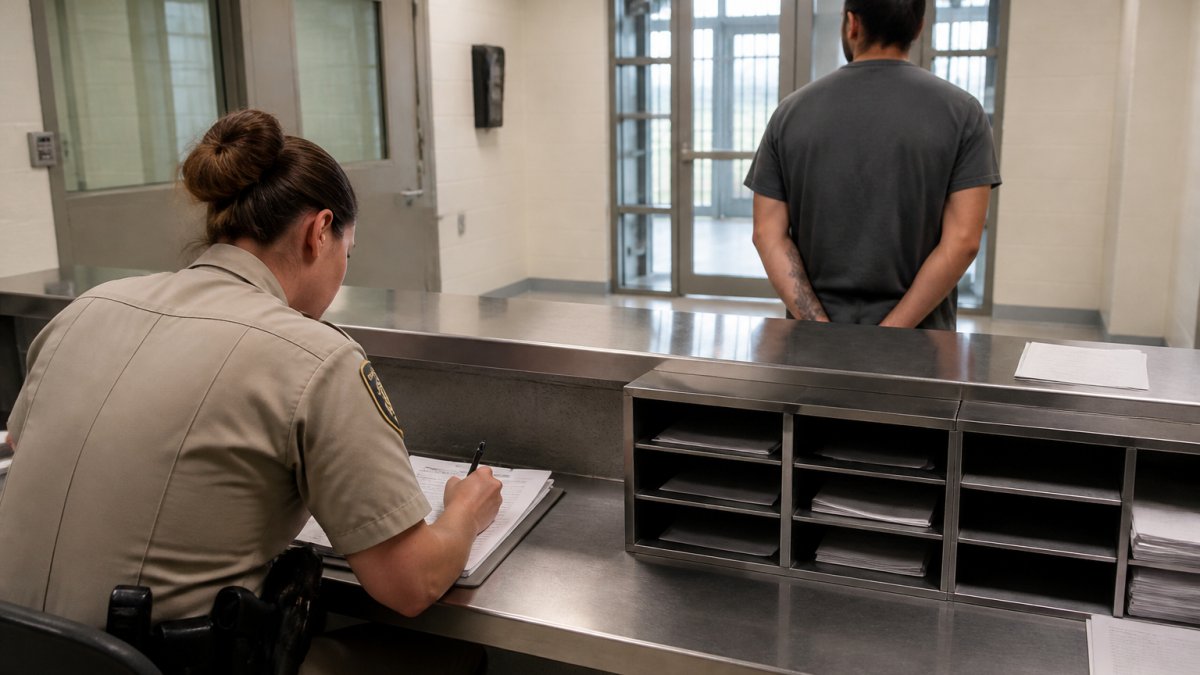
Hiring a bail bondsman 2026 guide starts with understanding what you're actually buying: a surety bond, not a get-out-of-jail-free card. When someone is arrested, a judge or magistrate sets a bail amount based on the local bail schedule. Paying that full amount in cash gets the defendant released, but most families cannot produce thousands of dollars overnight. A bail bond agent posts a surety bond with the court on the defendant's behalf, backed by an insurance company, in exchange for a non-refundable premium fee. National Bail Bond has over 50 years of experience with the criminal justice system, walking families through this exact sequence, and the steps rarely change. You call with the defendant's name and booking information, the agent confirms the bond amount with the jail, you sign a contract, and the agent posts the bond.
Cash Bail vs. Surety Bonds
Cash bail means paying the full bail amount directly to the court, and that money is returned if the defendant makes every court appearance. A surety bond costs a fraction of the bail amount upfront, but that premium is non-refundable whether the case ends in a dismissal, a plea, or a trial. The trade-off is simple: cash bail ties up your savings and comes back; a surety bond costs less today and never comes back.
How to Verify a Bail Bond Agent
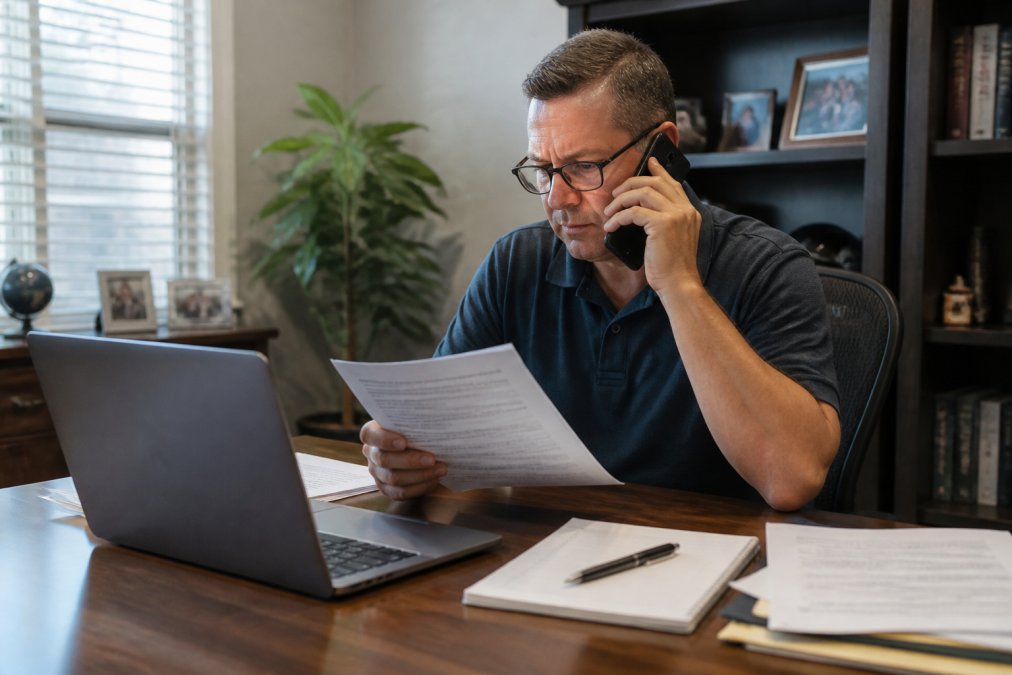
Verifying a bail bond agent takes about ten minutes and can save you thousands. Every legitimate agent in Texas must hold a license issued through the Texas Department of Insurance, and that license is verifiable through the state's official agent lookup. Ask for the agent's license number, then confirm it yourself rather than trusting a business card. A reputable agency will also have a physical office you can visit, a surety company backing its bonds, and a clear contract.
- Ask for the agent's license number and verify it with the state insurance department
- Confirm the agency has a physical office address, not just a phone number
- Ask which surety insurance company backs the bond
- Request the full contract before paying anything
- Confirm the agency accepts traceable payment methods
Bail Bond Fee Regulations in Texas
Texas regulates bail bond fees through the Texas Department of Insurance, which caps the premium a licensed agent may charge as a percentage of the bond amount. The commonly cited statutory ceiling is 10% of the bond, with a minimum premium of $100 on smaller bonds, though the exact figures are set by statute and updated periodically, confirm the current number with the department or your agent before you sign.
What Happens If the Defendant Misses Court
A missed court date triggers forfeiture. The court can declare the bond forfeited, meaning the full bond amount becomes owed to the court by the surety, and the agency will pursue the indemnitor for that amount. The defendant may also be remanded into custody on a failure to appear. This is the single most expensive mistake in the entire process, and it is almost always avoidable with a phone call to the agency before the hearing date.
Bail Bond Contract Terms Explained
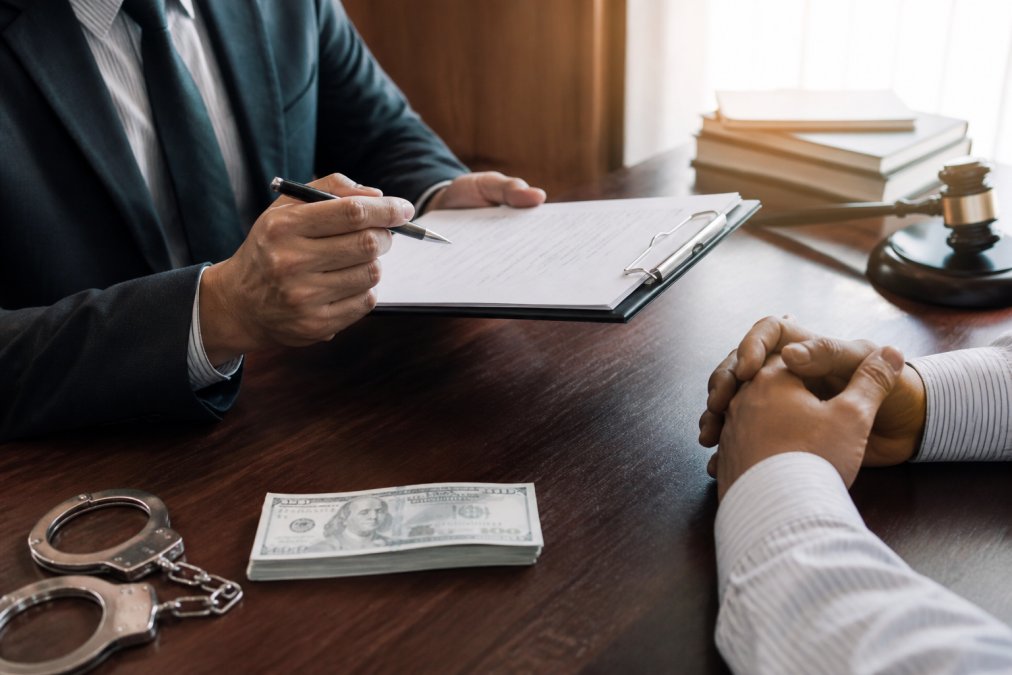
Every bail bond contract is a legally binding agreement, and the indemnitor is the person who signs it and accepts financial responsibility. Most guides stop at the license check; the real risk lives in the fine print. Read these clauses before signing:
| Contract Term | What It Means | Why It Matters |
|---|---|---|
| Premium fee | Non-refundable charge for posting the bond | You pay it even if charges are dropped |
| Collateral | Property or cash pledged as security | Returned after exoneration, minus costs |
| Indemnitor agreement | Your promise to cover forfeitures and expenses | You owe the full bond if the defendant flees |
| Power of attorney | Agent's authority to post the bond | Limited to this bond only, never a blank check |
| Exoneration clause | Releases you once the case concludes | Confirms when your obligation ends |
| Fugitive recovery clause | Agency's right to pursue a defendant who disappears | You may owe recovery costs on top of the bond |
Signing a Digital Contract Safely
More agencies now send contracts by e-signature, which is convenient but easy to rush. Before you tap "sign," confirm three things: the bond amount matches what the jail quoted, the premium and collateral are itemized separately, and the power of attorney is scoped to this single bond. A predatory contract hides auto-renewal language, broad collateral liens, or a clause letting the agency bill you for "investigative fees" without a cap.
Your Obligations as Indemnitor
Signing as indemnitor makes you financially responsible for the entire bond amount if the defendant fails to appear. You are also agreeing to pay reasonable costs the agency incurs pursuing a defendant who disappears, including fugitive recovery expenses. The defendant, meanwhile, must attend every court appearance, check in with the agency as required, and notify the agent of any address change.
Red Flags: How to Avoid Bail Bond Scams
Bail bond scams follow predictable patterns, and every one of them involves pressure and untraceable payment. The clearest warning signs are demands for gift cards, cryptocurrency, or wire transfers; agents who refuse to provide a license number; callers who claim a loved one is in jail but cannot confirm booking details; and anyone who asks you to sign a blank contract. Digital payment security matters here.
Hiring a Bail Bondsman: Questions to Ask First
Hiring a bail bondsman comes down to five questions, and the answers separate a licensed professional from a problem. Ask: Are you licensed, and what is your license number? Do you have a physical office I can visit? Which surety company backs your bonds? What is the total cost, including premium and collateral? How fast can you post the bond after we sign?
Texas Department of Insurance bail bond agent resources
Frequently Asked Questions
How do I verify if a bail bondsman is licensed in Texas?
Ask for the agent's license number, then confirm it through the Texas Department of Insurance, which licenses bail bond agents in the state. A legitimate agent will provide this without hesitation. You can also verify the agency holds a valid surety bond and check for any disciplinary history. If someone refuses to share credentials or pressures you to pay with gift cards or cryptocurrency, walk away and contact a licensed agency directly.
What information do I need to provide when hiring a bail bondsman?
You will need the defendant's full legal name, date of birth, booking number, and the jail where they are held. Have the exact bond amount ready, which the jail or court can confirm. You will also need your own government-issued ID and proof of address. Accurate details speed up the paperwork and reduce delays. If you are unsure about any detail, call the jail directly to confirm before contacting the bondsman.
What are the standard bail bond fees in Lubbock and Hockley Counties?
In Texas, bail bond fees are regulated by the Texas Department of Insurance, which sets the maximum premium a licensed agent can charge. The fee is a percentage of the total bond amount and is non-refundable once the bond is posted. Contact a licensed agency for a specific quote based on the bond amount. Do not trust anyone quoting rates far below the state maximum, as that often signals an unlicensed operator.
How does the bail bond process work for first-time defendants?
A bail bondsman posts a surety bond with the court on the defendant's behalf, promising the defendant will appear at all required hearings. The defendant is released from jail, typically within hours of the bond being posted. The indemnitor, usually a family member or friend, signs a contract agreeing to pay the premium and take responsibility if the defendant fails to appear. The process involves a background check, a signed contract, and payment of the non-refundable premium.
What should I look for in a reputable bail bond agency?
Look for a physical office you can visit, a valid license from the Texas Department of Insurance, and clear written contract terms. A reputable agency will explain the premium fee, the indemnitor's obligations, and what happens if the defendant misses court. They will not ask for payment via gift cards, Bitcoin, or wire transfers to personal accounts. Ask how long they have operated in the area and whether they are available 24/7 for jail releases.
What happens if the defendant misses a court appearance?
If the defendant fails to appear, the court may order a forfeiture of the bond. The indemnitor could become responsible for the full bond amount. The bondsman may also hire a fugitive recovery agent to locate the defendant. In some cases, the court may allow the bond to be reinstated if the defendant is returned quickly. Always communicate with the bondsman and the court if an emergency prevents a scheduled appearance.
An arrest is a crisis, and crisis is exactly when scams and confusion do their damage. National Bail Bond of Lubbock has spent over 50 years helping families through the criminal justice system with a physical office in Lubbock, 24/7 availability, and direct access to licensed bondsmen. Get started with National Bail Bond of Lubbock and secure a legitimate, transparent release for your family member.