 ultimate-guide
Legal Process for Bail Bonds: How It Works in 2026
Table of Contents
- What Is a Bail Bond and How Does It Fit the Legal Process?
- How to Bail Someone Out of Jail: Step-by-Step
- Bail Bond Co-Signer Responsibilities: What You're Signing Up For
- How Long Does It Take to Get Released on Bail?
- Cost of a Bail Bond in Texas: What to Expect
- Bail Bond vs. Property Bond: Which Option Fits Your Situation?
- Common Mistakes to Avoid in the Bail Bond Process
- Conclusion
- Frequently Asked Questions
Last Updated: September 11, 2026
What Is a Bail Bond and How Does It Fit the Legal Process?
Bail bonds are a financial guarantee posted by a licensed bail agent on behalf of a defendant to secure their release from custody while criminal proceedings continue.
After arrest, a judge sets bail based on a bail schedule or an initial hearing. Cash bail requires the full amount upfront; a surety bond lets a family pay a nonrefundable premium, typically a regulated percentage, through a licensed bail agent backed by an insurer that assumes liability if the defendant fails to appear.
That is why the process is regulated at the state level, not nationally: Texas rules differ from other states, and federal cases follow a separate framework. At NATIONAL BAIL BOND OF LUBBOCK, we have over 50 years of experience with the criminal justice system, helping families in Lubbock and Hockley Counties navigate this system.
How to Bail Someone Out of Jail: Step-by-Step
The fastest path to release is accurate information, a licensed agent, and a signed indemnitor agreement. Most delays come from missing booking details, not the court.
Step 1: Find the Defendant's Booking Information
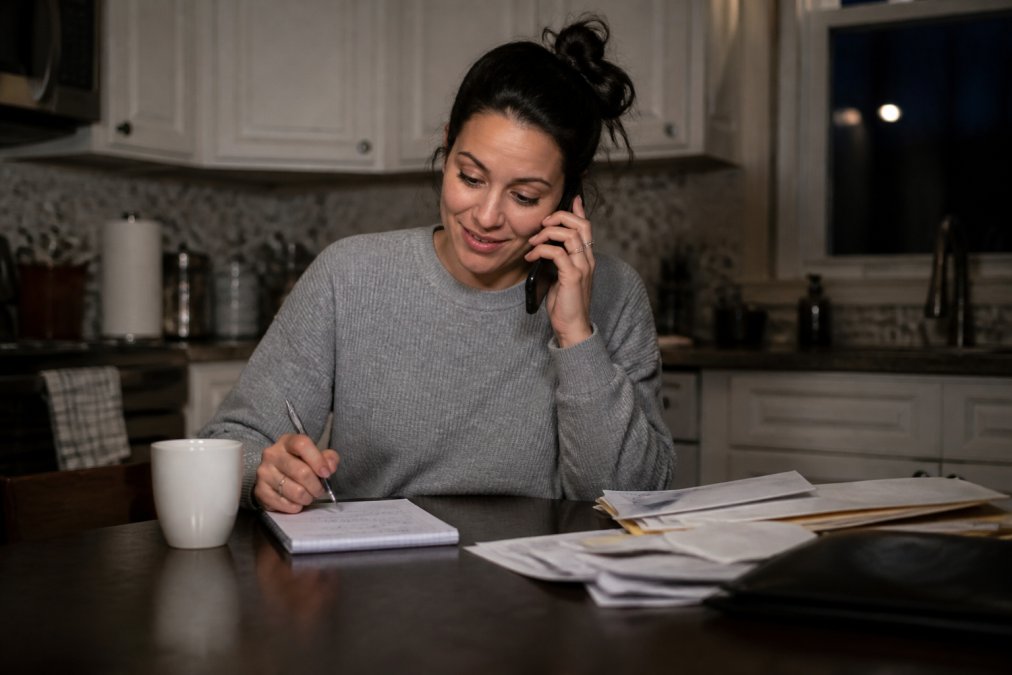
You need the defendant's full legal name, date of birth, facility, and charge or booking number. Call the jail's inmate information line or check its online roster, and write the details down before you call anyone, wrong information is the most common cause of delay.
Step 2: Contact a Licensed Bail Bond Agent
Verify the agent's license through the Texas Department of Insurance before you hand over anything. A legitimate agent gives you a license number, a physical office address, and a clear written contract; anyone demanding gift cards, cryptocurrency, or a payment app transfer is running a scam. National Bail Bond of Lubbock maintains a physical office in Lubbock and answers calls around the clock.
Step 3: Complete Paperwork and Pay the Premium
The agent prepares the bond, you sign as indemnitor, and the agent posts it with the jail. Release typically follows once the facility processes the paperwork. Bring a government-issued ID and be ready to answer questions about your relationship to the defendant and your finances.
Bail Bond Co-Signer Responsibilities: What You're Signing Up For
Signing as a co-signer, also called an indemnitor or guarantor, makes you financially responsible for the full bail amount if the defendant fails to appear. It is a legally binding contract, not a formality.
Your obligations include:
- Ensuring the defendant attends every court appearance, including arraignment and any pretrial hearings
- Paying the remaining balance if the defendant flees and the bond is forfeited
- Posting collateral, which the agent may hold until the case resolves and the bond is exonerated
- Cooperating with the agent if the defendant misses a date and a bench warrant issues
A common mistake is co-signing for someone you cannot reach. If they disappear, the court can enter a judgment against you, and the agent can place a lien on any property you pledged.
How Long Does It Take to Get Released on Bail?
Release usually takes a few hours after the bond is posted, though timing depends on the jail's processing volume and the charge. A misdemeanor in a smaller county facility often moves faster than a felony booking in a busy detention center.
Several factors extend the timeline:
- The jail's booking and release backlog
- Whether the judge has already set bail or you are waiting on an initial hearing
- Whether the charge carries a hold from another jurisdiction
- Whether the defendant needs a medical or mental health clearance before release
Ask your agent for a realistic estimate rather than a promise. A licensed bondsman who has worked in the county for years knows how that facility operates.
Cost of a Bail Bond in Texas: What to Expect
In Texas, the premium a licensed bail agent may charge is regulated by the Texas Department of Insurance as a percentage of the total bail amount (tdi.texas.gov). Two licensed agents quoting the same bond should land in roughly the same range, if one is dramatically cheaper, that is a red flag, not a deal.
The premium is a nonrefundable fee you pay the agent for posting the bond, not a deposit. You do not get it back when the case ends, even if the defendant is acquitted or the charges are dropped; the agent earned that fee the moment the bond was posted.
Because the premium is calculated off the bail amount, cost depends on three variables:
- The bail amount set by the judge. This is the biggest driver. A $5,000 bail and a $50,000 bail produce very different premiums.
- The charge and the defendant's history. Higher-risk charges and prior failures to appear can push an agent toward the top of the regulated range or toward requiring more collateral.
- The collateral required. Collateral is not a fee, it is security the agent holds and returns when the bond is exonerated, but it affects how much cash you need available upfront.
Texas Department of Insurance bail bond information explains how premiums and agent licensing work and is the right place to confirm the current regulated rate before you sign anything.
What the Money Actually Buys
Separate the three buckets of money in a bail bond transaction, because families often conflate them:
| Bucket | What It Is | Refundable? |
|---|---|---|
| Premium | The agent's fee for posting the bond | No |
| Collateral | Property or cash pledged as security | Yes, on exoneration |
| Court costs / filing fees | Fees charged by the court or jail | No |
When you ask an agent for a quote, ask them to break it into those three buckets in writing. An agent who waves off the question or quotes a single lump sum with no breakdown is one to walk away from.
Financial Hardship and Payment Plans
A regulated premium on a $25,000 bail can still be several thousand dollars, money many households do not have on hand at 2 a.m. on a Saturday.
Payment plans are common in the industry. Payment plans are common in the industry. Many agencies structure the premium into installments rather than demanding the full amount upfront:
- A down payment at signing, with the balance spread over weeks or months
- A written installment agreement that specifies the schedule and the consequences of a missed payment
- Sometimes a higher collateral requirement in exchange for a lower upfront payment
If the full premium is out of reach, ask directly. Ask these questions before you sign:
- What is the total premium, and what is the down payment?
- How many installments, and on what dates?
- What happens if I miss an installment, does the bond get revoked?
- Is there any additional fee for financing?
- What collateral, if any, is required, and when is it returned?
Get every answer in writing. A payment plan that exists only in a phone conversation is not a payment plan.
When the Premium Is Genuinely Unaffordable
If even a payment plan is out of reach, there are still options:
- Ask the court about a reduction. A judge can lower bail at a hearing if the defendant's attorney files a motion and shows the current amount is effectively unpayable. This is not guaranteed, but it is a real path.
- Look into pretrial services. Many jurisdictions operate pretrial release programs that supervise defendants released on their own recognizance or with conditions, at no cost to the family. Ask the jail or the court clerk whether one exists.
- Consider a property bond if the family owns real estate with enough equity, see the next section for the trade-offs.
What you should not do is pay a stranger promising a cut-rate bond with no license, no contract, and no office. Anyone significantly undercutting the regulated premium is either unlicensed or running a scam.
Bail Bond vs. Property Bond: Which Option Fits Your Situation?
A property bond pledges real estate equity to the court, while a bail bond uses a licensed agent backed by an insurance company. Property bonds avoid a premium but tie up your home for the duration of the case.
Choose a property bond only if you own substantial equity, the court accepts the property, and you can afford frozen equity. The court typically requires equity to exceed the bail amount, and approval is slower.
A surety bond through a bail agent is faster, requires no property lien, and shifts the administrative burden to the agent. For most families, that speed matters more than avoiding a premium, though the premium is gone whether or not the defendant is convicted.
Common Mistakes to Avoid in the Bail Bond Process
The costliest errors in a bail bonds case happen in the first few hours, when families are panicking and acting on bad advice.
Mistake 1: Paying a Scammer
Legitimate bail agents do not ask for gift cards, cryptocurrency, or wire transfers to a personal account, do not quote a premium far below the regulated rate, and do not refuse to give a license number or physical office address.
Before you hand over a dollar, verify the agent's license through the Texas Department of Insurance. A real agent gives you a license number without hesitation; if the person on the phone dodges that question, hang up.
Mistake 2: Guessing at Booking Information
A wrong spelling, date of birth, or facility sends the agent to the wrong jail and delays release by hours. Get the defendant's full legal name, date of birth, exact facility, and charge or booking number before you call anyone, and read it back.
Mistake 3: Co-Signing Without Reading the Contract
The indemnitor agreement makes you responsible for the full bail amount if the defendant fails to appear. Understand the forfeiture clause and collateral terms before you sign. If you cannot afford to lose what you are pledging, do not pledge it.
Mistake 4: Treating a State Case Like a Federal Case
State and federal bail are two different systems with different rules, agents, and consequences.
A state-licensed bail agent generally cannot post a federal bond (uscourts.gov). Federal cases fall under the Bail Reform Act, and release decisions are made by a federal magistrate judge who weighs risk of flight and danger to the community. Federal bonds are typically posted through a federal bonding agent or directly with the court, with stricter collateral and paperwork requirements.
If the defendant is in federal custody, usually clear from the facility name or charging documents, do not assume your local bondsman can help. Ask first. A state agent who takes your money for a federal case they cannot post costs you hours you do not have.
Mistake 5: Ignoring Post-Release Obligations
Getting out of jail is not the finish line. It is the start of conditions the defendant must follow until the case resolves. Miss one and you can be back where you started, with a bench warrant and a forfeited bond on top.
Common post-release conditions include:
- Court appearances. Every one, on time, including arraignment, pretrial hearings, and the trial itself.
- Check-ins. Some jurisdictions require periodic contact with a pretrial services officer or the bonding agency.
- Travel restrictions. Leaving the state or the county without permission can violate the terms of release.
- Drug or alcohol testing. Common in cases involving substance-related charges.
- No-contact orders. If the case involves an alleged victim, contact can revoke the bond immediately.
- Employment or residence requirements. Some releases require the defendant to maintain a job or a fixed address.
Write the conditions down and put court dates on a calendar. If the defendant will miss a check-in or date, contact the agent and the court before it happens. A bench warrant is far harder to undo than a phone call made in advance.
Mistake 6: Assuming the Bond Ends When the Case Does
The bond is not automatically exonerated when the case is dismissed or the defendant is sentenced. The agent must file paperwork with the court to release the bond, and collateral is returned after that. If you pledged property, follow up to confirm the lien has been released.
If you are unsure whether your case is state or federal, ask before you pay anyone. That one question can save you thousands.
Conclusion
The bail process rewards preparation and punishes panic. Verify the agent's license, gather accurate booking information, read the indemnitor agreement, and keep the defendant on schedule for every court appearance.
National Bail Bond of Lubbock has over 50 years of experience with the criminal justice system, serving Lubbock and Hockley County inmates with 24/7 availability, a physical office you can walk into, and direct access to official bondsmen who will walk you through the paperwork step by step. Trust us to provide the essential help you need during challenging times.
Frequently Asked Questions
Do I have to pay back a bail bondsman?
No, you do not repay the premium. The premium is the fee a bail bond company charges for posting the full bail amount with the court. Once the defendant makes all required court appearances and the case concludes, the bond is exonerated and the premium is earned. However, if the defendant fails to appear, you may owe the full bail amount plus expenses. Always get a written receipt and understand the terms before signing.
Who decides the bail amount in Texas courts?
In Texas, a judge or magistrate sets bail during the initial hearing, often using a bail schedule that lists recommended amounts for common offenses. The judge considers the severity of the charge, the defendant's criminal history, flight risk, and community ties. For serious felonies, bail may be set higher or denied altogether. An attorney can request a reduction at a subsequent hearing if the original amount is unaffordable.
What are the responsibilities of a co-signer on a bail bond?
A co-signer, also called an indemnitor, guarantees the defendant will appear at all court dates. If the defendant fails to appear, the co-signer becomes financially responsible for the full bail amount and any costs the bondsman incurs to locate the defendant. Co-signers may also need to provide collateral, such as property or a vehicle. Before signing, understand that you are accepting a serious legal and financial obligation.
How long does the bail bond process take after an arrest?
The time from arrest to release varies. Booking can take one to several hours, and bail is typically set within 24 to 48 hours. Once a bail bond agent is contacted, paperwork may take 30 to 60 minutes, and release from jail can occur within a few hours after the bond is posted. Factors like jail processing speed and charge severity affect the timeline. Contacting a bail agent early can help avoid delays.
How can I verify if a bail bondsman is licensed in Texas?
The Texas Department of Insurance (TDI) licenses bail bond agents. You can verify a license by asking for the agent's license number and checking it with TDI. Legitimate agents will provide a physical office address and written contracts. Be wary of anyone demanding payment via gift cards, Bitcoin, or wire transfer, or who refuses to show credentials. Always meet at a licensed office or verify through official channels.
What happens if the defendant fails to appear in court?
If the defendant misses a court date, the judge issues a bench warrant and declares the bond forfeited. The bail bond company then owes the full bail amount to the court. The co-signer may be pursued for that amount plus recovery costs. The bondsman may hire a bounty hunter to locate the defendant. Acting quickly can sometimes reverse the forfeiture if the defendant surrenders voluntarily before the bond is formally revoked.