 how-to
Paying Bail With No Cash: Your Step-by-Step Guide
Table of Contents
- What Cash Bail Actually Means and Why It Matters
- How Bail Bonds Work When You Can't Pay Cash Bail
- How Much Do Bail Bonds Cost and What Fees to Expect
- Bail Bond Payment Plans: Spreading the Cost Over Time
- Using Collateral for Bail Bonds When Cash Is Short
- Alternatives to Paying Bail With No Cash
- How to Petition the Court to Lower Bail: Step-by-Step
- Bail Reforms and Your Constitutional Rights as a Defendant
Last Updated: August 24, 2026
What Cash Bail Actually Means and Why It Matters
Cash bail is a set dollar amount a court requires a defendant to pay in exchange for release from custody while awaiting trial. The amount guarantees the defendant will appear at every scheduled court date. If they appear, the money is returned at the end of the case. If they don't, the court keeps it. (Source: Prison Policy Initiative's research on pretrial detention)
The problem is straightforward: bail amounts are often set far beyond what ordinary families can afford. A bail schedule is a predetermined list of amounts tied to specific charges. Judges use these schedules as a starting point, but judicial discretion allows them to raise or lower amounts based on factors like criminal history, flight risk, and ties to the community.
At National Bail Bond of Lubbock, we've worked with families navigating this system for over 50 years. The most common misconception we encounter is that if you can't pay the full bail amount upfront, your loved one simply stays in jail. That's not true. There are multiple legal pathways to pretrial release, and understanding them is the first step.
According to the Prison Policy Initiative's research on pretrial detention, hundreds of thousands of people sit in pretrial detention on any given day, not because they've been convicted, but because they cannot afford bail. Wealth-based detention punishes poverty, not guilt.
Below, we'll walk through exactly how bail bonds work, what alternatives exist, and how to petition the court to lower bail when the amount set is simply out of reach.
How Bail Bonds Work When You Can't Pay Cash Bail
A bail bond is the most common solution for paying bail with no cash on hand. A surety bond is a legally binding agreement between three parties: the court, the defendant, and a licensed bail agent. The bail agent posts the full bail amount with the court on the defendant's behalf, guaranteeing their appearance at every court date.
In exchange, the defendant's family pays the bail agent a non-refundable premium. This fee is set by state regulation in Texas and is not a negotiable price. The agent takes on the financial risk. If the defendant fails to appear, the agent is responsible for the full bond amount.
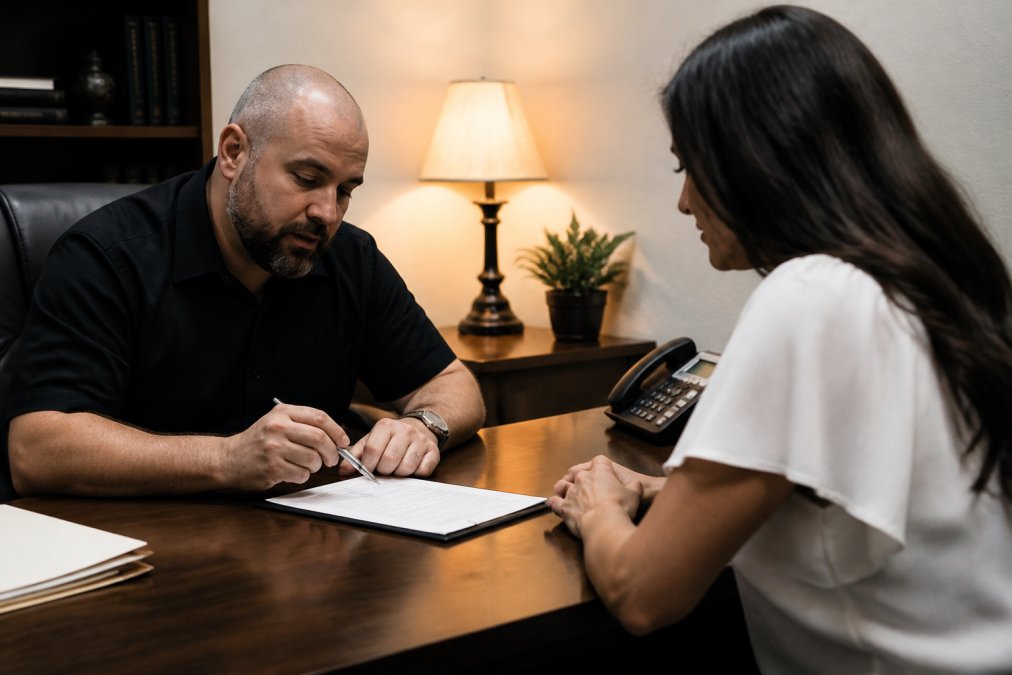
The Role of a Bail Agent in Securing Pretrial Release
A licensed bail agent verifies booking information, completes required bond paperwork, coordinates with jail staff, and walks the family through each step of the process. A reputable agent will explain the defendant's release conditions clearly, so there are no surprises.
One thing to watch out for: scam operations posing as legitimate bail agents. Legitimate bondsmen are licensed by the state, have a physical office location, and will never ask for payment in gift cards, cryptocurrency, or wire transfers to an untraceable account. National Bail Bond of Lubbock maintains a physical office and is available 24/7, including late nights and weekends, because arrests don't happen on a schedule.
What Happens After the Surety Bond Is Filed
Once the bond paperwork is filed with the jail, the release process begins. Most defendants are released within a few hours of the bond being posted, though some facilities take longer during peak hours. The defendant will receive release conditions from the court, which may include check-ins, travel restrictions, or other requirements. Violating those conditions can result in the bond being revoked and the defendant returned to custody.
How Much Do Bail Bonds Cost and What Fees to Expect
The bail bond premium rate is set by the Texas Department of Insurance and calculated as a percentage of the total bail amount set by the court. This fee is non-refundable. Even if charges are dropped the next day, the premium is earned by the agent for the service of posting the bond.
For specific current rates that apply to your situation, contact National Bail Bond of Lubbock directly. Always ask for a written breakdown before signing anything.
Bail Bond Payment Plans: Spreading the Cost Over Time
Even the regulated premium can be a significant sum when bail is set high. Many licensed bail agents offer bail bond payment plans that allow families to pay the premium over time rather than in one lump sum.
A typical payment plan structure works like this:
| Plan Element | What to Expect |
|---|---|
| Down payment | A portion of the premium due at signing |
| Payment schedule | Weekly or monthly installments |
| Collateral requirement | May be required for larger bonds |
| Credit check | Some agents require it; others do not |
| Co-signer | Often required for payment plans |
The co-signer on a payment plan takes on real legal responsibility. If the defendant fails to appear, the co-signer may be liable for the remaining premium and any recovery costs. Before agreeing to co-sign, understand exactly what you're committing to.
Ask your agent directly whether a payment plan is available and what the terms are. Get everything in writing before the bond is posted.
Using Collateral for Bail Bonds When Cash Is Short
Collateral for bail bonds is property pledged to the bail agent as security against the risk of the defendant failing to appear. If the defendant skips their court date and the bond is forfeited, the agent can claim the collateral to recover their loss.
Common types of collateral include real estate, vehicles with clear titles, jewelry with documented appraisals, and bank accounts or certificates of deposit. The value of the collateral must typically equal or exceed the full bail amount, not just the premium. The agent holds a lien on the property for the duration of the case. Once the case concludes and all court appearances are met, the lien is released and the property is returned. (Source: Texas Department of Insurance regulations)
Collateral is returned in full when the case closes, as long as the defendant appeared at every required court date. This is different from the premium, which is never refunded.
Alternatives to Paying Bail With No Cash
Bail bonds aren't the only path to pretrial release. Courts have several mechanisms for releasing defendants without requiring a money bond, particularly for non-violent offenses and defendants with strong community ties.
Release on Own Recognizance
Release on own recognizance (commonly called OR release) means the court releases the defendant based on a signed promise to appear, with no money required upfront. OR release is more likely when the defendant has no prior failures to appear, the charge is a misdemeanor or low-level non-violent offense, the defendant has stable employment and community ties, and there's no identified flight risk.
An attorney or public defender can formally request OR release at the initial bail hearing.
Supervised Release and Non-Monetary Conditions
Supervised release is a structured alternative to cash bail that places the defendant under monitoring rather than financial obligation. Courts may impose non-monetary conditions such as regular check-ins with a pretrial services officer, electronic monitoring or GPS ankle bracelet, mandatory drug or alcohol testing, travel restrictions, or no-contact orders with specific individuals.
According to the Pretrial Justice Institute's guidance on supervised release, supervised release programs have shown strong court appearance rates while reducing the burden of wealth-based detention on low-income defendants.
These conditions are set by the court, not negotiated with a bondsman. The public defender or private attorney must advocate for them at the bail hearing.
How to Petition the Court to Lower Bail: Step-by-Step
A bail reduction motion is a formal legal request asking the judge to lower the amount set at the initial hearing. This is one of the most effective tools available to indigent defendants, and it's underused because many families don't know it exists.
Here's how the process works:
- Request a bail hearing. The public defender or attorney files a motion for a bail reduction hearing. In Texas, this is typically heard within a few days of the initial arraignment.
- Gather supporting documentation. Evidence of employment, family ties, community involvement, and lack of prior criminal history all support the argument for lower bail.
- Demonstrate financial hardship. The court must understand that the current amount is effectively a detention order for this defendant. Documented income, expenses, and assets make the case concrete.
- Argue the statutory factors. Under Texas law, judges must weigh the defendant's ability to make bail, the nature of the offense, community safety, and the likelihood of appearance. A good attorney addresses each factor directly.
- Request specific alternatives. Ask for OR release, supervised release, or a reduced money bond. Giving the judge options increases the likelihood of relief.
- Attend the hearing prepared. The defendant (if present) and any supporting witnesses should be ready to speak. Character witnesses from the community can carry significant weight.
What to Tell Your Public Defender: A Quick Checklist
Most defendants rely on a public defender, especially when finances are already strained. Public defenders carry heavy caseloads. The more organized and direct you are, the better they can advocate for your loved one.
Use this checklist when communicating with the public defender:
- Provide the defendant's full legal name and booking number
- State clearly that the bail amount is unaffordable and why (specific income figures help)
- List all stable community ties: job, family, length of residence, children
- Note any prior court appearances the defendant has made without failure
- Ask explicitly whether a bail reduction motion will be filed
- Ask whether OR release or supervised release will be requested
- Request the date and time of the next bail hearing
- Ask what documentation the defender needs from the family
- Confirm how to reach the defender before the hearing if questions arise
Bail Reforms and Your Constitutional Rights as a Defendant
The Eighth Amendment to the U.S. Constitution prohibits excessive bail, though courts have interpreted this narrowly. The constitutional protection means bail cannot be set as a punitive measure or as a guaranteed detention tool, but it does not guarantee affordable bail.
As documented in the American Civil Liberties Union's bail reform resources, advocates argue that the current cash bail system disproportionately affects low-income defendants and those from marginalized communities, creating a two-tiered system where pretrial freedom is determined by financial resources rather than risk.
Several states have enacted significant bail reforms. New Jersey moved to a largely non-monetary pretrial system in 2017. Illinois eliminated cash bail entirely in 2023 under the Pretrial Fairness Act. Texas has seen ongoing legislative debate but has not enacted statewide elimination of cash bail.
What this means for defendants right now:
- Due process rights require that bail hearings happen promptly after arrest
- The right to counsel means a public defender must be appointed if the defendant cannot afford an attorney
- Bail reduction motions are a constitutional mechanism available in every jurisdiction
- Pretrial detention for inability to pay, without a hearing, raises due process concerns that attorneys can challenge
Understanding these rights doesn't replace competent legal representation. It gives you the vocabulary to ask the right questions and recognize when those rights are being ignored.
Facing an unexpected arrest is disorienting, and the pressure to act quickly makes it easy to make costly mistakes. National Bail Bond of Lubbock has over 50 years of experience helping families in Lubbock and Hockley Counties navigate the bail process with clarity and without getting taken advantage of. Our team is available 24/7, operates from a physical office, and walks every client through the paperwork from start to finish. If your family member is in custody and paying bail with no cash feels impossible right now, call us directly and let's figure out the right path forward together.
Frequently Asked Questions
Can you get out of jail with no bail money at all?
Yes. Several options exist for defendants who cannot afford cash bail. A licensed bail agent can post a surety bond on your behalf in exchange for a fee. A judge may also grant release on your own recognizance, meaning no money changes hands. For indigent defendants, a public defender can file a bail reduction motion asking the court to lower the amount or impose non-monetary release conditions such as check-ins or electronic monitoring. The right path depends on the charge, the bail amount set, and your financial resources.
What is the difference between a cash bond and a surety bond?
A cash bond requires the full bail amount to be paid directly to the court in cash before release. A surety bond involves a licensed bail agent who guarantees the full amount to the court on the defendant's behalf. In exchange, the defendant or their family pays the bail agent a fee, which is a percentage of the total bail. The agent takes on the financial risk if the defendant fails to appear at their court date. For most people facing high bail amounts, a surety bond is the more accessible option.
Are there payment plans available for bail bonds?
Many licensed bail bond companies offer bail bond payment plans that allow families to spread the cost over time rather than paying the full fee upfront. Terms vary by provider and depend on factors such as the total bail amount, the defendant's charge, and the financial situation of whoever is co-signing the bond. Ask any bondsman you contact about payment plan options before signing anything. Always get the repayment terms in writing and confirm there are no hidden fees before agreeing to an arrangement.
Can a judge release someone on their own recognizance?
Yes. A judge has the judicial discretion to grant release on own recognizance, often called an OR release, which means the defendant is freed without posting any money bond. The court relies on a written promise that the defendant will appear at every scheduled court date. OR release is more common in misdemeanor cases or when the defendant has strong community ties, stable employment, and no prior failures to appear. A public defender can argue for OR release at a bail hearing, especially when the defendant is an indigent defendant with limited financial resources.
This article was written using GrandRanker