 how-to
Why Use a Professional Bail Bondsman: 2026 Guide
Table of Contents
- What a Professional Bail Bondsman Actually Does
- The Bail Bond Process Explained Step by Step
- How Much Does a Bail Bond Cost
- Paying Cash Bail vs. Using a Bail Bondsman
- How to Find a Reputable Bail Bondsman
- Jurisdictional Variations You Should Know
- Conclusion
Last Updated: August 21, 2026
What a Professional Bail Bondsman Actually Does
A professional bail bondsman is a licensed surety agent who posts bail on behalf of a defendant in exchange for a fee, guaranteeing to the court that the defendant will appear at all scheduled hearings. When someone you care about is sitting in a county jail, the difference between knowing how this works and not knowing can mean hours, or days, behind bars.
At National Bail Bond of Lubbock, we've spent over 50 years working inside the criminal justice system, and the question we hear most often is the same one: "What exactly does a bondsman do?" The short answer is that a bail bondsman acts as a financial guarantor between a defendant and the court. The longer answer involves surety bonds, indemnity agreements, and legal obligations that every family member signing on the dotted line needs to understand before they sign.

The Surety Bond Explained
A surety bond is a three-party agreement between the defendant, the bail bondsman, and the court. The bondsman pledges the full bond amount to the court, the defendant is released from custody pending trial, and the bondsman takes on the financial risk that the defendant will appear at every required court date.
The bondsman doesn't put up cash from a personal bank account. Instead, they work with an insurance company, called a surety, that backs the bond. This is why bail bond agents must be licensed both as bail agents and as representatives of an approved surety insurer. The surety bond is the mechanism that makes pre-trial release possible without the defendant or their family paying the full bail amount upfront.
Your Legal Obligations as a Co-Signer
Here's the part most guides skim over, and it's the part that matters most financially.
When you co-sign a bail bond, also called acting as a guarantor or indemnitor, you are accepting personal legal responsibility for the defendant's court appearances. If the defendant fails to appear, you can be held liable for the full bond amount. That's not a technicality. That's a binding indemnity agreement with real financial consequences.
Co-signers should understand these obligations before signing:
- You are guaranteeing the defendant will appear at all required court dates
- You may be required to provide collateral to secure the bond
- If the defendant flees, you could lose that collateral and still owe the full bond amount
- You have the legal right to surrender the defendant back to custody if you believe they will not comply
This is serious. A bail bondsman who doesn't explain this clearly before you sign is not doing their job.
The Bail Bond Process Explained Step by Step
The bail bond process explained simply: after an arrest, a judge sets a bail amount, a bondsman posts a surety bond for a fee, and the defendant is released until trial. In practice, the steps between arrest and release involve specific procedures that move faster when you know what to expect.
From Arrest to Arraignment
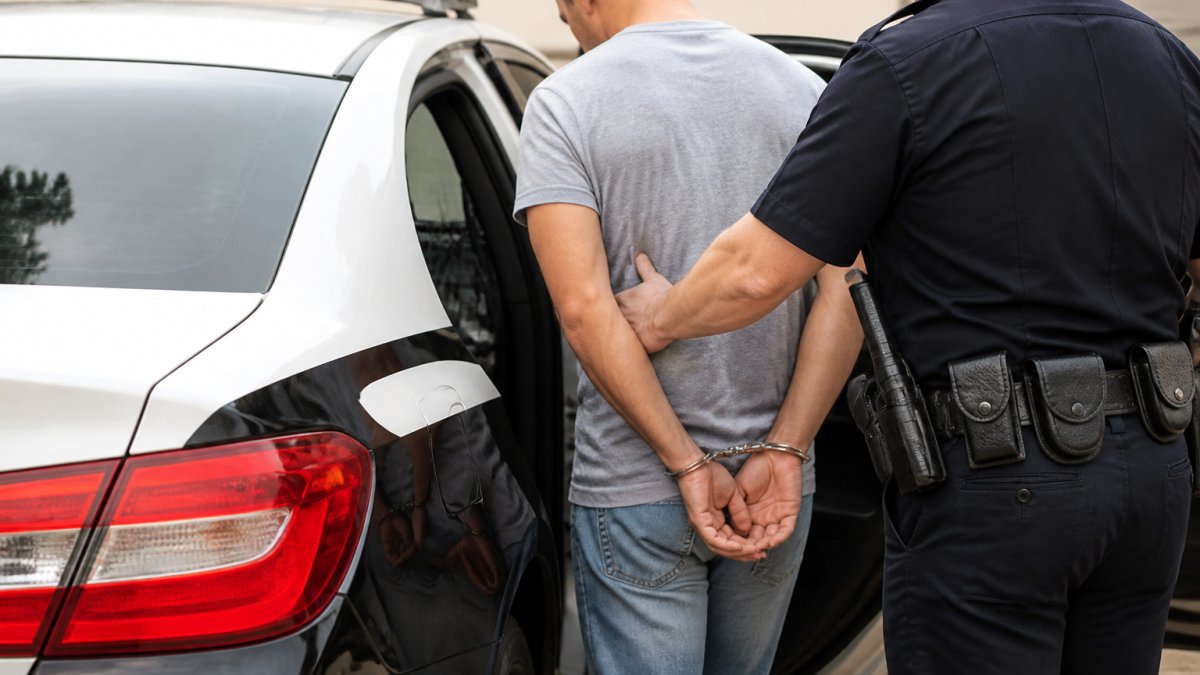
- Arrest and booking, The defendant is taken into custody, fingerprinted, photographed, and processed. This is when the booking number is assigned.
- Bail hearing or bail schedule, A judge sets bail at arraignment, or the jail releases a bail schedule showing standard amounts for common charges. Serious offenses typically require a formal hearing.
- Contact a bondsman, Once bail is set, you or the defendant can contact a licensed bail bondsman. You'll need the defendant's full legal name, booking number, the jail they're held in, and the bail amount.
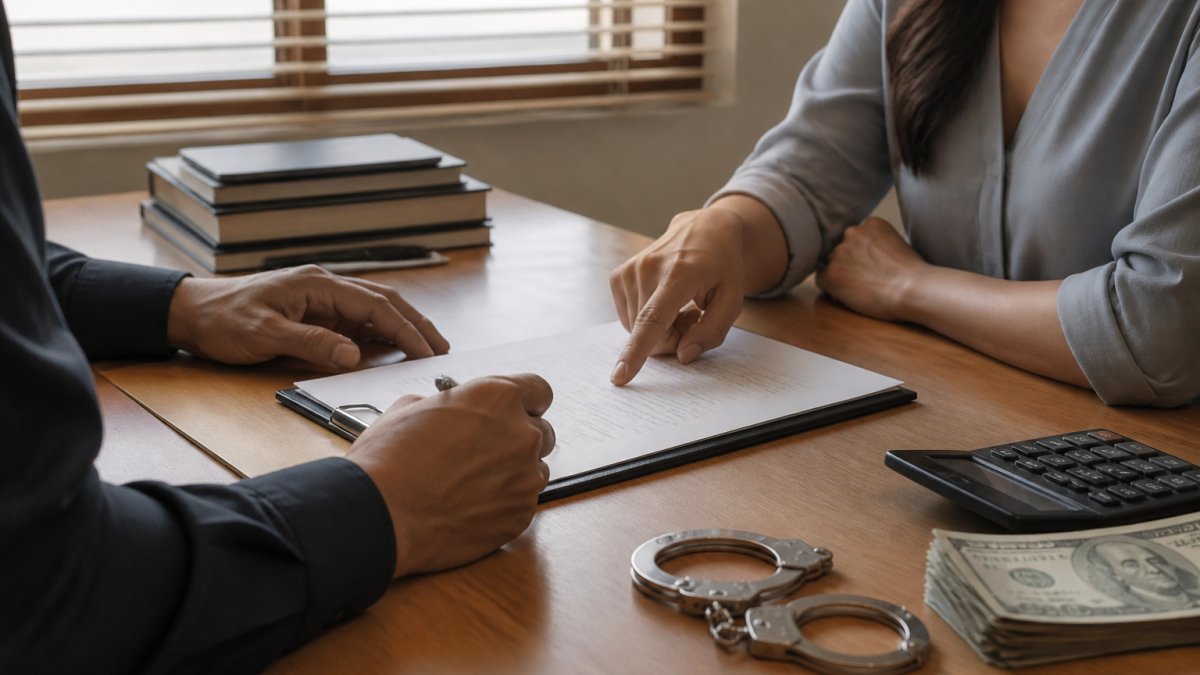
- Sign the indemnity agreement, The co-signer reviews and signs the agreement, pays the premium fee, and provides any required collateral.
- Bond is posted, The bondsman files the surety bond with the jail or court. Release typically follows within a few hours, though processing times vary by facility.
- Pre-trial release, The defendant is released and must comply with all court-mandated conditions until the case is resolved.
Don't worry about getting every detail of the booking information perfect when you call. A good bondsman will help you locate the information you need.
What Happens If the Defendant Fails to Appear
Failure to appear is the scenario nobody wants to think about, but every co-signer must understand before signing.
When a defendant misses a court date, the judge issues an arrest warrant and the bond enters forfeiture proceedings. The bondsman is then given a window, which varies by jurisdiction, to locate the defendant and return them to custody before the full bond amount is paid to the court.
This is where fugitive recovery agents, sometimes called bounty hunters, may become involved. A licensed bondsman has the legal authority to hire recovery agents to locate and apprehend a defendant who has skipped bail. If the defendant is returned within the forfeiture window, the bond may be reinstated. If not, the full bond amount is forfeited, and the co-signer's collateral is at risk.
The consequences of failure to appear extend to the defendant as well: an additional criminal charge, a new arrest warrant, and significantly higher bail, if bail is granted at all, at the next hearing.
How Much Does a Bail Bond Cost
The bail bond process involves two distinct costs: the non-refundable premium and any collateral required to secure the bond.
The Non-Refundable Premium and Collateral
The premium is the fee paid to the bondsman for posting the surety bond. In most states, this rate is set or regulated by state law. The premium is non-refundable, regardless of the outcome of the case, even if charges are dropped the day after release.
As documented in Texas Department of Insurance bail bond regulations, Texas regulates bail bond premiums and requires licensed agents to adhere to approved rate structures. Consult the current Texas Department of Insurance guidelines or ask your bondsman directly for the applicable rate.
Collateral is separate from the premium. For higher bond amounts or defendants considered a flight risk, the bondsman may require collateral, property, a vehicle, jewelry, or other assets, to secure the bond. If the defendant appears at all hearings and the case concludes, collateral is typically returned. If the defendant flees and the bond is forfeited, that collateral can be seized.
Financial Impact on Co-Signers and Guarantors
The financial impact on co-signers is where families routinely get blindsided.
Many co-signers assume their only exposure is the premium they paid upfront. That assumption is wrong. By signing the indemnity agreement, a co-signer takes on liability for the full bond amount if the defendant absconds. If a $50,000 bond is forfeited and the co-signer pledged their home as collateral, that home is at risk.
A practical decision matrix before co-signing:
| Question | If YES | If NO |
|---|---|---|
| Do you trust the defendant to appear in court? | Proceed cautiously | Reconsider co-signing |
| Can you absorb the full bond amount if forfeited? | Lower financial risk | High financial exposure |
| Has the defendant complied with past legal obligations? | Positive indicator | Significant red flag |
| Is the collateral pledged something you can afford to lose? | Acceptable risk | Do not pledge it |
Use this framework honestly. A co-signer who acts on loyalty alone without assessing financial risk is the person who ends up in financial hardship months later.
Paying Cash Bail vs. Using a Bail Bondsman
Cash bail means the full bail amount is paid directly to the court, in cash, before release. If the defendant appears at all required hearings, that money is returned at the end of the case, minus any court fees. If the defendant fails to appear, the cash is forfeited entirely.
Using a bail bondsman means paying a non-refundable premium for the bondsman to post the full amount on your behalf. You don't get the premium back, but you also don't need to produce the full bail amount out of pocket.
The practical comparison:
- Cash bail: Full amount required upfront; refundable if defendant appears; no third-party involvement
- Bail bond: Non-refundable premium only; bondsman posts the full amount; co-signer accepts legal liability
For most families, the choice isn't really a choice, producing the full bail amount in cash simply isn't possible on short notice. A bail bondsman provides access to pre-trial release that would otherwise be out of reach. The non-refundable premium is the cost of that access.
One angle most guides miss: for defendants who are almost certain to appear and whose families have significant liquid assets, cash bail can be the cheaper long-term option. For everyone else, a bail bond is the practical path.
How to Find a Reputable Bail Bondsman
Finding a reputable bail bondsman starts with one non-negotiable: verify that the bondsman holds a current, active license in your state before you pay anything.
Licensing and Regulatory Requirements
Bail bondsmen are regulated at the state level. In Texas, the Texas Department of Insurance licenses and regulates bail bond sureties, while the Office of Court Administration maintains oversight of bail bond boards in individual counties. According to Texas Occupations Code bail bond regulations, individuals acting as bail bond sureties must meet specific financial requirements, pass licensing examinations, and maintain active licensure to operate legally.
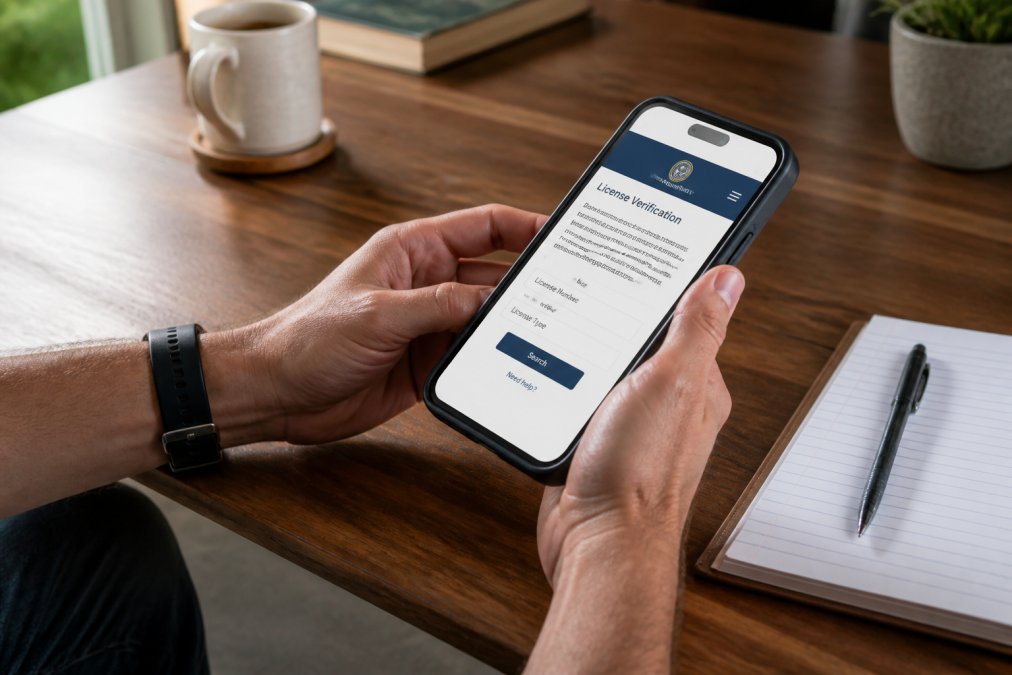
Before engaging any bondsman, ask for their license number and verify it directly through the state licensing database. A legitimate bondsman will provide this information without hesitation.
Red Flags and Common Bail Bond Scams
Bail bond scams target families at their most vulnerable, late at night, in a panic, with someone they love in custody. The tactics are predictable once you know them.
Red flags that indicate a scam:
- Requests for payment via gift cards, wire transfer, or cryptocurrency
- No physical office address or refusal to meet in person
- Pressure to sign documents immediately without time to read them
- Inability or unwillingness to provide a license number
- Unsolicited contact claiming your family member is in custody
Legitimate bondsmen accept standard payment methods, operate from a verifiable physical location, and will walk you through every document before you sign. National Bail Bond of Lubbock maintains a physical office and is available 24/7, because arrests don't happen on a schedule, and neither should access to legitimate help.
As the Federal Trade Commission consumer guidance on bail bond scams notes, consumers should be cautious of anyone demanding unusual payment methods or making guarantees that sound too good to be true.
Jurisdictional Variations You Should Know
Bail law is not uniform across the country. The rules that govern how bail is set, what a bondsman can charge, and whether commercial bail bonds are even permitted vary significantly by state and county.
A few important distinctions:
States without commercial bail bonds: Several states, including Illinois, Kentucky, Oregon, and Wisconsin, have abolished commercial bail bonding. In those states, defendants post cash or property directly with the court, or are released on their own recognizance. A bail bondsman operating in those states is operating illegally.
County-level bail schedules: Many counties publish a bail schedule, a predetermined list of bail amounts tied to specific charges. In other jurisdictions, bail is set individually at arraignment based on the judge's assessment of flight risk, criminal history, and community ties.
Forfeiture windows: The amount of time a bondsman has to locate a defendant after a failure to appear varies by state. Some states allow 90 days; others allow up to 180 days before the bond is fully forfeited. This directly affects the bondsman's ability to recover collateral and limits the co-signer's exposure window.
Collateral rules: Some states restrict what can be used as collateral for a bail bond. Real property, vehicles, and financial accounts are commonly accepted, but specific rules vary. Always ask your bondsman what collateral is permitted and what the release process looks like when the case concludes.
For authoritative guidance on how bail operates in your specific jurisdiction, the National Conference of State Legislatures bail reform overview provides a useful state-by-state reference on bail statutes and recent legislative changes.
Understanding these variations isn't just academic. A co-signer who doesn't know their state's forfeiture window doesn't know how long they're exposed. A defendant's family that doesn't know their county's bail schedule can't anticipate what bail might be set before the hearing.
Navigating a bail situation is stressful, and the paperwork and process can feel overwhelming when you've never done it before. National Bail Bond of Lubbock has over 50 years of experience working with defendants and their families through the criminal justice system. With 24/7 availability, a physical office location, and direct access to licensed bondsmen who will walk you through every step, the goal is to get your family member home as quickly as possible, without confusion and without scams. Contact National Bail Bond of Lubbock to get started.
Frequently Asked Questions
Is it better to pay the court directly or use a bail bondsman?
Paying the court directly means the full bail amount is tied up until the case concludes, which can take months. A bail bondsman requires only a fraction of that amount upfront, the non-refundable premium, freeing up the rest of your cash. For families who cannot cover a large bail amount out of pocket, a bondsman is often the only realistic path to pre-trial release. The trade-off is that the premium is not returned even if charges are dropped.
How do I verify if a bail bondsman is licensed and reputable?
Every bail bondsman must hold a valid license issued by the state's Department of Insurance. You can verify a license by searching the department's public online database using the agent's name or license number. A legitimate bondsman will never ask for payment in gift cards, cryptocurrency, or wire transfers to a personal account. They will have a physical office address, a listed phone number, and written documentation for every transaction. Ask for the license number before signing anything.
What are the consequences if a defendant fails to appear in court?
Missing a court date triggers bond forfeiture. The court issues an arrest warrant, and the full bail amount becomes immediately due from the surety. The bondsman may hire a fugitive recovery agent, commonly called a bounty hunter, to locate the defendant. As a co-signer, you risk losing any collateral you pledged, such as property or vehicles. Courts typically allow a window to surrender the defendant and seek exoneration of the forfeiture, but that window is limited and varies by jurisdiction.
How fast can a bail bondsman get someone released from jail?
Once the paperwork is signed and the premium is paid, most bondsmen submit the surety bond to the jail within hours. Actual release time depends on the jail's processing speed and how busy the booking facility is, not the bondsman. Some jails process releases within two to four hours; others can take longer, particularly overnight or on weekends. Choosing a bondsman available 24/7 ensures the paperwork is filed as soon as possible, rather than waiting until the next business day.
This article was written using GrandRanker