 how-to
24-Hour Bail Bonds: How to Secure Release Now
Table of Contents
- How 24-Hour Bail Bonds Work in Lubbock
- How to Post Bail in Texas: What You Need to Know
- Understanding Bail Bond Fees in Texas
- Lubbock County Jail Inmate Search and Booking Information
- Avoiding Bail Bond Scams: Verify Legitimate Services
- Your Rights During Arrest and Booking
- Navigating the Court System After Release
- Frequently Asked Questions
Last Updated: September 19, 2026
How 24-Hour Bail Bonds Work in Lubbock
A 24 hour bail bonds service provides immediate assistance when arrested, working directly with the jail to process release quickly, regardless of time of day. (Source: Texas Code of Criminal Procedure)
The Bail Bond Process Step by Step
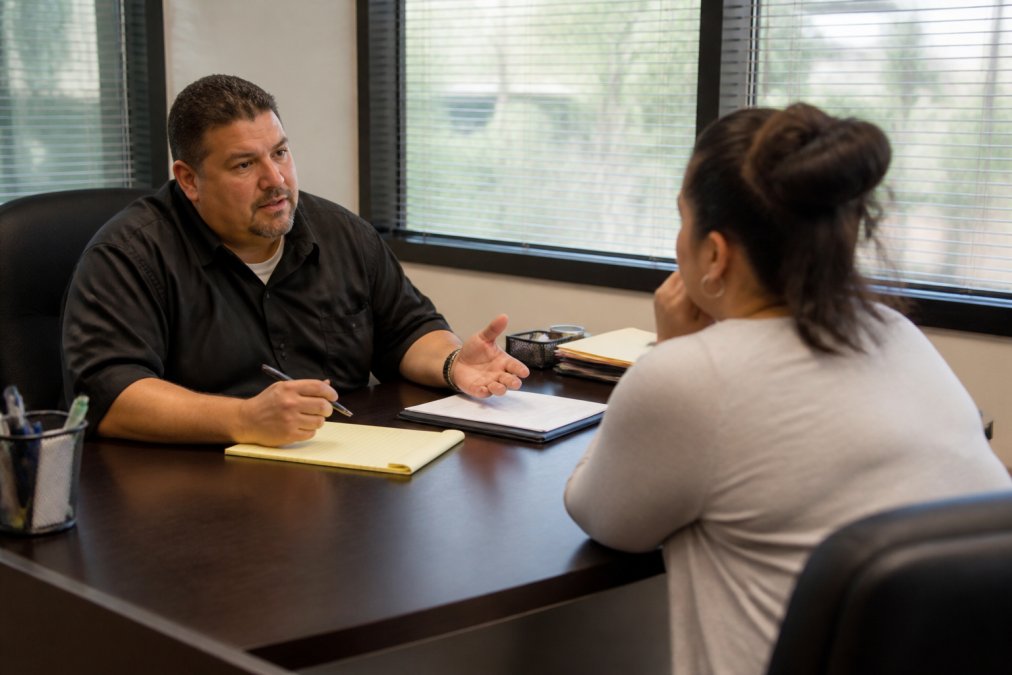
Contact a licensed bondsman with the defendant's full name, jail location, and bail amount. The bondsman searches jail records, explains the bail bond agreement and collateral requirements, then files the surety bond with the jail. Release typically occurs after bond posting, with instructions to appear at scheduled court dates.
Why 24/7 Availability Matters for Your Situation
Arrests don't follow business hours, someone arrested at midnight on Saturday could spend an extra two days in jail waiting until Monday. National Bail Bond of Lubbock is available around the clock to guide you through each step and help secure your family member's release.
How to Post Bail in Texas: What You Need to Know
Texas law allows bail to be posted through cash, property, or a surety bond. A surety bond, the most common option, involves a licensed bail bondsman who guarantees court appearance. You pay a non-refundable premium, typically a percentage of the total bail amount, that is not returned even if the defendant is acquitted or charges are dropped.
Bail Schedule and Bail Hearing Requirements
For misdemeanor offenses, bail is set by schedule without a hearing. For felony charges, a bail hearing must be held within 72 hours of arrest. The judge considers criminal history, community ties, employment, and charge severity. The defendant has the right to request lower bail, and an attorney can advocate for reasonable bail.
Documents and Information You'll Need
Have ready: the defendant's full legal name, date of birth, jail location, charges, and bail amount if known. The bondsman can help locate missing information through jail records. You'll typically need a government-issued ID, proof of residence, and co-signer information.
Understanding Bail Bond Fees in Texas
Bail bond fees in Texas are regulated by the Texas Department of Insurance. Understanding the cost structure is critical because families often confuse the premium (what you pay the bondsman) with the bail amount (what the court holds).
The Premium vs. The Bail Amount: What's the Difference?
When bail is set at $5,000, you pay the bondsman a non-refundable premium, typically 10-15% of the bail amount (approximately $500-$750). The bondsman posts the full $5,000 bail with the court on your behalf. The premium is not returned even if charges are dismissed or the defendant is acquitted.
How Collateral Secures the Bond
For some bail amounts, the bondsman may require collateral, a security interest in an asset that protects the bondsman if the defendant fails to appear.
Acceptable collateral includes:
- Real property (home equity or land)
- Vehicles (car, truck, motorcycle)
- Jewelry, electronics, or other valuables
- Bank accounts or savings
- Retirement accounts (in some cases)
Payment Plans: Making Bail Affordable
Many families cannot pay the premium upfront. Payment plans may be available to help spread the cost over time. Terms depend on the bondsman's policies. Payment plans do not reduce the total premium, they distribute the cost over time. Be direct about your financial situation.
What Happens If the Defendant Fails to Appear
If the defendant misses a court date, bail is forfeited to the court and the bondsman becomes liable for the full amount. The bondsman will pursue the defendant aggressively and may hire a bounty hunter. Collateral becomes subject to seizure.
Comparing Cash Bail vs. Surety Bond Costs
With cash bail, you post the full amount directly with the court, but it's tied up for the duration of the case. With a surety bond, you pay only the premium (10-15% of bail) and retain the rest for living expenses and legal fees.
Lubbock County Jail Inmate Search and Booking Information
The Lubbock County jail maintains an inmate database searchable online or by phone. Provide the person's full name and date of birth to find booking information, charges, and bail status. This information is essential when contacting a bail bondsman.
Finding Your Inmate and Gathering Details
Search as soon as possible after arrest. Gather the inmate's name, booking number, charges, and bail amount. If arrested for multiple charges, each may have a separate bail amount. Write down all details before calling a bail bondsman to prevent delays.
Jail Intake and Booking Process Timeline
Booking typically takes 2-4 hours and includes photographing, fingerprinting, and searching. Personal information and charges are entered into the jail system. For misdemeanor charges, bail is set by schedule. For felony charges, bail may be pending a hearing.
Avoiding Bail Bond Scams: Verify Legitimate Services
Scammers pose as bail bondsmen and demand payment through untraceable methods like gift cards, cryptocurrency, or wire transfers. Legitimate bail bondsmen never request payment this way. Verify any bondsman is licensed through the Texas Department of Insurance database. Ask for their license number and verify independently.
How to Confirm a Licensed Bail Bondsman
Verify license status through the Texas Department of Insurance database before contacting any service. Ask about experience, physical office location, and availability. National Bail Bond of Lubbock maintains a physical office in Lubbock and has over 50 years of experience.
Red Flags and Common Scam Tactics
Never pay through gift cards, cryptocurrency, wire transfers, or untraceable methods. Legitimate bondsmen accept cash, credit cards, or checks. Be suspicious of services that guarantee release or promise court outcomes, bondsmen can only post the bond and manage the case professionally.
Your Rights During Arrest and Booking
When arrested, you have the right to remain silent and the right to an attorney. You are not required to answer questions beyond providing your name and identification. During booking, you have the right to be treated with dignity, receive medical care if needed, and contact a family member or attorney.
Navigating the Court System After Release
Release on bail is not the end of the process, it is the beginning of your court obligations. Understanding what happens after release, what to expect at each court appearance, and how to protect your interests throughout the case is essential to avoiding new charges and ensuring the best possible outcome.
Your Immediate Obligations After Release
When released on bail, read your bail bond agreement carefully. It specifies court dates, travel restrictions, check-in requirements, electronic monitoring, and substance-testing requirements. Missing even one court date results in a bench warrant, forfeited bail, and additional failure-to-appear charges.
The Arraignment: Your First Court Appearance
At arraignment, the judge informs you of charges and asks how you plead: guilty (admits charges, results in conviction), not guilty (denies charges, proceeds to trial or negotiation), or no contest (judge treats as guilty for sentencing, but cannot be used in civil court).
Pre-Trial Motions and Discovery
Your attorney will file pre-trial motions and request discovery, police reports, witness statements, lab results, and recordings. Common motions include: motion to suppress illegally obtained evidence, motion to dismiss if charges lack legal basis, and discovery motions if prosecution fails to provide required evidence.
Plea Negotiations and Settlement Conferences
Your attorney negotiates with the prosecutor considering strength of evidence, your criminal history, mitigating circumstances, cooperation, and the judge's sentencing patterns. Before accepting a plea agreement, understand the charges, maximum sentence, prosecution's recommendation, collateral consequences, and likelihood of conviction at trial.
Trial Preparation and Courtroom Conduct
If your case proceeds to trial, your attorney will prepare you for testimony and courtroom procedures. You will review your testimony, discuss cross-examination tactics, and understand the rules of evidence.
During trial, maintain professional courtroom conduct:
- Arrive early and dress professionally (business casual or formal attire)
- Address the judge as "Your Honor"
- Do not interrupt the prosecutor or witnesses
- Answer questions directly and honestly
- Do not argue with the judge or jury
- Do not display emotional reactions to testimony
Sentencing and Post-Conviction Options
If you are convicted (by plea or trial verdict), the judge will schedule a sentencing hearing. At sentencing, your attorney can present mitigating evidence, character references, employment history, community ties, mental health evaluations, that supports a lighter sentence.
After sentencing, you have limited post-conviction options:
- Appeal - You can appeal the conviction if you believe legal errors occurred during trial. Appeals are expensive and time-consuming, and conviction reversal is rare.
- Motion for new trial - You can request a new trial if new evidence emerges or if your attorney was ineffective.
- Sentence modification - In some cases, you can petition the court to reduce your sentence after serving a portion of it.
Staying Compliant and Protecting Your Rights
Throughout the court process, maintain strict compliance with all bail conditions. Regular check-ins with your bail bondsman, staying within travel restrictions, and attending all court dates are non-negotiable. Any violation gives the court grounds to revoke bail and remand you into custody pending trial.
Frequently Asked Questions
Can you actually bail someone out 24 hours a day, even at night?
Yes. Professional bail bond services operate 24/7 specifically to help families when arrests happen outside business hours. When someone is booked into jail late at night or early morning, a licensed bail bondsman can begin the release process immediately. You don't have to wait until morning. Contact a bail bond agent right away with the inmate's name and booking information, and the process starts while you call.
How much will bail bond fees cost in Texas?
Bail bond fees in Texas are set by state law and vary based on the bail amount set by the court. The exact cost depends on the specific charges, criminal history, and bail schedule. Contact a licensed bail bondsman directly with the bail amount from the arrest paperwork. They can give you a clear breakdown of the premium you'll owe and explain any collateral requirements for your situation.
How do I know if a bail bondsman is actually licensed and legitimate?
Verify a bail bondsman's license through the Texas Department of Insurance, which oversees bail bond agents. Ask for their license number and confirm it directly with the state. Legitimate bondsmen will have a physical office location, provide clear written agreements, and never ask for payment via gift cards, cryptocurrency, or wire transfer to untraceable accounts. Be cautious of anyone who won't answer questions about fees upfront or pressures you to decide immediately.
What information do I need to have ready when I call about posting bail?
Have the inmate's full legal name, date of birth, and the charges available when you call. If you have the arrest report or booking number, that helps speed up the process. A bail bondsman will help you locate the exact bail amount through the Lubbock County jail system and guide you through what documents you'll need to sign. Don't worry if you don't have everything, a professional agent will walk you through gathering what's needed.
Getting arrested creates immediate pressure and difficult decisions. When you need 24 hour bail bonds services in Lubbock, National Bail Bond of Lubbock provides professional assistance available around the clock. With over 50 years of experience and a physical office location in Lubbock, we guide families through the bail process with clear communication and integrity. Contact us immediately after arrest to begin release procedures and receive expert guidance through every step of your case.