 how-to
Can You Meet a Bondsman Face to Face?
Table of Contents
- Can You Meet a Bail Bondsman Face to Face?
- How the Bail Bond Process Works
- In-Person Meetings vs. Remote Service
- What to Bring to a Bail Bondsman
- Questions to Ask a Bail Bondsman
- How to Verify a Bail Bondsman License
- Bail Bond Fees, Collateral, and Payment
- Protecting Yourself From Bail Bond Scams
- Frequently Asked Questions
Last Updated: October 21, 2026
Can You Meet a Bail Bondsman Face to Face?
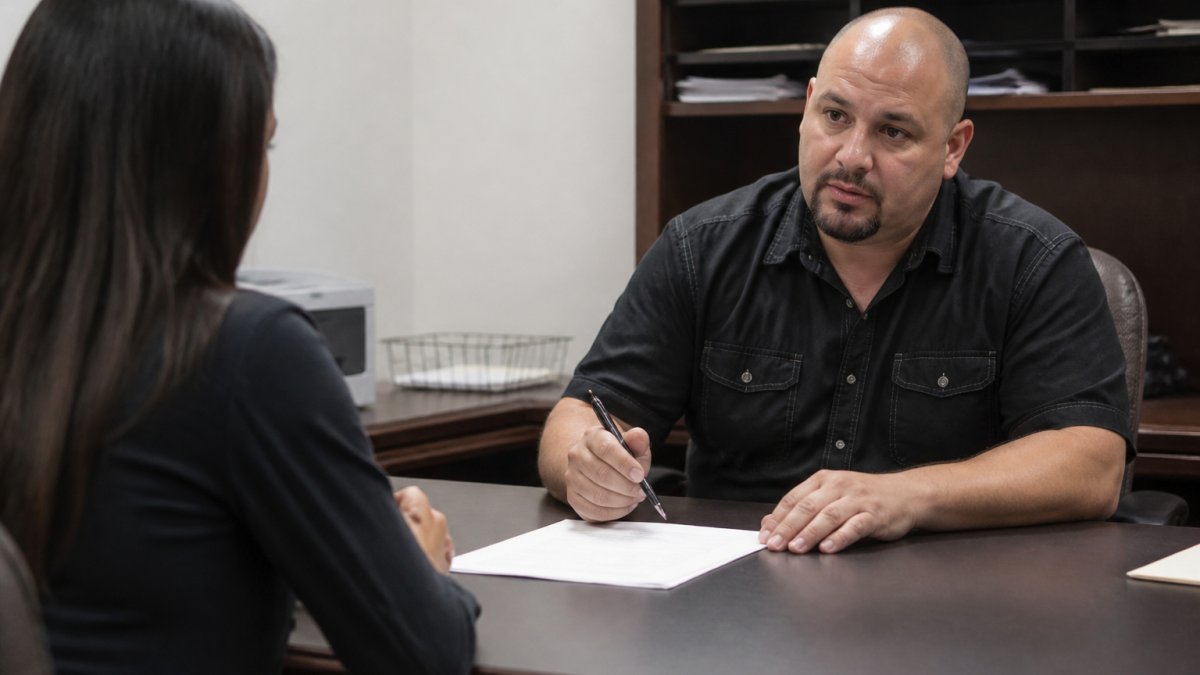
Yes, you can meet bondsman face to face. Many people prefer in-person meetings when arranging bail bonds because it builds trust and lets you ask questions directly.
The short answer is straightforward: most licensed bail bond agents will meet with you in person.
This guide covers everything you need to know about meeting a bail bondsman face to face, including where meetings happen, what to expect, how to prepare, and how to verify you're working with a legitimate licensed agent.
How the Bail Bond Process Works
A bail bond is a contract between you, the bail bondsman, and the court. When someone is arrested, the court sets a bail amount.
Here's how the basic process works:
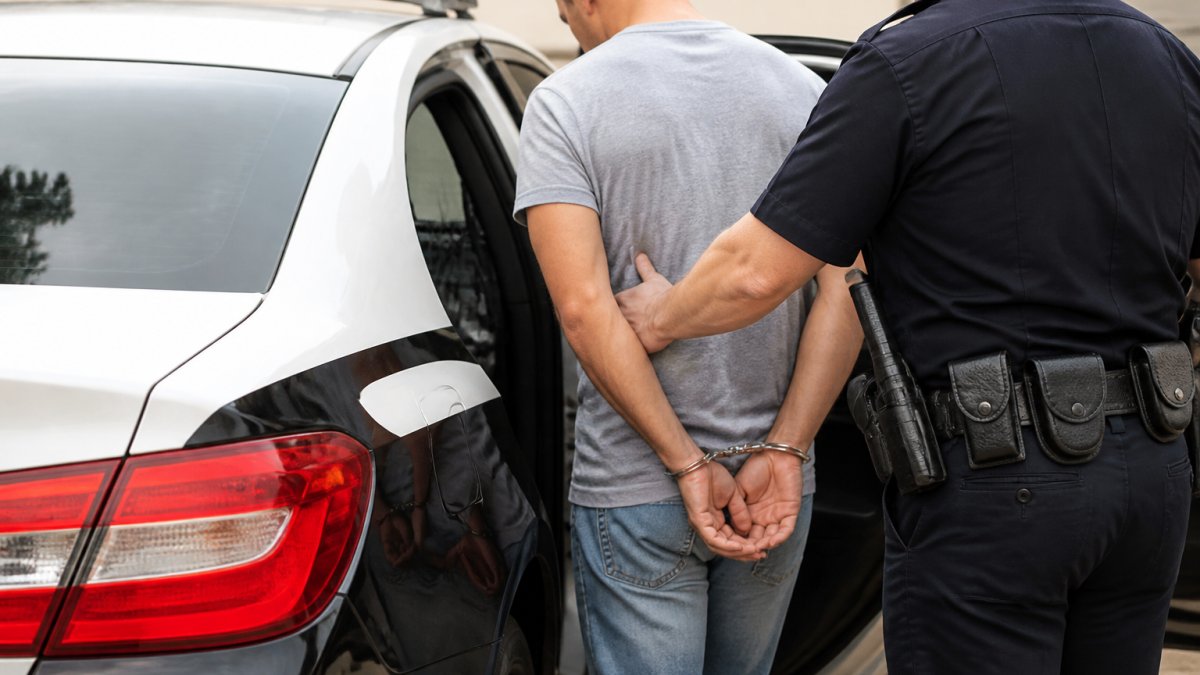
- Arrest and booking: The person is taken to jail and booked into the system
- Bail hearing: The judge sets a bail amount based on the charges and defendant's history
- Contact a bondsman: You call a bail bond agent to arrange a bond
- Sign paperwork: You sign a bond agreement and agree to the terms
- Post the bond: The bondsman posts the bond with the court
- Release: The defendant is released from jail
The bail bondsman acts as a licensed agent of an insurance company. They charge a fee (called a premium) for this service. Your responsibility is to make sure the defendant shows up for all court dates.
In-Person Meetings vs. Remote Service
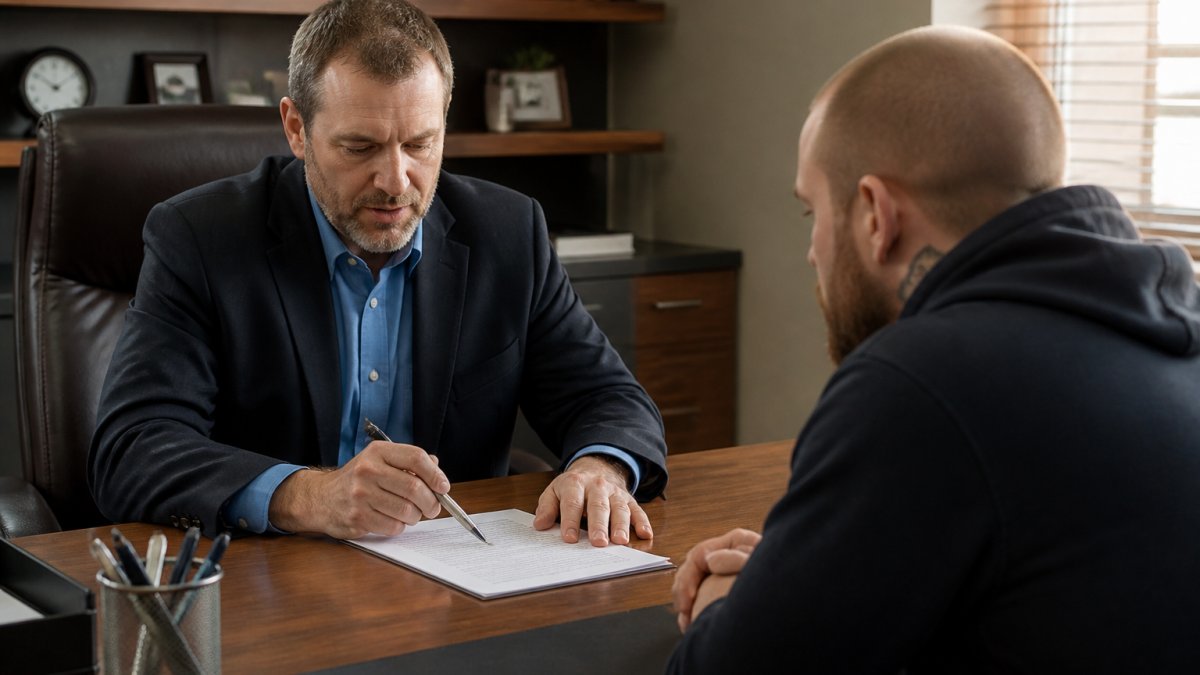
Many bail bond companies offer both in-person and remote options. You can handle some parts of the process by phone or online, but meeting face to face has real advantages.
In-person meetings give you:
- Direct communication with a licensed agent who can answer your questions
- Verification that you're working with a legitimate business, not a scam
- Ability to review documents before signing
- Faster processing in urgent situations
- Peace of mind during a stressful time
Remote service (phone, email, or online forms) works for some people, especially if you need quick help late at night. But if you want to verify the bondsman's credentials, ask detailed questions about fees and collateral, or feel more confident about the process, an in-person meeting is the better choice.
Where You Can Meet a Bail Bondsman
Licensed bail bondsmen typically meet clients at their office location. National Bail Bond of Lubbock has a physical office in Lubbock where you can meet with our agents during business hours.
If you're arranging bail for someone in Hockley County, you may need to travel to meet the bondsman, or they may offer to meet you at a neutral location. Always confirm the meeting location before you go.
Safe meeting locations include:
- The bondsman's official office
- Your attorney's office
- The county jail (in some cases)
- A public place during business hours
Never agree to meet a bondsman at a private residence or an unusual location. Legitimate bail bond agents conduct business from professional offices.
What Happens During an In-Person Meeting
When you meet bondsman face to face, expect the following:
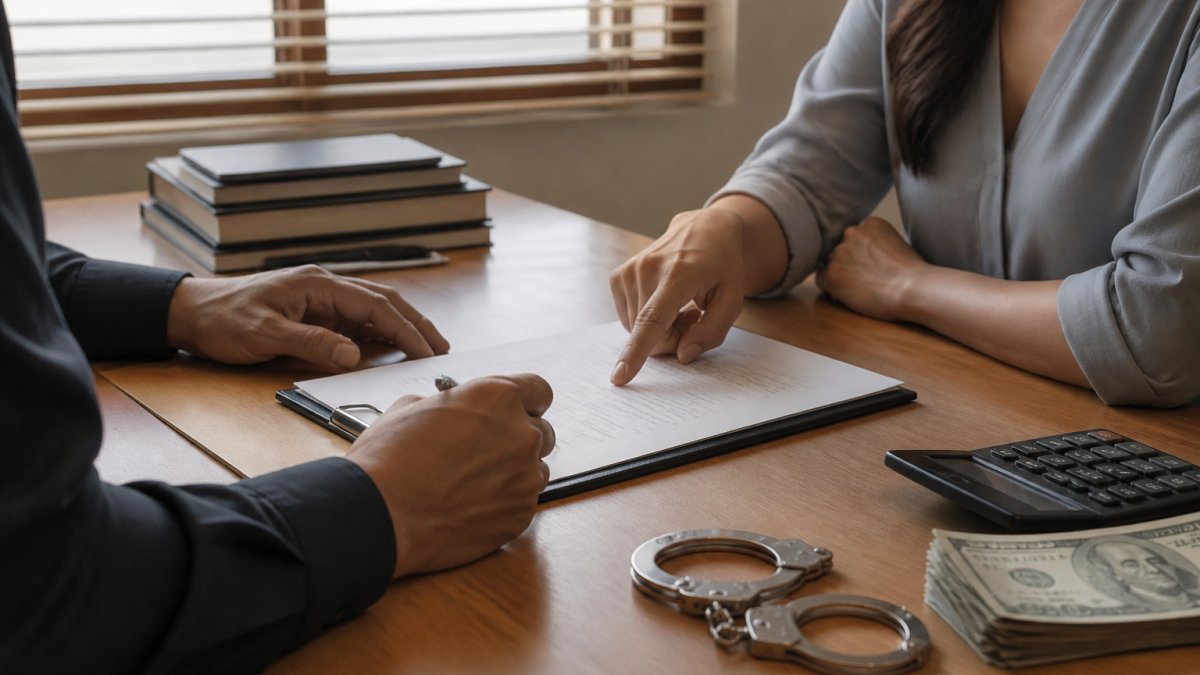
Document review: The bondsman will explain the bond agreement and show you all the paperwork you need to sign. Read everything carefully before signing.
Fee discussion: The agent will tell you the premium amount (usually 10-15% of the bail amount, though rates vary).
Collateral questions: If the bail amount is high, the bondsman may ask about collateral (property, vehicles, or other assets) to secure the bond.
Your obligations: The bondsman will explain your responsibilities as the person arranging the bond.
Timeline: Ask how long it takes to post the bond and when the defendant will be released.
This is your chance to ask any questions you have. Don't sign anything you don't understand.
What to Bring to a Bail Bondsman
Prepare before your meeting by gathering the right documents and information. This speeds up the process and helps avoid delays.
Bring these items:
- Photo ID: A valid driver's license or passport
- Proof of income: Recent pay stubs, tax returns, or bank statements
- Proof of residence: A utility bill or lease agreement
- Information about the defendant: Full legal name, date of birth, booking number, charges, and which jail they're in
- Contact information: Phone number and address for the defendant
- Collateral details: If offering property or assets as collateral, bring documentation (property deed, vehicle title, etc.)
- Insurance information: If applicable to the bond
Having this information ready means the bondsman can process your paperwork faster. The quicker the paperwork is done, the sooner your loved one can be released.
| Item | Why It's Needed | Where to Find It |
|---|---|---|
| Photo ID | Verify your identity | Driver's license or passport |
| Defendant's booking number | Locate the correct person in the system | Jail or police call |
| Proof of income | Show ability to pay the premium | Pay stubs or tax return |
| Collateral documentation | Secure the bond if needed | Property deed or vehicle title |
| Proof of residence | Confirm your address | Utility bill or lease |
Questions to Ask a Bail Bondsman
Before you sign anything, ask these important questions. A legitimate bondsman will answer them clearly.
About fees and payment:
- What is the premium percentage and total cost?
- What payment methods do you accept (cash, credit card, payment plan)?
- Are there any additional fees beyond the premium?
- Can I get a written breakdown of all costs?
About the process:
- How long does it take to post the bond after I sign?
- What happens if the defendant misses a court date?
- What are my responsibilities as the person who arranged the bond?
- Will you help me understand the court dates and deadlines?
About collateral:
- Do you need collateral for this bond amount?
- What happens to my collateral if the defendant appears in court?
- What happens if the defendant doesn't appear?
About their credentials:
- Can you show me your bail bondsman license?
- What insurance company are you bonded through?
- How long have you been in business?
- Do you have references from other clients?
A bondsman who won't answer these questions clearly is a red flag. Move on and find someone else.
How to Verify a Bail Bondsman License
Before you meet with anyone or sign paperwork, verify they're a legitimate licensed bail bondsman. This is the best protection against scams.
Steps to verify a bail bondsman:
-
Ask for their license number. A real bail bondsman will have an official state license. Ask them to show it to you.
-
Check the state licensing database. Contact the appropriate state or county authority to confirm the license is valid and current.
-
Verify the insurance company. Ask which insurance company backs their bonds. Call that company directly to confirm the bondsman is authorized to write bonds on their behalf.
-
Check for complaints. Search the Better Business Bureau and online reviews for complaints about the bondsman. One or two complaints is normal, but many complaints are a warning sign.
-
Look for a physical office. Visit their office location before meeting. A legitimate bail bond company has a real physical address, not just a phone number.
-
Ask for references. Request contact information for past clients (they may not give personal details, but they can confirm they've helped others).
Never work with someone who:
- Refuses to show a license
- Operates only by phone or online with no physical office
- Asks for payment by gift card, wire transfer, or cryptocurrency
- Promises to get someone out of jail without proper paperwork
- Won't explain fees clearly
National Bail Bond of Lubbock is a licensed bail bond company with over 50 years of experience serving Lubbock and Hockley Counties. We maintain a physical office and are available 24/7 to answer your questions.
Bail Bond Fees, Collateral, and Payment
Understanding the cost of a bail bond helps you make an informed decision and avoid surprises.
Bail bond fees (premium) are typically a percentage of the bail amount set by the court. The exact percentage varies by state and county.
Collateral is security the bondsman holds to ensure the defendant appears in court. Common forms of collateral include:
- Real estate (house or property)
- Vehicle titles
- Jewelry or valuables
- Bank accounts or savings
If the defendant appears in court as required, your collateral is returned. If they don't appear, the bondsman may keep the collateral to cover the bail amount.
Payment options vary by bondsman. Many accept:
- Cash
- Credit or debit cards
- Payment plans (if you can't pay the full premium upfront)
- Collateral in place of cash
Ask about payment plans when you meet with the bondsman. Some agents work with families who can't afford the full premium immediately.
Protecting Yourself From Bail Bond Scams
Scams are a real problem in the bail bond industry. Criminals pose as bail bondsmen to steal money from desperate families. Here's how to protect yourself.
Common bail bond scams:
- Fake bondsmen: Someone claims to be a bail bondsman but isn't licensed. They take your money and disappear.
- Gift card scams: The scammer tells you to pay the bond premium using gift cards (iTunes, Google Play, Amazon, etc.). No real bail bondsman asks for payment this way.
- Cryptocurrency scams: They demand payment in Bitcoin or other cryptocurrency. Legitimate bail bondsmen accept cash, checks, or credit cards.
- Upfront payment with no bond: They take your money but never actually post a bond with the court.
- Threatening messages: After taking your money, they send threatening messages demanding more money or threatening to hurt your family member.
How to avoid scams:
- Only work with licensed bail bondsmen you can verify
- Never pay by gift card, wire transfer, or cryptocurrency
- Always meet in person at a legitimate office before paying anything
- Ask for a written agreement that explains all fees
- Verify the bondsman's license before signing anything
- If something feels wrong, trust your instinct and find another bondsman
- Report suspected scams to local police and the Texas Attorney General
National Bail Bond of Lubbock prioritizes your safety. We offer clear guidance on how to verify legitimate bail bond services and protect yourself from scams. Our team works transparently with families to help them navigate the bail process without fear.
Arranging bail for a loved one is stressful, but you don't have to do it alone. Meeting a bail bondsman face to face gives you the confidence to make the right decision.
Frequently Asked Questions
Can I complete the bail bond process remotely, or do I have to meet a bondsman in person?
You can handle much of the bail bond process remotely by phone or online application, including providing the arrestee's information and discussing fees. However, many bail bondsmen require an in-person meeting to verify your identity, sign the bond agreement, and review your obligations before release. Some licensed agents offer flexible scheduling to accommodate urgent situations or accessibility needs. Contact your bondsman directly to ask whether they can meet you at the jail, their office, or another location that works for your situation.
What should I bring to a meeting with a bail bondsman?
Bring a valid government-issued ID, proof of residence (utility bill or lease), contact information for the arrestee, and any documents about the arrest or bail amount. If you're arranging a bond on behalf of someone else, have their full name, date of birth, booking number, and jail location ready. If you're providing collateral, bring documentation of that asset. Have payment information available and be prepared to discuss who will guarantee the bond and sign as a cosigner or indemnitor.
How can I verify that a bail bondsman is legitimate before meeting with them?
Check that the bondsman holds a current license issued by your state's insurance commissioner or regulatory body. Ask for their license number and verify it through your state's official licensing database. Legitimate bail bondsmen operate from established offices with verifiable phone numbers and physical addresses. Never conduct business with someone who solicits you via unsolicited calls, demands payment through gift cards or cryptocurrency, or refuses to provide identification and licensing information. Contact the appropriate regulatory body if you have questions about a bondsman's legitimacy.
What questions should I ask before signing a bail bond agreement?
Ask the bondsman to explain the total fee or premium you'll pay, what collateral is required, and what happens if the defendant fails to appear in court. Clarify your obligations as a cosigner, including whether you're responsible for reimbursing the bail bond company if the defendant doesn't show up. Ask about their 24/7 availability, how quickly they can arrange release, and whether they offer payment plans. Request a written copy of the bond agreement and all terms before you sign, and ask for contact information in case you have questions later.