 How-to
Bail Bond Documents in Texas: What to Gather First
Quick Summary
A bail bond application in Texas requires the defendant's full legal name, date of birth, jail location, charge, and bond amount, plus the applicant's own photo ID and contact details. Co-signers and collateral may require extra paperwork depending on the county and bond type.
- Confirm the exact name spelling and date of birth against the arrest record before calling.
- Booking numbers and cause numbers may not be available until booking or docketing is complete.
- Co-signers usually need a government photo ID, income proof, and a reference.
- Collateral paperwork, including property consent forms, can take longer, so start early.
- Verify a bondsman's Texas license before paying any premium or fee.
Table of Contents
- What a Bail Bond Application Involves in Texas
- Defendant Information and Booking Details to Gather
- Checklist for a Family Member Applying for a Defendant's Bond
- Co-Signer and Indemnitor Requirements
- Collateral Paperwork and Property Owner Consent
- The Bail Bond Application Process From Submission to Release
- Preparing Your Paperwork and Getting Help Right Away
- Frequently Asked Questions
What a Bail Bond Application Involves in Texas
A bail bond application is the consumer paperwork a licensed bail bond company uses to decide whether it will post bond for a defendant. In Texas, the application asks for facts about the person in jail, the case, and the people who will sign for the bond.
Many families assume there is one standard form. That is not quite true.
First, clear up a common mix-up. Search results for this topic often blend two very different processes:
- A consumer bail bond application, what a family member or friend fills out with a licensed bail bond company to get a defendant released. This is the process this article covers.
- A bondsman licensing application, the paperwork an individual files with the Texas Department of Insurance to become a licensed bail bond agent or to operate a bail bond company. That process involves fingerprints, a licensing exam, continuing education, and a surety company appointment. It is not how you get someone out of jail.
If you are trying to help a defendant, you want the consumer application.
Incomplete forms, incorrect dates of birth, and missing co-signer signatures are common reasons paperwork gets delayed.
The short answer: you need the defendant's identifying details, the booking and case information, and the applicant's own identity and contact information.
Use the sections below as a checklist. Gather each item before you call, and you will move faster.
Defendant Information and Booking Details to Gather
Start with the person in jail. The bond company needs enough detail to find the right record and match it to the correct case.
Collect these items first:
- Full legal name, exactly as it appears on the arrest record, including any middle name or suffix
- Date of birth
- Jail or detention facility name and the city where the person is held
- Booking number or inmate ID, if you have it
- Case or cause number, which the court or jail may list on paperwork you received
- Charge or offense description, as written on the arrest or booking sheet
- Bond amount set by the judge or magistrate
- Court name and the next court appearance date, if known
Many of these details appear on the jail's public inmate search. Check the name spelling carefully. A single wrong letter can send a bond company to the wrong record.
Watch out: Do not guess at a cause number or booking number. If you cannot confirm it, say so on the call.
Which Items Are Standard and Which Are Conditional
Not every item on that list is required in every case. Most bond companies ask for the defendant's name, date of birth, and jail location every time. The rest depends on the county, the bond type, and your circumstances.
Commonly requested in most applications:
- Defendant's full legal name and date of birth
- Jail or detention facility name
- Charge description and bond amount
- Applicant's government-issued photo ID and contact information
Conditional, depends on the county, bond type, or your situation:
- Booking or inmate number, helpful but not always available at the time you apply; some jails do not release it until booking is complete.
- Cause number, may not be assigned yet if the defendant has only seen a magistrate and not a judge.
- Court appearance date, often unknown until the case is docketed; the bond company may track this for you.
- Proof of income or employment, more likely required when the applicant is co-signing or paying on a payment plan.
- Collateral documents, requested when the bond amount is high, the charge is serious, or the applicant has limited credit history with the company.
- Proof of relationship to the defendant, some companies ask for it; many do not.
- References, more common for first-time applicants or larger bonds.
Why County and Bond Type Change the List
Jail intake procedures, bond schedules, and magistrate timelines vary from county to county, so requirements differ by location. A personal bond (PR bond) set by a magistrate may require no surety paperwork, while a surety bond through a licensed company typically requires a full application and co-signer.
Bond type matters too:
- Surety bond, the full consumer application, co-signer, and often collateral.
- Cash bond, you post the full amount with the court; the bail bond company is not involved.
- Personal recognizance bond, the defendant signs a promise to appear; no premium is paid, but the court sets the conditions.
- Attorney bond, some courts allow an attorney to post; paperwork runs through the attorney, not a bondsman.
How to Confirm What Your County Requires
The fastest way to avoid a second trip is to confirm requirements before you gather documents. Call the county jail's bonding or intake line and ask what the bondsman will need to post.
Keep a written list of what each source tells you, along with the date and the name of the person you spoke with.
The table below lists the details a bond company typically needs, and whether each one is standard or conditional.
| Item | Status | Note |
|---|---|---|
| Defendant's full legal name | Standard | Exactly as on the arrest record |
| Date of birth | Standard | Used to match the correct record |
| Jail or detention facility | Standard | Name and city where the person is held |
| Booking or inmate number | Conditional | Not always released until booking is complete |
| Cause number | Conditional | May not be assigned before a judge sees the case |
| Court appearance date | Conditional | Often unknown until the case is docketed |
| Charge and bond amount | Standard | Copy as written on booking sheet |
| Proof of income or employment | Conditional | More likely for co-signers or payment plans |
Checklist for a Family Member Applying for a Defendant's Bond
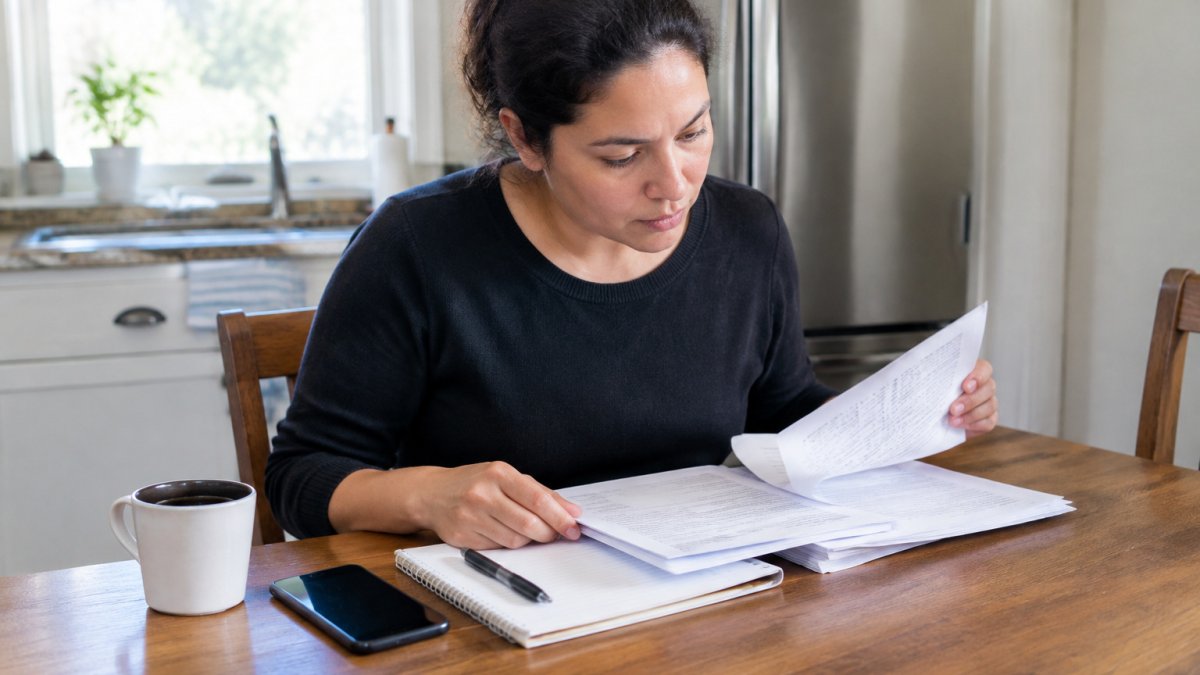
If you are a family member acting on someone's behalf, use this list before you call a bond company:
- Defendant's full legal name and date of birth
- Jail name and booking or inmate number
- Charge description and bond amount
- Court name and cause number, if available
- Your own full legal name, phone number, and home address
- A government-issued photo ID (driver's license or state ID)
- Proof of your relationship to the defendant, if the company asks for it
- Your income source and employer name, if you will be paying or co-signing
- A payment method the company accepts, such as a cashier's check or card
- A list of questions to ask before you sign anything
Keep copies of everything you submit. Write down the name of each person you speak with and the time of the call. These notes help if a question comes up later.
Co-Signer and Indemnitor Requirements
Many bail bonds need a co-signer, also called an indemnitor. This person promises to make sure the bond is paid if the defendant does not appear in court.
A co-signer usually needs to provide: Learn what co-signer responsibilities involve in Texas
- Full legal name, date of birth, and address
- A valid government-issued photo ID
- Proof of income or employment, such as recent pay stubs or an employer's name and phone number
- Contact information for at least one reference
Some bond companies also ask for a list of assets or a recent bank statement.
Common mistake: Co-signers often assume the bond only costs money if the defendant skips court.
Collateral Paperwork and Property Owner Consent
Some bonds require collateral, which is property or money that secures the bond. Collateral paperwork can take longer than the rest of the application, so start early if this applies to you.
Typical collateral documents include:
- A property deed or proof of ownership
- The current property tax statement
- A written consent form signed by the property owner, if the owner is not the applicant
- Title or registration for a vehicle, if the vehicle is used as collateral
- Documentation for any cash or cashier's check used as security
If the property belongs to someone else, that owner must usually sign to agree to the lien. Their signature should be notarized in many cases.
Not all collateral is property. Ask the company which forms of collateral it accepts and what paperwork each one requires.
The Bail Bond Application Process From Submission to Release
Once you have gathered your documents, the process generally moves through these steps:
- Contact the bond company and share the defendant's details.
- Complete the application form with accurate information for every field.
- Submit identification and supporting documents for the applicant and any co-signer.
- Review and sign the bond agreement, reading each section before you sign.
- Pay the premium and any fees, which the company will explain in advance.
- Wait for approval and posting. Processing time depends on paperwork accuracy and jail procedures.
- Confirm release with the jail or the company once the defendant is out.
Approval delays usually come from missing signatures, mismatched names, or incomplete collateral paperwork. Each of these is avoidable with a careful review before you submit.
Protect your personal information. Give your Social Security number, bank details, and ID copies only to the company you have verified. Be cautious of anyone who asks for payment by gift card or cryptocurrency. Legitimate bail bond companies are licensed in Texas, and it is reasonable to verify a bondsman's license before you pay.
Preparing Your Paperwork and Getting Help Right Away
Time matters when someone is in jail. Gather your documents now, even before you decide which company to use. A complete packet lets the company begin work as soon as you call.
Here is a quick final checklist:
- Defendant's full name, date of birth, and booking details
- Case or cause number and bond amount
- Your ID, contact information, and proof of income
- Co-signer or collateral documents, if required
- Payment method and a list of questions
If you have questions about your specific case, NATIONAL BAIL BOND OF LUBBOCK can walk you through each form and tell you what your county requires. Contact us directly to start right away. We are available around the clock to help families in Lubbock and Hockley Counties start the process without guesswork.
Frequently Asked Questions
Do you need good credit to get a bail bond?
Not always. Many bail bond companies in Texas look at income, employment, and the strength of the co-signer or indemnitor rather than a credit score alone. Each company sets its own underwriting standards, so ask what they review before you submit paperwork. Bring proof of income and steady employment if you have it, since these documents often matter more than credit history. Requirements for co-signers and collateral can vary, and the bondsman will explain what your application needs.
What documents are needed to bail someone out of jail?
Most applications for a bail bond in Texas require the defendant's full legal name, date of birth, booking information, the cause number, the charge, and the bond amount. The applicant usually provides a government-issued photo ID, proof of address, and proof of income or employment. A co-signer or indemnitor typically supplies their own identification and signature on the agreement. If collateral is used, property records and the owner's written consent are also needed. Confirm the exact list with the bail bond company before you go in.
Does a bail bond application require a co-signer?
Many Texas bail bond applications require at least one co-signer or indemnitor, who agrees to be financially responsible if the defendant fails to appear in court. Whether one is needed depends on the bond amount, the defendant's history, and the company's requirements. A co-signer generally must be an adult with valid identification and verifiable income. Read the agreement carefully before signing, because the co-signer can be held liable for the full bond amount if the defendant does not appear.
Can I apply for a bail bond without the defendant's booking number?
It is often harder, but you can still start the process. The booking number, sometimes called the SPN, helps the bondsman locate the defendant's record quickly. If you do not have it, provide the defendant's full legal name, date of birth, and the jail or county where they are held. Call the facility to confirm details. Accurate information speeds approval, so verify each detail before submitting.