 How-to
How to Get Your Collateral Back After a Bail Bond Case
Quick Summary
You can get collateral back once the bail bond is fully discharged, which usually means the case was dismissed or resolved and the court has formally exonerated the bond. Confirm both the case closure and the exoneration order, then request the return from your bondsman in writing with supporting documents.
- Confirm the case disposition through the court clerk or online records before requesting anything.
- Get a written exoneration order from the court, since bondsmen often need it before releasing property.
- Submit a written request to the bondsman and keep a copy with the date sent.
- Check your bond contract for fees or deductions that can delay or reduce the return.
- Do not sign a release form until you have read it and confirmed what you are giving up.
Table of Contents
- When Bail Bond Collateral Is Eligible for Return
- Confirming the Case Is Closed and the Bond Is Exonerated
- How to Get Collateral Back From a Bail Bondsman Step by Step
- The Bail Bond Collateral Return Process by Collateral Type
- Reading Your Bail Bond Collateral Agreement
- What to Do If a Bail Bondsman Will Not Return Collateral
- Booking Your Collateral Return Request With National Bail Bond of Lubbock
- Frequently Asked Questions
When Bail Bond Collateral Is Eligible for Return
Last Updated: November 22, 2026
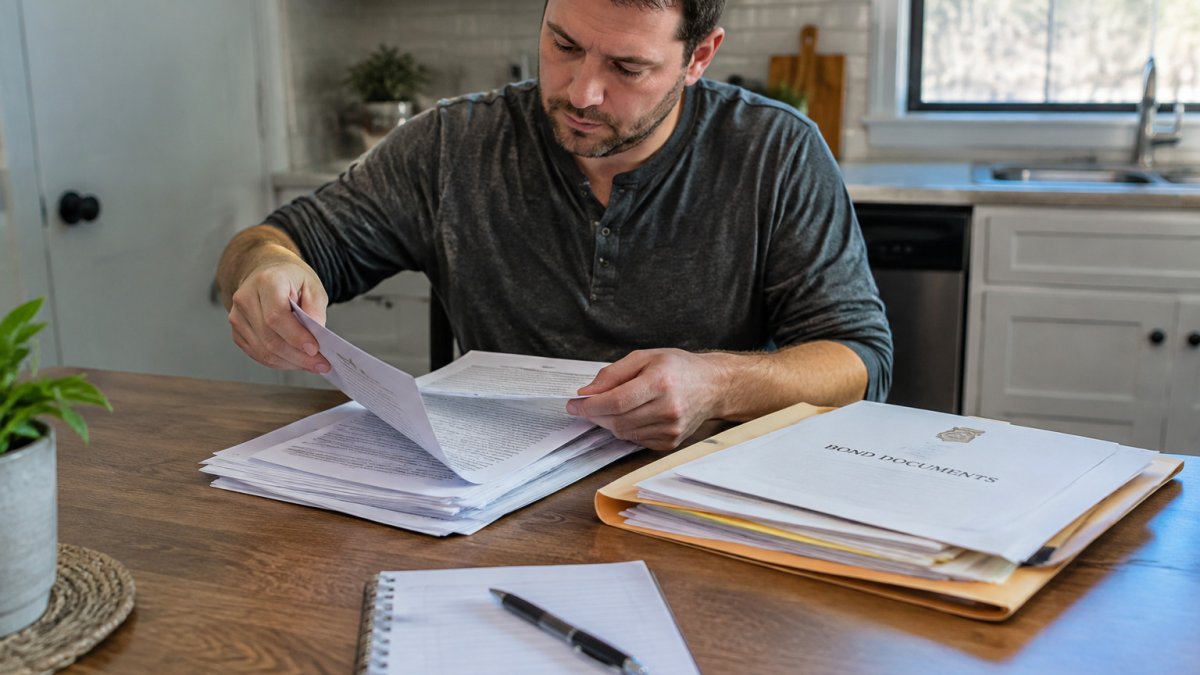
Collateral is usually returned once the bail bond is fully discharged, which generally happens when the case is dismissed, resolved, or the defendant is otherwise released from the bond's obligations. Learn how bail bond refunds work after a case is dismissed so you know what to expect.
Collateral is typically held against the bond itself, which means it stays with the bondsman until the bond's obligations end.
Common reasons collateral becomes eligible for return include:
- The case was dismissed by the prosecutor or the court
- The defendant was found not guilty
- The case was resolved, including by plea, and the bond was discharged
A few situations change the outcome. If the defendant missed a court date, the bond may have been forfeited, and collateral can be kept or used to cover the forfeiture amount.
Watch out: Do not assume collateral is automatically returned at case closure. Ask your bondsman for written confirmation that the bond is exonerated before you expect property back.
Confirming the Case Is Closed and the Bond Is Exonerated
Before you request your collateral, confirm two things: that the criminal case is closed, and that the bond has been formally exonerated. Those are two separate steps, and the bondsman usually cannot release property until both are documented.
Start by checking the case status through the court clerk's office or the court's online records system. Look for a disposition such as dismissed, acquitted, or resolved.
Next, confirm exoneration. A bond is exonerated when the court formally releases the bond obligation.
Keep these documents together:
- The case disposition or dismissal order
- The bond exoneration order or release
- The original bond paperwork and receipts
Confirming these details first prevents delays. Before you hand anything over, review the questions to ask before hiring a bail bond agent to confirm you are dealing with a reliable company.
How to Get Collateral Back From a Bail Bondsman Step by Step
Follow these steps in order to request your collateral back:
- Confirm the case is closed. Check the court record for a final disposition.
- Confirm exoneration. Get the court's written order showing the bond is released.
- Gather your documents. Collect the items listed below.
- Contact the bail bond company. Call or visit the office and state that you want to request collateral return.
- Submit a written request. Put your request in writing and keep a copy.
- Follow up. Ask for a timeline and check in if you do not hear back.
- Receive the collateral. Sign any release forms and confirm you received the property or funds.
Ask the bondsman how long the process takes. Processing times vary by company, so ask the bondsman for an expected timeline.
Documents You Need Before You Call
Have these documents ready before you contact the bondsman:
- Your identification
- The case number and court name
- The bond number and the original bond agreement
Written request template:
I am requesting the return of my collateral for bond number [bond number], case number [case number], [court name]. The case was [dismissed/resolved] on [date], and the bond was exonerated on [date].
Keep a copy of your request and note the date you sent it.
The steps below can be summarised as a quick reference, showing what to do at each stage and the timing involved.
| Step | What to do | Time or frequency |
|---|---|---|
| Confirm the case is closed | Check the court record for a final disposition | Before requesting collateral |
| Confirm exoneration | Get the court's written order showing the bond is released | Before requesting collateral |
| Gather your documents | Collect the items listed in the document checklist | Before contacting the bondsman |
| Contact the bail bond company | Call or visit and state you want collateral returned | Once documents are ready |
| Submit a written request | Put the request in writing and keep a copy | With your initial contact |
| Follow up | Ask for a timeline and check in if you hear nothing | Ask for expected timeline |
| Receive the collateral | Sign release forms and confirm receipt | When the bondsman is ready |
The Bail Bond Collateral Return Process by Collateral Type
Most guides treat collateral as a single category, but the release mechanics differ sharply by type. The steps below explain what actually has to happen before each kind of property is back in your hands, so you can spot a stalled return early.
Cash collateral
Cash posted directly with the bondsman is usually returned by company check or, less often, by reversal to the original payment method. Two things commonly delay a cash return: an outstanding balance under the bond contract (unpaid premium, transfer fees, or court costs the bondsman advanced) and a missing signed release. Ask for an itemized statement showing any deductions before you accept the check, and confirm whether the check is drawn on the agency or a third-party surety.
Vehicle titles
When a vehicle title is held as collateral, the bondsman typically holds the physical title or a lien notation. Release usually requires the title to be signed over and, if a lender or lienholder appears on the title, a lien release from that party. Confirm in writing whether the agency holds the original title or recorded a lien with the state motor vehicle agency; if a lien was recorded, a release must be filed before the title is clean.
Real estate and deeds of trust
Real estate collateral is the slowest to release because a deed of trust or mortgage lien must be reconveyed and the release recorded with the county recorder's office. The bondsman or the surety typically signs a release or reconveyance, which is then recorded; only after recording does the lien come off the property's chain of title. Ask for the recorder's document number and a copy of the recorded release, and confirm with your title company or lender that the lien has cleared.
Jewelry, equipment, and other tangible property
Items held in safekeeping are usually released against an inventory or receipt signed at posting. Bring your copy of the receipt, confirm the item description and any appraised value on file, and inspect the item at pickup before signing. If the item was stored with a third party, ask who holds it and what authorization is needed to release it.
Third-party collateral owners
If a friend or relative pledged property for someone else's bond, the return often requires proof of ownership and a signed authorization from the person who posted the collateral.
Watch out: Do not sign a blanket release or hold-harmless form at pickup until you have confirmed the item, amount, and any deductions in writing, once signed, disputing a shortfall becomes much harder.
Reading Your Bail Bond Collateral Agreement
Your collateral agreement explains how and when property will be returned. Read it carefully before you sign anything.
Look for these terms:
- The conditions for returning collateral
- Any fees or charges that can be deducted
- Who holds the title or lien
If a term is unclear, ask the bondsman to explain it in writing. A lawyer can also review the contract if you have concerns.
Watch out: Do not sign a release form until you have read it and understand what you are giving up.
What to Do If a Bail Bondsman Will Not Return Collateral
A delayed return is often a paperwork problem, but an outright refusal is a dispute. Treat it like one: build a record, put the agency on notice, and escalate in a defined order. The steps below are the sequence most practitioners recommend.
1. Build a written record before you escalate
Start a single file with dated copies of everything: the bond agreement, the collateral receipt, the case disposition, the exoneration order, every text, email, and letter, and notes from each phone call (date, time, who you spoke with, what was said). Send future communications in writing, or follow up a call with an email summarizing it. A contemporaneous record is what regulators and small-claims judges actually rely on.
2. Re-read the contract for the return clause
Find the section that addresses return of collateral, exoneration, and any fees or offsets. Note the stated timeline, who is authorized to release the property, and any conditions (signed release, identification, payoff of balances). If the agency is citing a fee or offset, ask for the contract clause and an itemized statement in writing. Many disputes collapse at this step because the contract answers the question.
3. Send a formal written demand
Send a demand letter by a method that produces proof of delivery (certified mail with return receipt, or a carrier with tracking). State the bond number, case number, court, date of exoneration, the collateral posted, and the amount or item demanded. Give a specific response deadline, commonly 10 to 14 days, and state that you will file a complaint with the state licensing regulator and pursue remedies if the deadline passes.
4. Identify the right regulator
Bail bond agents are licensed at the state level, and the licensing authority is named by each state. Check your state's official licensing website to confirm the agency and agent are licensed, then follow that agency's consumer complaint process. Complaints generally require the same documents you have already assembled, plus a signed complaint form. Filing a complaint creates a record even if it does not immediately produce the collateral.
5. Consider small claims or civil remedies
Small claims courts handle disputes over a defined sum or specific property, and the rules, dollar limits and filing fees are set by each state. Check your state court's official website for current figures. For real estate liens or larger amounts, consult a licensed attorney about a demand for reconveyance or a civil claim. Keep in mind that some bond contracts include an arbitration or venue clause, so read that section before filing.
6. Protect yourself during the dispute
Do not agree to pay a new fee, gift cards, or cryptocurrency to "release" collateral. Read up on how to spot bail bond scams in Texas and verify a bondsman before you pay first.
Watch out: A verbal promise to "cut a check next week" is not a timeline, ask for the commitment in writing with a date, and calendar a follow-up for the day after it passes.
Booking Your Collateral Return Request With National Bail Bond of Lubbock
If you need help getting collateral back, National Bail Bond of Lubbock can walk you through the request. You can book a collateral return request with the team, or review the services we offer for collateral return before you call.
Our team is available 24/7 to answer questions about your bond and the paperwork you need. Before you sign anything, verify the bondsman you are dealing with and read the agreement carefully.
This article is general information, not legal advice. For guidance on your specific case, consult a licensed attorney.
Need help getting your collateral back? Call National Bail Bond of Lubbock for a clear, step-by-step review of your bond.
Frequently Asked Questions
Can you get your bond money back if your case is dismissed?
Often you can, but it depends on the bail bond contract and how the bondsman was paid. If the case is dismissed, the bond is generally exonerated, which means the bondsman no longer has a financial obligation to the court. Collateral should be returned after exoneration is confirmed, though the timing varies. Ask for written proof that the bond was exonerated, such as a court order or clerk's record, and send a written return request with that documentation. Check your contract for how premiums are handled, and keep that distinction in mind when you ask for collateral back.
Is bail bond collateral the same as the bail premium?
No. Collateral is property or money pledged to secure the bond, such as a deed of trust on a home, a vehicle title, or cash, and it is returned when the obligation ends. The bail premium is the fee paid to the bail bond company for writing the bond, and it is generally nonrefundable. Your bail bond agreement should list both amounts separately. If the paperwork does not make the difference clear, ask the bondsman to explain each line item in writing before you sign or request a return.
What should I do if a bail bond company will not return my collateral?
Start by putting your request in writing and keeping copies of everything you send. Include the case number, the bond number, proof that the case was closed or the bond exonerated, and a clear deadline for return. If there is no response, follow up by phone and document the date and the name of the person you spoke with. If the delay continues, consult an attorney licensed in Texas, who can advise you on available remedies and whether a formal demand letter or complaint is appropriate. This article provides general information only and is not legal advice.
When can I request my collateral back from a bail bond company?
You can usually request collateral once the case is resolved and the bond has been exonerated, meaning the defendant has been released from the obligation through dismissal, acquittal, or a completed case disposition. Requests made before exoneration are typically delayed. Attending every required court date matters, because a missed appearance can lead to forfeiture and can prevent collateral from being released. Check your contract for any conditions on release, and confirm with the court clerk that the case is closed before you send your request.