 listicle
Bail Bond Companies in Lubbock Texas: 2026 Guide
Table of Contents
- How to Post Bail in Lubbock County: Step-by-Step
- Bail Bond Companies in Lubbock Texas: Quick Comparison
- National Bail Bond of Lubbock: 24/7 Release Help
- Other Licensed Bail Bond Providers in Lubbock
- Bail Bond Fees Texas: What You Actually Pay
- Inmate Search Lubbock County: Confirm the Charges First
- How to Avoid Bail Bond Scams in Lubbock
- Frequently Asked Questions
Last Updated: September 16, 2026
How to Post Bail in Lubbock County: Step-by-Step
Posting bail in Lubbock County starts with confirming the charges and bail amount, then deciding whether to pay the full sum to the court or use a licensed bondsman. Most families use a bondsman because the full cash amount is rarely available on short notice. This guide from National Bail Bond of Lubbock walks through the process. (Source: Texas Department of Criminal Justice)
Here is the sequence in plain terms:
- Confirm the arrest and locate the inmate in the county system.
- Wait for the magistrate to set bail at magistration.
- Review the bail schedule if charges are on the standard list.
- Choose cash bail, a surety bond, or release on personal recognizance.
- Sign the paperwork with a licensed bail agent and pay the premium.
- The bondsman posts the bond and the jail processes release.
What Happens at Magistration and Arraignment
Magistration is the first court appearance, where a magistrate reads the charges and sets bail. Arraignment comes later, when the defendant enters a plea.
Bail Bond Companies in Lubbock Texas: Quick Comparison
The table below summarizes the licensed providers covered in this guide. Use it as a starting point, then call to confirm current availability and terms.
| Provider | Best For | Service Area | Availability |
|---|---|---|---|
| National Bail Bond of Lubbock | Fast, scam-free release help | Lubbock and Hockley Counties | 24/7 |
| Caprock Bail Bonds | Long-standing local expertise | Lubbock County | 24/7 |
| Cowboy Bail Bonds | Rapid-response releases | Local county | 24/7 |
| Sharon's Bail Bonds II | Family-owned service | Local community | Call to confirm |
| Central Bail Bonds 2 | Bilingual support | Statewide network | 24/7 |
How to Read This Table Before You Call
A name and phone number are not enough to choose a bondsman. Decide which of these four questions matters most to your situation, because the answer changes which agency fits:
- How fast do you need release? If the jail is still processing booking, ask how quickly the agent can post after magistration sets the amount.
- Which county is the inmate in? A bondsman licensed in Lubbock County is not automatically authorized in Hockley County or surrounding counties. Confirm the agency writes bonds where the inmate is held.
- Do you need a payment plan? Ask up front whether they finance the premium, and get the schedule in writing.
- Do you need bilingual service or a smaller, family-run office? Some families prefer a one-person operation; others want a larger agency with more staff on call.
The Three Bond Types You Are Actually Choosing Between
When a judge sets bail, you generally have three paths:
- Cash bail. You pay the full bail amount to the court, which returns it at the end of the case if the defendant appears for all court dates. Most families cannot produce the full amount on a few hours' notice.
- Surety bond (what a bondsman sells). You pay a licensed agent a non-refundable premium, a percentage of the bail amount, and the agent posts the full bond with the court. You sign an indemnity agreement making you financially responsible if the defendant fails to appear.
- Personal recognizance (PR) bond. The defendant is released on a written promise to appear, with no money paid. A judge grants this based on the charge, community ties, and prior record. Only the court can grant one.
Questions to Ask Every Agency on This List
Run the same short script with each agency so you can compare answers directly:
- Are you licensed by the county bail bond board, and what is your license number?
- Do you write bonds in the county where the inmate is being held?
- What is the premium, and is it refundable?
- Will you require collateral or a co-signer for this charge?
- How soon after I sign can you post the bond?
- What happens if the defendant misses a court date?
National Bail Bond of Lubbock: 24/7 Release Help
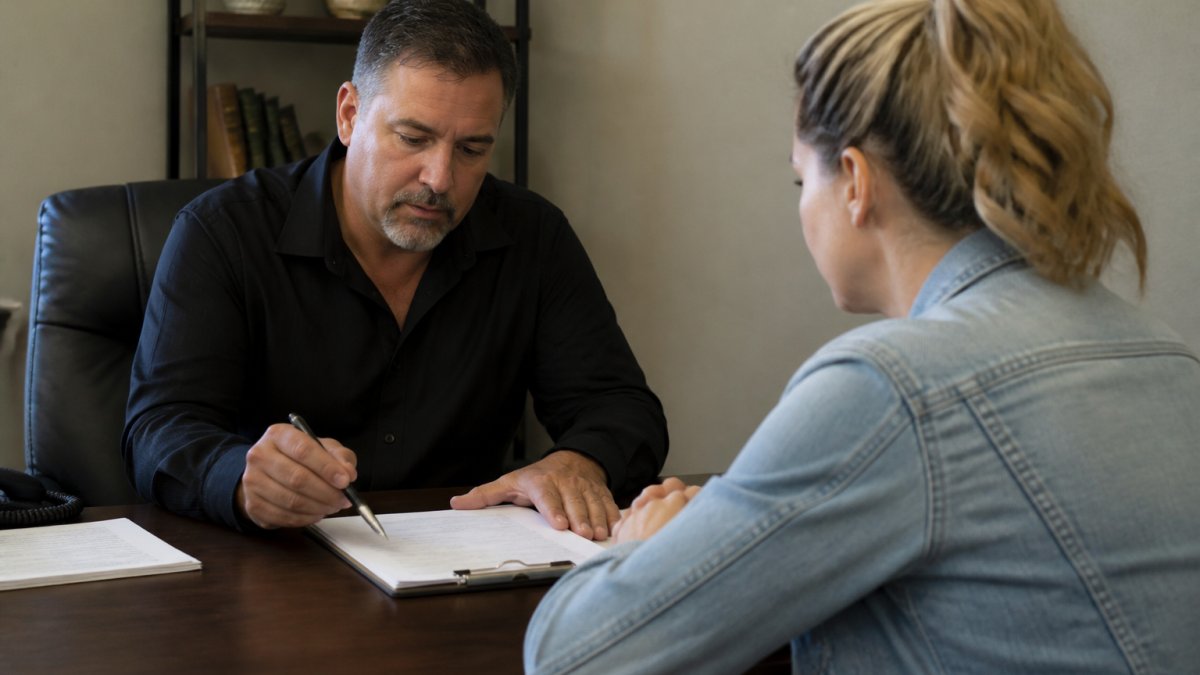
National Bail Bond of Lubbock is our top pick for most families because it combines round-the-clock availability with a physical office you can walk into. That matters when you are handling paperwork for the first time and want a real person across the table.

What sets them apart in practice:
- Direct access to official bondsmen instead of a call-center relay.
- Clear guidance on verifying a license before you pay.
- Help navigating court dates and post-release obligations.
Other Licensed Bail Bond Providers in Lubbock
Several other licensed agencies operate in the county, each with a different strength. Knowing the differences helps you make a fast, informed call.
Caprock Bail Bonds and Cowboy Bail Bonds
Caprock Bail Bonds has operated locally for over 30 years and is licensed and regulated by the county bail bond board; its strength is longevity and local trust. Cowboy Bail Bonds leans into speed with a 24/7 emergency line built for rapid jail release.
Family-Owned and Bilingual Options
Sharon's Bail Bonds II has served the community since 1990 as a family-owned agency, suiting clients who prefer a smaller operation. Central Bail Bonds 2 offers bilingual service and has operated since 1978. AAA Bail Bonds covers surrounding counties, and Dunham Law Bail Bond Team pairs bail help with legal guidance and magistration support.
Bail Bond Fees Texas: What You Actually Pay
Texas regulates bail bond fees, and a licensed agent will explain the exact percentage in writing before you sign. The premium is the fee for posting the bond and is generally non-refundable once posted. Because rates depend on the charge and court, confirm the current figure directly with the agency.
How the Premium Actually Works
The premium is a percentage of the full bail amount, a slice of the figure, not the full amount. That distinction is why a bondsman exists: you pay a fraction up front instead of the entire bail amount to the court.
Three things determine what you actually pay:
- The bail amount set by the judge. Higher bail means a higher premium, even at the same percentage.
- The percentage the agency charges. This is regulated, but the exact figure depends on the charge and the court, so ask for it in writing.
- Whether the agency requires collateral. Collateral is separate from the premium. It is property or cash pledged to secure the bond, and it is returned when the case resolves, the premium is not.
Collateral, Co-Signers, and the Indemnity Agreement
Three concepts drive most of the confusion:
- Premium: the agent's fee for posting the bond. Non-refundable once the bond is posted.
- Collateral: property or cash pledged to secure the bond, sometimes required, sometimes not. Returned when the case closes, assuming the defendant appeared as required.
- Indemnity agreement: your promise to cover the full bail amount if the defendant fails to appear. This is the document that makes a co-signer's role serious.
A co-signer accepts the same financial responsibility as the person signing the indemnity agreement. That is why forfeiture, when a defendant misses court, is the biggest risk: the court can order the bond forfeited, and the co-signer owes the full bail amount, not just the premium.
What Happens If the Defendant Misses Court
If the defendant fails to appear:
- The court issues a forfeiture on the bond.
- The bondsman becomes liable to the court for the full bail amount.
- The bondsman, in turn, looks to you and any co-signer under the indemnity agreement to cover that amount.
- A warrant is typically issued for the defendant's arrest.
The premium is the cost of getting out of jail; the indemnity agreement is the cost of not showing up. Treat every court date as mandatory and keep the bondsman informed of any changes.
Post-Release Responsibilities You Cannot Skip
After release, the defendant generally must:
- Appear at every scheduled court date, including hearings that may be reset or moved.
- Comply with any bond conditions the magistrate imposed, such as check-ins, travel restrictions, or no-contact orders.
- Keep the bondsman updated on any address or phone number changes, since the agency is responsible for reaching the defendant about court dates.
- Avoid any new arrest, which can revoke the bond and trigger forfeiture.
A good bondsman reminds the defendant of upcoming court dates and acts as a point of contact with the court, one practical reason to use a licensed agency rather than navigating the process alone.
Never pay a bondsman with gift cards, cryptocurrency, or a wire to a personal account. No licensed agency operates that way. If someone demands it, end the call and report it.
Inmate Search Lubbock County: Confirm the Charges First
Before you call anyone, confirm the arrest through the county inmate search. You need the full legal name, booking date, and charges; getting these wrong is the most common reason a release stalls.
A quick checklist for the call:
- Full legal name and any aliases
- Booking number, if available
- Exact charges listed
- Bail amount and which court set it
- Your relationship to the defendant
How to Avoid Bail Bond Scams in Lubbock
Scams target families because they are panicked and unfamiliar with the process. The warning signs are consistent and easy to spot.
Red flags to watch for:
- Pressure to pay immediately, before any paperwork.
- No physical office and no verifiable license number.
- Requests for payment methods no legitimate business uses.
- Refusal to explain the premium or the indemnity agreement.
Frequently Asked Questions
How do I verify if a bail bond company is licensed in Lubbock County?
Ask for the agent's license number and confirm it with the Lubbock County Bail Bond Board, which regulates local bail agents. A legitimate bondsman will give you a physical office address, a license number, and a written indemnity agreement. Never work with anyone who demands payment by gift card, Bitcoin, or wire transfer, or who refuses to meet in person. National Bail Bond of Lubbock operates from a physical office and can walk you through verification before you sign anything.
How much does a bail bond cost in Texas?
Texas caps bail bond premiums at a percentage of the total bail amount set by the court, so the fee scales with the bond. On an $8,000 bail, you pay a percentage as a non-refundable premium, plus any collateral the agent requires. Because the court sets the bail amount and the state sets the fee ceiling, actual pricing depends on your case. Call National Bail Bond of Lubbock for a breakdown specific to your bond.
How long does the release process take after posting a bond in Lubbock?
Timing depends on the jail's processing workload, but release typically happens within hours after the bond is posted and verified, not days. Peak hours and weekends can slow booking intake. Having accurate information ready, full legal name, date of birth, and the exact charges, prevents delays. National Bail Bond of Lubbock is available 24/7 to start paperwork immediately so the release clock starts as soon as possible.
What documents do I need to provide to a bail bondsman?
You will need a government-issued photo ID, the defendant's full legal name and date of birth, the county jail where they are held, and the charges or bail amount if known. The bondsman also runs a co-signer or indemnity agreement, which makes you financially responsible if the defendant misses court. Bring proof of address and income if you are co-signing. Missing details can be confirmed through an inmate search Lubbock County lookup.
Are bail bond fees refundable in Texas?
No. The premium you pay a bail bondsman is earned when the bond is posted and is not refunded when the case ends, even if charges are dropped or the defendant is found not guilty. Collateral, by contrast, is usually returned once the case is resolved and all court appearances are met. Ask your agent to explain in writing which payments are premium and which are refundable collateral before you sign.