 listicle
Hidden Costs of Bail Bonds to Avoid
Table of Contents
- Understanding Bail Bond Fees and Charges
- Bail Bond Collateral: What You Need to Know
- Bail Bond Payment Plans: Interest and Hidden Charges
- Spotting Bail Bond Scams and Fraudulent Operators
- Beyond the Premium: Other Financial Impacts
- Questions to Ask Before Signing a Bail Bond Contract
- Frequently Asked Questions
Last Updated: October 8, 2026
Understanding Bail Bond Fees and Charges
When someone is arrested, the bail amount set by the court can be substantial. But here's what most people don't realize: the bail amount itself is not what you pay. Instead, you work with a bail bondsman who charges a fee to post bail on your behalf. Understanding the actual costs involved is critical because the hidden costs of bail bonds to avoid can quickly add up beyond the initial premium.
The real expenses often extend far beyond the basic bond fee.
The Premium: Your Primary Cost
The bail bond premium is the main fee you'll pay. This is typically a percentage of the total bail amount set by the court. The premium is non-refundable, meaning you won't get it back even if the defendant is acquitted or charges are dropped.
This percentage varies depending on state regulations and the specific circumstances of your case. Some factors that influence the premium include the severity of charges, the defendant's criminal history, and whether collateral is required.
One critical point: this fee is set by state law in most jurisdictions. Always ask for the exact percentage being charged before you sign any agreement.
Administrative and Processing Fees
Beyond the premium, many bail bond companies charge administrative or processing fees. These cover paperwork, background checks, and the cost of filing documents with the court. Some companies bundle these into the premium, while others list them separately.
Administrative fees might include charges for processing your application, verifying information, or handling court filings. A written breakdown should clearly show whether these are included in the premium percentage or added on top of it. This is where many families encounter surprise costs, so always request an itemized list of all charges before signing.
Payment Method Surcharges
How you pay for your bail bond can affect the total cost. If you pay with cash or a cashier's check, there's typically no additional charge. However, paying by credit card, debit card, or electronic transfer may include processing fees.
Some bail bond companies charge a percentage surcharge for credit card payments. Gift cards and wire transfers may also carry fees. Always ask specifically about payment method charges before committing to a payment arrangement.
Bail Bond Collateral: What You Need to Know
Collateral is property or assets you pledge to the bail bondsman as security. If the defendant fails to appear in court, the bail bondsman can seize the collateral to cover losses. Understanding collateral requirements is essential to avoiding unexpected financial consequences.
Types of Collateral Accepted
Bail bondsmen typically accept various forms of collateral depending on the bail amount and the company's policies. Common collateral types include real estate, vehicles, jewelry, electronics, and bank accounts. Some companies accept a lien on property, meaning they have a legal claim against it if the defendant skips bail.
The value of collateral must typically equal or exceed the bail amount. Real estate is often preferred because it's harder to hide or dispose of quickly. However, using your home as collateral means risking its loss if something goes wrong.
Collateral Return Timelines and Conditions
Once the case is resolved and the defendant is released from bail obligations, your collateral should be returned. However, the timeline and conditions matter significantly. Some bail bond companies return collateral immediately after the case closes, while others may hold it for several days or weeks while they confirm all court obligations are satisfied.
The contract should specify exactly when collateral will be returned and what conditions must be met. If the defendant fails to appear in court, the collateral is forfeited. Additionally, if there are any outstanding fees or fines owed to the bail bondsman, they may retain collateral until those are paid.
Bail Bond Payment Plans: Interest and Hidden Charges
Not everyone can pay the bail bond premium upfront. Payment plans make bail bonds accessible, but they come with additional costs that many families overlook.
How Interest Accumulates on Payment Plans
When you arrange a payment plan instead of paying the full premium immediately, interest may be charged on the unpaid balance. This interest accumulates over time, meaning the longer you take to pay, the more you'll owe in total. Some companies charge a flat fee for offering a payment plan, while others charge monthly interest on the remaining balance.
The interest rate and terms should be disclosed in writing before you agree to the payment plan. However, this can result in paying significantly more than the original premium by the time the plan is complete.
Late Payment Penalties and Fees
Missing a payment on your bail bond plan triggers additional charges. Late fees are typically assessed if payment is not received by the due date. Some companies charge a flat fee, while others charge a percentage of the payment due.
Repeated late payments can result in escalating fees and may even trigger the bail bondsman to demand full payment of the remaining balance immediately. In extreme cases, failure to maintain the payment plan could result in the bail being revoked, returning the defendant to custody. Always understand the late payment policy and set up automatic payments if possible to avoid these additional costs.
Spotting Bail Bond Scams and Fraudulent Operators
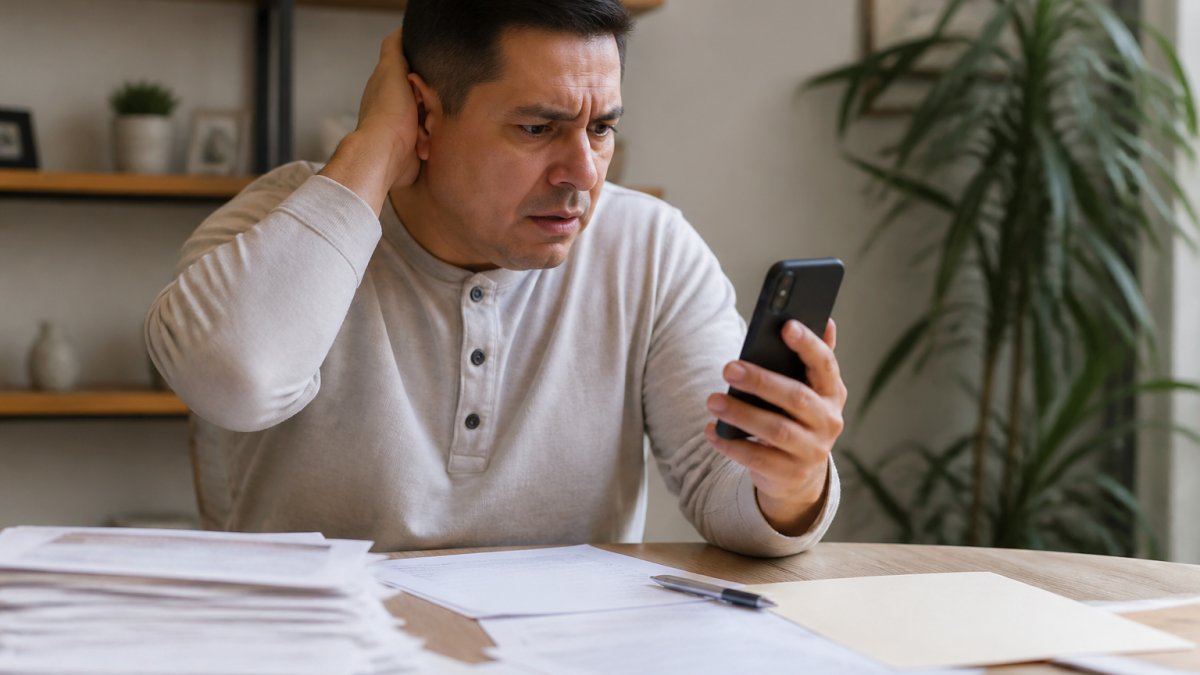
Unfortunately, bail bond scams are common. Criminals impersonate legitimate bail bondsmen to steal money from desperate families. Protecting yourself requires knowing the warning signs.
Red Flags That Signal a Scam
Legitimate bail bondsmen follow specific procedures and regulations. If something feels off, it probably is. Here are warning signs of potential scams:
- Requests for payment via gift cards, wire transfer, or cryptocurrency. Legitimate bail bondsmen accept standard payment methods like cash, checks, and credit cards.
- Pressure to pay immediately without providing written documentation or a contract.
- Unwillingness to provide a physical office address or refusing to meet in person.
- Demands for payment before providing any bail bond services or information.
- Calls claiming to be from bail bondsmen when you never contacted them first.
- Offers that seem too good to be true, such as unusually low fees or guarantees of immediate release.
- Requests for personal information beyond what's necessary for bail processing, such as banking details for purposes other than payment.
The most common scam involves someone calling and claiming to be a bail bondsman, then requesting payment via gift card or wire transfer. Legitimate bail bondsmen will never ask for payment this way.
How to Verify a Bail Bondsman's Credentials
Before handing over money, verify that the person you're dealing with is legitimate. Every bail bondsman must be licensed by the state.
Ask for the bondsman's license number and verify it independently. A legitimate bail bondsman will have no problem providing this information and will encourage you to verify their credentials. Check that the license is current and active, not expired or suspended.
Additionally, confirm that you're working with an actual bail bond company, not an imposter. Call the company's main office number (found through independent research, not a number provided by the person contacting you) and ask to speak with the bondsman directly.
Beyond the Premium: Other Financial Impacts
The hidden costs of bail bonds to avoid extend beyond direct fees charged by the bail bondsman. Several other financial consequences can arise from the bail process.
Electronic Monitoring and Supervision Costs
As a condition of bail, the court may require electronic monitoring. This typically involves wearing an ankle monitor that tracks the defendant's location.
Electronic monitoring costs vary but can range from daily rental fees to setup charges. These fees continue for the entire duration of bail, which could be weeks or months depending on how quickly the case resolves.
Additionally, the defendant may be required to check in regularly with a bail supervisor or probation officer. While check-ins themselves are free, missing a check-in can result in bail violations and additional legal consequences.
Consequences of Missed Court Dates
If the defendant fails to appear in court, the consequences are severe and expensive. The bail is forfeited, meaning the full bail amount becomes due immediately.
Recovery costs are typically passed to whoever signed the bail bond agreement. These costs can easily exceed the original bail amount. Additionally, a failure to appear charge is added to the defendant's criminal record, resulting in additional criminal charges and potential jail time.
The defendant also becomes a fugitive. These compounding legal consequences create financial liability that extends far beyond the original bail amount.
Questions to Ask Before Signing a Bail Bond Contract
Before you commit to any bail bond agreement, ask these specific questions and get the answers in writing:
- What is the exact premium percentage, and is it the full fee or are there additional charges?
- What administrative or processing fees apply, and are they included in the premium or added separately?
- What payment methods are available, and are there surcharges for credit card or electronic payments?
- If a payment plan is offered, what is the interest rate and how is it calculated?
- What collateral is required, and what happens if collateral is damaged or lost?
- When will collateral be returned after the case concludes?
- What are the late payment penalties and how are they assessed?
- Is the bail bondsman licensed, and can you verify their license independently?
- What is the process if you have questions or disputes about charges?
- Can you get a written contract that itemizes all fees before signing?
Getting these answers in writing protects you. Never sign a contract without understanding every charge. A legitimate bail bondsman will provide clear, detailed answers and put everything in writing.
| Question | Why It Matters | What to Look For |
|---|---|---|
| What is the total premium percentage? | Ensures you know the primary cost upfront | Specific percentage, not vague language |
| Are there additional fees beyond the premium? | Prevents surprise charges later | Itemized list of all fees in writing |
| What payment methods are available? | Determines if you'll pay extra for your payment method | No surcharges for standard payment methods |
| What is the collateral policy? | Clarifies what you're risking and when you get it back | Clear return timeline and conditions |
| Is the bondsman licensed? | Confirms legitimacy and regulatory compliance | License number you can verify independently |
When you need immediate assistance with bail in Lubbock or Hockley County, National Bail Bond of Lubbock provides the clarity and protection you deserve. With over 50 years of experience in the criminal justice system, our team explains every charge upfront and helps you understand the actual costs involved. We're available 24/7 to answer your questions and walk you through the bail process with integrity and direct communication.
Frequently Asked Questions
What fees can a bail bond company charge besides the premium?
Beyond the main bail bond premium, companies may charge administrative fees for paperwork processing, credit card processing fees if you pay by card, electronic monitoring supervision costs, and collateral fees. Some charge late payment penalties if you miss a payment plan installment. Always request a written breakdown of all costs before signing any contract to avoid surprises.
How do I verify a bail bondsman is legitimate and not running a scam?
Check that the bondsman is licensed by your state's Department of Insurance or relevant licensing authority. Never pay via gift cards, wire transfer, or cryptocurrency, legitimate companies accept cash, checks, or credit cards. Verify the company has a physical office location and phone number you can independently confirm. Be suspicious of anyone who contacts you first or pressures you to pay immediately without allowing time to review the contract.
Can I get my collateral back after the bail bond is discharged?
Yes, collateral should be returned once the defendant fulfills all court obligations and the bond is discharged. However, return timelines vary by company and may take days or weeks. Before posting collateral, ask in writing how long the return process takes and what conditions must be met. If the defendant misses court or violates release conditions, the bondsman may keep or sell the collateral to cover losses.
What happens if the defendant misses a court date?
Missing court triggers bond forfeiture, meaning the full bail amount becomes due immediately. The bondsman may pursue the defendant and anyone who co-signed the bond for the full amount, plus recovery expenses and legal fees. A bench warrant is issued for arrest. This financial liability extends to cosigners and indemnitors, so understand the risk before agreeing to guarantee someone's release.