 listicle
Best Bail Bond Payment Options: 2026 Guide
Table of Contents
- Understanding Bail Bond Payment Options
- How Much Do Bail Bonds Cost
- Cash Bail: Direct Payment to the Court
- Surety Bonds: Using a Professional Bondsman
- Bail Bond Financing Options and Payment Plans
- Alternative Payment Methods: Property Bonds and Personal Recognizance
- Avoiding Bail Bond Scams and Verifying Legitimate Services
- Comparing Your Bail Bond Payment Options
Last Updated: August 28, 2026
Understanding Bail Bond Payment Options
When someone is arrested, families face a critical question: "How do we pay bail?" At National Bail Bond of Lubbock, we've guided thousands of people through this decision. Understanding your bail bond payment options gives you real financial flexibility when time is tight and stress is high.
You have more choices than you might think: pay cash directly to the court, work with a surety bondsman, set up a financing arrangement, pledge property as collateral, or be released on your own recognizance without paying anything upfront. Each option carries different costs, timelines, and financial consequences. The right choice depends on whether you have liquid cash available, whether you have property to pledge, and how quickly you need someone released from jail.
This guide covers every bail bond payment option available, the actual costs involved, and how to avoid scams that prey on desperate families.
How Much Do Bail Bonds Cost
The cost of securing release depends entirely on which payment method you choose.
Surety Bond Premiums
When you work with a professional bail bondsman, you pay a non-refundable premium, typically a percentage of the total bail amount.
In Texas, bail bond premiums are typically set at 10-15% of the total bail amount (texas.gov). If bail is set at $5,000, you'd pay $500-$750 to the bondsman. For a $10,000 bail, expect $1,000-$1,500. This fee is non-refundable regardless of the case outcome, even if charges are dropped or you're acquitted, the premium stays with the bondsman as payment for their service and risk.
You might negotiate payment plans with the bondsman. Some companies, including National Bail Bond of Lubbock, work with families who can't pay the full premium upfront. This flexibility can mean the difference between immediate release and waiting days for funds.
Cash Bail and Court Fees
Paying cash bail directly to the court is straightforward but expensive. You hand over the full bail amount, $5,000, $10,000, $50,000, or whatever the judge set. The Lubbock County Detention Center accepts cash, cashier's checks, money orders, credit cards, and debit cards.
The advantage: if the defendant appears for all court dates and meets all conditions, the bail is refunded at case conclusion. You get your money back minus any court fees (typically $50-$200) (peer-reviewed research). This makes cash bail appealing if you have the funds available.
The disadvantage: your money is tied up for the entire duration of the case. For serious charges, that could be months or longer. You can't use that capital for living expenses, rent, or emergencies while waiting for the case to resolve.
Cash Bail: Direct Payment to the Court
Cash bail is a direct payment to the court or detention center that secures release without involving a third-party bondsman. You pay the full amount the judge set, and the court holds it as collateral for the defendant's appearance.
The Lubbock County Detention Center accepts multiple payment methods. You can pay in person with cash, or send funds via cashier's check or money order made payable to the Lubbock County Detention Center, Lubbock County Sheriff's Office, or Lubbock County Court. Credit and debit card payments are also accepted, though a processing fee (typically 2.5%) may apply.
Cash bail is refundable. Once the case concludes and the defendant has met all court obligations, the full bail amount (minus court fees) is returned. However, this creates cash flow problems. If bail is $8,000 and you scrape together that amount, you've frozen $8,000 that could go toward rent, food, or legal defense.
Paying cash bail directly to the court typically results in release within hours, sometimes minutes. You don't wait for a bondsman to process paperwork, the court processes your payment and releases the defendant immediately.
Surety Bonds: Using a Professional Bondsman
A surety bond is a contract where a licensed bail bondsman posts the full bail amount with the court on your behalf, and you pay the bondsman a non-refundable premium for this service. The bondsman becomes financially responsible if the defendant fails to appear.
This is the most common option for people who can't afford cash bail. Instead of paying $10,000 to the court, you pay $1,000-$1,500 to the bondsman. The bondsman posts the full $10,000 with the court, and the defendant is released.
The tradeoff is clear: you save money upfront but lose the refund. That $1,000-$1,500 premium is gone regardless of case outcome. You're paying for the bondsman's service and their assumption of risk.
National Bail Bond of Lubbock has over 50 years of experience with the criminal justice system. Our team understands the local court system, jail procedures, and required paperwork. We're available 24/7 because arrests don't happen during business hours.
A legitimate surety bondsman collects the premium fee and nothing else. We don't ask for gift cards, wire transfers to personal accounts, cryptocurrency, or any "extra fees" beyond the standard premium. We work directly with the defendant and co-signer, explain the process clearly, and ensure you understand contractual obligations before signing.
Bail Bond Financing Options and Payment Plans
Not everyone can pay a surety bond premium in full immediately. National Bail Bond of Lubbock and other legitimate bondsmen offer financing arrangements to help families manage the cost.
Installment Arrangements
Many bail bondsmen will work out payment plans. Instead of paying the full premium upfront, you might pay half at signing and half over the following weeks. Some companies offer weekly, bi-weekly, or monthly installments.
This flexibility exists because bondsmen understand the financial reality: families dealing with an arrest often don't have thousands of dollars in savings. The key question to ask any bondsman: what are the exact payment terms? Get them in writing. How much is due at signing? When are subsequent payments due? What happens if you miss a payment? Understanding these terms prevents surprises later.
Credit and Debit Card Payments
Most modern bail bondsmen accept credit and debit cards. If you don't have cash but have available credit, you can charge the bail bond premium to a card. Some companies offer payment plans designed around automatic monthly charges until the premium is paid off.
The risk: carrying a bail bond premium on a credit card means paying interest if you don't pay off the balance quickly. A $1,200 premium at 18% APR costs an additional $216 per year if carried. However, if you can pay off the balance within a month or two, credit card payment is simply a convenience.
Debit card payments come directly from your account with no interest risk, but you need available funds right now.
Alternative Payment Methods: Property Bonds and Personal Recognizance
Texas law provides alternatives that can mean zero upfront cost or a different collateral arrangement.
Property Bonds as Collateral
A property bond allows you to pledge real estate as collateral instead of paying cash or a bondsman premium. If you own a home or property with equity, you can offer that equity to the court as security for the defendant's appearance.
You'll need to have the property appraised, provide documentation of ownership and equity, and file the property bond with the court. The court must approve the property value and determine that the equity is sufficient to cover the bail amount.
The advantage: no upfront cash payment and no premium to a bondsman. If the defendant appears for all court dates, the property remains yours with no financial loss.
The risk is severe: if the defendant fails to appear, the court can seize and sell the property to cover the bail amount. Property bonds are typically used only when the defendant has strong community ties and low flight risk.
The timeline is also slower. Property bonds require court approval and legal processing, which can take days or weeks.
Personal Recognizance Bonds
A Personal Recognizance (PR) bond is a court order releasing someone based solely on their written promise to appear in court, with no financial payment required. The defendant signs an agreement acknowledging the court's authority and promising to appear.
PR bonds are granted at the judge's discretion, typically for lower-level offenses and defendants with strong community ties. If someone has lived in the community for years, has a job, and is charged with a misdemeanor, they're a good candidate for PR release.
The advantage is obvious: it costs nothing. The disadvantage: it's not guaranteed. The judge decides based on charges, criminal history, employment status, and perceived flight risk. Serious felonies, prior failures to appear, or out-of-state residence make PR bonds unlikely.
| Payment Method | Upfront Cost | Refundable? | Timeline | Best For |
|---|---|---|---|---|
| Cash Bail | Full bail amount | Yes (minus fees) | Hours | Those with liquid funds who want a refund |
| Surety Bond | 10-15% premium | No | Hours to same-day | Those who can't afford cash bail |
| Property Bond | None | Varies | Days to weeks | Those with home equity and low flight risk |
| Personal Recognizance | None | N/A | Same-day | Low-risk defendants with community ties |
| Online Payment | Full bail amount | Yes (minus fees) | 24-48 hours | Those paying Justice of the Peace bail remotely |
Avoiding Bail Bond Scams and Verifying Legitimate Services
Bail bond scams target desperate families. Scammers know that people arrested late at night are panicked and willing to pay quickly without asking questions.
The most common scam: a fake bondsman asks for payment via gift cards, wire transfer, or cryptocurrency. Legitimate bail bondsmen never work this way. A real bondsman collects payment via check, cash, credit card, or debit card, methods that create a paper trail and are traceable. Gift cards and cryptocurrency are untraceable and irreversible.
Another red flag: unsolicited contact. If someone calls you claiming to be a bondsman and offering to help, it's a scam. Legitimate bondsmen wait for you to call them.
Verify legitimacy by checking the bondsman's license. Texas requires all bail bondsmen to be licensed by the state. You can verify a license through the Texas Department of Insurance, Division of Workers' Compensation (tdi.texas.gov). National Bail Bond of Lubbock maintains a physical office in Lubbock where you can meet face-to-face with licensed bondsmen. If a company won't meet you in person or won't provide a physical address, it's a warning sign.
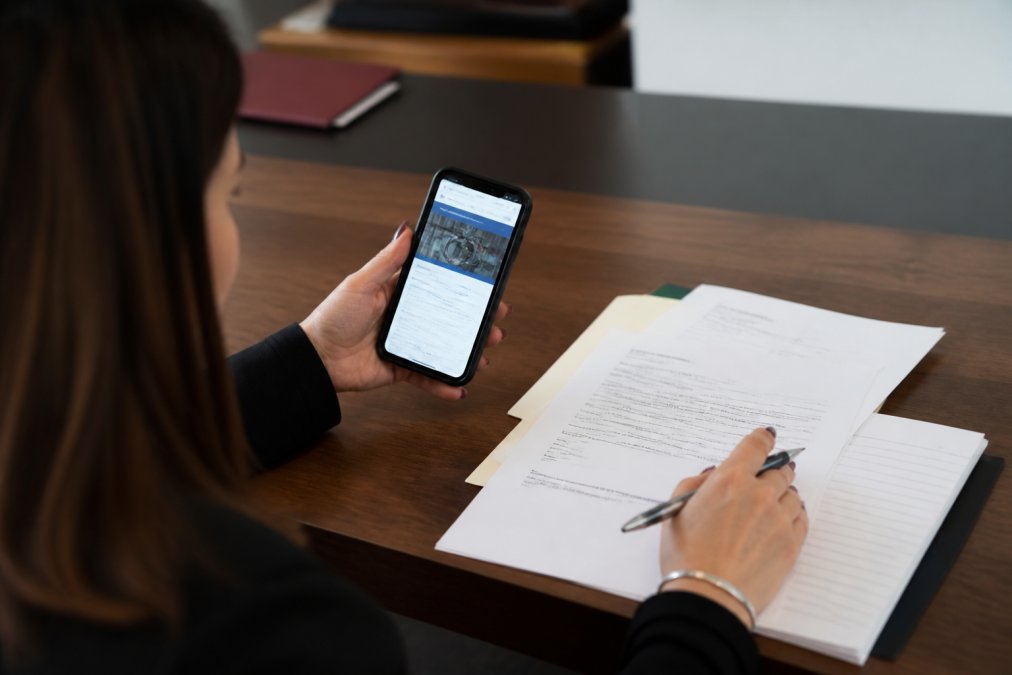
Ask for credentials. A legitimate bondsman will provide their license number, company registration, and phone number you can independently verify. They'll explain the process clearly and answer questions without pressure. Scammers rush you, create urgency, and get evasive when you ask for documentation.
National Bail Bond of Lubbock has over 50 years of experience in the criminal justice system. We're recognized for competent, reliable bail services. Our commitment is to integrity and direct communication, no hidden fees, no pressure tactics, no scams.
Comparing Your Bail Bond Payment Options
The best bail bond payment option depends on your specific situation.
Choose cash bail if: You have the full bail amount available in savings. You want the possibility of a refund. You're confident the defendant will appear for all court dates.
Choose a surety bond if: You can't afford the full cash bail. You need immediate release. You want to preserve capital for legal defense or living expenses. You're comfortable paying a non-refundable premium.
Choose a property bond if: You own real estate with sufficient equity. You want to avoid paying cash or a premium. You're confident the defendant won't fail to appear.
Choose Personal Recognizance if: The defendant has strong community ties and is charged with a minor offense. You request it from the judge and they approve it.
Choose online payment if: You're paying a Justice of the Peace bail remotely. You want the convenience of not traveling to the detention center.
Most families in Lubbock and Hockley Counties choose surety bonds. Cash bail is simply out of reach for many people. A surety bond premium of $1,000-$1,500 is difficult but manageable. A $10,000 cash bail is not.
National Bail Bond of Lubbock is available 24/7 to help you navigate these options. We serve Lubbock County and Hockley County inmates with professional guidance, clear explanations, and protection against scams. When you call, have the defendant's booking information ready, and we'll walk you through the process step by step.
Frequently Asked Questions
Q: Is it better to pay bail directly to the court or use a bail bondsman?
A: Paying bail directly to the court requires the full bail amount upfront but offers a refund (minus court fees) if you meet all court obligations. Using a surety bondsman requires only 10-15% of the bail amount upfront as a non-refundable fee, making it accessible when you lack liquid funds. Direct payment preserves capital; surety bonds provide immediate release with lower initial cost. Your choice depends on available funds and how quickly you need release.
Q: How much do bail bonds cost in Texas?
A: Surety bail bond premiums typically range from 10-15% of the total bail amount and are non-refundable. For a $5,000 bail, expect to pay $500-$750 to the bondsman. Cash bail requires the full amount upfront. Additional court fees apply to both methods. Specific pricing depends on the bail amount, charge severity, and the bondsman's assessment. Contact your local bail bondsman for an exact quote based on your situation.
Q: Can bail bond fees be paid in installments?
A: Many bail bondsmen offer payment plans with weekly, bi-weekly, or monthly installments, allowing you to spread the cost over time. This makes bail bond financing more accessible when you cannot pay the full premium upfront. Discuss payment flexibility when contacting a bail bondsman, 24/7 availability means you can arrange a plan immediately.
Q: What payment methods do bail bondsmen accept?
A: Most bail bondsmen accept cash, credit cards, and debit cards. Some accept money orders and cashier's checks. Verify accepted payment methods when you contact the bondsman. Having multiple options ensures you can secure release quickly regardless of your immediate financial situation or access to specific payment tools.
When someone you care about is arrested, the bail decision is urgent and overwhelming. You need clear information, fast action, and someone you can trust. National Bail Bond of Lubbock provides exactly that: immediate assistance for inmate release, protection against bail bond scams, and direct access to official bondsmen available around the clock. Get started with National Bail Bond of Lubbock and secure your family member's release with confidence and integrity.
This article was written using GrandRanker