 how-to
Can I Get Bail at Night? 24-Hour Release Steps
Table of Contents
- Can I Get Bail at Night? What Happens After an Arrest
- How to Bail Someone Out: A Step-by-Step Guide
- The Bail Bond Process Timeline: From Call to Release
- Why a 24 Hour Bail Bondsman Matters for Late-Night Arrests
- Financial Alternatives to Bail Bonds
- What to Do After a Late-Night Release
- Frequently Asked Questions
Last Updated: September 23, 2026
Can I Get Bail at Night? What Happens After an Arrest
Yes, you can get bail at night. Most jails run booking and release around the clock, and a bondsman can post a bail bond at any hour. This guide from NATIONAL BAIL BOND OF LUBBOCK explains the steps.
Why 24-Hour Bail Is Available
Bail stays available at night because jails never close. Someone must process every new arrest, day or night.
A 24-hour bondsman fills that gap.
How to Bail Someone Out: A Step-by-Step Guide
The fastest path to release starts with one phone call to a licensed bondsman. But the steps only make sense once you understand what is actually happening behind them. Here is the sequence, with the mechanics spelled out.
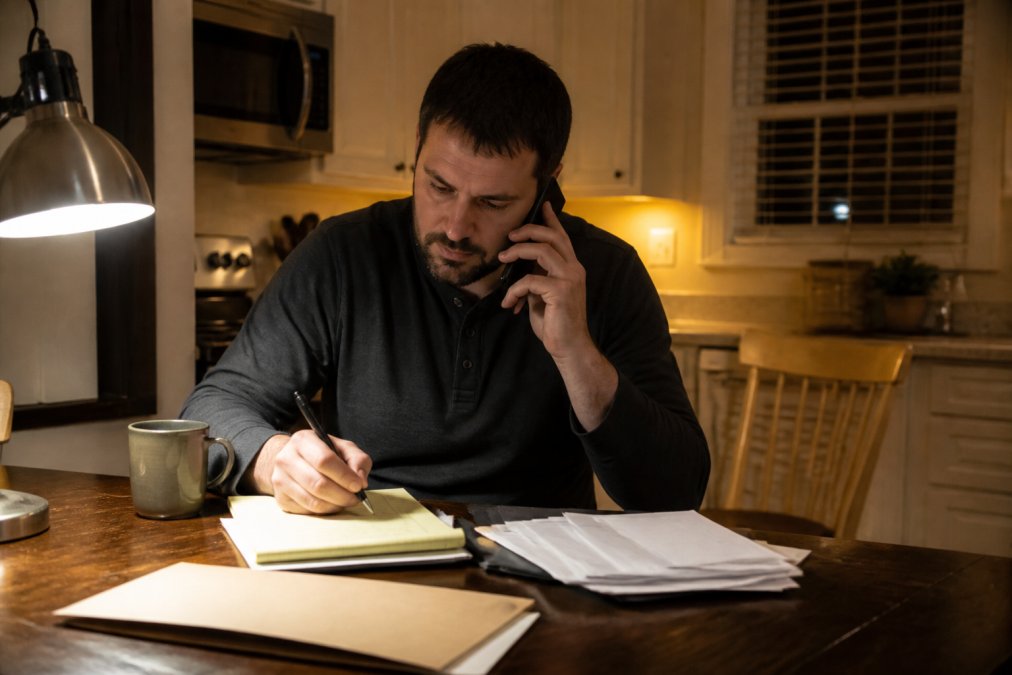
- Confirm where the person is being held and what the charges are. Use the jail's inmate lookup tool or call the facility's main line. Ask for the booking number, the charges, and whether bail has been set yet.
- Call a licensed bail bond company that answers 24/7. Confirm the agent is licensed in the state where the jail sits.
- Provide the full legal name, date of birth, and booking number. Read the name back letter by letter. A misspelled name or a wrong middle initial can cause the bond to be rejected at intake.
- Review and sign the bail bond agreement. This is a contract. It typically includes the premium, any collateral pledged, and the indemnity agreement the co-signer signs.
- Pay the premium. The premium is non-refundable once the bond is posted.
- The bondsman posts the bond at the jail. This can happen in person at the jail's bonding window, by fax, or through an electronic bonding system, depending on the facility.
- Wait for the jail's release processing to finish. This is the longest and least predictable step.
How Bail Is Actually Set
Understanding how the amount gets assigned helps you predict timing. There are three common paths:
- A bail schedule. Many jurisdictions publish a fixed schedule that maps each charge to a preset amount. Jail staff can set bail directly from the schedule without a judge, which is why some arrests produce a bail amount within hours.
- A magistrate or on-call judge. For charges not on the schedule, or for higher-level offenses, a judge must review the case and set bail. This is the single biggest source of overnight delay, because the judge may not be reached until morning.
- A hold or no-bail status. Some charges carry a hold that prevents any release until a first appearance. In that situation, no bondsman can post bail, no matter the hour.
What Information You Need to Provide
Gather these details before you call. Wrong information slows everything down.
- Full legal name, exactly as booked
- Date of birth
- The jail or detention center holding them
- The booking number
- The charges, if known
- The bail amount, if set
- Your government-issued ID and contact details
- A co-signer's information, if one will be used
How to Verify a Jail's Overnight Release Policy
Not every jail releases people around the clock. Some process releases in batches, and some hold all releases until a morning shift. Before you commit to a bond, ask the jail two questions:
- Does this facility complete releases overnight, or does it hold them until morning?
- Does this charge require a judge's signature before release?
How to Check Inmate Status Yourself
You do not have to rely on a bondsman for basic status checks. Most county sheriff's offices and state departments of corrections publish an online inmate lookup. Search by full name or booking number. The record typically shows the facility, the charges, the bail amount, and the next court date. If the online tool is down or the person was just booked, call the jail's main line and ask for the booking desk.
The Bail Bond Process Timeline: From Call to Release
The bail bond process timeline usually runs from one to several hours. It depends on the jail, the charges, and how busy the night is.
Here is the typical order of events:
- Call and intake: 10-20 minutes
- Paperwork and premium: 15-30 minutes
- Bond posted at the jail: 30-60 minutes
- Jail release processing: 1-6 hours
Jail-Specific Processing Times
Every jail runs its own schedule. Some release people quickly. Others batch releases overnight and finish in the morning.
Ask two questions when you call:
- Does this jail release overnight, or hold until morning?
- Is a judge needed to sign off?
| Stage | Who Handles It | Typical Time |
|---|---|---|
| Intake call | Bondsman | 10-20 min |
| Paperwork | You and bondsman | 15-30 min |
| Bond posting | Bondsman | 30-60 min |
| Release processing | Jail staff | 1-6 hours |
Why a 24 Hour Bail Bondsman Matters for Late-Night Arrests
At NATIONAL BAIL BOND OF LUBBOCK, we answer the phone at any hour. We have a physical office location in Lubbock, Texas and over 50 years of experience with the criminal justice system.
Financial Alternatives to Bail Bonds
A bail bond is not the only option. If you can cover the full bail amount, you may not need a bondsman at all.
Here are the common choices:
- Cash bail: Pay the full amount to the court. You get it back after court dates.
- Bail bond: Pay a non-refundable premium. The bondsman covers the rest.
- Collateral: Pledge property or a title to secure a bond.
- Own recognizance: A judge releases you on your promise to return. No money.
What to Do After a Late-Night Release
Plan the first 24 hours before the person walks out. Release is not the end of the process, it is the start of a court obligation that runs for months. Most articles stop at "get a ride home." The steps below go further, because the details that get missed in the first 24 hours are the ones that cause warrants later.
Confirm the Court Date From the Court, Not the Jail
The jail's paperwork and the court's calendar do not always match. The jail records what it was told at booking; the court controls the actual appearance date. Within 24 hours of release, look up the case in the court's own system, most state and county courts publish an online case search, or call the clerk of court and confirm:
- The case number
- The next appearance date, time, and courtroom
- Whether the appearance is in person or remote
- Any conditions imposed at release
Understand the Co-Signer's Ongoing Exposure
If a co-signer signed an indemnity agreement, their obligation does not end at release. The co-signer remains financially responsible for the full bail amount until the case is resolved and the bond is exonerated. That means:
- If the defendant misses a court date, the court can order the bond forfeited.
- The bondsman can then pursue the co-signer for the full bail amount, plus costs.
- Collateral pledged, a car title, a deed, a savings account, can be held until the case closes.
Handle the Practical Logistics
Do these things right away:
- Line up a ride home from the jail. Many facilities release people at the front lobby with no transportation.
- Confirm any release conditions, curfew, check-ins, travel restrictions, no-contact orders, and write them down.
- Keep all paperwork, including the bond agreement and release documents, in one folder.
- Save the bondsman's number and the court clerk's number in your phone.
- Note any prescription medications the person needs, since jail may not release them with a supply.
Know What Triggers a Warrant
- Leaving the state without permission
- Failing a drug or alcohol test if testing is a condition
- Contacting a person named in a no-contact order
- Failing to check in with a pretrial services officer
Post-release logistics matter more than most people expect. A missed ride or a lost paper can turn a good night into a bad week. A missed court date can turn it into a warrant.
Frequently Asked Questions
Can you bail someone out at 2 a.m.?
Yes, you can arrange bail at 2 a.m. in most jurisdictions. Jails operate around the clock, and 24-hour bail bondsmen are available to post surety bonds at any hour. The booking process must be complete before release, so call a bondsman as soon as possible. They will verify the defendant's status with the arresting agency and begin paperwork immediately.
How long does the release process take after posting bail at night?
Release timing depends on the detention center's intake workload and staffing. Some releases happen within a few hours, while busier nights can extend the wait. The bail bond process timeline includes verification, paperwork, premium payment, and jail processing.
What information do I need to provide to a bondsman for a late-night release?
You will need the defendant's full legal name, date of birth, the charges, and the jail or detention center where they are held. If you have a booking number or bail amount, that helps speed things up. The bondsman will also ask for your contact information and details about any co-signer. Accurate information prevents delays and ensures the bond is posted correctly.
Does the jail accept bail payments directly at night?
Many jails accept bail payments 24 hours a day, but the process varies by facility. Some require cash or a cashier's check, while others accept credit cards. A bail bondsman handles the payment on your behalf and deals with the detention center directly.
A late-night arrest puts a lot of pressure on one phone call. The right bondsman answers, explains the steps, and gets the bond posted fast. NATIONAL BAIL BOND OF LUBBOCK offers 24/7 service, a physical office, and direct access to official bondsmen, not middlemen. We serve Lubbock and Hockley County with over 50 years of experience, clear guidance, and protection against scams. Get started with NATIONAL BAIL BOND OF LUBBOCK and get your family member home sooner.