 how-to
Fast Jail Release Process: 7 Steps to Get Out
Table of Contents
- Understanding the Jail Release Process
- Step 1: Arrest and Booking Procedures
- Step 2: Bail Hearing and Setting Bail Amount
- What Information Is Needed for a Bail Bond
- Step 3: Contacting a Licensed Bail Bondsman
- How to Find a Licensed Bail Bondsman
- Bail Bond Process Timeline: From Arrest to Release
- Payment Methods, Collateral, and Release Approval
- Frequently Asked Questions
Last Updated: August 31, 2026
Understanding the Jail Release Process
Getting someone out of jail quickly requires understanding how the system works. The fast jail release process involves several distinct stages: arrest, booking, bail hearing, and release. Each step has specific requirements and timelines that directly affect how fast someone can walk free.
The difference between a release that takes hours versus days often comes down to preparation. Having the right information ready, contacting a licensed bail bondsman immediately, and understanding what the court will require can compress the timeline significantly. National Bail Bond of Lubbock has over 50 years of experience with the criminal justice system.
Step 1: Arrest and Booking Procedures
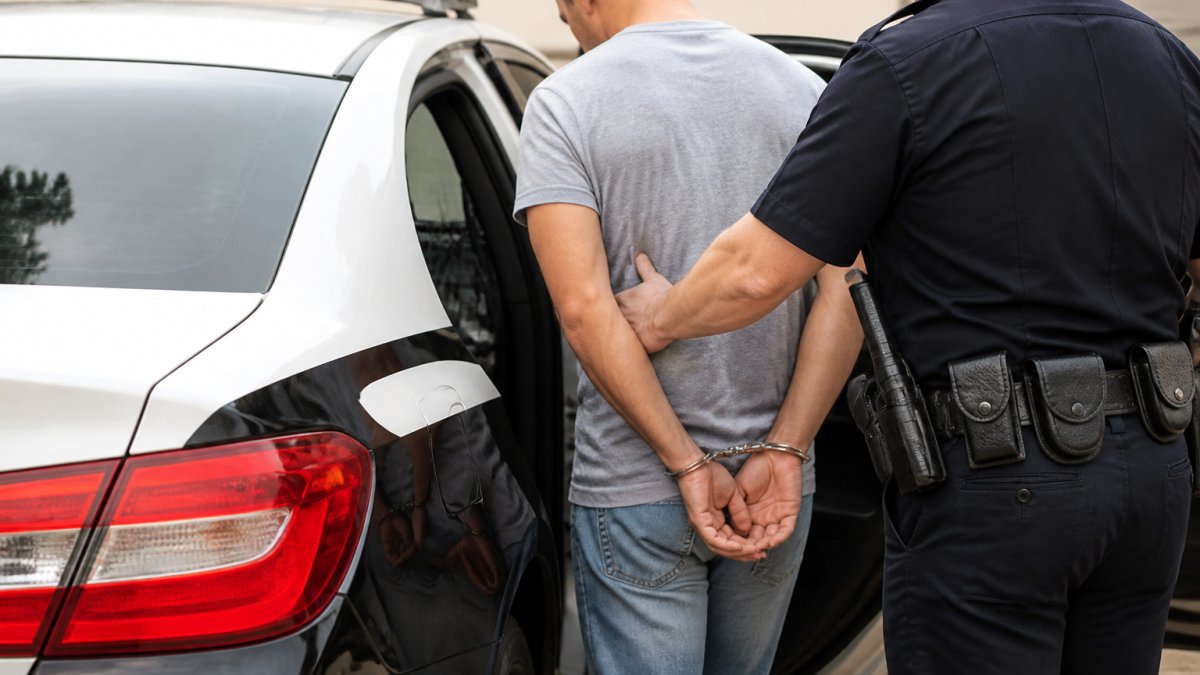
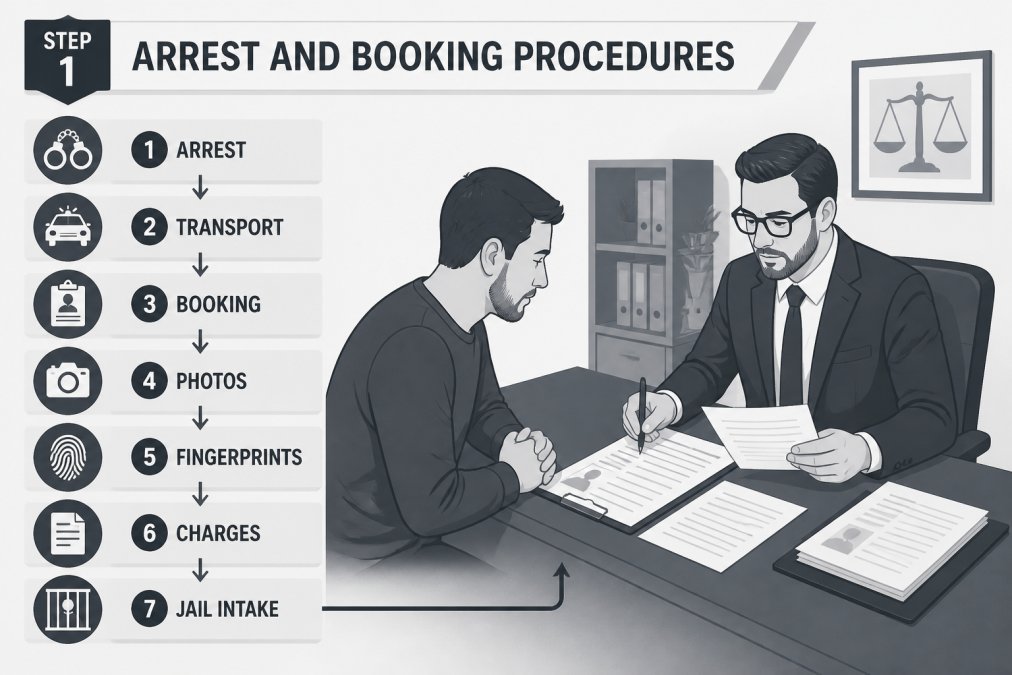
When someone is arrested, they enter the booking process. Officers record the person's name, date of birth, address, and charges. They take fingerprints and a mugshot, document distinguishing marks, and ask about medical conditions and mental health history.
Personal property gets inventoried and stored. Cash, jewelry, phones, keys, and wallet contents are logged and photographed. The detainee receives a receipt listing what was taken.
The booking process typically takes 1 to 3 hours, depending on facility volume and whether the detainee has outstanding warrants or prior charges (ncjrs.gov). Calling a bail bondsman during booking, not after, matters. While booking is happening, a bondsman can begin gathering information and preparing paperwork.
Step 2: Bail Hearing and Setting Bail Amount
After booking completes, the detainee has a right to a bail hearing. A judge or magistrate reviews the charges and decides whether to set bail and how much. The hearing typically happens within 24 to 72 hours of arrest, depending on whether the arrest occurred on a weekend or holiday (justice.gov).
At the hearing, the prosecution presents charges and may argue for high bail or no bail. The defense presents mitigating factors: ties to the community, employment history, family obligations, prior criminal history, and flight risk. The judge considers all this and makes a decision.
The judge can release the person on their own recognizance (no bail required), set a cash bond, set a surety bond (handled by a bail bondsman), or deny bail entirely. Bail amounts vary dramatically based on charges, defendant history, and the judge's assessment. A misdemeanor might result in $500 bail; a felony could be $5,000 or much higher.
What Information Is Needed for a Bail Bond
When you contact a bail bondsman, have specific information ready. You'll need the person's full legal name, date of birth, and current jail location. You'll need the charges, bail amount, case number, and arresting agency. If the arrest just happened and you don't have the bail amount yet, provide what you know.
The bail bondsman will also ask about the detainee's employment, living situation, and family ties to assess flight risk. Someone with a job, home, and family in the area is less likely to flee.
Be prepared to discuss collateral. If bail is high, the bondsman may ask what assets you can pledge as security, property, a vehicle, or other valuables. National Bail Bond of Lubbock works with the defendants to navigate the court system.
Step 3: Contacting a Licensed Bail Bondsman
Contacting a bail bondsman is the pivotal step that moves the release process forward. A bail bondsman is licensed by the state and operates under specific regulations designed to protect consumers.
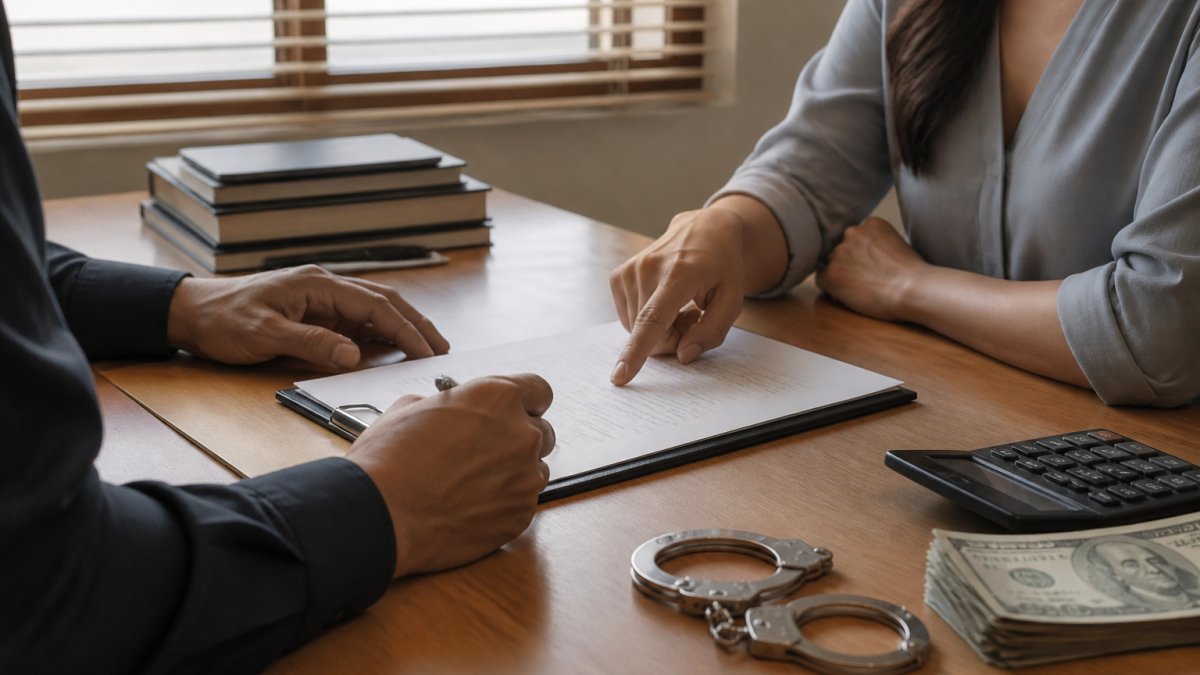
When you call, have the information listed above ready. The bondsman will explain how bail bonds work: they pay the bail amount to the court on your behalf, and you pay the bondsman a fee. The fee is typically a percentage of the bail amount set by state law, usually around 10-15%, and is non-negotiable between bondsmen (naic.org).
The bondsman will explain the indemnity agreement, a contract stating you're responsible for ensuring the defendant shows up for all court appearances. If they don't, you could lose the collateral you pledged.
Once you've agreed to terms, the bondsman files paperwork with the court and jail. The jail is notified that a surety bond has been posted. The defendant is processed for release. National Bail Bond of Lubbock is available 24/7.
How to Find a Licensed Bail Bondsman
Start by asking the jail directly. When you call the facility, they can often provide a list of approved bail bond companies. Search online for bail bond companies in your area and look for a physical office location. Legitimate bondsmen have offices you can visit.
Check reviews on Google, Yelp, and the Better Business Bureau. Call multiple bondsmen and compare their fees, collateral requirements, and processing speed. A good bondsman will answer patiently and give you clear information.
Ask about their experience with your specific situation. National Bail Bond of Lubbock has over 50 years of experience with the criminal justice system. We serve Lubbock and Hockley County.
Verify the bondsman is actually licensed. Call your state's Department of Insurance or licensing board and ask them to confirm the bondsman's license is current and in good standing. Legitimate bondsmen welcome this verification.
Bail Bond Process Timeline: From Arrest to Release
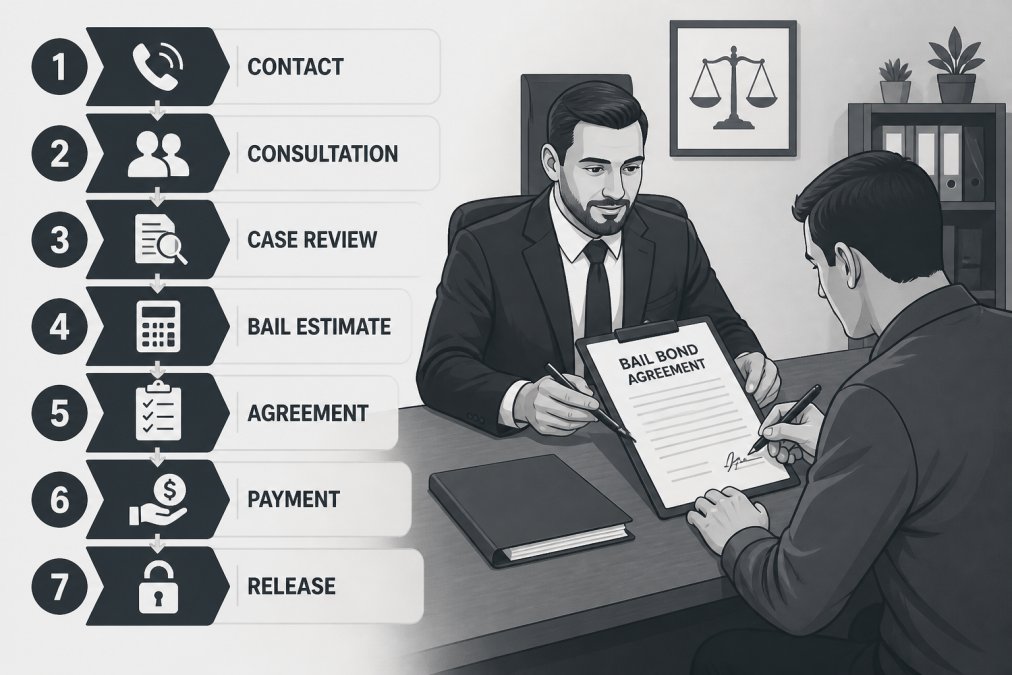
Understanding the typical sequence helps you know what to expect. This is where the concept of a fast jail release process becomes real and measurable.
Arrest to Booking: 30 minutes to 3 hours. Police transport the detainee to the facility and begin intake. If the facility is busy or the person has complications, this stretches toward 3 hours.
Booking to Bail Hearing: 24 to 72 hours. By law, the detainee must have a bail hearing within this window. If arrested on Friday evening, the hearing might not happen until Monday morning.
Bail Hearing to Bond Posted: 1 to 4 hours. Once bail is set, you contact a bondsman. If you call immediately and have information ready, the bondsman can file paperwork within an hour.
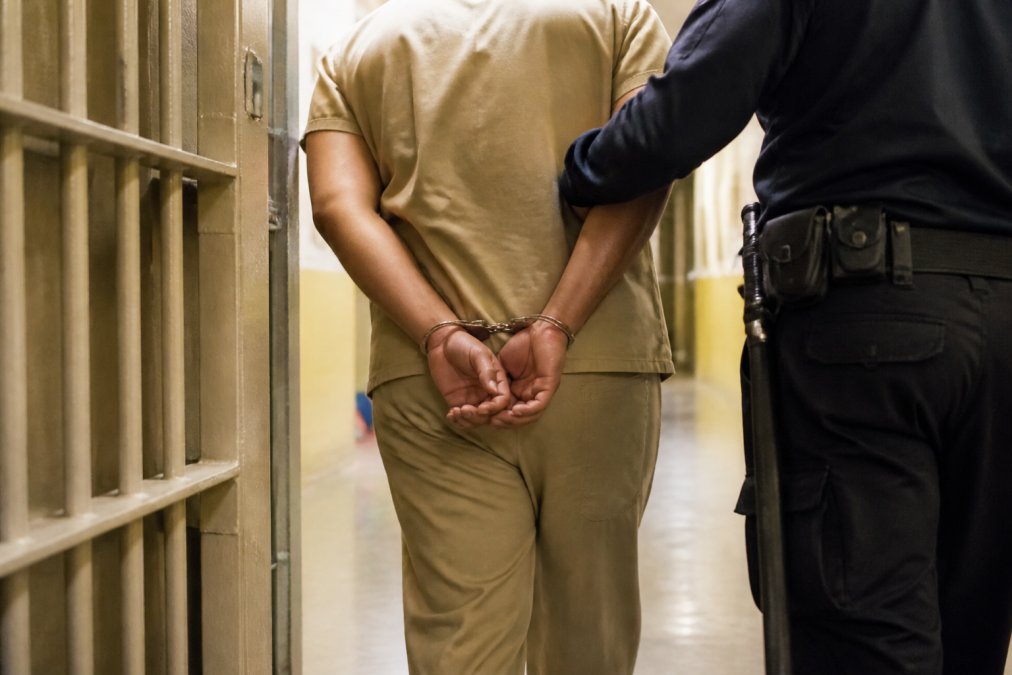
Bond Posted to Release: 30 minutes to 2 hours. After the bond is filed, the jail prepares release paperwork, verifies the bondsman's documents, processes personal property, and conducts a final security check.
Total timeline: 26 to 82 hours from arrest to release. The variation depends on when the arrest happens relative to court schedules, how quickly you contact a bondsman, and how busy the jail is.
Factors That Affect Release Speed
Time of arrest matters. An arrest at 2 PM on Tuesday allows a bail hearing the next morning. An arrest at 11 PM on Friday means waiting until Monday. Weekends and holidays automatically add delays.
Bail amount affects processing. A simple misdemeanor with a $500 bail processes faster than a felony with a $50,000 bail.
Detainee cooperation speeds things up. If the person in custody answers questions clearly and provides accurate information, processing moves faster.
Bondsman efficiency matters tremendously. A bondsman who files paperwork immediately and knows the judges and jail staff processes releases faster. This is why choosing the right bondsman is critical.
Jail facility capacity affects timeline. During high-volume periods, release processing can slow.
National Bail Bond of Lubbock prioritizes speed without cutting corners. We file paperwork immediately, follow up with the court and jail, and keep clients informed. National Bail Bond is widely recognized for its competent, reliable bail services.
Payment Methods, Collateral, and Release Approval
Payment for the bail bond fee is typically due upfront, before the bondsman files paperwork with the court. The fee is a percentage of the bail amount set by state law and is non-refundable. You're paying for the bondsman's service and their willingness to guarantee the bail amount to the court.
Most bondsmen accept cash, credit cards, and bank transfers. Some accept payment plans if the fee is substantial. National Bail Bond of Lubbock works with the defendants to navigate the court system.
Collateral is security you pledge to protect the bondsman if the defendant fails to appear in court. This could be the deed to a house, the title to a vehicle, jewelry, or other valuables. The collateral stays with the bondsman until the case is resolved and the defendant has appeared in court as required.
The collateral is held as insurance, not as payment. If the defendant appears in court and the case concludes, the collateral is returned to you. The bondsman keeps only the fee. If the defendant disappears and forfeits bail, the bondsman can sell the collateral to cover their loss.
Release approval happens when the court and jail confirm that the bail bond paperwork is complete and correct. The jail notifies the bondsman that the detainee is approved for release. Personal property is returned, release documents are signed, and the person is escorted from the facility. This typically takes 30 minutes to 2 hours.
Frequently Asked Questions
Q: What is the fastest way to get released from jail?
A: The fastest jail release process typically involves securing a bail bond through a licensed bondsman immediately after booking. A bail bond allows you to be released without paying the full bail amount set by the judge. Contact a 24/7 bail bond service as soon as possible after arrest. They will gather necessary information about charges and bail amount, then arrange release. Processing time varies, but many releases occur within hours once the bail bond is posted with the court.
Q: What information is needed for a bail bond application?
A: To apply for a bail bond, you'll need the detainee's full name, booking number, charges, bail amount, and the jail facility location. Have the arrested person's date of birth, contact information, and employment details ready. You may also need information about collateral or a co-signer. A licensed bail bondsman can guide you through exactly what documentation is required for your specific situation.
Q: How do I verify that a bail bondsman is legitimate and licensed?
A: Verify a licensed bail bondsman by checking with your state's Department of Insurance or the licensing authority in your jurisdiction. Ask for their license number and confirm it's current and active. Legitimate bail bond companies have physical office locations, not just phone numbers. Avoid anyone requesting payment via gift cards, cryptocurrency, or wire transfers to untraceable accounts. A professional bondsman will explain fees clearly, provide documentation, and never pressure you into decisions.
Q: How long does the entire jail release process typically take?
A: The bail bond process timeline from arrest to release generally takes 2-24 hours, depending on several factors. Booking and processing can take 1-3 hours. The bail hearing may occur within 24-72 hours of arrest. Once bail is set and a bond is arranged, posting the bond with the court typically takes 1-4 hours. Delays occur due to jail overcrowding, processing backlogs, or incomplete information. Working with a 24/7 bail bond service helps minimize delays by having experienced staff handle paperwork and court coordination efficiently.
Getting someone out of jail fast requires knowing the system and having a professional in your corner. National Bail Bond of Lubbock has the experience, the connections, and the 24/7 availability to move your case forward immediately. We explain every step clearly so you understand what's happening and why. We work with the court and jail staff to eliminate delays. Contact us today, and let's get your family member released.
This article was written using GrandRanker