 how-to
Hockley County Jail Bail Bonds: How to Post Bail in Texas
Table of Contents
- Step 1: Gather the Information You Need for Hockley County Jail Bail Bonds
- Understanding Bail Bond Fees in Texas and What You Actually Pay
- How to Post Bail in Texas: The Step-by-Step Process
- The Hockley County Jail Release Process: A Step-by-Step Walkthrough
- How to Avoid Bail Bond Scams and Verify a Legitimate Bondsman
- What Happens If You Miss a Court Date or Have an Outstanding Warrant
- Frequently Asked Questions
Last Updated: September 30, 2026
Step 1: Gather the Information You Need for Hockley County Jail Bail Bonds
Getting someone out of custody starts with one phone call and the right details. Hockley County jail bail bonds move fastest when you can give a bondsman the full name, date of birth, and booking number of the person in custody.
What to Ask When You Call the Jail
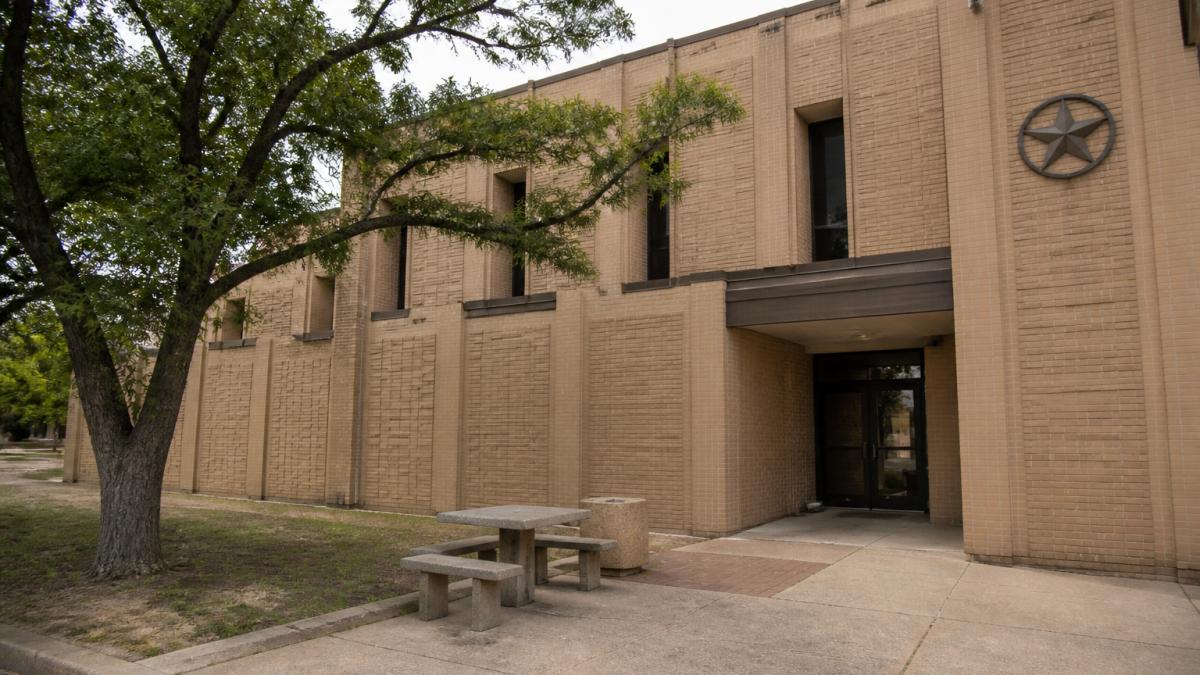
When you call the Hockley County Sheriff's Office, ask for the person's custody status, the exact charges, the bail schedule amount, and whether a magistrate has already set bond. If no bond has been set, ask when the arraignment or bond hearing is scheduled.
Why Accuracy Matters for a Fast Release
A misspelled name or wrong date of birth sends the booking process back to square one. The jail matches paperwork against its own records, and a mismatch means your indemnity agreement sits in a pile while your family member stays in custody. Verify every detail twice before you sign anything.
Understanding Bail Bond Fees in Texas and What You Actually Pay
Texas regulates what a bail bond company can charge, and the rules are stricter than most people expect. Under Texas Occupations Code Chapter 1704, a surety bond premium is generally set by a schedule the county adopts, not by whatever a bondsman feels like charging that night.
Cash Bail vs. Surety Bonds: What's the Difference?
Cash bail means paying the full amount directly to the court. A surety bond means a licensed bondsman posts the full amount on your behalf, and you pay a non-refundable premium plus any administrative fee the county allows. Most families choose the surety route because it preserves their savings.
| Option | What You Pay Up Front | Who Posts the Full Amount | Refundable? |
|---|---|---|---|
| Cash bail | Full bail amount | You | Yes, after court appearance |
| Surety bond | Premium plus fees | Licensed bondsman | No, premium is earned |
| Attorney bond | Attorney arranges with court | Your attorney | Varies by arrangement |
Payment Plans and Financing Options
Many bondsmen offer down payment arrangements and installment plans, and some accept collateral such as a vehicle or property deed to cover the balance. Ask what happens if you miss a payment, and get the terms in writing before you sign the indemnity agreement.
How to Post Bail in Texas: The Step-by-Step Process
Learning how to post bail in Texas takes about an hour of paperwork once you have the right information. The process works the same way in most counties, though Hockley County has its own intake rhythm.
- Confirm the charges and bail amount with the jail
- Choose cash bail, a surety bond, or an attorney bond
- Contact a licensed bondsman and provide booking details
- Sign the indemnity agreement and pay the premium
- The bondsman posts the bond with the county
- The jail verifies and begins release from custody
- Confirm the court appearance date and any bond conditions
The Booking and Release Process in Hockley County
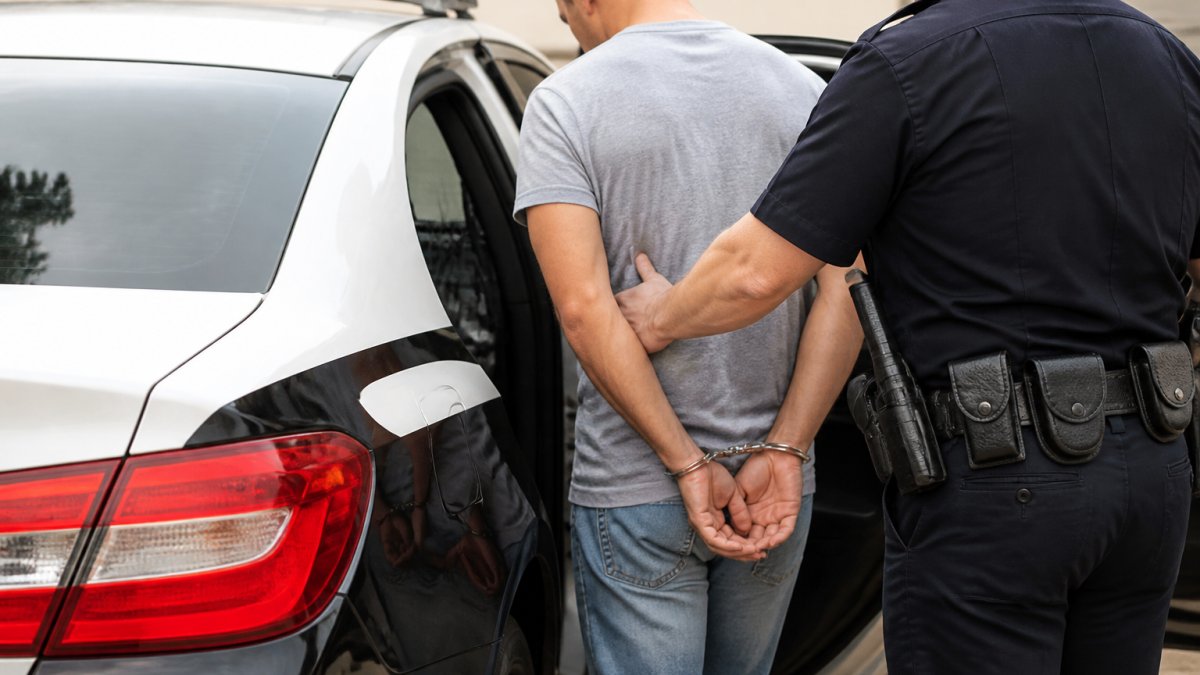
After arrest, the person is booked, fingerprinted, and held until a magistrate sets bond. Once bond is posted, release typically takes a few hours, though it can stretch longer on busy nights or weekends. Ask the bondsman for a realistic window rather than a promise.
The Hockley County Jail Release Process: A Step-by-Step Walkthrough
Most pages that rank for this search hand you a generic seven-step list and stop. What actually determines how fast someone walks out of the Hockley County jail is the sequence inside the facility, who touches the paperwork, when the magistrate signs, and where the bottlenecks sit.
Stage 1: Arrest, Booking, and Intake
After arrest, the person is transported to the Hockley County jail, searched, photographed, and fingerprinted. Intake staff create a booking record and assign a booking number. This is the number your bondsman needs, not the arrest report number, not the case number.
Stage 2: Magistrate Review and Bond Setting
A magistrate reviews the booking record and sets bail according to the county's adopted bail schedule, or sets a personal recognizance bond, or holds the person without bond on certain charges. This is the step families cannot rush. If the magistrate has not yet reviewed the case, no bondsman can post anything, the bond amount does not exist yet.
Stage 3: Family Contacts a Bondsman
Once bond is set, call a licensed bondsman with the full legal name, date of birth, booking number, and the exact charges. The bondsman verifies the bond amount directly with the jail, then prepares the indemnity agreement. Expect to provide a government-issued ID, proof of address, and payment for the premium.
Stage 4: Paperwork, Premium, and Collateral
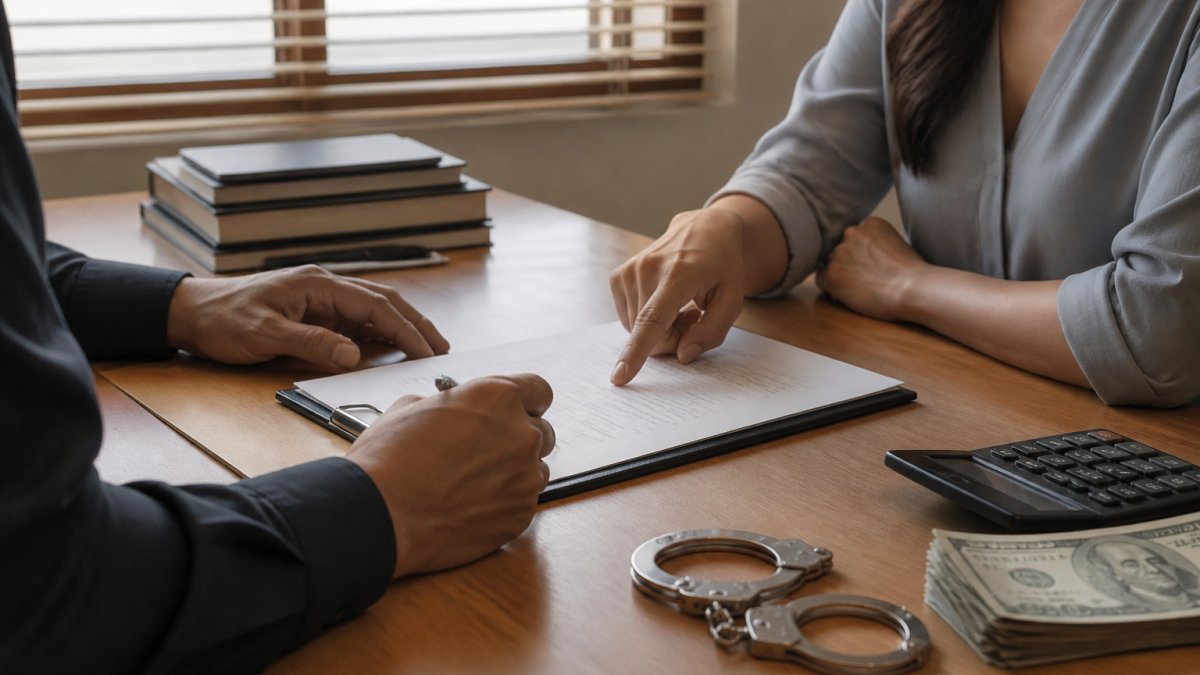
The indemnity agreement makes you financially responsible for the full bail amount if the defendant fails to appear. The premium is non-refundable. If collateral is required, it is documented in the same agreement. Read every line before signing, the agreement, not a phone conversation, is what governs the arrangement.
Stage 5: Bond Posted With the County
The bondsman delivers the bond to the jail or the court, depending on where the bond was set. The jail then verifies the bond's authenticity and the bondsman's license. This verification step is where most avoidable delays happen: a mismatched name spelling, a wrong charge code, or a bond delivered to the wrong desk sends the paperwork back.
Stage 6: Release Processing
Once the bond clears verification, jail staff process the release. The person is returned personal property, given release paperwork, and walked out. Release typically takes a few hours after the bond clears, but it can stretch on busy nights. Ask the bondsman for a realistic window, not a guarantee.
Stage 7: Pickup and First Court Date
Arrange pickup in advance, the jail releases to the curb, not to a lobby, and there is no ride service waiting. Before you leave, confirm the court appearance date, the courtroom, and any bond conditions such as check-ins, travel restrictions, or no-contact orders.
Where the Delays Actually Hide
- No magistrate review yet, nothing can be posted until bond is set
- Name or DOB mismatch between what you gave the bondsman and the jail record
- Bond delivered to the wrong desk, jail versus court
- Weekend and holiday intake backups
- Outstanding holds from another county, a Hockley County bond will not release someone who is also wanted elsewhere
That last point catches families off guard. If the person has an active warrant or detainer from another jurisdiction, posting bond in Hockley County does not clear it. The bondsman can usually identify the hold during verification, but you have to ask.
How to Avoid Bail Bond Scams and Verify a Legitimate Bondsman
Bail bond scams follow a predictable pattern: someone calls demanding immediate payment by gift card, Bitcoin, or a peer-to-peer app, and pressures you to skip questions. Real bondsmen welcome questions.
Before you pay anyone, check these:
- The company has a physical office you can visit
- The bondsman holds a current Texas license
- The premium matches the county's adopted schedule
- You receive a signed agreement and a receipt
- The company answers the phone 24/7, not just business hours
What Happens If You Miss a Court Date or Have an Outstanding Warrant
Missing a court date is not a paperwork problem, it is a legal event with a clock attached. Understanding the sequence is what separates a fixable situation from an expensive one.
What a Missed Court Date Actually Triggers
When a defendant fails to appear, the court can declare a bond forfeiture. That means the full bail amount becomes a debt owed to the county, and the bondsman, who posted that amount on your behalf, now has the right to pursue you for it under the indemnity agreement you signed.
The Forfeiture Timeline
The exact deadlines are set by the court and by state procedure, but the pattern is consistent: the court issues a notice of forfeiture, the bondsman has a limited window to produce the defendant or file a motion to set aside the forfeiture, and after that window closes the debt is enforceable.
How to Reinstate a Bond
Reinstatement is not automatic. It usually requires the defendant to surrender to the court, the bondsman to file a motion to set aside the forfeiture, and the judge to agree. Some courts require an additional fee or additional collateral. The bondsman is your ally here, they have a financial incentive to get the bond reinstated rather than pay the forfeiture, but they cannot do it without the defendant turning themselves in.
Outstanding Warrants: What They Are and How to Check
An outstanding warrant is an active order for arrest that does not expire on its own. It can surface at a traffic stop, a background check for a job or apartment, or during a warrant roundup, a coordinated sweep where agencies clear backlogged warrants in a short window.
- Contacting the Hockley County Sheriff's Office directly to ask about active warrants
- Asking a criminal defense attorney to check on your behalf
- Using the county's public warrant search if one is available
- Hiring a bondsman who can verify custody status and holds
Why You Should Call a Lawyer and a Bondsman the Same Day
A criminal defense attorney addresses the underlying charge and the failure-to-appear. A bondsman addresses the bond and the forfeiture. These are two different problems with two different clocks, and handling one without the other usually makes both worse. Call both the day you learn about the missed date.
Frequently Asked Questions
How much does a bail bond cost in Texas?
In Texas, bail bond fees are typically a percentage of the total bail amount, set by state regulations. The exact fee depends on the bail amount and the bondsman's contract. You may also be responsible for additional fees, such as administrative costs. Because pricing can vary, it's best to contact a licensed bail bondsman directly for a clear breakdown of what you'll pay.
What is the difference between a cash bond and a surety bond in Hockley County?
A cash bond requires you to pay the full bail amount to the court, which is refunded if the defendant appears for all court dates. A surety bond involves a licensed bail bondsman who posts the full amount on your behalf for a non-refundable fee, usually a percentage of the bail. Surety bonds are more common because they don't require the full bail amount upfront.
How long does the release process take after posting bail in Texas?
Release times vary by jail and case. In Hockley County, once the bond is posted and verified, release can take anywhere from a few hours to longer, depending on booking procedures and court schedules. Having accurate information ready and working with an experienced bondsman can help avoid delays. Ask the bondsman for an estimate based on current jail conditions.
Can I pay a bail bond online for Hockley County inmates?
Many bail bond agencies offer online payment options, but you should verify the company is legitimate before sending money. Never use gift cards or cryptocurrency to pay a bondsman. A reputable agency will provide a physical office, clear paperwork, and a licensed agent. Contact the bondsman directly to confirm accepted payment methods and get a receipt.