 how-to
How to Pay Bail Bond: Step-by-Step Guide
Table of Contents
- What You Need Before Paying Bail Bond
- Understanding Bail Bond Premium Rates in Texas
- Step-by-Step Process to Pay Bail Bond
- Accepted Payment Methods for Bail Bonds
- Bail Bond Payment Plans and Flexible Options
- What Is a Bail Bond Indemnitor and Your Responsibilities
- Avoiding Bail Bond Scams and Verifying Legitimacy
- What Happens After Bail Is Paid
- Frequently Asked Questions
Last Updated: September 21, 2026
What You Need Before Paying Bail Bond
When someone gets arrested, time matters. The faster you move, the faster they get released. Before you contact a bail bondsman, gather the information you'll need.
You'll need the defendant's full legal name, date of birth, and the charges against them. Have the booking number and case number ready. These come from the arrest paperwork or the jail facility. You'll also need the inmate's location, which jail they're being held in.
Bring a valid photo identification. You'll need it to sign documents. If you're paying with a credit card or bank transfer, have that information ready too.
National Bail Bond of Lubbock can walk you through what paperwork matters and what doesn't. Call 24/7, don't wait until morning if your family member gets arrested tonight.
Understanding Bail Bond Premium Rates in Texas
A bail bond premium is what you pay the bondsman for their service. It's a percentage of the full bail amount set by the court. In Texas, bail bond premiums are regulated, but the exact rate depends on several factors.
The bondsman puts up the full bail amount with the court. In return, you pay them a percentage fee. This fee is non-refundable, you don't get it back even if the defendant shows up to court and the case goes in their favor.
The premium covers the bondsman's risk. If the defendant doesn't show up for court, the bondsman loses the entire bail amount. That's why they ask questions about the defendant's ties to the community, employment, and criminal history.
Different bail amounts carry different considerations. A $5,000 bail feels different than a $50,000 bail. Bondsmen factor in the defendant's risk profile when finalizing terms. National Bail Bond of Lubbock has over 50 years working within the criminal justice system, they know how courts in this area operate and what factors actually matter for your specific case.
Step-by-Step Process to Pay Bail Bond
Step 1: Contact the Bail Bondsman
Call the bail bondsman immediately. Have the defendant's booking number and the jail location ready. The bondsman will ask basic questions: the defendant's name, charges, and bail amount.
National Bail Bond of Lubbock answers calls 24/7. You don't have to wait for business hours. This matters when arrests happen late at night or on weekends.
The bondsman will explain fees and answer your questions before you commit to anything. They should be clear about what happens next and what paperwork you'll sign.
Step 2: Provide Defendant Information
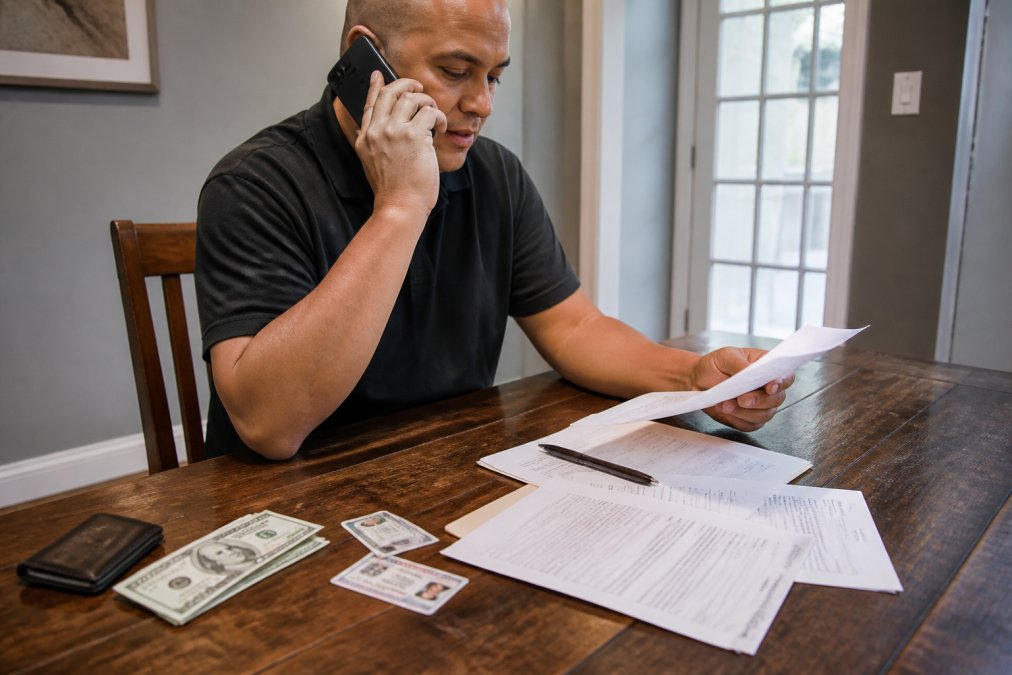
Give the bondsman accurate information about the defendant. Mistakes here delay release. Double-check the spelling of names and dates.
The bondsman needs to know:
- Full legal name (exactly as it appears on arrest paperwork)
- Date of birth
- Charges filed
- Booking number
- Which jail facility (county jail, city jail, or state facility)
- Current case number
If information is wrong, the release order gets rejected. The defendant stays in custody while paperwork gets corrected. That's why accuracy matters on the first call.
Step 3: Review Fees and Terms
Before you sign anything, understand the total cost. The bondsman must explain:
- The premium amount (the percentage fee you pay)
- Any service charges or additional fees
- What collateral is required (if any)
- What happens if the defendant misses court
- Payment method options
Ask questions. A legitimate bondsman welcomes them. If a bondsman refuses to explain fees clearly, that's a red flag. National Bail Bond of Lubbock prioritizes transparency, they show you the breakdown so you know exactly what you're paying and why.
Step 4: Choose Payment Method
Bail bonds accept multiple payment methods. You can pay by:
- Credit card or debit card
- Bank transfer or ACH payment
- Cash (at physical office locations)
- Payment plan or financing options
Each method takes different time to process. Credit card payments often process fastest. Bank transfers may take 24-48 hours depending on your bank.
National Bail Bond of Lubbock has a physical office in Lubbock, Texas. You can walk in and handle payment face-to-face if that makes you more comfortable. Many people prefer talking to someone in person during stressful situations.
Step 5: Sign Bail Bond Agreement
You'll sign a bail bond agreement. This is a contract between you, the defendant, and the bondsman. Read it carefully before signing.
The agreement states:
- The bail amount the bondsman is covering
- The premium you're paying
- Your responsibilities as the indemnitor
- What happens if the defendant doesn't show up to court
- The defendant's release conditions
Keep a copy for your records. You'll need it for reference later. The bondsman should give you a copy immediately after signing.
Step 6: Verify Release and Next Steps
After payment clears, the bondsman files the bail bond with the court. The court issues a release order. The jail processes the release, this usually takes 2-4 hours after the bond is filed, though times vary.
You can call the jail to confirm the defendant is being released. Ask for the inmate release time. The defendant will be given their personal belongings and released into the community.
The defendant must follow all court orders. They must appear at every scheduled court date. Missing even one appearance violates the bail bond agreement and can result in arrest.
National Bail Bond of Lubbock works with defendants to navigate the court system. They explain what court dates matter and what happens at each stage. This guidance helps prevent the mistakes that lead to additional charges.
Accepted Payment Methods for Bail Bonds
Bail bond companies accept payment through several channels. Your options depend on the bondsman and what works for your situation.
Credit and debit cards process fastest. Visa, Mastercard, and Discover are standard. Payment posts immediately, and the bondsman can file the bond right away.
Bank transfers and ACH payments work for larger amounts. These take 24-48 hours to clear, so timing matters if you need fast release.
Cash payments at the physical office provide immediate proof of payment. National Bail Bond of Lubbock maintains a physical office location in Lubbock where you can pay in person and speak directly with a bondsman.
Payment plans and financing spread the cost over time. Some bondsmen offer this for larger bail amounts. Terms vary, ask what's available for your situation.
Avoid payment methods that seem suspicious. Legitimate bondsmen never ask for:
- Gift cards
- Bitcoin or cryptocurrency
- Wire transfers to personal accounts
- Money sent through untraceable services
These are scam tactics. Real bondsmen use standard business payment methods.
Bail Bond Payment Plans and Flexible Options
Not everyone has the full premium amount available immediately. Some bondsmen offer payment plans to spread the cost.
A payment plan breaks the premium into installments. You might pay 50% upfront and the rest over 30-60 days. Terms depend on the bondsman and the bail amount.
Payment plans require trust. The bondsman needs confidence you'll complete payments.
Collateral protects the bondsman if you don't pay. Common collateral includes:
- Real estate (house, land)
- Vehicles
- Jewelry or valuables
- Bank accounts or savings
What Is a Bail Bond Indemnitor and Your Responsibilities
An indemnitor is the person who signs the bail bond agreement. You're taking responsibility for the defendant's release. This is a serious legal obligation.
As the indemnitor, you agree that:
- The defendant will appear at all court dates
- The defendant will follow all court orders
- You'll notify the bondsman of any changes in the defendant's address or employment
- You understand the bondsman can arrest the defendant if they fail to appear
Avoiding Bail Bond Scams and Verifying Legitimacy
Common scams include:
- Fake bondsmen who take payment and disappear
- Demands for payment via gift card or cryptocurrency
- Threats or intimidation tactics
- Fees that far exceed standard rates
- Refusal to provide written agreements
Verify legitimacy before paying anyone. Ask these questions:
Do they have a physical office? Legitimate bondsmen have real locations. National Bail Bond of Lubbock maintains a physical office in Lubbock. You can visit in person. Scammers only operate by phone or online.
What Happens After Bail Is Paid
Once the defendant is released, the real process begins. Release is just the start.
The defendant must follow all court orders. These typically include:
- Appearing at all scheduled court dates
- Not leaving the jurisdiction without permission
- Maintaining contact with their attorney
- Avoiding contact with alleged victims (if applicable)
- Staying out of legal trouble
Frequently Asked Questions
Can I pay bail bond online in Texas?
Many bail bondsmen now accept online payments through secure portals, electronic transfers, and credit card processing. Contact your bail bondsman directly to confirm which payment methods and platforms they offer. Some facilities also accept payments through kiosks located at the jail. Always verify you're using an official payment system to avoid scams, never send money through gift cards, cryptocurrency, or wire transfers to unfamiliar accounts.
What documentation do I need to provide to a bail bondsman?
You'll need the defendant's booking number, case number, full legal name, and the bail amount set by the court. Have valid photo identification ready for the indemnitor (the person paying the bond). Some bondsmen may request employment information, collateral details, or references. Gather the arrest report or court paperwork if available. Having this information organized before calling speeds up the process significantly.
How long does the release process take after bail is paid?
Release times vary by facility and circumstances. After payment is processed and the bail bond agreement is signed, the bondsman files the surety bond with the clerk of court. Processing typically takes 1 to 4 hours, though some releases occur within 30 minutes in less congested facilities. Weekends, holidays, and late-night arrests may extend the timeline. Your bondsman will provide an estimated release time based on current jail operations.
Are bail bond premiums refundable?
No. The premium fee you pay to the bail bondsman is non-refundable. This fee compensates the bondsman for the risk and service of posting your bail. Even if charges are dismissed or reduced, the premium is earned once the bond is issued. This is distinct from the full bail amount itself, if you post cash bail directly with the court, you may recover that amount when the case concludes (absent fines or restitution).