 how-to
How to Pay Bail for a Relative: Step-by-Step Guide
Last Updated: October 25, 2026
Quick Summary
To pay bail for a relative, confirm the exact bail amount and conditions with the court clerk or jail booking desk, then post the full amount through the facility's verified payment channel and keep your receipt. You can pay cash bail directly to the court or jail, or use a licensed bail bond agent who posts the bond for a non-refundable premium.
- Call the jail's booking desk with your relative's full legal name and date of birth to confirm the bail amount.
- Cash bail ties up the entire sum until the case ends, while a bond premium is never returned.
- Never send gift cards, cryptocurrency, or wire transfers to a personal account for bail.
- Release is not instant after payment and can take several hours, longer on weekends or holidays.
- Cash bail is generally refunded when the case concludes if your relative appears at every court date.
Table of Contents
- How to Bail Someone Out of Jail: The First Steps
- Cash Bail vs Bail Bond: Which Route Fits Your Situation
- How to Pay Bail for a Relative Directly at the Court or Jail
- Bail Bond Payment Options and What the Premium Covers
- Bail Money Refund: When You Get It Back and When You Don't
- Avoiding Bail Bond Scams and Payment Fraud
- What Happens If Bail Is Denied, Changed, or Unaffordable
- Call a Licensed Bondsman and Start the Release Process
- Frequently Asked Questions
How to Bail Someone Out of Jail: The First Steps
Learning how to pay bail for a relative starts with one call and one piece of paper. At NATIONAL BAIL BOND OF LUBBOCK, we walk families through this process.
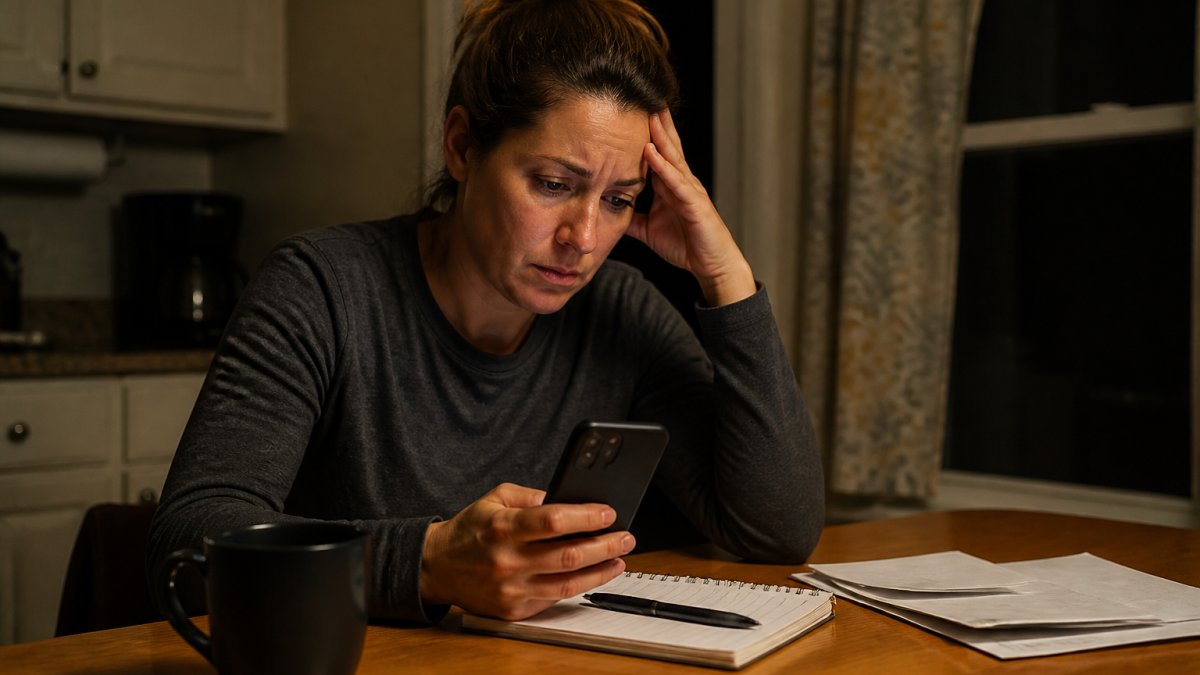
Locate Your Relative and Confirm the Bail Amount
You cannot pay bail until you know which facility holds your relative.
Write down the answers. Get the name of the person you spoke with. If the jail says your relative is not there, call the next facility.
Bail is the money or bond a court requires to release a defendant before trial. The amount is set by a judge or a bail schedule, not by the jail staff or a bondsman.
Gather the Information You Need Before You Call
A bondsman needs facts, not guesses. Wrong details slow the release down. Have this ready before you dial:
- Full legal name and date of birth of your relative
- The facility name and booking number
- The exact bail amount and any conditions
A common mistake is calling with a nickname or a misspelled name. Booking systems need the legal spelling. If you are unsure, confirm it with a family member first.
Cash Bail vs Bail Bond: Which Route Fits Your Situation
Cash bail means paying the full bail amount to the court.
The trade-off is simple: cash bail returns your money if your relative appears for every court date, while a bond frees up cash you may not have but never returns the premium.
For a deeper pros-and-cons breakdown of both routes, see our guide on bail bond vs cash bail.
How to Pay Bail for a Relative Directly at the Court or Jail
Paying bail directly means posting the full bail amount with the court or jail holding your relative. The money is held until the case concludes and is generally refunded if your relative appears at every required court date. Mechanics vary by jurisdiction, so treat the steps below as a verification checklist.
Step 1: Confirm the official bail amount and conditions
Before you pay anything, confirm the amount with the court clerk or the jail's booking or records desk, not with a caller, text message, or social media message. Ask for:
- The exact bail amount and whether it is a cash bail, surety bond, or other type of bond
- Any conditions attached to release (for example, no-contact orders, travel restrictions, or check-in requirements)
- The case number and the charging document
Write down the name and title of the person you spoke with. If a phone quote differs from what a bondsman or third party told you, trust the court or jail record and ask the clerk to confirm it in writing or through the official county website.
Step 2: Confirm which payment methods the facility actually accepts
Accepted methods vary widely. Common options include:
- Cash, in person at the court clerk's office or jail lobby
- Cashier's checks or money orders made payable exactly as instructed
- Credit or debit cards, sometimes through a third-party payment processor the facility contracts with
Call ahead and ask: what forms of payment are accepted, what the payee name must be, whether there is a convenience fee, and whether payment is accepted 24 hours a day or only during business hours. Some facilities do not accept personal checks, and some card payments carry a non-refundable processing fee even if the bail is later returned.
Step 3: Post the payment through the verified channel
- Get the exact amount and payee name from the court or jail.
- Obtain a cashier's check or money order if required, made out exactly as instructed.
- Bring your government-issued photo ID and your relative's full legal name, date of birth, and booking number.
- Pay only at the official window or through the payment portal linked from the official county or court website.
- Ask for a receipt and keep it in a safe place, you will need it to claim a refund later.
- Note the court date, the courtroom, and any release conditions in writing.
Step 4: Understand the timeline from payment to release
Release is not instant after payment. The jail must verify the payment, process the release paperwork, and complete booking-out procedures, several hours at busy facilities, sometimes into the next day on weekends or holidays.
If several hours pass with no release, call the booking desk with your receipt number for a status update. Do not pay anyone to "expedite" the release, no legitimate third party can speed up a jail's internal processing for a fee.
Step 5: Know what you are agreeing to as the payer
The person who posts cash bail is generally entitled to the refund when the case concludes, provided the defendant appears at all required court dates. But you may be asked to sign an agreement acknowledging the conditions of release, read it before you sign.
Here is the direct-payment process at a glance, from confirming the amount to understanding what you agree to as the payer.
| Step | What to do | Key detail |
|---|---|---|
| 1 | Confirm official bail amount and conditions | Verify with court clerk or jail, not a caller |
| 2 | Confirm accepted payment methods | Ask about payee name, fees, and hours |
| 3 | Post payment through verified channel | Keep the receipt for a later refund |
| 4 | Understand timeline from payment to release | Release takes several hours, longer on weekends |
| 5 | Know what you are agreeing to as payer | Payer is generally entitled to the refund |
Bail Bond Payment Options and What the Premium Covers
A bail bond premium is the fee a bondsman charges to post the full bond on your behalf.
Payment options usually include cash, card, and sometimes payment plans. Ask for the full breakdown in writing before you sign anything. You should know the premium, any collateral required, and what happens if your relative misses court.
Who Can Co-Sign and What Collateral May Be Required
A co-signer shares financial responsibility for the bond. Most bondsmen accept a family member or friend with steady income and valid ID who promises to pay if the defendant fails to appear.
Collateral is property or valuables pledged to secure the bond. Not every bond needs it. When it does, common forms include:
- A vehicle or real estate
- Cash or a savings account
- Valuable personal property
If you do not have property to pledge, read our guide on alternatives to property for bail bond collateral to see what else may be accepted.
Bail Money Refund: When You Get It Back and When You Don't
Cash bail is refunded when the case concludes and the defendant has appeared at every required court date. The court returns the full amount, sometimes minus administrative fees.
A bail bond premium is not refunded. That money paid for the bondsman's service.
You lose the cash bail if your relative misses a court date. The court keeps the money and may issue a warrant.
Avoiding Bail Bond Scams and Payment Fraud
Scams target families in a hurry. The warning signs are consistent. A real bondsman has a physical office, a license you can check, and a written agreement. A scammer wants gift cards, crypto, or a wire transfer to a stranger, and pushes you to act fast.
Protect yourself with these steps:
- Verify the company's license with the state or county
- Visit the office in person if you can
- Get every fee in writing before paying
Our guide on avoiding bail bond scams lists the exact checks to run before you hand over any money.
What Happens If Bail Is Denied, Changed, or Unaffordable
Bail is not final. A judge can deny bail, set an amount your family cannot afford, or change the amount later at a hearing. Each situation has a different next step, and knowing which one applies saves critical time.
If bail was denied
A denial usually means the judge found the defendant posed a flight risk or a danger to the community, or that state law restricts release for the charge. The defendant generally remains in custody until trial unless a judge changes the ruling. Contact the defense attorney as soon as one is appointed or retained and ask whether a bail review hearing can be requested.
If bail was set higher than you can afford
A high bail amount is a common reason families turn to a bail bond: a licensed bondsman posts the full bond and charges a non-refundable premium, which spreads the cost but does not eliminate it. Before you commit, ask the defense attorney whether the court will consider a bail reduction motion. Judges sometimes lower bail when presented with information about the defendant's community ties, employment, and family.
If bail conditions changed
Bail can be raised, lowered, or have conditions added at any hearing, for example, after a new charge or a missed court date. If your relative was already released, the bondsman and defendant are usually notified of changes. If you posted cash bail and the amount is later increased, you may need to post the difference to keep your relative out of custody.
If your relative cannot afford any bail
Some jurisdictions offer release on personal recognizance, unsecured bond, or supervised release for qualifying defendants. The court sets these options, not the family, and eligibility depends on the charge, the defendant's record, and the judge's assessment. Ask the defense attorney whether they are available. For a broader look, see our article on alternatives to bail.
What the family should do next
- Confirm the current bail status with the court clerk, denied, set, or changed.
- Contact the defense attorney and ask about a bail review or reduction motion.
- If a bond is the practical route, verify the bondsman's license and get every fee in writing before signing.
- Keep a written record of every hearing date and every change to the bail conditions.
Bail decisions can change quickly. The family's best protection is accurate information from the court and the defense attorney, not a third party who stands to profit from the payment.
Call a Licensed Bondsman and Start the Release Process
The fastest path from payment to release is a licensed bondsman who knows the local jail's process. We are available 24/7, serve Lubbock County and Hockley County inmates, and have a physical office in Lubbock where you can speak to someone face to face.
Get started with NATIONAL BAIL BOND OF LUBBOCK and get your relative home sooner. Reach out through our contact page to begin the release process now.
Frequently Asked Questions
Can I pay bail for someone else, and what information do I need?
Yes, you can pay bail for a relative or friend in most cases. Before you pay, you need the person's full legal name, date of birth, the county jail where they are held, and the booking or case number. Confirm the exact bail amount and any conditions with the jail or court directly, because a bail bond agent or a third party cannot change what the court has set. Having the correct booking information prevents delays in release processing.
How much does it cost to bail out a relative using a bail bond?
A bail bond agent typically charges a non-refundable premium that is a percentage of the full bail amount, though the exact rate is set by state regulation and the bond agreement. That fee is the agent's charge for posting the bond, not a payment toward the bail itself. Ask the agent to explain the full breakdown in writing before you sign anything.
Can I get bail money back after the case is over?
Cash bail paid directly to the court is generally returned after the case concludes, provided your relative attends every court date and meets all bail conditions. The court may deduct administrative fees or unpaid fines before issuing the refund. A bail bond premium is not refundable, because it pays the agent for taking on the financial responsibility. If your relative misses a court date, the court can order the full bail amount forfeited, which is why reminders and calendar tracking matter.
What happens if my relative misses a court date after I pay bail?
A missed court date is a failure to appear. The judge can revoke the bond, order the full bail amount forfeited, and issue a warrant for your relative's arrest. If you used a bail bond, the agent becomes financially responsible for the full amount and may pursue you as the co-signer. Call the court and the bond agent immediately if a date is missed, since some jurisdictions allow the bond to be reinstated if the person appears quickly with a valid reason.
The hardest part of this process is the uncertainty, and it does not have to slow you down. NATIONAL BAIL BOND OF LUBBOCK offers 24/7 availability, direct access to official bondsmen, and clear guidance that protects your family from scams. Get started with NATIONAL BAIL BOND OF LUBBOCK and move from a confusing night to a clear plan for release.