 how-to
Avoiding Bail Bond Scams in Texas: Verify Before You Pay
Last Updated: October 23, 2026
Quick Summary
Avoid bail bond scams in Texas by verifying the agent's license through the Texas Department of Insurance, confirming custody and bond amounts with the jail or court directly, and calling the agency back on a number you found yourself. Never pay by gift card, wire, or crypto, and never pay without a signed written contract.
- Scammers pull real names, charges, and jail locations from public records to make their calls convincing.
- Confirm the person is in custody using the jail's inmate lookup or published main number, not a number the caller gave you.
- A legitimate agent answers all eight verification questions without hesitation and puts every term in writing.
- If you paid by card, ask your bank for a chargeback immediately and report the transaction as fraud.
- Report the scam to local police, the Texas Department of Insurance, and the FBI Internet Crime Complaint Center.
Table of Contents
- Why Bail Bond Scams Target Families in Texas
- Bail Bond Scam Red Flags to Watch For
- How to Verify a Bail Bondsman Before You Pay
- Questions to Ask a Bail Bondsman Before Signing
- Payment Methods That Protect You From Fraud
- What to Do If Scammed by a Bail Bondsman
- Texas Bail Bond Fees and Contract Transparency
- Frequently Asked Questions
Why Bail Bond Scams Target Families in Texas
Bail bond scams work because they attack people at their most vulnerable moment. A family member is in jail, the clock is ticking, and someone calls with a "solution." That pressure is exactly what scammers build their business on.
Learning to spot bail bond scams early is the single best defense.
How Scammers Find Their Targets
Most scammers do not guess. They get arrest information from public jail records, then call relatives listed in booking files.
Here is how the contact usually starts:
- A call from a number that looks local or official
- A text claiming to be from a bondsman or the jail
- A social media message from a fake agency page
That last detail is what makes people trust the call. It should not.
Bail Bond Scam Red Flags to Watch For
The clearest bail bond scam red flags are pressure and payment methods. If either feels wrong, stop and check before sending anything.
Watch for these signals:
- Urgent demands. "Pay in the next hour or the bond gets revoked."
- Unsolicited contact. A bondsman you never called reaching out first.
- Impersonation. Someone claiming to be law enforcement, a jail employee, or a bail bond company.
High-Pressure Demands and Urgent Payment Requests
Legitimate bail bond agents work under deadlines, but they do not threaten. A real agent explains the bond amount, the premium, and the paperwork before asking for anything.
A scammer flips that order. Money first, details later, and always with a countdown.
Ask yourself one question: would a licensed professional refuse to put terms in writing? The answer is no.
How to Verify a Bail Bondsman Before You Pay
Verifying a bondsman means checking three things: identity, license, and company records. Do all three before money changes hands. But verification should start one step earlier, with the arrest itself. A common pattern in impersonation scams is a caller who supplies real booking details and then rushes the family toward payment.
A bail bond agent in Texas must hold a current license, and that license can be checked through official state records. The Texas Department of Insurance license search lets you confirm a license number and status directly.
A Step-by-Step Verification Workflow
Follow these steps in order. Do not skip ahead, and do not let a caller talk you past a step.
- Confirm the person is actually in custody. Use the jail or sheriff's inmate lookup for the facility where the caller says the person is held, or call the facility's main published number. Do not use a number the caller gave you. If the person is not in custody, stop; there is no bond to post.
- Confirm the bond amount through the court or jail. Ask the facility or the clerk of the court for the bond amount and any conditions. Write the figure down. A caller who quotes a different amount than the official record is a red flag.
- Get the agent's full name and license number over the phone.
- Look up the license in the state licensing database and confirm the status is active.
- Confirm the company name matches what appears on the license, and confirm the agent is authorized to write bonds in the county where the person is held.
- Call the agency's listed office number, not the number that called you. Ask the person who answers to confirm the agent's name and license number.
- Ask for the physical office address and confirm it exists through an independent map or directory listing.
- Request the contract in writing before any payment, and read the premium, collateral, and refund terms.
- Confirm payment instructions directly with the agency by calling the office number you found yourself. Payment should go to the agency, not to a personal account, and the agency should be able to confirm receipt.
- Pay only through traceable methods tied to the agency, and keep the receipt.
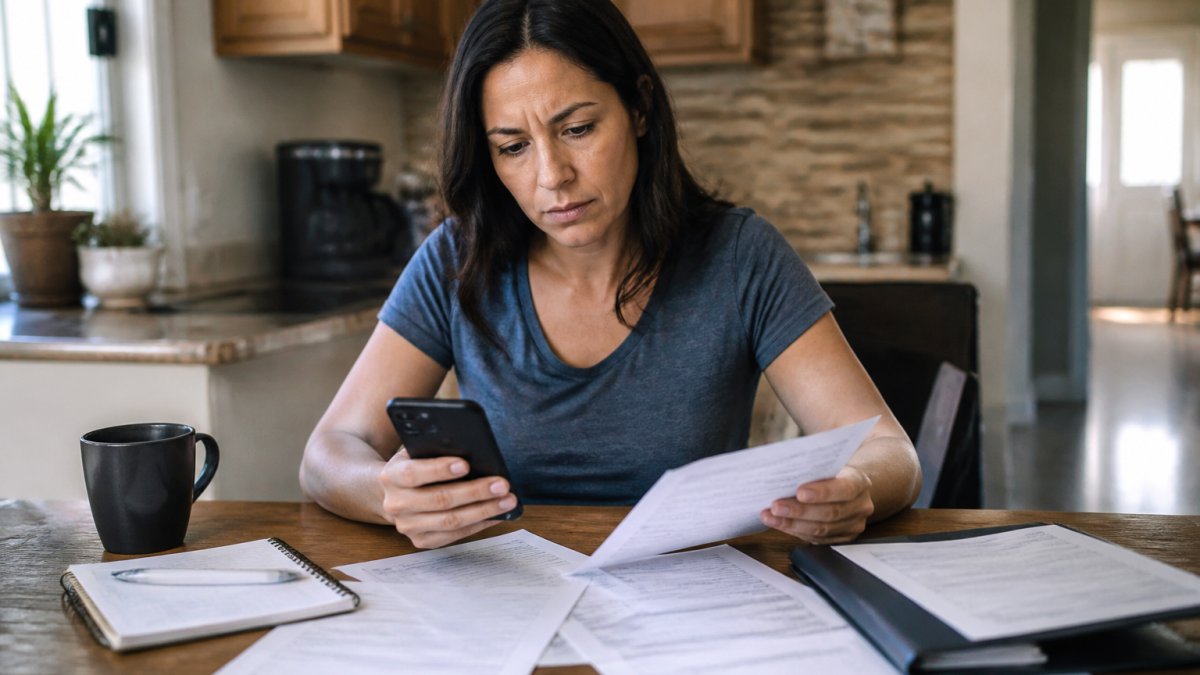
That workflow takes minutes. It also filters out nearly every impersonation attempt, because a fake agency cannot produce a matching license, a real office, and a payment instruction that the real office will confirm.
Verify the Custody Status First
Families often skip this step because the caller sounds official and already knows the charges. Do not skip it. Jail and sheriff's offices publish inmate locators, and many courts publish bond schedules or case information.
For a deeper walkthrough, our guide on how to verify a bail bondsman covers each step in detail. If you want to know exactly what licensing rules a real agency must meet, see our breakdown of bail bond agency requirements.
Questions to Ask a Bail Bondsman Before Signing
The right questions separate a professional from a scammer faster than any background check. Ask them before you sign anything.
Here is what to ask:
- What is your license number and agency name?
- What is the full bond premium, and what does it cover?
- Is any collateral required, and when is it returned?
A legitimate agent answers all eight without hesitation. Vague answers, deflection, or irritation at the questions are answers themselves.
For a fuller comparison of contract terms before you commit, our guide to hiring a bail bondsman walks through fees and paperwork line by line.
Payment Methods That Protect You From Fraud
Payment method is where most bail bond fraud succeeds. Scammers push money toward channels that cannot be reversed.
Use this rule: if the money cannot be traced or refunded, it is the wrong method.
| Payment Method | Risk Level | Why |
|---|---|---|
| Gift cards | Highest | Untraceable, no refund possible |
| Wire transfer | High | Hard to reverse once sent |
| Crypto | High | No recovery path |
| Cash app or peer transfer | Medium | Limited dispute options |
| Check or card to the agency | Lower | Traceable, documented |
| Cash at a physical office | Lower | Receipt and record available |
A real bail bond company will accept payment through documented channels tied to the agency. If someone insists on gift cards, that is not a bondsman.
No legitimate bail bond transaction requires gift cards, crypto, or a wire transfer to a personal account. Payment should always go to the agency through a documented method.
What to Do If Scammed by a Bail Bondsman
If you have already sent money or personal information, act fast and document everything. Speed matters more than embarrassment, and the first hour matters most because some payment methods can still be stopped. The steps below are ordered by urgency, not by importance.
First Hour: Stop the Money
- Stop all contact with the suspected scammer. Do not answer follow-up calls, texts, or messages, and do not agree to send more money to "release" the first payment. Recovery scams often target people who have already paid once.
- Call your bank or card issuer immediately. If you paid by card, ask for a chargeback and report the transaction as fraud. If you sent a wire, ask the bank to attempt a recall; wire recalls are not guaranteed, but speed improves the odds. If you used a peer-to-peer app, report the transaction in the app and contact the app's fraud support.
- If you paid by gift card, contact the card issuer right away. Gift card funds are often drained quickly, but issuers can sometimes freeze a card that has not been redeemed. Keep the card and the receipt.
- If you shared account or login information, change passwords, enable two-factor authentication, and contact the financial institution to flag the account.
Preserve the Evidence
Save everything before you block the caller. Screenshots of texts and social media messages, call logs with timestamps and numbers, voicemails, receipts, payment confirmations, the caller's claimed name and license number, and any contract or paperwork you received. Export or forward messages to yourself so they survive a lost phone. Write a short timeline of what happened and when. Investigators and banks both work faster with a clean timeline.
Report in the Right Order
- Local law enforcement. File a report with the police department where you live or where the payment was sent. Ask for the report number; banks and regulators often ask for it.
- The state licensing agency. If the caller gave a license number or claimed to represent a licensed agency, report the impersonation to the Texas Department of Insurance. The agency can confirm whether the license is real and whether the person is authorized to write bonds.
- The FBI Internet Crime Complaint Center. The FBI Internet Crime Complaint Center tracks fraud patterns and uses reports to build cases against repeat offenders. Filing takes a few minutes and creates a record even if your individual loss is small.
- The payment provider. File a fraud report with the bank, card issuer, wire service, or peer-to-peer app in addition to calling. Written reports create a paper trail.
- The credit bureaus. If you shared a Social Security number, date of birth, or account numbers, place a fraud alert or freeze with the major credit bureaus and review your credit reports for new accounts.
Protect the People Around You
Warn family members, especially anyone named in the booking record, that the scammer has their details and may call them next. Ask them not to send money or share information without verifying through you first. If the scammer is impersonating a specific bail bond company, call that company's published office number and tell them someone is using their name; legitimate agencies want to know and often post warnings. Our public notice about bail bond scam imposters explains how to reach the real business.
Texas Bail Bond Fees and Contract Transparency
Texas regulates bail bond fees, and the rules exist to protect you.
That percentage is capped by state rule. Confirm the current rate through the Texas Department of Insurance bail bond rules rather than relying on what a caller tells you.
What a transparent contract should show:
- The bail amount and the premium calculated from it
- Any down payment and the remaining balance schedule
- Collateral terms and the return conditions
A contract missing any of these is a problem. Our guide on hidden costs of bail bonds to avoid explains which fees and charges to watch for in a contract.
Never pay a premium without a signed written contract that lists the bail amount, the premium, and the collateral terms. Verbal deals leave you with no proof and no recourse.
Frequently Asked Questions
How can I tell if a bail bond agent is legitimate in Texas?
A legitimate bail bond agent in Texas holds a current license from the Texas Department of Insurance and can show you a written contract before you pay anything. Ask for the agent's license number and verify it through the state's official licensing lookup. A real bondsman will not rush you, will not demand gift cards or wire transfers, and will have a physical office you can visit. If any of those basics are missing, walk away and call a licensed company instead.
What payment methods should I avoid when paying a bail bondsman?
Avoid gift cards, wire transfers, cryptocurrency, and peer-to-peer apps with no paper trail. These are the payment methods most bail bond scam red flags point to because they are hard to reverse and hard to trace. A licensed bail bond company accepts cash, check, or card and gives you a receipt and a signed written contract. If someone insists on a gift card number over the phone, that is a scam, not a bail bond.
What should I do if I think a bail bond offer is a scam?
Stop communicating and do not send more money. Save every text, email, and call log, then report the incident to local law enforcement and to the Texas Department of Insurance, which regulates bail bond agents in the state. If you paid by gift card, contact the card issuer immediately; if you wired money, call your bank the same day. Then call a licensed bail bond company directly using a number you looked up yourself, not one the caller gave you.
Do you get bail money back in Texas after the case ends?
The premium you pay a bail bondsman is a non-refundable fee for the service, so you do not get that portion back. The full bail amount posted directly with the court is different and may be returned after the case concludes, minus any court fees, provided the defendant appeared at every required hearing. It is advisable to ask for a written explanation of what is refundable and what is not before signing any agreement.
Bail bond scams thrive on urgency and silence. The families who avoid them are the ones who slow down, verify a license, and demand a written contract before a dollar moves. NATIONAL BAIL BOND OF LUBBOCK offers 24/7 help for Lubbock and Hockley County families, a physical office you can walk into, and direct access to licensed bondsmen who put terms in writing. Get started with NATIONAL BAIL BOND OF LUBBOCK and secure a release without handing your money to a stranger on the phone.