 how-to
How to Spot Fake Bail Bond Scams: A Step-by-Step Guide
Table of Contents
- What Is a Bail Bond Scam and How It Works
- Common Red Flags of Bail Bond Fraud
- Step-by-Step: How to Verify a Legitimate Bail Bondsman
- What to Do If You Are Targeted by a Bail Bond Scammer
- Post-Scam Recovery and Identity Theft Protection
- Conclusion
Last Updated: August 25, 2026
What Is a Bail Bond Scam and How It Works
A bail bond scam is a fraudulent scheme where criminals impersonate legitimate bail bondsmen to extract money from families of incarcerated individuals. These scams exploit the panic and urgency families feel when a loved one is arrested, using deception and pressure to steal money through non-reversible payment methods.
Scammers weaponize three factors: confusion about the bail process, unfamiliarity with legitimate procedures, and desperation to secure quick release. National Bail Bond of Lubbock has worked with families for over 50 years and has seen how scammers exploit this vulnerability. The key to protecting yourself is understanding that legitimate bail bondsmen operate within strict legal frameworks; scammers do not.
The basic structure follows a predictable pattern: a scammer calls using spoofed caller ID to appear as law enforcement or a bail office, provides minimal arrest information obtained from public records, and demands immediate payment via untraceable methods like wire transfers, gift cards, or cryptocurrency.
How Scammers Obtain Your Information
Scammers gather information through multiple channels. Public arrest records are their primary source, every arrest in the United States is documented and publicly accessible. Scammers regularly scan these records for targets.
Social engineering is another tactic: scammers call jails posing as family members or attorneys requesting booking information. They also exploit social media, where phone numbers, addresses, and family connections are often publicly visible.
Data breaches and information sales also play a role. Criminal networks purchase stolen personal information from data brokers, allowing scammers to craft convincing calls that reference specific family members or details.
The Role of Caller ID Spoofing and Unsolicited Calls
Caller ID spoofing allows scammers to mask their true phone number and make calls appear to originate from official sources like the local jail, police department, or bail bond office. This technological deception bypasses natural skepticism toward unknown numbers.
Unsolicited calls about bail bonds are almost always suspicious. Legitimate bail bondsmen do not cold-call families. If your family member is arrested, you must contact a bail bondsman yourself; they will not contact you first. The only exception is if you've already called a bondsman and they're returning your call.
Scammers deliberately target late-night or early-morning arrests when families are confused, emotional, and less likely to think clearly.
Common Red Flags of Bail Bond Fraud
Learning these red flags could save your family thousands of dollars and protect you from identity theft.

Demand for immediate payment without allowing time to verify information is the most obvious red flag. Legitimate bail bondsmen understand families need time to gather funds. They will never threaten immediate incarceration if you don't pay within minutes or hours.
Requests for unusual payment methods are critical warnings. Legitimate bail bond companies accept credit cards, debit cards, checks, and bank transfers. They never ask for payment via gift cards, iTunes cards, Google Play cards, cryptocurrency, or wire transfers to personal accounts.
Refusal to provide official documentation is another major red flag. Legitimate bail bondsmen provide official paperwork, physical address, license number, and verifiable contact information. Scammers avoid these details or provide information that doesn't check out.
Vague or inconsistent information about the arrest is suspicious. Scammers often lack detailed information about actual arrests. If the caller cannot provide specific details matching what you independently verify, hang up immediately.
Pressure Tactics and Urgency Tactics Used by Scammers
Scammers create artificial urgency with phrases like "Your family member will be held overnight if you don't pay now" or "We need payment within the next hour." These statements trigger panic and prevent rational verification.
Threats are common: scammers claim your family member will face additional charges, longer sentences, or harsh treatment if you don't pay immediately. They may threaten warrants for other family members. None of these threats are legitimate.
Emotional manipulation is used strategically. Scammers reference your family member by name, mention arrest details, or express false sympathy to build rapport and trust.
Isolation tactics prevent you from seeking help. Scammers instruct you not to tell anyone about the call, claiming it will complicate the case or delay release. This instruction is an immediate red flag. Legitimate bail bondsmen encourage family involvement and never ask for secrecy.
Suspicious Payment Method Requests
The payment method requested is often the clearest fraud indicator. Legitimate bail bond companies accept standard financial instruments providing consumer protection and traceability. Scammers specifically request untraceable methods because transactions cannot be reversed.
Wire transfers move money directly from your bank account with no possibility of recovery. Gift cards can be quickly converted to cash or sold online. Cryptocurrency transactions are irreversible and difficult to trace. Prepaid debit cards function like cash once loaded. Money transfer services like MoneyGram or Western Union allow rapid cash withdrawal without identification.
If someone demands payment through any of these methods for a bail bond, it is a scam. No legitimate bail bondsman operates this way.
Step-by-Step: How to Verify a Legitimate Bail Bondsman
Verification is your primary defense against fake bail bond scams. Before sending any money, independently confirm you're working with a legitimate bail bondsman.
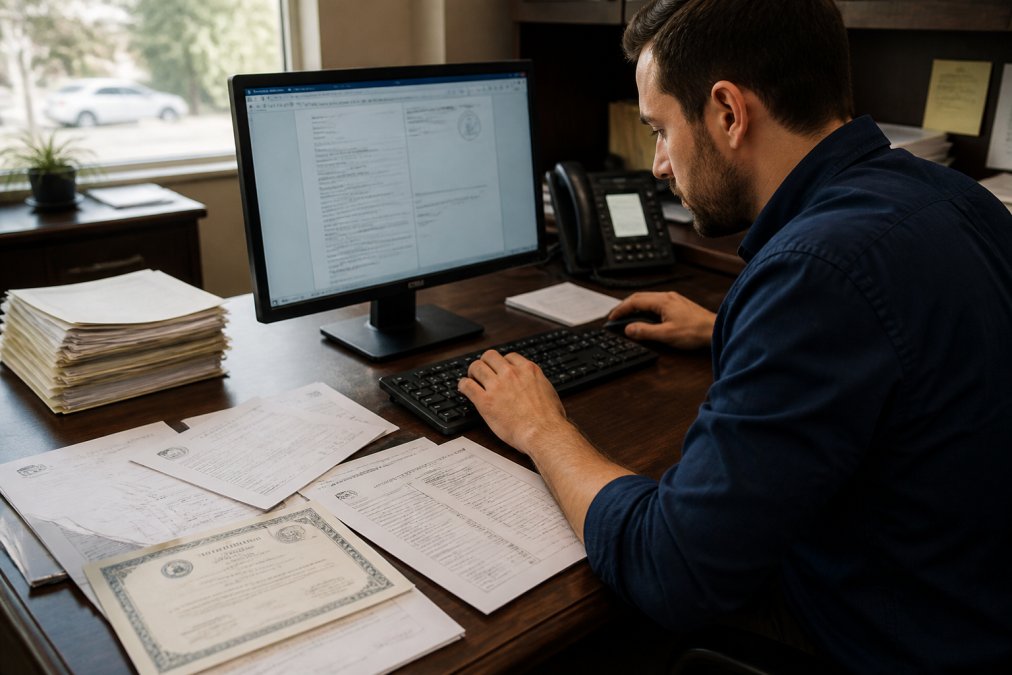
Start by independently locating your family member in the jail system. Go directly to the detention center's website or call using the phone number listed there, not numbers provided by the caller. Confirm your family member is in custody and get the official court-set bail amount. This step alone catches most scams.
Next, search for bail bond companies using official resources. Search online for "bail bond companies" in your area, then cross-reference any company with your state's licensing board. Do not use phone numbers or websites provided during unsolicited calls.
How to Verify Bail Bond License Texas Requirements
If you're in Texas, the Texas Department of Insurance (TDI) maintains a database of licensed bail bond companies and agents. You can search this database directly on the TDI website to verify proper licensing. A legitimate bail bondsman will have an active license number you can look up independently.
When verifying a license, check that it's current and active, not expired or suspended. The license should be in the name of the company or agent claiming to represent it. If the name doesn't match, do not proceed.
Call the bail bond company using the phone number listed in the official database, not the number from the caller. Verify the person claiming to represent the company actually works there. Ask for their full name, employee ID number, and the company's official address.
Confirming Official Documentation and Credentials
Ask the bail bondsman to email or mail official documentation before paying anything. This should include a signed contract clearly stating the bail amount, company fee, payment terms, and license number. If the company refuses to provide written documentation, it's a scam.
Verify the company's physical address. A legitimate bail bond company maintains a real office location. Visit using Google Maps or in person. If the address doesn't exist or is a mail drop service, that's a red flag.
Check for online reviews and complaints. Search the company's name with words like "complaints," "scam," or "fraud." Check the Better Business Bureau website for filed complaints. A pattern of scam complaints should concern you.
Call the local police department's non-emergency line and ask if they have reports of bail bond scams involving this company. Law enforcement agencies track known scam operations and can warn you.
What to Do If You Are Targeted by a Bail Bond Scammer
If you receive a suspicious call claiming to be from a bail bond company, hang up immediately. Do not provide additional information or agree to any payment arrangement.
Immediate Steps to Take
After hanging up, do not call back using the provided number. Instead, independently verify whether your family member is in custody by calling the detention center directly using a number from their official website.
If your family member is in custody, contact National Bail Bond of Lubbock or another legitimate local bail bondsman directly. Do not use contact information provided by the scammer. National Bail Bond of Lubbock is available 24/7 and can walk you through the legitimate bail bond process.
Do not send any money. If you've already been scammed, contact your bank or payment processor immediately to report the fraud. Depending on the payment method, there may be a window to reverse or stop the transaction.
Document everything: the time, the number it appeared from, what was said, and any names or company information provided. This documentation is important when reporting the fraud.
How to Report Bail Bond Fraud to Authorities
Report the scam to the Federal Trade Commission (FTC) at ReportFraud.ftc.gov. The FTC tracks scam complaints nationally and uses this data to identify fraud patterns.
Contact your state's attorney general office. Most have fraud divisions investigating scams targeting residents. Find contact information on the National Association of Attorneys General website.
Report the fraud to your local law enforcement agency. File a report with your city or county police department, providing all documentation collected.
If money was sent via wire transfer, contact the wire transfer service immediately to report the fraud. If payment was made with a credit card or debit card, contact your bank or card issuer to report the unauthorized transaction and request a chargeback.
Report the phone number to your phone carrier. Most have fraud reporting systems and can block numbers involved in scam operations.
Post-Scam Recovery and Identity Theft Protection
If you've been targeted by a bail bond scammer, take steps to protect yourself from identity theft. Scammers often have personal information that could be used for other fraudulent purposes.
Place a fraud alert on your credit report by contacting one of the three major credit bureaus: Equifax, Experian, or TransUnion. A fraud alert tells creditors to verify your identity before opening new accounts. You only need to contact one bureau; they will notify the others. The alert lasts one year and is free.
Consider placing a credit freeze on your accounts. A credit freeze prevents creditors from accessing your credit report without your permission. You can place a freeze through each of the three major credit bureaus. There may be a small fee.
Monitor your credit reports regularly. You're entitled to one free credit report per year from each bureau through AnnualCreditReport.com. Check for accounts or inquiries you don't recognize.
Watch for suspicious activity on your bank and credit card statements. Review statements monthly and report any unauthorized transactions to your bank immediately.
Be cautious about sharing personal information in the future. Scammers who have your information might attempt other frauds or sell it to other criminals.
If you or a family member is facing bail bond needs in Lubbock or Hockley Counties, National Bail Bond of Lubbock provides legitimate, professional bail bond services available 24/7. With over 50 years of experience in the criminal justice system, our team understands the urgency of your situation and is committed to helping you navigate the process safely. We maintain a physical office location, provide clear documentation and licensing information, and accept standard payment methods. Contact National Bail Bond of Lubbock directly to secure reliable assistance and protect yourself from scams.
| Red Flag | What It Means | Action to Take |
|---|---|---|
| Demand for immediate payment | Scammer creating artificial urgency | Hang up and verify independently |
| Request for gift cards or cryptocurrency | Payment method cannot be reversed | This is always a scam |
| Refusal to provide license or documentation | Scammer hiding their identity | Do not proceed with payment |
| Vague information about the arrest | Scammer lacks real details | Verify arrest information directly with jail |
| Threats about additional charges or warrants | Scammer using intimidation | Legitimate bail bondsmen do not make threats |
| Instruction to keep call secret | Scammer isolating you from help | Legitimate companies encourage verification |
Frequently Asked Questions
How can I verify if a bail bond company is licensed in Texas?
Contact the Texas Department of Insurance (TDI) to confirm a bondsman's license status. You can search their database directly on the TDI website. Ask for the company's license number and verify it directly with the state regulator rather than relying on information they provide. Legitimate bail bondsmen must be licensed. Never proceed with a company that cannot provide a verifiable license number.
What are the common red flags of a bail bond scam?
Watch for unsolicited calls demanding immediate payment, requests for payment via wire transfer, gift cards, cryptocurrency, or pre-paid debit cards. Legitimate bail bondsmen accept standard payment methods and don't pressure you with threats of incarceration. Be suspicious of callers who won't provide official documentation, refuse to give a physical office address, or demand payment before discussing the bail bond process. Scammers create urgency by claiming arrest warrants or immediate detention consequences.
Can a legitimate bail bondsman demand payment via gift cards or wire transfers?
No. Legitimate bail bondsmen accept standard payment methods such as cash, checks, credit cards, and debit cards. Requests for gift cards, cryptocurrency, wire transfers, or pre-paid debit cards are major red flags indicating fraudulent activity. These payment methods are non-reversible, which protects the scammer if you later discover the fraud. If anyone claiming to be a bail bondsman insists on these payment methods, hang up and contact law enforcement immediately.
What should I do if I suspect I am being targeted by a bail bond scammer?
Stop communication immediately and do not send any money. Contact your local law enforcement or the Federal Trade Commission to report the fraud. Call the detention center directly using their official phone number to verify whether your family member is actually detained and what the real bail amount is. If you've already sent money, contact your bank or payment provider immediately to attempt to reverse the transaction. Document all communications with the scammer for law enforcement.
This article was written using GrandRanker