 how-to
How to Verify a Bail Bondsman: A 2026 Guide
Table of Contents
- Why Verifying a Bail Bondsman Matters
- Check License Status Through Your State Department of Insurance
- Texas Bail Bond License Lookup: Step-by-Step
- Signs of a Bail Bond Scam to Watch For
- How to Report a Fraudulent Bail Bondsman
- Verify Disciplinary History and Complaints
- What to Do If You Find an Unlicensed Bondsman
- Frequently Asked Questions
Last Updated: September 24, 2026
Why Verifying a Bail Bondsman Matters
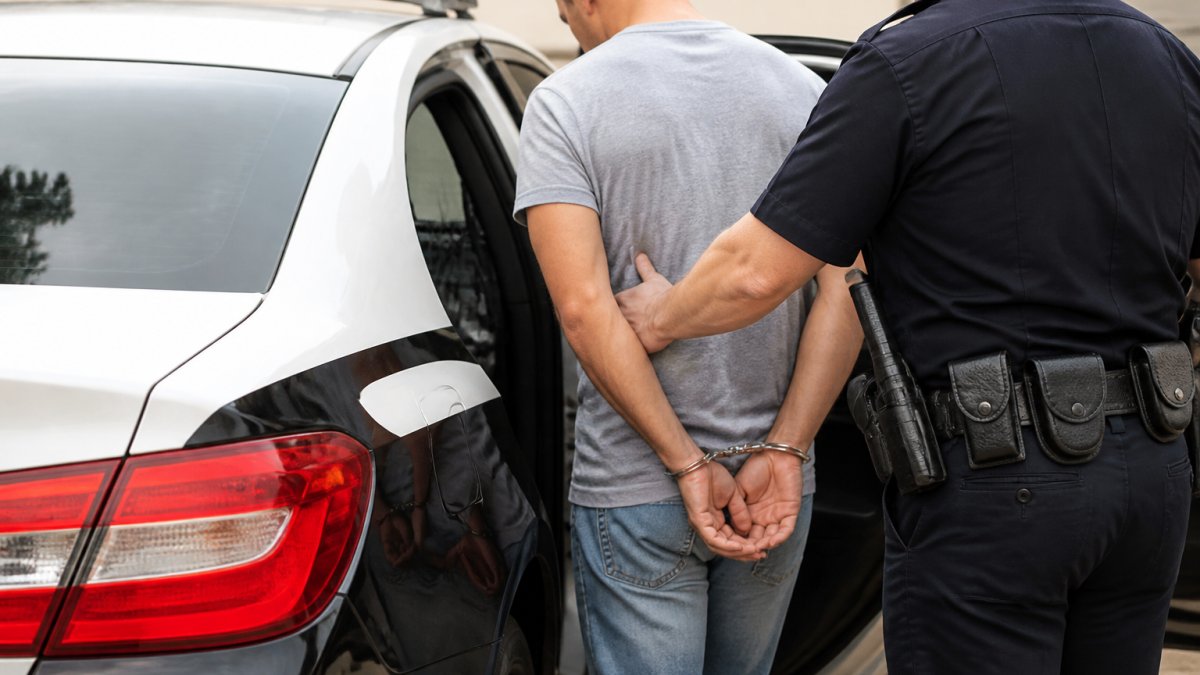
When someone you care about gets arrested, you're under pressure and need help fast, which is why you should verify bail bondsman credentials before paying anyone. But rushing into the first phone number you find can cost you money or worse.
Fraudulent bail bondsmen prey on desperate families, asking for untraceable payments via gift cards or cryptocurrency, then disappearing. These scams happen every day.
That's why verifying a bail bondsman before you hand over money is non-negotiable. Verification takes minutes and protects you completely.
This guide walks you through exactly how to verify bail bondsman credentials. You'll learn where to check license status, what red flags to watch for, and what to do if you find fraud. By the end, you'll know whether a bondsman is legitimate or a scam.
Check License Status Through Your State Department of Insurance
Every legitimate bail bondsman holds an active license from their state's Department of Insurance. A license is a legal requirement, no license means no authority to write bonds.
Most states maintain public databases showing license status, agent name and license number, company affiliation, disciplinary history, and complaint records.
Visit your state's Department of Insurance website and look for "License Lookup," "Agent Search," or "Professional License Verification."
Enter the bail bondsman's name or license number. Real agents appear with active status; scammers won't appear or show as expired/suspended. If the agent doesn't show up, stop immediately and contact your state's Department of Insurance to report them.
Texas Bail Bond License Lookup: Step-by-Step
Important: There is no national bail bondsman database. Each state maintains its own licensing system. If a bondsman claims to operate in multiple states, verify them separately in each state. Scammers exploit this by claiming national licensing that doesn't exist.
If you're in Lubbock, Hockley County, or anywhere in Texas, the Texas Department of Insurance is your verification source. Here's how to use it.
Gathering Required Information
Have ready: the bail bondsman's full name, company name, license number, and phone number. You need only one piece to search, but multiple details help confirm you're looking at the right person.
Using the Official Verification Portal
- Go to tdi.texas.gov.
- Find "License Lookup" and select "Bail Bond Agent" from the dropdown.
- Enter the agent's name and click search.
- Review the results carefully.
What to Look For in the Results
Verify: (1) License status is "Active", any other status means they're not authorized to write bonds; (2) License number matches what they provided; (3) Company name matches what the bondsman told you; (4) No recent disciplinary actions or complaints; (5) Appointment date is reasonable (very recent appointments combined with other red flags may indicate a scammer).
If you find the agent with active status and no red flags, that's a positive sign. Write down their license number for your records.
If You Don't Find Them
If the search returns no results or shows a status other than "Active," stop immediately. Do not call them back, send money, or provide personal information. Call the Texas Department of Insurance directly to confirm the results. If they confirm the person is not licensed, report them.
Multi-State Verification: What If They Claim to Work in Multiple States?
If a bondsman claims to be licensed in multiple states, verify them separately in each state. If they claim national licensing or say "I'm licensed everywhere," that's a red flag, there is no national bail bondsman license.
Documenting Your Verification
Once confirmed, take a screenshot of the search results with the date and time for your records.
Signs of a Bail Bond Scam to Watch For
Scammers follow predictable patterns. Learn to recognize these bail-bonding-specific red flags during initial contact.
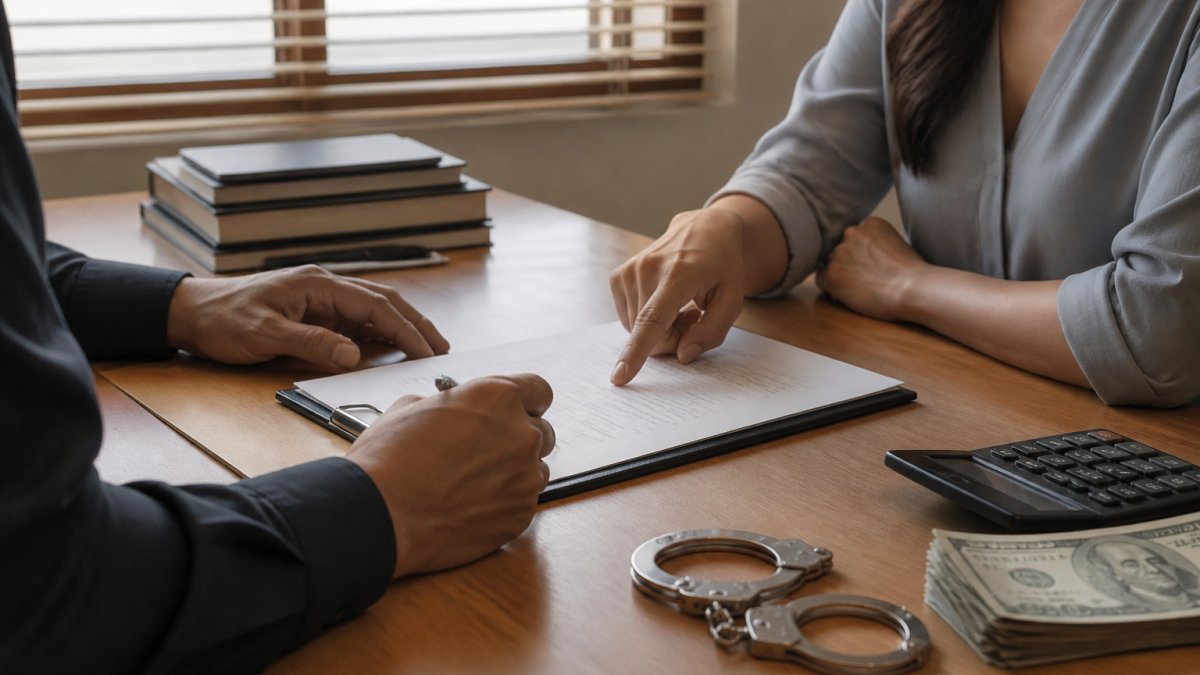
Payment demands that bypass standard channels. Legitimate bondsmen accept checks, credit cards, debit cards, and bank transfers. Scammers demand untraceable payments: gift cards, cryptocurrency, or cash. If a bondsman insists on these, stop immediately.
Refusal to provide verifiable credentials upfront. When you ask for a license number, agency name, or office address, a legitimate bondsman provides it without hesitation. They may even text it to you or email it. Scammers deflect: "We'll verify after you send the deposit," or "My license is in the system, just trust me." Real agents want you to verify them because they have nothing to hide. If someone gets defensive or evasive when you ask for their license number, that's a disqualifying red flag.
No physical business location or verifiable phone line. Scammers operate from temporary phone numbers or VoIP lines. They have no office, no staff, no physical presence. Ask: "What's your office address?" and "Can I call you back at that location?" A legitimate bondsman will give you a real street address and a main office number. You should be able to find that address on Google Maps and call the office directly (not a cell phone). If they only have a cell number or refuse to give an address, they're not a real business.
Pressure to decide immediately or threats about consequences. Scammers create artificial urgency: "If you don't send money in the next hour, your family member stays in jail overnight." This exploits your stress and fear. In reality, bail hearings are scheduled, and the process has built-in delays. A legitimate bondsman explains the timeline clearly and answers your questions without rushing you. They're available 24/7, so there's never a true emergency deadline. If someone is pressuring you to act fast without time to verify, that's a manipulation tactic.
Guarantees of release or promises about judge decisions. No bondsman can guarantee a defendant will be released. A judge makes that decision based on the charges, criminal history, and flight risk. Scammers promise: "We guarantee your family member goes home," or "Once you pay, they're out." Honest agents say: "We'll post the bond. The judge decides whether your family member is released." Anyone promising 100% release is either lying or doesn't understand the legal process.
Reluctance to explain fees or hidden charges. Bail bond fees are regulated by state law, typically 10-15% of the bond amount, though rates vary by state.
They won't let you verify their license or get defensive when asked. This is the single most important red flag. If you say, "I'd like to verify your license number with the Department of Insurance," a real agent will say, "Absolutely, here it is." A scammer will say, "Why don't you trust me?" or "That's not necessary," or "We'll handle that after payment." Verification is your right and your protection. Any resistance to it is a disqualifying sign.
How to Report a Fraudulent Bail Bondsman
If you encounter a scam or suspect someone is operating without a license, report it. Your report protects the next family.
Verify Disciplinary History and Complaints
A current license is step one. But you should also check whether that agent has faced complaints or disciplinary action.
What you're looking for:
- No complaints = best case
- Old complaints that were resolved = acceptable (people make mistakes)
- Multiple recent complaints = warning sign
- Suspended or revoked license = do not use this agent
What to Do If You Find an Unlicensed Bondsman
You've done your research. You searched the database. The person doesn't appear. Or their license shows as expired or suspended.
Stop all communication immediately.
Frequently Asked Questions
How can I verify if a bail bondsman is currently licensed?
Contact your state's Department of Insurance and request access to their bail bondsman license lookup tool. You'll need the agent's name or agency name. The official registry displays active licenses, renewal status, and any disciplinary history. Never rely on a bondsman's word alone, always verify through the government database. This protects you from unlicensed practitioners and fraudulent activity.
What are the signs of a bail bond scam?
Red flags include requests for payment via gift cards, cryptocurrency, or wire transfers before services are rendered; refusal to provide a physical office address or official credentials; pressure to pay upfront without explanation; and reluctance to show license documentation. Legitimate bail bondsmen accept standard payment methods, maintain professional offices, and willingly display their license. If something feels off, stop and verify the agent's credentials independently.
How do I report a fraudulent bail bondsman?
File a complaint with your state's Department of Insurance, which oversees bail bond licensing and discipline. Provide the bondsman's name, agency, specific details of the fraudulent activity, and any documentation. Law enforcement and the licensing board investigate complaints and can take action against unlicensed or unethical practitioners.
What information do I need to look up a bail bondsman's license?
You'll typically need one of the following: the agent's full name or the agency name. Having the bail bond agency's address or phone number can also help narrow your search. Start with the state's official verification portal and enter whichever information you have. If you're unsure, call the Department of Insurance directly, they can help you locate the correct agent or confirm whether someone is licensed.
Verifying a bail bondsman protects your family and your money. Take five minutes to check the database. Confirm the license is active. Look for complaints. Ask questions. A real bondsman will welcome your verification. They want you to trust them because they've earned it. National Bail Bond of Lubbock stands behind our credentials and our service. We're here to help you navigate a difficult situation with integrity and competence.