 how-to
Immediate Jail Release Process Guide: Steps to Get Out Fast
Table of Contents
- What Happens During Booking and Intake
- How to Bail Someone Out: Step-by-Step
- How Long Does It Take to Get Released on Bail?
- How to Verify a Licensed Bail Bondsman and Avoid Scams
- Release Orders, Court Appearance, and Conditions of Release
- Receiving and Discharge: What to Expect on Release Day
- Post-Release Logistics and Reentry Planning
- Conclusion
- Frequently Asked Questions
Last Updated: October 1, 2026
What Happens During Booking and Intake
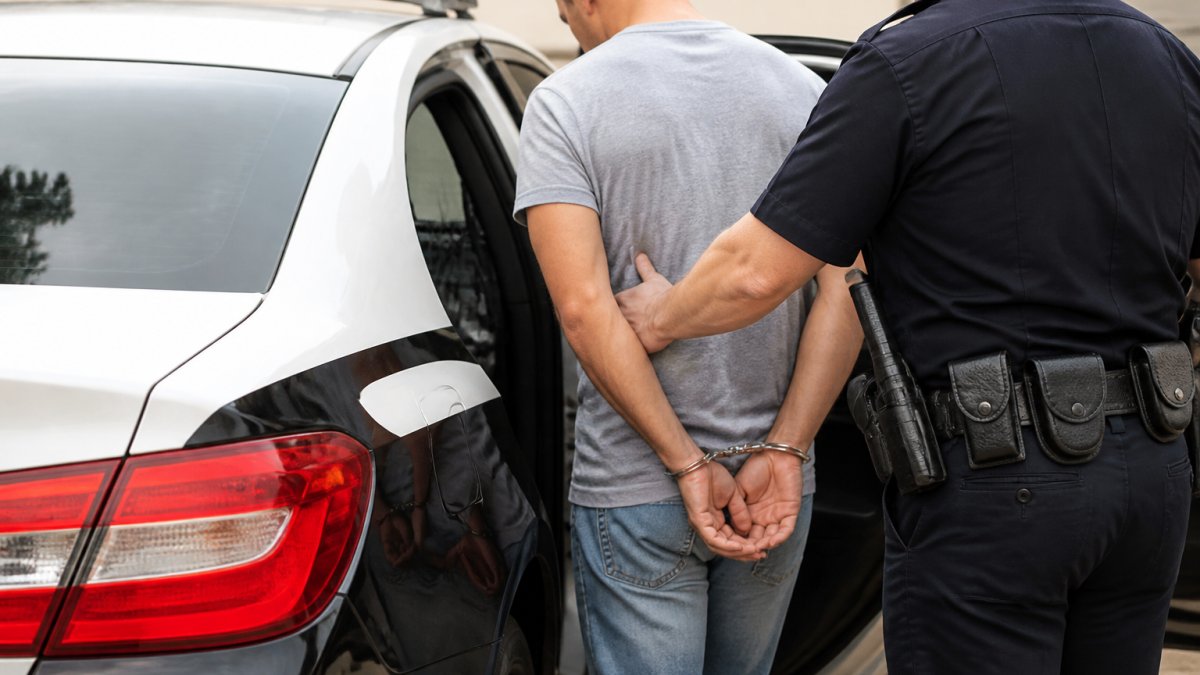
The immediate jail release process guide starts with booking, the official step where a facility records an arrest, fingerprints the person, and assigns a booking number. It can take several hours before anyone is eligible for release.
Booking Number, Inmate Identification, and Custody Status
The booking number is a unique ID linking every record: charges, bond amount, and court dates. Use the facility's inmate search tool with the person's full legal name and date of birth to check custody status; a warrant check may appear if other jurisdictions have holds.
Common intake steps include:
- Fingerprinting and photographing
- Personal property inventory
- Medical and mental health screening
- Warrant and background checks
How to Bail Someone Out: Step-by-Step
Bailing someone out means posting money or a bond so the court releases the person before trial. Here's the process.
- Find the booking number and bond amount. Call the jail or check the bail schedule online.
- Contact a licensed bail bondsman. Have the full name, booking number, and facility ready.
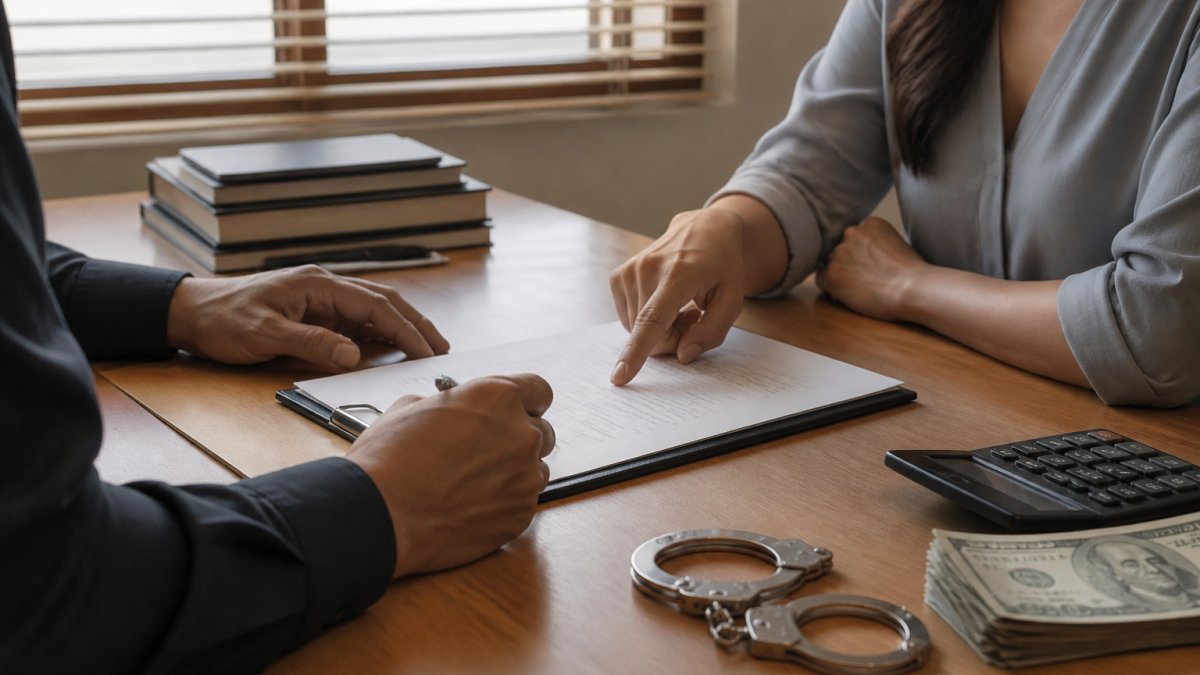
- Sign the bond agreement. You'll agree to pay a fee and take responsibility for court appearances.
- Post the bond. The bondsman handles this with the court clerk or jail.
- Wait for the release order. The court or magistrate must approve release.
- Complete the release checklist. The inmate signs out and collects personal property.
Cash Bail, Surety Bond, and Collateral Explained
Cash bail is the full bond amount paid directly to the court, refunded if the person shows up for all court dates. A surety bond is posted by a licensed bondsman through an insurance company: you pay a fee, and the bondsman covers the full bond amount. Collateral is property or assets pledged to secure the bond if the person fails to appear.
How Long Does It Take to Get Released on Bail?
"Release" is not one event but a chain of approvals. The clock starts when the last signature lands on the release order, not when you pay.
The release chain, in order
- Bond is posted or the judge sets release conditions. A bondsman files the bond with the court clerk or jail intake; cash bail is receipted by the clerk or jail cashier.
- The release order is generated and signed by a magistrate, judge, or pretrial services officer. Until that signature exists, the jail has no legal authority to open the door.
- The jail's records unit verifies the order, name, booking number, charges, and that no new holds have attached.
- Receiving and discharge (R&D) processes the inmate out: property returned, jail items collected, discharge paperwork signed.
- The inmate walks out, the only step the family sees.
Realistic timelines by release type
| Release type | Typical time from bond posting to walk-out |
|---|---|
| Own recognizance (OR) / signature bond | Often same day, sometimes within 1-3 hours if the order is already signed |
| Cash bail, full amount paid | 2-6 hours at a small county jail; 6-12+ at a large metro facility |
| Surety bond through a licensed bondsman | 2-8 hours typical; 12-24 hours when the jail is busy or holds exist |
| Release with electronic monitoring or pretrial supervision | Add 4-24 hours for device fitting and enrollment |
A common pattern: the bond is posted at 9 p.m., but the magistrate who must sign the release order is not on duty until 8 a.m. The family waits eleven hours for a five-minute signature.
What actually slows a release down
- Court-clerk and magistrate hours. Many jurisdictions process release orders only during business hours or a fixed overnight rotation; weekend and holiday postings routinely add 12-36 hours.
- Holds from other jurisdictions. An out-of-county warrant, immigration detainer, or probation violation hold freezes the release even after bail is posted, the jail releases to the holding agency, not your bondsman.
- Charge severity and paperwork volume. Felony releases generate more paperwork than misdemeanors and move more slowly.
- Facility workload. A large intake population on a Friday night is the single biggest variable, with no workaround.
- Incomplete information. A misspelled name, wrong date of birth, or missing booking number forces records staff to stop and re-verify, sometimes hours of delay for a one-character error.
When to expect a next-morning release
If the bond is posted after the court's daily release-order cutoff, commonly late afternoon or early evening, plan on a next-morning release. Ask the bondsman or jail clerk for that facility's cutoff; it is the most useful fact for planning your night.
What you can do while you wait
- Keep your phone on and answer unknown numbers, records staff sometimes call to confirm spelling or a date of birth.
- Do not post bond twice; a second payment does not speed anything up and creates a refund problem.
- Confirm the pickup location, front lobby, sally port, or side door.
- Have a valid ID ready and a charged phone so the person can call you the moment they are out.
How to Verify a Licensed Bail Bondsman and Avoid Scams
Verifying a bondsman is simple: ask for the license number, then confirm it with the state licensing board or county records.
Red flags to watch for:
- Requests for gift cards, Bitcoin, or wire transfers
- No physical office address
- Pressure to pay before any paperwork
- No license number provided
Release Orders, Court Appearance, and Conditions of Release
A release order is the court's written approval to let someone out of custody. No one leaves without it.
The judge sets conditions of release, which may include:
- Posting bail or a surety bond
- Agreeing to appear at every court date
- Avoiding contact with certain people
- Checking in with pretrial services
- Surrendering passports or firearms
Receiving and Discharge: What to Expect on Release Day
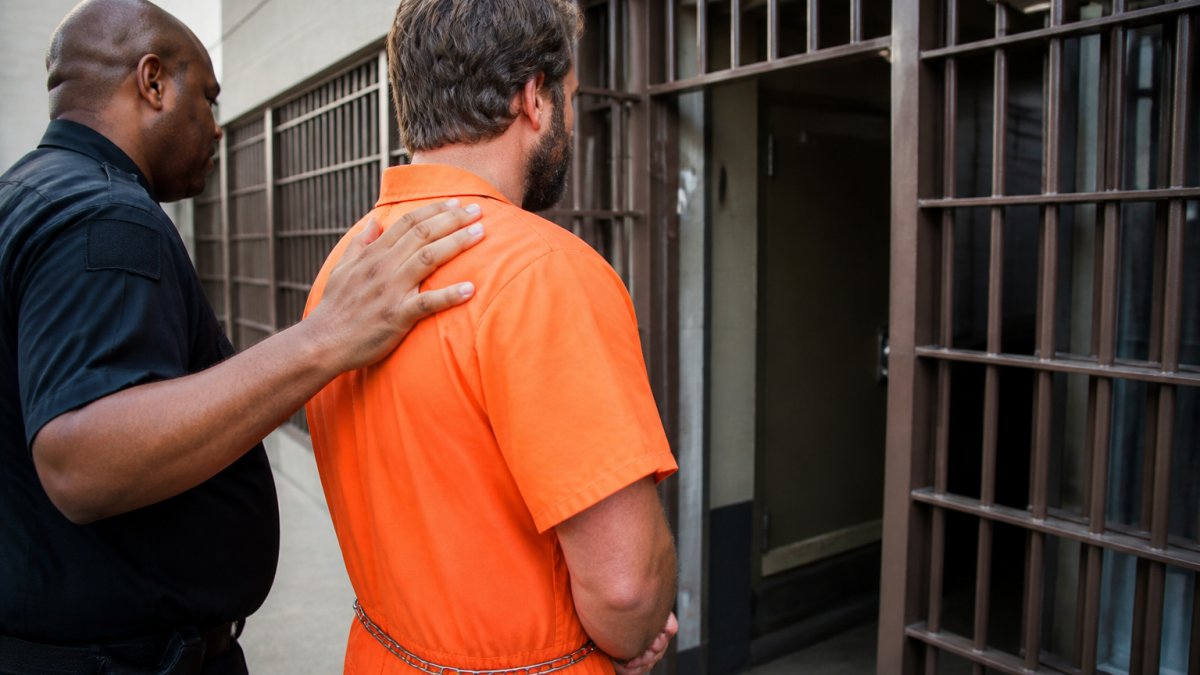
Receiving and discharge (R&D) is the final step before freedom: the inmate returns jail-issued items, signs discharge paperwork, and collects personal property. It can take an hour or more, depending on staffing.
What to bring or arrange:
- A valid ID or driver's license
- A ride home (release often happens at odd hours)
- A phone number for follow-up
| Stage | Typical Time | What Happens |
|---|---|---|
| Booking and intake | 1-4 hours | Fingerprints, photos, booking number |
| Bond posting | 30-60 minutes | Bondsman files paperwork |
| Release order approval | 1-4 hours | Court or magistrate signs off |
| Receiving and discharge | 1-2 hours | Property return, sign-out |
Post-Release Logistics and Reentry Planning
Most guides end at the jail gate, exactly where the hardest problems begin: no ride, no cash, no phone, and a court date you cannot afford to miss. A missed court date is the fastest way back inside.
The first hour: what to do before you leave the property
- Confirm the release paperwork is in hand. The person should leave with a signed release order or discharge slip showing the case number, charges, and next court date. If it is missing, ask R&D staff for a copy before walking out.
- Retrieve personal property. Property is inventoried at booking and returned at discharge. If anything is missing, phone, wallet, keys, medication, file a property claim with the jail's records unit the same day.
- Get the next court date in writing. The date, time, courtroom, and judge's name should be on the release paperwork. Photograph it immediately.
- Note any conditions of release. No-contact orders, curfew, check-ins, and travel restrictions are enforceable from the moment of release; violating one can trigger a new arrest.
Transportation: the problem nobody plans for
Jails release at all hours, and many sit outside city limits with no transit service. Options, in order of reliability:
- A pre-arranged ride. Have a licensed driver with a valid ID waiting; some facilities require the driver on an approved pickup list, so confirm first.
- Rideshare or taxi. Available in metro areas, unreliable at rural facilities and at 3 a.m. Load the app and payment method before release.
- Public transit. Check the last bus or train time, many jail-adjacent routes stop by early evening.
- Reentry or faith-based transport programs. Many counties contract with nonprofits offering free rides to a shelter, family address, or transit hub. Ask the discharge planner or pretrial services office for the list.
Housing and the first night
- Stable address on file. The court needs a verifiable address to remain released. A sober-living home, transitional housing program, or relative's address can work, but it must be reported to pretrial services.
- Emergency shelter. Call 2-1-1 (the United Way helpline) for same-night shelter availability. Many shelters hold beds for recently released individuals, but you must call, not walk in.
- Medication continuity. If the person was on prescription medication before booking, jail medical staff can often provide a short bridge supply at discharge. Ask at R&D; do not assume it will be offered.
Financial assistance and low-cost alternatives to commercial bail
Not every family needs a commercial bondsman, and not every family can afford one. Before signing a bond agreement, ask whether any of these apply:
- Own recognizance (OR) release. Many jurisdictions release low-risk defendants on a signature alone, with no money posted. Ask the magistrate or pretrial services office directly.
- Pretrial services programs. County agencies supervise released defendants, send court-date reminders, and sometimes help with transportation and check-ins. Enrollment is usually free.
- Public defender assistance. A public defender can request a bail reduction or an OR release at the first appearance, often the fastest path to a lower bond.
- Bail-reduction motions. A defense attorney can argue the current bail is excessive; judges grant these more often than families expect, especially with stable employment or housing.
- Nonprofit and faith-based reentry funds. Many community organizations cover small fines, fees, or transportation costs. Ask the discharge planner or call 2-1-1.
- Court fee waivers. Fines, supervision fees, and program fees can sometimes be waived or converted to community service based on income. Ask the clerk of court.
The court-date problem: why most people go back
The single most common reason a released person ends up back in custody is a missed court date, not a new crime. Protect against it:
- Set phone reminders the day of release for every court date, plus 48 hours before each one.
- Confirm the courtroom and time by calling the clerk of court 24 hours ahead; courtrooms get reassigned.
- Tell pretrial services about any address or phone change immediately, a missed check-in can trigger a warrant even if the person shows up to court.
- Keep the bondsman's number saved. If a date is missed for a legitimate reason, call the bondsman and the court the same day.
County jail vs. state prison vs. federal custody
A frequent and costly confusion: a county jail holds people before trial and for short sentences; a state prison holds people sentenced to a year or more under state law; federal custody is run by the U.S. Marshals Service and the Federal Bureau of Prisons. Release rules, timelines, and paperwork differ sharply. If the person is in federal custody, the county jail's release process does not apply, the U.S.
Conclusion
Getting someone out of jail fast comes down to the right information: the booking number, the bond amount, and a licensed bondsman you can trust. National Bail Bond of Lubbock offers 24/7 service, a physical office, and over 50 years of experience with the criminal justice system. Our team works directly with defendants to navigate the court system. Get started with National Bail Bond of Lubbock and secure a reliable release.
Frequently Asked Questions
What is the fastest way to get someone out of jail?
The fastest route is usually a surety bond through a licensed bail bondsman. A bondsman can post the full bond amount with the court, often within a few hours of signing paperwork. Cash bail requires paying the full amount directly to the court, which can take longer if you need to gather funds. A release order from the judge can also speed things up, but it depends on when the court issues it. Have the inmate's full name, booking number, and the jail location ready before you call to avoid delays.
How long does it take to get released on bail?
Release times vary by jail and case. In smaller county jails, the process can take 2 to 8 hours after bail is posted. Larger facilities or cases with holds, warrant checks, or pending charges may take 12 to 24 hours or more. The receiving and discharge process, including property return and final paperwork, adds time. Ask the bondsman for an estimate based on the specific facility, but expect some waiting regardless.
What information do I need to provide to a bail bondsman?
You will need the inmate's full legal name, booking number, date of birth, the jail or correctional facility where they are held, and the bail amount if known. Also provide the charges and any court date. If you do not have the booking number, the bondsman can often look it up using an inmate search. Having the correct information prevents delays. Write everything down before you call so you do not miss details.
How do I verify a licensed bail bondsman?
Ask for the bondsman's license number and the state or county licensing authority, then verify it through that official source. A legitimate bondsman will have a physical office address and a surety bond on file. Never pay with gift cards, cryptocurrency, or wire transfers to unknown parties. Be wary of anyone who pressures you or refuses to provide credentials. A licensed bondsman will explain the paperwork, fees, and collateral requirements clearly before you sign anything.