 how-to
How to Find Inmate Information in Lubbock: 2026 Guide
Table of Contents
- Step 1: Understand the Lubbock County Jail Roster
- Step 2: Search the Inmate Locator by Name or Booking Number
- Step 3: Use the TDCJ Inmate Locator for State Facilities
- Step 4: How to Post Bail in Lubbock County After Finding an Inmate
- Step 5: Mobile-Friendly Tips for Finding Inmate Information
- Step 6: Avoid Bail Bond Scams When Searching for Inmate Information
- Frequently Asked Questions
Last Updated: September 10, 2026
Step 1: Understand the Lubbock County Jail Roster
Learning how to find Lubbock inmate information starts with the county jail roster, the primary public record for anyone booked into the Lubbock County Detention Center. This guide walks through each step, from the initial roster search to posting bail. The roster is maintained by the Lubbock County Sheriff's Office and updated as bookings and releases are processed, which means the data reflects custody status at the moment you check it.

What the Jail Roster Includes
A typical roster entry lists the inmate's full name, booking date, booking number, charges, bond amount, and current custody status. Some records also show a case number and the arresting agency. The roster does not include court dates, attorney names, or visitation schedules; those come from the court or the detention facility directly. If a name is missing, the person may have been released, transferred, or booked under a different spelling.
Step 2: Search the Inmate Locator by Name or Booking Number
The inmate locator is the fastest path to a record when you have accurate details. The Lubbock County Sheriff's Office maintains an interactive database that lets you query by name, booking number, or case number. Real-time data availability varies: entries update throughout the day, but a very recent arrest may take time to appear.
Using Booking Numbers and Case Numbers for Accurate Results
A booking number is assigned at intake and stays with the inmate through that stay. A case number comes from the court and may cover multiple charges. Booking numbers are the more reliable search key because they are unique to the custody record. If you only have a name, try the full legal name and then common variations.
| Search Method | Best For | Accuracy |
|---|---|---|
| Full name | Initial lookup | Moderate |
| Booking number | Confirming a specific record | High |
| Case number | Linking charges to a court file | High |
| Booking date | Narrowing a common name | Moderate |
Step 3: Use the TDCJ Inmate Locator for State Facilities
Jails and prisons are not the same system, and searching the wrong one is the single most common reason families conclude an inmate record has been "removed." County jails, including the Lubbock County Detention Center, hold people who are awaiting trial, awaiting sentencing, or serving short sentences (typically misdemeanors and low-level felonies with terms under a year in county custody) (bop.gov). State prisons hold people sentenced to longer terms after conviction. Federal cases go to a third system entirely. If the person was convicted and transferred, the county roster will not show them, and no amount of re-searching the roster will bring the record back.
How to Tell Which System Holds the Person
Work backward from what you know about the case:
- Still awaiting trial or just arrested: Almost always the county jail. Stay on the Lubbock County roster.
- Convicted and sentenced to state time: The Texas Department of Criminal Justice (TDCJ) takes custody after intake processing, which can take days to weeks after sentencing. During that gap, the person may appear in neither system.
- Federal charges (drug trafficking, immigration, firearms, wire fraud, etc.): The federal Bureau of Prisons (BOP) locator is the correct tool, and the U.S. Marshals Service typically holds the person in a contract facility before BOP designation.
- Out on bond, probation, or parole: No custody record will appear in any of these systems. Check with the court or the supervising agency instead.
Using the TDCJ Offender Search
The TDCJ maintains a public offender information search on its website. You can query by the person's full name or by their TDCJ or SID number. If you do not have a TDCJ number, search by name and then confirm using the date of birth and county of conviction, since common names return multiple matches. TDCJ also publishes a "Most Wanted" list and a parole review status, which can tell you whether someone is currently incarcerated, on parole, or discharged.
TDCJ offender information search
Using the Federal Bureau of Prisons Locator
For federal inmates, the BOP Inmate Locator accepts a BOP register number or a name plus additional identifiers. Federal records include the facility, projected release date, and age. If the person was recently arrested on federal charges but has not yet been designated to a BOP facility, they will not appear in the locator, call the U.S. Marshals Service district office or the federal detention center where they were initially held.
Federal Bureau of Prisons inmate locator
What to Do When You Cannot Find the Person Anywhere
If the person is not in the county roster, TDCJ, or BOP, the next step is to call the Lubbock County Detention Center directly and ask for the booking status. Front-desk staff can confirm whether someone was booked and released, transferred, or never entered the facility. Have the full legal name, date of birth, and approximate arrest date ready, those three details resolve most "missing record" cases. (Source: Federal Bureau of Prisons (BOP) inmate locator)
Step 4: How to Post Bail in Lubbock County After Finding an Inmate
Once you locate the record, the bond amount shown on the roster tells you what the court has set. Posting bail means paying that amount, or arranging a bond, so the person can be released while the case proceeds. You can pay the full amount directly to the court, or work with a licensed bail bond company, which typically charges a non-refundable fee rather than the full bond. Many families find the fee far more manageable than the full amount.
NATIONAL BAIL BOND OF LUBBOCK has over 50 years of experience with the criminal justice system, is available 24/7, and has a physical office in Lubbock where you can sit down face to face. Pricing depends on the bond amount and the case; call the office for current terms rather than relying on a number you saw online.
Step 5: Mobile-Friendly Tips for Finding Inmate Information
Most people look up Lubbock inmate information from a phone, often late at night, and county search portals are not built for small screens. A few habits make the process faster and reduce the chance of missing a record.
Navigating Government Portals on a Phone
- Use landscape mode for wide roster tables. Booking rosters often have six or more columns, and portrait view cuts off the bond amount and custody status.
- Zoom the table, not the page. Pinch-zoom on the table itself keeps the header row visible so you know which column is which.
- Bookmark the search page. Long government URLs are easy to mistype; save the page so you can return without re-navigating.
- Screenshot the record immediately. Include the booking number, booking date, charges, and bond amount. Portals time out, and you will want those details when you call the facility or a bondsman.
- Avoid autofill for names. Autofill sometimes inserts a middle initial or a saved spelling that does not match the booking record, returning zero results.
What to Do Once You Locate the Inmate: Visitation and Communication
Finding the record is only half the task. The next questions are almost always about visiting and sending money, and the answers depend on which facility holds the person.
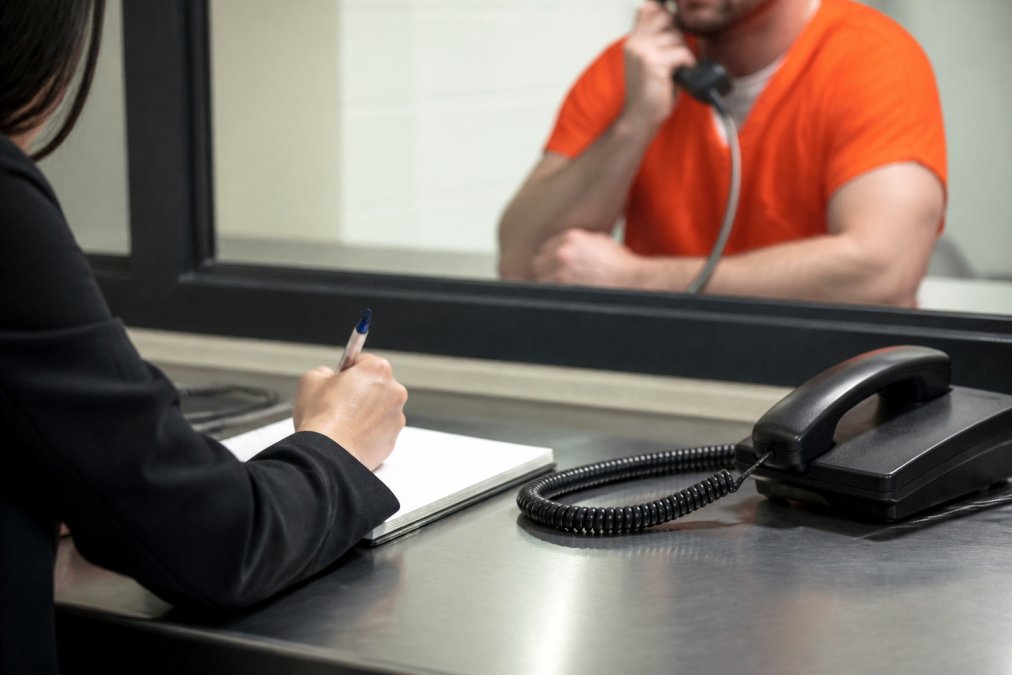
Lubbock County Detention Center (county jail): Visitation is typically scheduled in advance, often through an online scheduling system or a phone line, and is usually conducted through video or a glass partition rather than contact visits. Each inmate is assigned a visitation day based on housing unit. You will need a government-issued photo ID and to be on the inmate's approved visitor list. Phone calls are generally outgoing-only and paid through a third-party vendor; the inmate must initiate the call. Money can be added to a commissary account through the facility's designated vendor, either online or at a kiosk in the lobby.
TDCJ state facilities: Visitation rules are stricter and vary by unit. Most units require advance approval, a background check for visitors, and a specific dress code. Contact visits are limited, and some units allow only video visits. TDCJ publishes unit-specific visitation schedules and rules on its website, and each unit has its own phone number for questions.
Federal BOP facilities: Visitation is scheduled by the individual institution, and the BOP publishes each facility's visiting hours and procedures. Inmates are typically allowed a set number of visitors on an approved list, and all visitors must pass a background check.
Sending Money and Staying in Contact
Commissary deposits, phone accounts, and messaging services are usually handled by private vendors contracted by the facility, not by the jail or prison directly. The facility's website lists the approved vendor and the deposit methods (online, phone, kiosk, or money order). Never send cash through the mail, and never use a payment method a vendor does not list. If someone contacts you claiming to be from the facility and asks for payment by gift card, wire, or cryptocurrency, it is a scam, see the next section.
- Confirm the exact spelling of the full legal name
- Note the booking number and booking date
- Screenshot the custody status and bond amount
- Check whether the facility is county, state, or federal
- Confirm visitation rules and visitor approval before traveling
- Verify the bondsman's license before paying anything
Step 6: Avoid Bail Bond Scams When Searching for Inmate Information
Scam operators monitor arrest records and call families within hours, posing as bondsmen. The red flags are consistent: demands for payment by gift card, wire transfer, or cryptocurrency, pressure to act immediately, and no verifiable license or office address. A legitimate bondsman will not ask for payment in untraceable forms, and will provide documentation.
Frequently Asked Questions
How can I find information about an inmate in Lubbock County Jail?
You can find inmate information by searching the Lubbock County jail roster online. Enter the inmate's full name or booking number into the search portal. The roster provides custody status, booking date, and charges. For state facilities, use the TDCJ inmate locator. If you need help posting bail in Lubbock County, a licensed bondsman can guide you through the process.
Is the Lubbock County jail roster updated in real-time?
The Lubbock County jail roster is updated regularly, but it may not reflect real-time changes immediately. Booking and release information can take a few hours to appear. For the most current custody status, contact the Lubbock County Sheriff's Office directly. When searching, use the booking number for the most accurate results.
What information do I need to search for an inmate in Lubbock?
To search for an inmate in Lubbock, you need at least the person's full name and date of birth. A booking number or case number will narrow results. If you don't have these, try variations of the name. The search portal will show matching records with details like charges and custody status. For state inmates, use the TDCJ inmate locator.
How do I post bail in Lubbock County after finding an inmate?
After locating an inmate, you can post bail by contacting a licensed bail bondsman or paying the full bail amount at the jail. A bondsman will explain the paperwork and fees. National Bail Bond of Lubbock offers 24/7 assistance and prioritizes client safety and security by offering clear guidance on how to avoid scams and verify official bondsman services. They have a physical office in Lubbock and serve Lubbock and Hockley Counties.
Finding the record is the easy part; getting someone released quickly and safely is where families often get stuck. NATIONAL BAIL BOND OF LUBBOCK handles that step with 24/7 availability, service across Lubbock and Hockley Counties, and a physical office you can walk into. Get started with NATIONAL BAIL BOND OF LUBBOCK and get your family member home.