 how-to
How to Hire a National Bail Bondsman with Confidence
Last Updated: November 4, 2026
Quick Summary
A national bail bondsman is a licensed professional who posts a financial guarantee so a jailed defendant can be released while the case moves through court. A truly national provider works through a network of licensed partner agents, because bail bonds are regulated at the state level and a bondsman licensed in one state generally cannot post bonds in another. The license that matters is always the one in the state where the defendant is being held.
- The bond premium is a nonrefundable fee, and collateral is returned when the defendant appears as required.
- Ask for the agent's license number and confirm it with the state licensing body before paying anything.
- Legitimate agents never demand gift cards, wire transfers to strangers, or cryptocurrency.
- Real courts do not call families demanding bail payment by phone; that is an impersonation scam.
- Ask the court clerk about release on your own recognizance and pretrial eligibility before signing a bond agreement.
Table of Contents
- What a National Bail Bondsman Does and When You Need One
- How Bail Bonds Work: Premium, Collateral, and the Court Appearance
- How to Choose a Bail Bondsman Who Fits Your Situation
- How to Verify a Bail Bondsman Before You Sign Anything
- Bail Bond Scams: Red Flags and How to Protect Your Money
- Bail Assistance Programs and Alternatives to Commercial Bonds
- State Rules, Licensing, and Multi-State Coverage Limits
- What Happens After Release and How to Avoid Bond Forfeiture
- Frequently Asked Questions
What a National Bail Bondsman Does and When You Need One
A national bail bondsman is a licensed professional who posts a financial guarantee so a jailed defendant can be released while the case moves through court.
Here is the core idea. The court sets a bail amount. Most families cannot hand over that full sum in cash.
When do you actually need one? Usually in three situations:
- A relative or friend is booked into jail and bail is set higher than your savings
- The arrest happens at night or on a weekend, when courts are closed
- You live out of the area and cannot walk into the jail yourself
A common mistake is waiting for morning. The American Bar Association overview of bail explains how bail fits into the pretrial system.
Bail Bondsman vs. Bail Bond Agent: Same Role, Different Name
A bail bondsman and a bail bond agent are generally the same job under two names.
The terms are often used interchangeably in everyday speech.
How Bail Bonds Work: Premium, Collateral, and the Court Appearance
The mechanics are simple once you strip away the jargon. The bond premium is the fee you pay the agent for posting the bond.
Think of it as a three-part deal:
- The premium. A nonrefundable fee the agent charges for taking on the risk. Ask for the fee in writing before you sign.
- The collateral. Cash, a vehicle title, or property the agent holds until the case ends. You get it back when the defendant appears as required.
- The promise to appear. The defendant must show up at every court date. Miss one and the bond can be forfeited.
A co-signer, also called an indemnitor, signs the bond agreement and takes on the financial responsibility. That signature matters.
Bond premiums are generally nonrefundable, even if charges are dropped. Collateral terms vary, so get them in writing and confirm exactly how and when it is returned.
How to Choose a Bail Bondsman Who Fits Your Situation
Start with three questions: Are they licensed? Are they available now? Do they explain the paperwork without pressure?
We recommend a short screening checklist before you commit:
- Ask for the agent's license number and the company's physical office address
- Confirm someone answers the phone at night and on weekends
- Get the premium, collateral terms, and payment plan in writing
Follow-up matters after release. Ask any agent how they handle court-date reminders and check-ins.
If you are weighing your options, our guide on the questions to ask before hiring a bail bond agent gives you a ready-made list to bring to that first call.
How to Verify a Bail Bondsman Before You Sign Anything
Verification means checking the license, the office, and the paperwork against official records before any money changes hands.
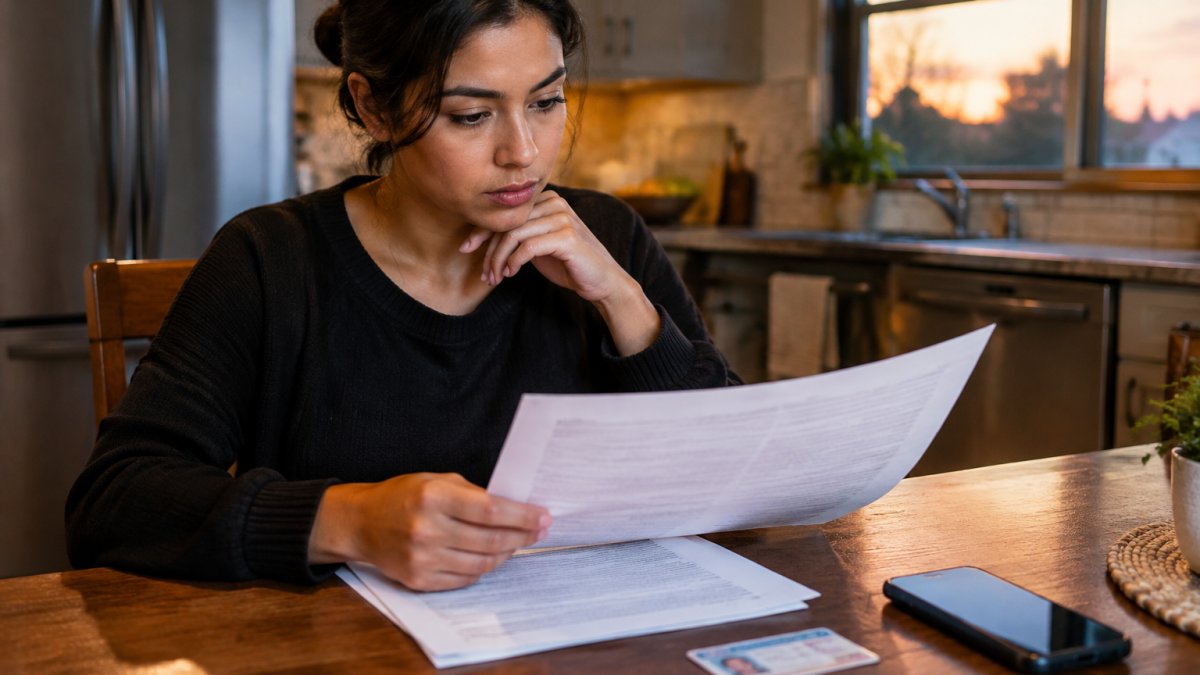
Run these checks in order:
- License check. Ask for the license number, then confirm it with the state licensing body that regulates bail agents.
- Office check. A real address you can visit beats a phone number alone.
- Paperwork check. The bond agreement should name the premium, the collateral, and the defendant's obligations. Read it before signing.
- Payment check. Legitimate agents do not demand gift cards, wire transfers to strangers, or cryptocurrency.
A common mistake is skipping the license check because the agent sounds confident. Confidence is not a credential. Our step-by-step walkthrough on how to verify a bail bondsman shows exactly where to look.
Bail Bond Scams: Red Flags and How to Protect Your Money
Scams target families in a hurry, and the playbook is predictable. Learn the red flags and you will spot them fast.
Watch out for these:
- Pressure to pay immediately, before you see any paperwork
- Payment demanded in gift cards, crypto, or peer-to-peer apps
- No physical office and no license number
Real courts do not call families demanding bail payment by phone. The Federal Trade Commission guidance on gift card scams notes that anyone demanding payment by gift card is a scammer, every time.
Protect yourself with three habits: verify the license, visit or confirm the office, and get every term in writing. Our breakdown of bail bond scams and how to avoid them covers the specific tactics we see most often.
Bail Assistance Programs and Alternatives to Commercial Bonds
A commercial surety bond is one path out of jail, not the only one.
Here is how the main options actually work:
Release on your own recognizance (ROR). A judge releases the defendant on a written promise to appear, with no money posted. This is the cheapest option by far, zero premium, zero collateral. It is most common for low-level charges and defendants with stable local ties, employment, and no failure-to-appear history. The catch is that ROR is discretionary; a judge grants it, you cannot demand it. If the defendant is still in custody, ask the jail or the court clerk whether an ROR review is scheduled.
Cash bail. You pay the full bail amount directly to the court.
Property bond. The court accepts real estate as security instead of cash.
Pretrial services programs. Many courts run supervision programs that release defendants with court-date reminders, check-in requirements, and sometimes supportive services. While these programs offer a structured alternative to commercial bail, they do not replace the necessity of hiring a defense attorney to navigate the complexities of your underlying legal case.
How to decide? First, can the defendant qualify for ROR or pretrial services? Second, can you afford to lock up the full bail amount in cash until the case ends? Third, if neither works, compare the nonrefundable premium of a surety bond against the cost of continued detention, lost wages, childcare, and job risk.
Watch out: some families pay a commercial premium before asking whether the defendant was eligible for ROR or a pretrial program.
Each route has real trade-offs. If you are weighing these against a surety bond, our complete guide to bail bond alternatives and assistance programs walks through how each one works in practice.
Before paying a nonrefundable premium, compare the main ways out of jail on cost, speed, and risk.
| Option | How it works | Key trade-off |
|---|---|---|
| Release on your own recognizance (ROR) | Judge releases on written promise to appear, no money posted | Cheapest option, but discretionary with the judge |
| Cash bail | Pay full bail amount directly to the court | Refundable after case, but ties up entire bail amount |
| Property bond | Court accepts real estate as security instead of cash | Preserves cash, but puts lien on home and moves slowly |
| Community bail funds | Nonprofits pool donations to post bail for those who cannot afford it | Costs nothing, but limited capacity and eligibility rules |
| Pretrial services programs | Court-run supervision with reminders, check-ins, sometimes services | Court-administered, not commercial; eligibility set by court |
| Commercial surety bond | Agent posts bond for a nonrefundable premium | Frees your cash and moves fast, but premium is not refunded |
State Rules, Licensing, and Multi-State Coverage Limits
Bail bonds are regulated at the state level. A bail bondsman licensed in one state generally cannot post bonds in another state.
So what does "national" actually mean? It means the company maintains a network of licensed partner agents in multiple states and coordinates the handoff. When you call a national provider, here is the real sequence:
- Intake. The company takes the arrest details, defendant name, booking facility, charge, and bail amount.
- Jurisdiction check. They confirm which state and county hold the defendant and which local agent in their network is licensed there.
- Local posting. The licensed agent in that jurisdiction posts the bond under that state's rules and fee structure.
- Single point of contact. You deal with one coordinator, but the paperwork, premium caps, and collateral rules follow the holding state's law.
This is where families get surprised.
Multi-state coverage also raises practical questions about who is responsible after release.
A National Association of Insurance Commissioners resource on surety tracks how surety regulation varies across states and is a reasonable starting point for understanding the patchwork.
What Happens After Release and How to Avoid Bond Forfeiture
Release is not the finish line. The bond stays active until the case closes, and one missed court date can trigger forfeiture.
Bond forfeiture means the court can order the full bail amount paid. Co-signers may be held responsible for that amount under the bond agreement.
Build a simple routine to prevent it:
- Put every court date on two calendars, with reminders set
- Check in with the agent before each appearance
- Tell the agent immediately if a date changes or the defendant moves
A common mistake is treating a rescheduled date as optional. It is not. Confirm every change with the court clerk, not just the agent.
What most people do not realize is how much the post-release steps matter. Our walkthrough of what happens after bail paperwork covers the full sequence so nothing slips.
Frequently Asked Questions
How can you verify that a bail bondsman is legitimate?
Ask for the agent's full name and license number, then confirm both with the state department that regulates bail agents, often the Department of Insurance or a licensing board. Check that the agency has a physical office address and a working phone number you can call back. A legitimate national bail bondsman will put the bond agreement in writing, explain the premium and collateral, and give you a receipt for every payment. Refusing to provide a license number or pressuring you toward gift cards is a warning sign.
What questions should you ask a bail bond company before signing?
Ask what the total cost is, including the premium and any fees, and get the breakdown in writing. Confirm whether collateral is required and when it is returned. Ask how fast release typically happens after paperwork and payment, and whether the agent handles the jail's booking and transfer process. Find out who to call after hours, what happens if a court date is missed, and whether the agency works in the county where your family member is held. Clear answers to these questions separate a professional agent from a risky one.
Are free bail bonds or bail assistance programs available?
Some nonprofits and community bail funds pay bail for people who cannot afford it, usually with eligibility rules and limited funding. Court-based programs in some jurisdictions offer reminders, supervision, or release on personal recognizance instead of cash bail. Availability varies widely by county and charge, so ask the jail or court clerk what pretrial options exist. A bail assistance program may not cover every case, and a licensed bondsman can explain the commercial option if a fund cannot help.
How much does a bail bond cost on an $8,000 bail amount?
Many states regulate the premium a bail bond agent can charge, and the rule is state-specific. Ask the agency for a written breakdown of the premium and any fees for an $8,000 bail, and confirm the applicable rule with your state's regulator. Collateral may also be required. Because rules and fees vary, ask the agency for a written breakdown and confirm the cap with your state's regulator before you pay.
Bail is stressful, and the decisions come fast. NATIONAL BAIL BOND OF LUBBOCK helps families cut through the noise with clear answers, no pressure, and a real office you can visit. We are available 24/7 for Lubbock and Hockley County releases, and we walk you through every document before you sign. Get started with NATIONAL BAIL BOND OF LUBBOCK and get your family member home without the guesswork.