 how-to
How to Prepare for a Bail Bond Meeting
Last Updated: November 5, 2026
Quick Summary
A bail bond meeting is a private talk with a bondsman about writing a bond contract, not a courtroom decision. Before you go, gather the person's full name, booking number, charges and bail amount, and bring photo ID, proof of address and income, references, and court paperwork.
- A bondsman meeting covers the bond contract and payment, while a court bail hearing is decided by a judge.
- Bring photo ID for yourself, the person in custody, and any cosigner.
- Confirm the bondsman's license with the state licensing lookup before you pay anyone.
- Ask whether the premium is refundable and get the answer in writing before signing.
- A cosigner may owe the full bond amount if the defendant misses a court date.
Table of Contents
- What a Bail Bond Meeting Is and How It Differs From a Court Bail Hearing
- Information to Gather Before You Contact a Bail Bondsman
- What to Say When You Call a Bail Bondsman
- Documents Needed for a Bail Bond
- Questions to Ask a Bail Bondsman Before Signing
- Cosigner Responsibilities and Financial Risks
- Your Next Step: Booking the Meeting and Keeping Records
- Frequently Asked Questions
What a Bail Bond Meeting Is and How It Differs From a Court Bail Hearing
Preparing for a bail bond meeting starts with knowing what the meeting is for. A bail bond meeting is a private talk between you and a bail bondsman. The bondsman uses it to learn about the person in custody and decide whether to write a bond. A court bail hearing is different. A judge makes that decision in a courtroom, and the hearing is part of the criminal case.
Keep the two straight. At a court hearing, the judge sets or changes the bail amount. At a bondsman meeting, you are working out the terms of a bond contract. Texas Judicial Branch guide to criminal procedure
- Court bail hearing: Held by a judge, part of the criminal case
- Bondsman meeting: Held privately, about the bond contract and payment
- Your goal: Get clear answers before you sign anything
Information to Gather Before You Contact a Bail Bondsman
Before you call, gather the basic facts about the person in custody. Having these details ready saves time and prevents mistakes.
Start with the facts you can find quickly:
- Full legal name and date of birth
- Booking number and the jail where the person is held
- The charges and the bail amount set by the court
- Any prior arrests or court dates
Some jails list inmates online, which makes it easier to confirm the booking number. For county-specific steps and requirements before you make contact, see our Hockley County bail posting guide. If you cannot find a detail, say so when you call. Do not guess. For details on how release works at a specific jail, see our Lubbock County jail release times guide.
What to Say When You Call a Bail Bondsman
Keep your first call short and clear. Explain who is in custody, where they are held, and what you need. A bondsman may be able to answer basic questions on the phone, but the full terms are typically reviewed at the meeting.
Try this simple script:
"My brother, [full name], was booked into the [county] jail. His booking number is [number]. The bail is set at [amount]. I want to know how to start the bond process."
If you are unsure about something, ask instead of guessing. A calm, honest call helps the bondsman help you.
Documents Needed for a Bail Bond
Most bail bond meetings require paperwork, and the exact list varies by bondsman and by jail. Confirm the list before the meeting so you are not sent home to retrieve something. In general, expect to bring:
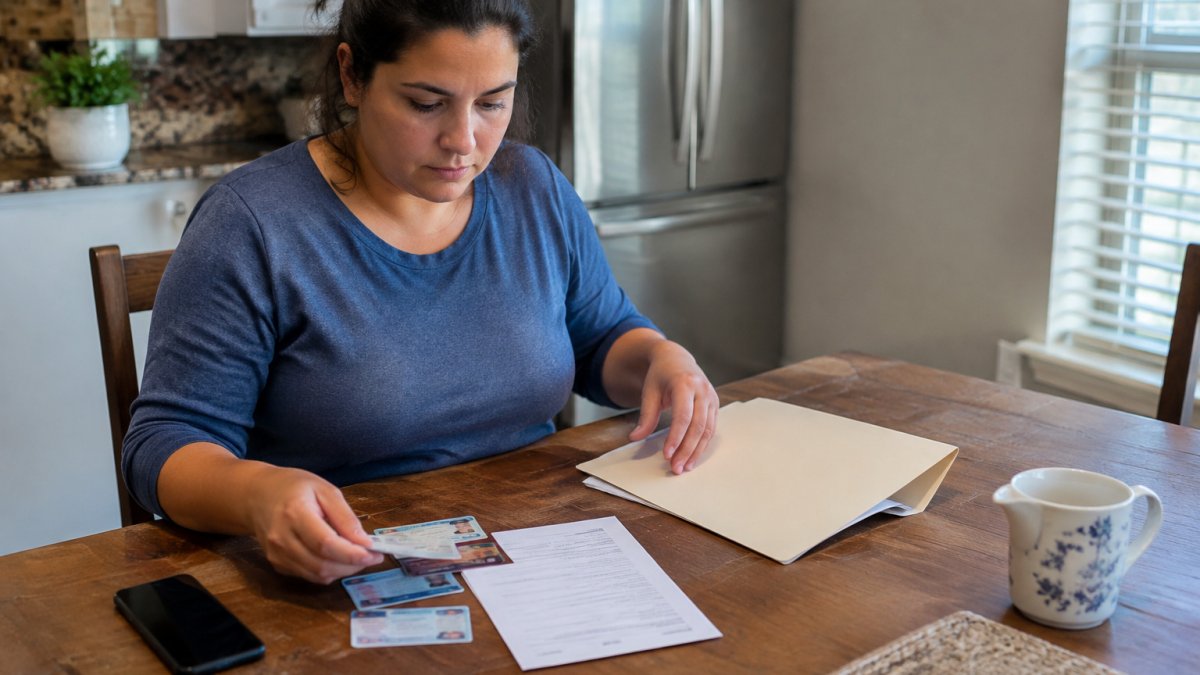
- Government-issued photo identification for yourself, the person in custody, and any cosigner
- Proof of address, such as a utility bill or lease, and proof of income or employment
- Contact information for the person in custody and for two or three references
- Any court paperwork you already have, such as the bond or charging documents
- The booking number and the name of the facility holding the person
Each document answers a specific question the bondsman must resolve before writing a bond. Photo ID confirms you are who you say you are. Proof of address and income show community ties and the ability to pay. References give the bondsman people to call if a court date is missed. Court paperwork confirms the bail amount and the charges so the bond is written against the correct case.
Make copies of everything and keep the originals with you. A complete folder shortens the meeting and reduces the chance of a return trip.
If a document or detail is unavailable, say so up front. Do not guess a booking number or invent a charge. Ask the bondsman how a missing document can be handled, including whether a cosigner can stand in. Being honest about the gap is faster than being caught in an error later.
Watch out: Sharing sensitive documents by text or email before you have verified the bondsman's license and business address can expose your personal and financial information. Confirm the bondsman is licensed through the state licensing lookup, and deliver copies in person or through a secure portal the bondsman's office controls. To check a bondsman's legitimacy before you sign, read our guide to verifying a bail bondsman.
state bail bond licensing lookup
Most bail bond meetings require paperwork, and the exact list varies by bondsman and by jail. Here is a summary of what to bring.
| Document | Purpose | Note |
|---|---|---|
| Government-issued photo ID | Confirms identity for you, the person in custody and any cosigner | Required for each party |
| Proof of address | Shows community ties | Utility bill or lease |
| Proof of income or employment | Shows ability to pay | Confirm acceptable forms |
| References | People the bondsman can contact | Two or three references |
| Court paperwork | Confirms bail amount and charges | Bond or charging documents |
| Booking number and facility name | Identifies the case and jail | Check before the meeting |
Questions to Ask a Bail Bondsman Before Signing
Never sign until you understand the contract. The questions below cover the points that most often surprise people after signing. Ask them in the meeting and write down the answers.
- Are you licensed, and how do I verify it? Ask for the license number and the name of the licensing agency. Texas bail bond licensing is handled by a state agency, and you can look up the license yourself before you pay.
- What is the total cost, and what is the premium? The premium is the fee the bondsman charges for writing the bond. Pricing depends on the specific bond and should be confirmed with the bondsman directly. Ask whether the premium is paid up front or in installments, and whether any fees are added on top.
- Is the premium refundable if the case is dismissed or the charges are dropped? Ask whether the premium is refundable under any circumstances, and confirm the answer in writing before you pay.
- Is collateral required, and what happens to it after the case ends? Ask what form of collateral is accepted, how it is held, when it is returned, and who returns it. Get the collateral terms in the contract, not just in conversation.
- What are the payment terms, and are there extra fees? Ask about installment schedules, late fees, and any charges for court-date reminders or paperwork.
- What does the bondsman expect from the person in custody after release? Ask about check-in requirements, curfews, and what happens if the person moves or changes jobs.
- What happens if a court date is missed? Ask who is responsible, what the bondsman does first, and whether the bond can be reinstated.
- Can the bond be cancelled, and what does cancellation cost? Ask whether you can cancel before the person is released and what portion of the premium is returned.
- What is the cosigner's liability, and can a cosigner be released? Ask whether a cosigner can be removed later and what it takes to do so.
- Who is my point of contact, and how do I reach them after hours? Get a name, a direct number, and the office address.
Scammers often ask for gift cards, cryptocurrency, or cash sent through a payment app (Avoiding and Reporting Gift Card Scams). Be cautious of any bondsman who asks for payment by gift card, cryptocurrency, or cash sent through a payment app. Read our guide on avoiding bail bond scams in Texas before you pay anyone.
Watch out: A verbal promise that a fee is refundable or that collateral will be returned is not enforceable if the signed contract says otherwise. Ask for the terms in writing and compare them to what you were told.
Cosigner Responsibilities and Financial Risks
A cosigner agrees to take on financial responsibility for the bond. If the person in custody misses a court date, the cosigner may owe the full bond amount. Many people do not realize this until it is too late.
Before you cosign, understand these risks:
- You may be responsible for the full bond amount if the defendant fails to appear
- Your collateral, such as property or savings, may be at risk
- You must keep up your end of the agreement until the case is resolved
- Some hidden costs can appear after signing, so ask about them up front
Our overview of hidden costs of bail bonds to avoid explains what to watch for. Taking time to understand these risks protects your finances.
Your Next Step: Booking the Meeting and Keeping Records
Once you have your documents and questions ready, book the meeting. Confirm the time, the location, and what to bring. Ask the bondsman to explain the contract in writing.
After the meeting, keep records of everything:
- A copy of every signed agreement
- Receipts for all payments
- Notes on who you spoke with and what they promised
- Your court date and any release conditions
With preparation, the meeting gets much easier. National Bail Bond of Lubbock is available 24/7 to answer your questions and help you move forward with confidence.
Frequently Asked Questions
What to say when you call a bail bondsman?
Start with the person's full legal name, date of birth, the facility where they are held, and the booking number if you have it. State the county, the charges if you know them, and the bail amount set by the court. Ask whether the bondsman can help with release and what the next steps are. Keep the call focused on facts, and write down the name of the person you speak with and the time of the call. Avoid guessing at details you do not know, because an accurate booking number prevents delays.
What questions should you ask a bail bondsman before signing?
Ask for the total premium in USD, whether it is non-refundable, and whether any fees apply beyond it. Confirm what collateral is required and how it is returned. Ask what the cosigner is responsible for, what court dates the defendant must attend, and what happens if the defendant misses one. Request the agreement in writing and read it before signing. Ask how to reach the bondsman after hours and how release timing works.
What information should you have ready for a bail bond meeting?
Bring the person's full legal name, date of birth, booking number, and the name of the facility holding them. Have the charges and bail amount from the court paperwork if available. Bring your own government-issued photo identification, proof of income or employment, and contact information. Character references and details about the defendant's address and family ties can also help. If a document is unavailable, tell the bondsman so they can advise you on what can substitute for it.
What happens if I do not have all the documents for the bail bond meeting?
You can still meet with the bondsman, but missing paperwork may slow the process. Tell the bondsman which documents you do not have so they can explain alternatives or what can be provided later. Do not invent or estimate details such as booking numbers or dates of birth. Accurate information protects the release from delays, so ask for a written list of what remains outstanding before you leave.