 comparison
7 Ace Bonding Co Alternatives for Lubbock Bail Releases
Last Updated: November 3, 2026
Quick Summary
Ace bonding co alternatives come down to three release paths: cash bail paid directly to the court, a personal recognizance or signature bond decided by a judge, or a licensed surety bondsman who charges a regulated, nonrefundable premium. Verify any bondsman's license before you pay.
- Cash bail is refundable after the case ends, but a missed court date can trigger forfeiture of the full amount.
- Personal recognizance and signature bonds depend on a court risk assessment, not on your wallet.
- Ask the jail or court clerk whether a PR or signature bond is already set before paying a nonrefundable fee.
- A co-signer is legally on the hook for the full bail amount if the defendant fails to appear.
- Any agency demanding gift cards or cryptocurrency is a red flag; get a written receipt for every payment.
Table of Contents
- Which Ace Bonding Co You Mean, and Why It Matters
- Release Options Compared: Cash Bail, PR Bonds, and Surety Bonds
- How Lubbock Bail Bonds Work Across Lubbock and Hockley Counties
- Bail Bond Fees Texas Regulates, and What You Actually Pay
- How to Verify a Texas Bail Bondsman Before You Sign
- Where Each Alternative Fits: A Decision Framework
- What to Do in the First Hour After an Arrest
- Call a Licensed Lubbock Bondsman Before You Choose
- Frequently Asked Questions
Which Ace Bonding Co You Mean, and Why It Matters
Searching for Ace Bonding Co alternative options usually means one of two things: you're looking for a different bondsman than the one you found, or you're trying to figure out whether a company by that name is even the right call for a Lubbock or Hockley County release. At NATIONAL BAIL BOND OF LUBBOCK, we've watched families lose hours to this confusion. Similar names, similar websites, and a stressed search at 2 a.m. make it easy to call the wrong office.
Here's the part most guides skip: the name on the website matters less than the license behind it. A bonding agency either holds a valid license or it doesn't, and verifying that status before you pay is the most useful step you can take.
Below, we break down every release option side by side, what each one actually costs you, and how to verify a bondsman before you sign anything.
Release Options Compared: Cash Bail, PR Bonds, and Surety Bonds
Three paths get someone out of a county jail, and they differ mainly in who carries the financial risk and who decides whether release happens at all. Cash bail means paying the full bail amount to the court. Personal recognizance means the court releases the defendant on a signed promise with no money down. A surety bond means a licensed bondsman posts the bond and charges a regulated, nonrefundable fee.
| Option | Upfront Cost | Refundable? | Who Decides | Typical Timeline |
|---|---|---|---|---|
| Cash bail | Full bail amount | Yes, after case ends | Judge sets amount; defendant or family pays | Same day to a few hours after payment clears |
| PR / signature bond | None | N/A | Court eligibility review (magistrate or judge) | Hours to a day, depending on docket |
| Surety bond | Regulated premium (percentage of bail) | No | You choose the bondsman; jail approves the bond | Two to eight hours after paperwork |
Cash Bail Paid Directly to the Court
Paying cash bail means handing the full amount to the court or jail intake. A defendant or a family member can generally post the full bail amount in cash, and the court holds it until the case is resolved. The money is typically returned after court appearances are complete, but it can remain tied up for an extended period if the case is continued. Most families do not have that kind of liquid cash on short notice.
Cash bail is generally refundable only if the defendant appears at every required hearing. A missed court date can trigger forfeiture, and the court may keep the full amount.
Personal Recognizance and Signature Bonds
Personal recognizance release depends on a court risk assessment, not on your wallet. A magistrate or judge generally reviews the arrest affidavit and considers factors such as the charge, the defendant's ties to the community, prior failures to appear, and whether the defendant poses a danger. Signature bonds work similarly, though a co-signer may be required and the court may attach conditions like reporting requirements or travel restrictions. Neither is guaranteed, and a judge can deny PR release even for a low-level charge.
Eligibility often depends on factors such as prior record, local ties, and the nature of the charge, and the court makes the final determination. If you're weighing these against a commercial bond, our guide to bail bond alternatives walks through each one in detail.
How the Three Options Interact in Practice
These options are not mutually exclusive, and the order in which they are pursued matters. A family may ask the court about PR release at the first appearance, get denied, and then turn to a surety bondsman the same day. Conversely, a defendant who posts cash bail can later ask the court to convert the cash deposit into a surety bond, which frees up the cash, though the court is not required to grant the request.
Watch out: some families pay a bondsman's premium and then learn the defendant was actually eligible for a signature bond at arraignment. Ask the jail or the court clerk whether a PR or signature bond has already been set before you pay anyone a nonrefundable fee.
How Lubbock Bail Bonds Work Across Lubbock and Hockley Counties
Local procedure is where national advice falls apart. Lubbock County and Hockley County each run their own jail intake and booking process, so the paperwork, accepted payment methods, and release timing differ by jurisdiction. A bondsman who works both counties daily knows which desk to call and what the jail needs before a bond can post.
That local coverage is why response time varies so much between providers. If your family member is in the Hockley County jail, the county-specific steps are worth reading before you call anyone: how to post bail in Hockley County.
Bail Bond Fees Texas Regulates, and What You Actually Pay
Texas regulates what a bail bondsman can charge, and the fee is a percentage of the bail amount set by the court, not a number the agency invents. Bail bond premiums are typically a nonrefundable percentage of the bail amount, and the rate and terms vary by agency. Ask for the exact premium in writing before you sign.
Bail premiums are calculated as a percentage of the bail amount. Your actual bail amount and the court's schedule control the final figure. Ask each agency for a written quote.
Those premiums are only part of the total cost. Ask every agency to quote the full picture before you sign:
- Premium: the nonrefundable fee, quoted by the agency.
- Collateral: cash, a vehicle title, or real property the agency holds until the case ends. Collateral is returned when the bond is exonerated, but only if the defendant appears at every hearing.
- Co-signer obligation: a co-signer is legally on the hook for the full bail amount if the defendant fails to appear, not just the premium.
- Court and jail fees: some jurisdictions may charge booking or processing fees separate from bail.
- Payment plans: ask whether installment options are available, and get the terms in writing.
Watch out: any agency quoting a flat "deal" far below the regulated rate, or demanding gift cards or cryptocurrency, is a red flag. A legitimate bondsman will put the premium, collateral terms, and co-signer obligations in a written agreement and give you a receipt for every payment. We can't quote a final number here because it depends on the bail amount and the court's schedule. Contact us or visit our website for current pricing or a quote, and we will walk through the breakdown before you commit.
How to Verify a Texas Bail Bondsman Before You Sign
Verification takes only a few minutes and can help you avoid bail scams. Ask for the license number, confirm the agency has a physical office, and check the license against official state records.
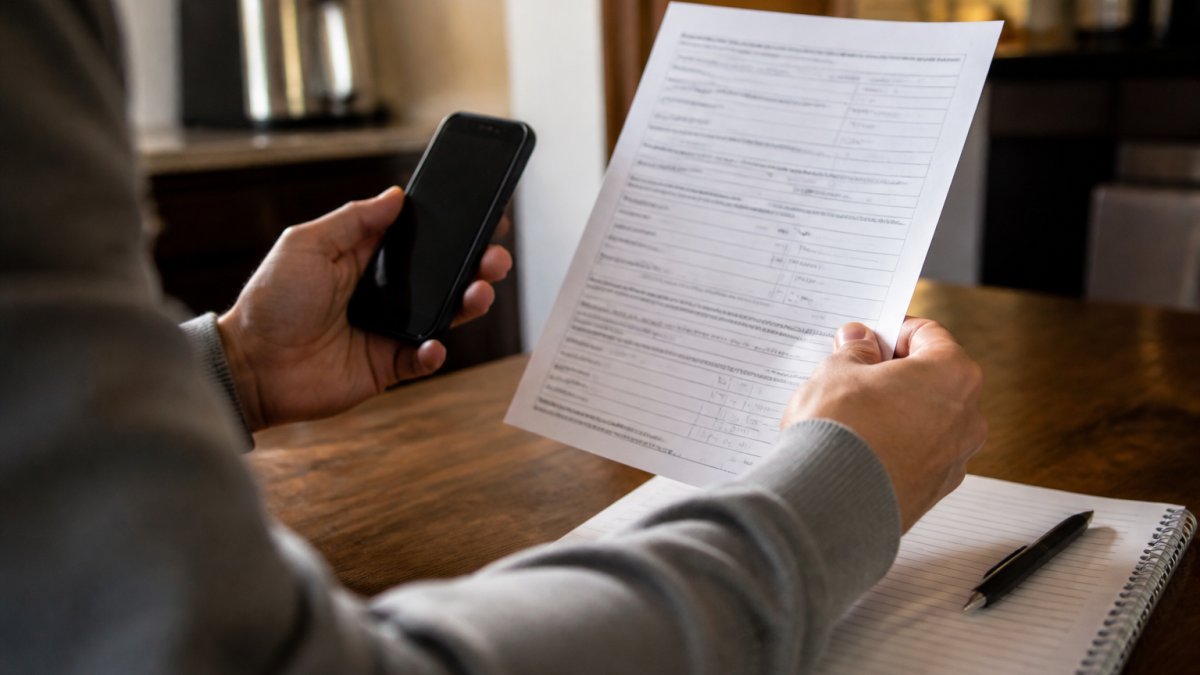
Run this checklist before signing:
- License number provided without being asked
- Physical street address, not just a phone number
- Fee explained as a percentage of the bail amount
- Written receipt for every payment
- No requests for gift cards, crypto, or wire transfers
- Clear explanation of collateral and co-signer terms
For a full walkthrough, use our step-by-step guide on how to verify a bail bondsman.
Where Each Alternative Fits: A Decision Framework
Match the option to your situation, not to whichever company ranks first. Use this framework:
- You have the full bail amount in cash: pay the court directly and get it back later.
- The defendant is low-risk and the court offers it: ask about personal recognizance or a signature bond.
- You need release tonight and can't post the full amount: a licensed surety bondsman is the practical route.
- You're unsure which company is legitimate: verify the license first, then decide.
A common mistake is calling the first number that appears and signing before checking the license. Slow down for ten minutes and you avoid most problems.
What to Do in the First Hour After an Arrest
Get the booking details first: full name, date of birth, and the jail holding them. Then confirm the bail amount and the court date. Writing these details down before you call can help keep the process organized.
Don't send money to anyone who contacts you first. Scammers monitor arrest records and call families posing as bondsmen. Our checklist on steps after a loved one is arrested covers the full sequence.
Call a Licensed Lubbock Bondsman Before You Choose
Choosing a bonding agency comes down to verification, transparency, and local knowledge. NATIONAL BAIL BOND OF LUBBOCK has over 50 years of experience with the criminal justice system, and we serve Lubbock and Hockley County inmates from a physical office in Lubbock. We're available 24/7 and offer clear guidance on how to avoid scams and verify official bondsman services.
Contact NATIONAL BAIL BOND OF LUBBOCK to discuss your family member's situation. You can contact our licensed bondsmen any hour of the day.
Frequently Asked Questions
What has been the most successful alternative to a bail bond company?
Cash bail paid directly to the court is the cleanest alternative because the full amount is typically returned once court appearances are complete, with no nonrefundable premium. The catch is that it requires the entire bail amount upfront. Personal recognizance release costs nothing but depends on court eligibility. For families without liquid cash, a licensed surety bondsman remains the practical route, and you should compare providers on fees and licensing before signing.
Can I get a bail bond without a cosigner in Lubbock?
Some bondsmen accept defendants without a cosigner, though many require one as security for the financial obligation. Whether a cosigner is required depends on the agency's policy, the bail amount, and your ties to the community. Ask directly when you call, and confirm what the cosigner is signing. A cosigner, also called an indemnitor, is legally responsible for the full bond amount if the defendant fails to appear.
How much does a $25,000 bail bond cost in Texas?
Bail bond premiums are generally calculated as a percentage of the bail amount rather than a flat rate. On a $25,000 bond, the premium is calculated from that percentage, and it is nonrefundable once the bond is posted. Payment plans are often available. Because rates and terms vary by agency, ask each bondsman for a written quote of the premium and any additional charges before you commit. Visit our website or contact us for current pricing.
How do I verify a Texas bail bondsman is licensed?
Ask for the bondsman's license number and the name of the surety company backing the bond, then confirm both with the appropriate state licensing authority. A legitimate agent will answer without hesitation and will not demand gift cards, cryptocurrency, or payment through unusual apps. Verify the license before you hand over any money or sign a bond agreement.
What are the four types of bail bonds?
The four common types are cash bail, personal recognizance bonds, signature bonds, and surety bonds posted by a licensed bondsman. Cash bail is paid in full to the court and typically refunded. PR and signature bonds rely on a written promise to appear, sometimes with a guarantor. Surety bonds involve an agency posting the full amount on your behalf in exchange for a nonrefundable premium.