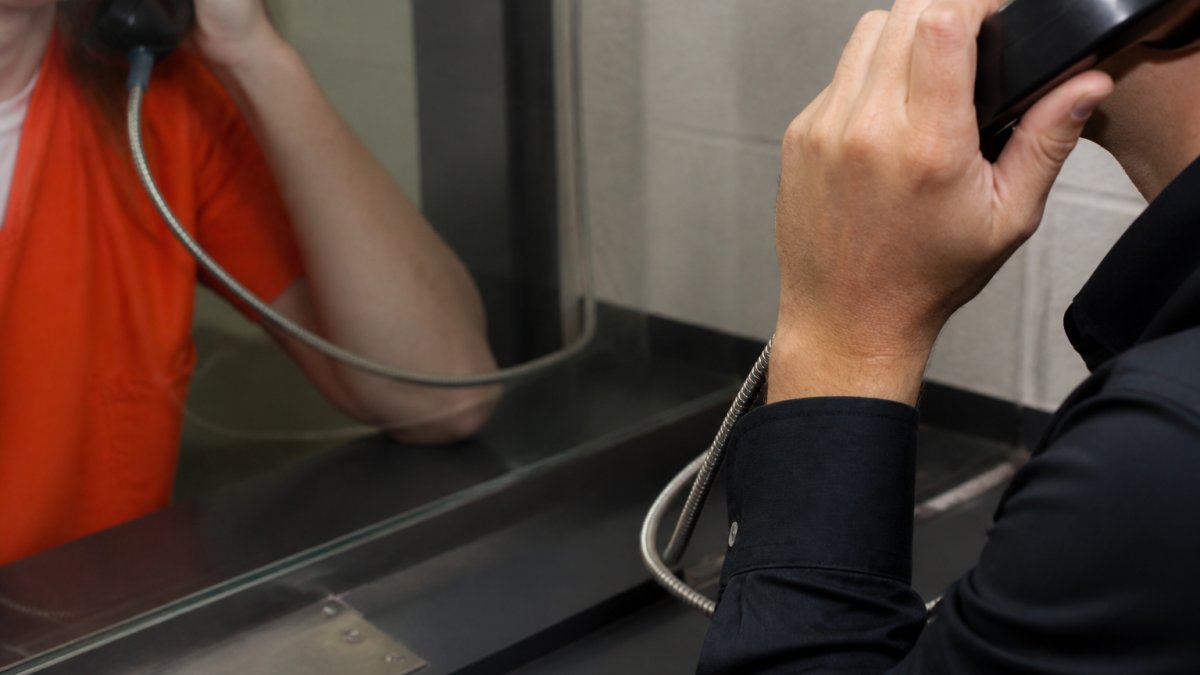
 comparison
Is a 24/7 Bail Bond Service Worth It?
Last Updated: October 31, 2026
Quick Summary
A 24/7 bail bond service is worth it when the arrest happens after 5 p.m. on a weekday, on a weekend, or on a holiday, because it removes a multi-day wait at the same regulated premium. If the arrest happens on a weekday morning and bail is already set, a standard-hours agency can do the same job for the same premium.
- A 24/7 bail bond service answers calls and starts paperwork at any hour, including nights, weekends, and holidays.
- Round-the-clock availability removes the waiting-until-morning problem but not the jail's own processing time.
- A weekend arrest can mean roughly 60 hours in jail if paperwork waits until Monday.
- Bail bond fees are set by state law, so after-hours service usually costs the same as daytime service.
- No agency can post a bond before the court sets bail, so after-hours availability buys nothing until the number exists.
Table of Contents
- What 24/7 Bail Bond Service Actually Guarantees
- 24/7 Versus Standard-Hours Bail Service: A Cost-Benefit Comparison
- Bail Bond Fees and Payment Plans: What You Actually Pay
- How Long Does It Take to Get Out on Bail?
- Bail Bond Scams and How to Avoid Them
- Questions to Ask a Bail Bondsman Before You Sign
- Alternatives to Hiring a Bail Bondsman
- Calling a Bondsman After Hours: What to Have Ready
- Frequently Asked Questions
What 24/7 Bail Bond Service Actually Guarantees
Arrests do not keep business hours, so whether a 24/7 bail bond service is worth it comes down to one question: what does round-the-clock availability actually get you? A 24/7 bail bond service is a licensed bonding agency that answers calls and starts paperwork at any hour, including nights, weekends, and holidays.
But availability is a promise about answering, not a promise about speed. That distinction matters more than most families realize when they call the first number they find.
Availability Is Not the Same as Speed
A bondsman who answers at 3 a.m. still has to verify the jail's booking information, confirm the bail amount with the court, and complete a contract before anything moves. Round-the-clock service removes the waiting-until-morning problem. It does not remove the jail's own processing time, which no bonding agency controls.
What Round-the-Clock Service Does Not Cover
After-hours availability does not guarantee a lower fee, a faster jail release, or a specific outcome in court. It also does not replace a lawyer's advice on the case itself. What it does guarantee is that someone licensed can start the bond process immediately instead of your family losing hours to voicemail.
24/7 Versus Standard-Hours Bail Service: A Cost-Benefit Comparison
The honest answer is that 24/7 service usually costs the same as daytime service, because the premium is set by state regulation, not by the clock. The real trade-off is not price, it is the value of hours you cannot get back. Here is how to weigh it.
The Cost Side: What You Actually Pay For
Ask for the total premium, the down payment, and the payment schedule in writing before you sign.
The Benefit Side: What the Extra Hours Are Worth
The benefit of 24/7 service is measured in avoided delay. If an arrest happens at 11 p.m. on a Friday, a standard-hours agency may not start paperwork until Monday morning. That is roughly 60 hours of the defendant sitting in jail, plus the family losing a weekend to uncertainty. A 24/7 agency can start the bond the same night, though release timing depends on the jail's processing speed.
That time has real value: lost wages, missed childcare, and the stress of a weekend without information. For many families, the benefit is not a lower fee, it is avoiding a two-day wait that no one can undo.
When 24/7 Is Not Worth It
Round-the-clock service is not worth choosing when the arrest happens during weekday business hours and the jail is not holding the person for a quick release. In that case, a standard-hours agency can do the same work at the same regulated premium, and you are not paying for hours you do not need. The same is true if the bail amount has not been set yet, no agency can post a bond before the court sets bail, so paying for after-hours availability buys you nothing until the number exists.
The Decision Rule in One Sentence
Compare the regulated premium (which should be identical) against the number of hours you would lose waiting for a standard-hours office to open, if that wait crosses a night, a weekend, or a holiday, 24/7 service is worth it; if it does not, it is a convenience, not a necessity.
Here is how the two options compare on cost, timing, and when each one makes sense.
| Situation | 24/7 service | Standard-hours service |
|---|---|---|
| Premium charged | Same regulated premium | Same regulated premium |
| Arrest after 5 p.m. on a weekday | Worth it; removes multi-day wait | Paperwork may wait until Monday |
| Arrest on a weekend or holiday | Worth it; starts bond same night | Roughly 60 hours in jail possible |
| Weekday morning arrest, bail already set | Convenience, not necessity | Can do the same job for same premium |
| Bail amount not yet set | Buys you nothing until number exists | No agency can post bond before bail is set |
| Release timing | Depends on jail's processing speed | Depends on jail's processing speed |
Bail Bond Fees and Payment Plans: What You Actually Pay
Bail bond fees are set by state law, not by the agency, so a 24/7 bail bond carries the same regulated premium as a daytime one. In Texas, the premium is a percentage of the bail amount, and the exact rate is capped by statute. We will not quote a number here because the rate is set by the state and can change, so check the current figure with the Texas Department of Insurance or ask us directly for a written breakdown.
What you pay up front is the premium, not the full bail amount. The rest is the agency's financial responsibility to the court. Payment plans spread the premium over time, and you can set up a payment plan if paying it all at once is not realistic. For a full picture of what bonds cost in this state, read our Texas bail bonds price guide.
Collateral, Co-Signers, and the Indemnitor's Obligations
A co-signer, also called an indemnitor, signs the contract and takes on financial responsibility if the defendant misses court. Collateral, such as property or a vehicle, may be required to secure the bond. The co-signer is on the hook for the full bail amount if the defendant fails to appear, which is the single most misunderstood part of the paperwork.
How Long Does It Take to Get Out on Bail?
Release timing depends on the jail's processing, which varies by facility and by how busy the booking desk is.
Factors that stretch the timeline include incomplete booking information, a crowded jail intake process, and weekend court schedules.
Bail Bond Scams and How to Avoid Them
Bail bond scams follow a predictable pattern: someone calls demanding payment by gift card, wire transfer, or cryptocurrency before any paperwork exists. Legitimate agencies do not operate that way.
Watch out: if a caller refuses to give a license number or asks for payment in gift cards, stop the call. Our guide on avoiding bail bond scams in Texas walks through the verification steps.
Questions to Ask a Bail Bondsman Before You Sign
Before signing anything, ask these questions and expect direct answers:
- What is your state license number?
- What is the total premium, and what does it cover?
- Is there a payment plan, and what are the terms?
A bondsman who dodges any of these is not worth your signature. We keep a fuller list in our guide to questions to ask before hiring a bail bond agent.
Alternatives to Hiring a Bail Bondsman
A bail bondsman is not the only way out of jail, and whether 24/7 service is worth it depends partly on whether you need a bondsman at all. Here are the realistic alternatives, how each works, and when each one beats paying a premium.
Paying the Full Bail Amount Directly to the Court
If the family can post the entire bail amount in cash or through a court-approved payment method, the court holds the money and returns it after the case concludes, minus any court fees or forfeitures. The advantage is that you get the money back; the disadvantage is that the full amount is tied up for months, sometimes longer.
Release on Recognizance (ROR) and Pretrial Release Programs
A judge can release a defendant on their own recognizance, a promise to appear, with no money posted (Bail Resources). Many counties also run pretrial release programs that screen defendants for risk and recommend release with conditions such as check-ins or supervision. These options cost little or nothing, but eligibility is decided by the court, not the family, and they are not available for every charge.
Public Defender and Legal Aid Help
A public defender or legal aid attorney can explain the defendant's options, request a bail reduction, and argue for release on recognizance. This is not a bonding alternative in itself, but it can change the bail amount or eliminate the need for a bond entirely. If the defendant qualifies for a public defender, that is often the first call to make, before calling a bondsman.
When a Bondsman Still Makes Sense
For most families, the full bail amount is out of reach, and ROR or pretrial release is not granted. In that case, a bondsman is the practical option: you pay a regulated premium instead of the full bail amount, and the agency takes on the financial responsibility to the court. The comparison is simple, pay a premium you do not get back, or tie up the full bail amount for months.
Calling a Bondsman After Hours: What to Have Ready
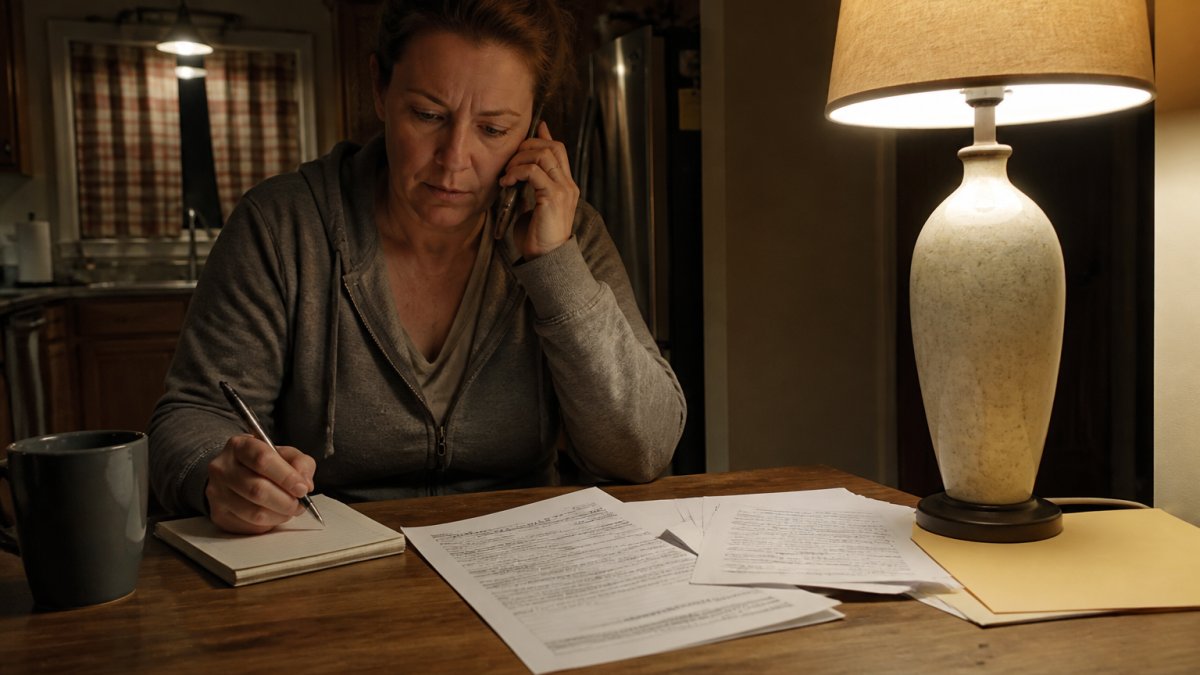
Have the defendant's full name, date of birth, and the jail where they are held.
Our service is available 24/7, so you can call at any hour. If you want to see how our after-hours service works, review our 24 hour bail bond services before you dial.
Frequently Asked Questions
What does a 24/7 bail bond service actually do?
A 24/7 bail bond service keeps a licensed agent reachable at any hour to start the bonding process after an arrest. That means taking your call at 2 a.m., confirming the bail amount and jail location, explaining the premium and contract terms, and arranging the bond so release paperwork can be filed. What it does not do is set the bail amount, speed up jail booking, or guarantee a release time. The court sets bail and the jail controls processing, so availability shortens the wait to begin, not the wait inside.
Is a 24/7 bail bond service worth the cost?
Premiums on bail bonds are set under state rules, so compare the fee and contract terms directly with each agency. The real question is timing. If the arrest happens overnight, on a weekend, or on a holiday, a standard-hours agency cannot start work until it opens, and the defendant stays in custody through that gap. Compare the fee, the contract terms, and the response time, then decide whether the added availability matters for your situation.
How much does a bail bond cost?
A bail bond premium is generally a percentage of the bail amount, with the allowed rate set by state law. Ask the agent for the exact premium, whether a down payment is required, what the payment plan looks like, and what collateral or co-signer they need. Get the total in writing before signing anything, and confirm the rate against your state's licensing authority.
How quickly can a bail bondsman help secure someone's release?
Once the paperwork is signed and the premium is paid, the bond can be posted, and release timing then depends on the jail. The rest depends on the jail: booking must be complete, the bail amount must be set, and the facility's release process must run its course. Busy weekends and larger facilities take longer. Ask the agent for a realistic estimate based on the specific jail holding the defendant, and ask what information they need from you to avoid delays.
What happens if someone misses a court date after being released on bond?
A missed court date can lead to a warrant for the defendant's arrest and a forfeiture of the bond. The co-signer, also called the indemnitor, may then be responsible for the full bail amount and any costs the bondsman incurs recovering the defendant. This is why the contract terms matter as much as the premium. Before signing, ask what happens if a date is missed, whether the agency offers reminders, and what obligations fall on the co-signer.
An arrest at an odd hour does not have to mean waiting until morning. National Bail Bond of Lubbock answers calls 24/7, serves Lubbock and Hockley County jails, and keeps a physical office you can walk into. Our team helps you verify licensing, avoid scams, and understand every contract term before you sign. Get started with National Bail Bond of Lubbock and put a licensed bondsman to work on the release tonight.