 How-to
How to Find a Reliable Bail Bondsman in Texas
Last Updated: November 16, 2026
Quick Summary
To find a reliable bail bondsman in Texas, first verify that the agent holds an active license through the Texas Department of Insurance, matching the individual name and license number rather than just the company. Then get the premium, collateral, fees, and refund terms in writing before you pay anyone.
- Search the Texas Department of Insurance licensing records by license number first, then by name.
- Confirm the license status reads active and that the licensed name matches the person you are speaking with.
- Ask for the premium in exact dollars and get an itemized breakdown in writing before paying.
- Ask which fees are refundable and under what conditions collateral is returned.
- Never pay through gift cards, cryptocurrency, or a personal account; treat those requests as scam warnings.
Table of Contents
- Why Choosing the Right Bail Bondsman Matters Under Time Pressure
- How to Verify a Bail Bondsman License in Texas
- Questions to Ask a Bail Bondsman Before You Sign
- Understanding Bail Bond Fees and Payment Plans
- Contract Terms, Co-Signer Duties, and Missed Court Consequences
- Bail Bondsman Scam Warning Signs to Recognize
- Booking Your Bail Bond with National Bail Bond of Lubbock
- Frequently Asked Questions
Why Choosing the Right Bail Bondsman Matters Under Time Pressure
When a family member is sitting in a Texas jail, the first call often gets made in a panic, and choosing a bail bondsman in Texas becomes the most urgent decision a household faces. Decisions made under pressure after an overnight detention are often rushed.
Bail bond work is regulated in Texas, and licensed agents answer to state rules administered through the Texas Department of Insurance. Read the official public notice about bail bond scam imposters for more on impostors posing as bondsmen.
We recommend treating the first call as an interview, not a transaction. Ask for the company's name, the agent's name, and their license information before you give any personal details.
How to Verify a Bail Bondsman License in Texas
Every legitimate bail bondsman in Texas must hold a license, and verifying that license is the single most important step you can take before paying anyone. The check takes a few minutes and gives you a factual basis for trusting or rejecting the person on the phone. The practical steps below help you separate a verified agent from a convincing impostor.
Ask the agent for their full legal name and license number, then confirm both through official state records rather than a business card or a website the agent controls. A legitimate agent will give you this without hesitation.
Checking the Texas Department of Insurance Licensing Records
Bail bondsmen in Texas are licensed through the Texas Department of Insurance (TDI). The Texas Department of Insurance (TDI) is the agency that licenses bail bondsmen in Texas; check its official website for its current public licensing records. A valid match should show the license is active, the license type, the licensed company, and the license expiration date.
Work through the record in this order:
- Search by license number first, then by name. A number search is harder to spoof than a name search.
- Confirm the status reads active, not expired, suspended, or revoked.
- Confirm the name on the license matches the person on the phone, not just the company name.
- Confirm the company on the license matches the company asking for your money.
- Note the expiration date and re-check it if the case runs long.
Watch out: a caller may give you a real license number that belongs to a different agent at the same company, so always match the individual name, not just the company. Our guide to avoiding bail bond scams in Texas explains how to verify before you pay.
Reviewing Disciplinary History and Complaints
A license that is active today can still carry a record of problems. Regulators may publish enforcement actions against licensees; check the official agency website for any records related to the individual or company. Search the licensee's name and the company name separately, because actions are sometimes recorded against the business entity rather than the individual.
A clean record does not guarantee good service, and one old complaint does not automatically disqualify an agent. Look for patterns, recent actions, and whether issues were resolved. Write down anything concerning so you can ask the agent about it directly.
Filing a Complaint or Reporting a Suspected Unlicensed Bondsman
If an agent cannot produce a license, gives a number that does not match state records, or behaves in a way that suggests fraud, you can report it. Complaints about licensed agents or suspected unlicensed bonding activity can generally be directed to the Texas Department of Insurance; confirm the current reporting process on its official website. Keep the caller's name, the company name, the phone number, and any payment requests you received; those details make a complaint actionable. Reporting a suspicious caller can protect the next family in the same situation.
What the License Check Does Not Tell You
A license confirms the agent is legally allowed to write bonds in Texas. It does not tell you whether the agent is good at the job, how quickly they answer the phone at 2 a.m., or whether their contract terms are fair. Treat the license check as the floor, not the ceiling, and pair it with the contract and fee questions covered below.
Questions to Ask a Bail Bondsman Before You Sign
Once a license checks out, the conversation shifts to the specifics of your case. Clear answers to a few direct questions tell you a great deal about how the company will treat you.

Use this checklist during your call:
- Is your license active, and can you give me your license number?
- What is your total premium, and what percentage of the bail amount does it represent?
- What collateral do you require, and when is it returned?
- Are there any additional fees, such as paperwork, court-related, or late charges?
- What payment options do you accept, and are payment plans available?
- Do you accept cash, card, or check, and will you give me an itemized receipt?
- What happens if my loved one misses a court date?
- Who will I contact if I have questions after release?
If an agent avoids these questions, rushes you, or asks for payment through gift cards, cryptocurrency, or wire transfer to a personal account, treat that as a serious warning.
Understanding Bail Bond Fees and Payment Plans
In Texas, the bail bond premium is the main cost you pay to the bondsman. It is generally calculated as a percentage of the total bail amount, so a larger bail usually produces a larger premium. Ask each company how its premium is calculated and confirm the exact dollar figure in writing.
Ask for the premium in dollars, not just as a percentage, and request the breakdown in writing. Our article on hidden costs of bail bonds to avoid covers the fees families most often miss. Some agreements include collateral, which the bondsman holds until the case concludes, along with any fees charged on top of the premium.
| Cost element | What it covers | Questions to ask |
|---|---|---|
| Premium | Main fee paid to the bondsman for the bond | What is the exact dollar amount, and what rate does it reflect? |
| Collateral | Property or funds held as security | What qualifies, how is it valued, and when is it returned? |
| Administrative or paperwork fees | Processing and documentation | Are these included in the premium or charged extra? |
| Payment plan terms | Installment schedule for the premium | Is interest charged, and what are the due dates? |
| Refund conditions | When any money comes back | What triggers a refund, and how long does it take? |
Which Parts of a Bail Bond Payment Are Refundable
This is where families most often get surprised. Ask each bondsman whether any part of the premium is refundable and under what conditions. Collateral is security held against the bond; ask each bondsman how and when collateral is returned. Ask the agent to state, in writing, which line items are refundable, which are not, and what conditions trigger a return of collateral.
How Collateral Works and What Can Go Wrong
Collateral can be cash, a vehicle, real property, or other assets the bondsman accepts. Before you pledge anything, get the valuation method, the storage or holding terms, and the return timeline in writing. Watch out: collateral pledged for one defendant can be held until the case is fully resolved, which may be months or longer, so never pledge an asset you may need before the case concludes.
Payment Plans and Default Consequences
Payment plans can help families who cannot pay the full premium upfront. See how to set one up in our Lubbock bail bonds payment plans guide. Get the schedule, late-payment penalties, and default consequences in writing before you agree. A missed installment can be treated as a default under the contract, and default terms vary by company, so read them rather than assuming a grace period exists.
Comparing Quotes Without Getting Misled
Because the premium rate is regulated, a quote that is dramatically lower than others deserves a question, not a celebration. Ask whether the quoted number is the full premium or a deposit, whether fees are included, and whether the rate matches the bail amount. A written, itemized quote from two or three licensed companies is the fastest way to see who is being straight with you.
Contract Terms, Co-Signer Duties, and Missed Court Consequences
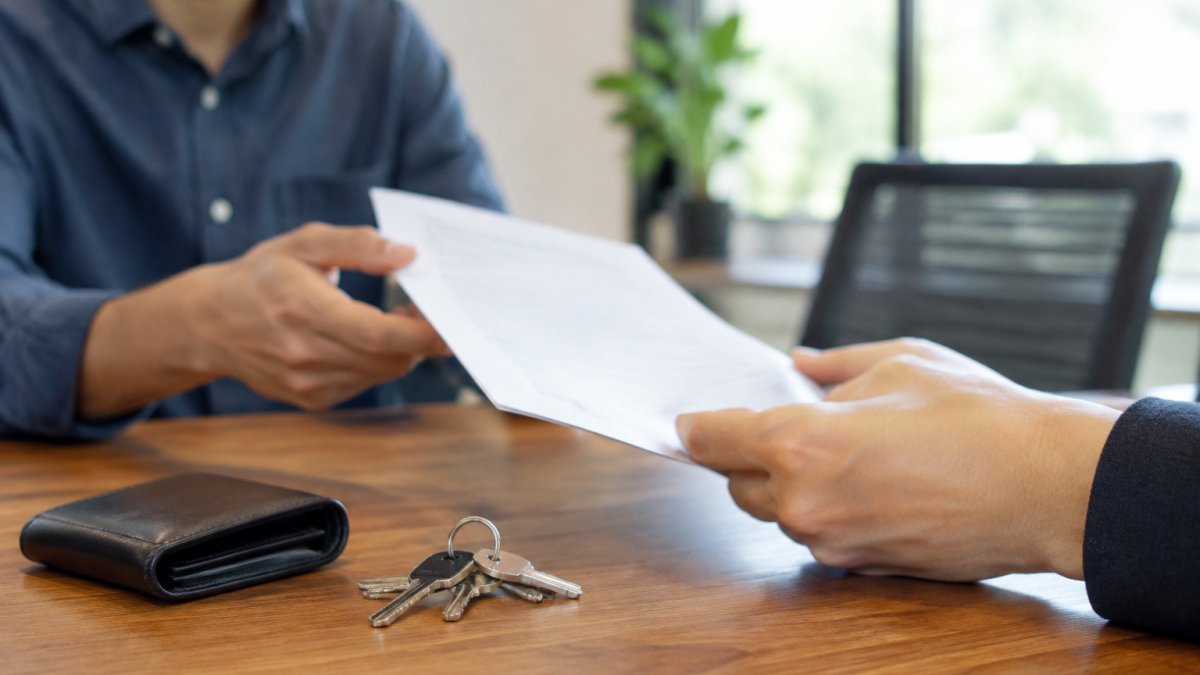
A bail bond is a binding contract, and the person who signs it takes on real responsibility.
Understand the co-signer's duties. Co-signer obligations vary by contract, so confirm exactly what amount you would be responsible for. If the defendant misses a court date, a bond may be forfeited, and the bondsman can pursue the co-signer for payment.
Ask the agent to explain each obligation in plain language and to point to the exact sections of the contract. Keep a copy of everything you sign, along with the company's contact information and the agent's name.
Bail Bondsman Scam Warning Signs to Recognize
Scams target families because they are scared and short on time. Knowing the common warning signs helps you pause before sending money.
Be cautious if you encounter any of the following:
- Requests for payment through gift cards, cryptocurrency, or peer-to-peer apps
- Pressure to pay immediately, with claims that the person will stay jailed if you wait
- Callers who cannot provide a license number or company address
- Payment requests to a personal account instead of a business account
- Promises of guaranteed release regardless of the charge or court conditions
- Unsolicited calls claiming to represent a bail company that you never contacted
Licensed bail bond agents are expected to follow state licensing rules, and they should be willing to verify their credentials when asked. Suspected fraud can be reported to the Texas Department of Insurance or local law enforcement; confirm the current reporting process on the official website.
Booking Your Bail Bond with National Bail Bond of Lubbock
If you are facing a bail decision in Lubbock or Hockley County, National Bail Bond of Lubbock is available to discuss your situation. Verify any bondsman's license before committing to anything.
Reach out now so that the process starts without unnecessary delay. Contact National Bail Bond of Lubbock to ask your questions and get direct support when your family needs it most.
Frequently Asked Questions
How do I check whether a bail bondsman is licensed in Texas?
Texas bail bondsmen are licensed through the Texas Department of Insurance. Confirm that the individual or company holds an active license and that the name matches the business you are dealing with. Save a copy or screenshot of the record. If anything does not match, do not pay until you have verified it with the agency directly.
How much does a bail bond cost in Texas?
Fees are set by agreement and vary by bondsman and case, so no single price applies to every bond. Texas bondsmen typically charge a premium calculated on the total bail amount, plus any collateral or related charges. Ask for a written breakdown of every fee before you sign, and ask National Bail Bond of Lubbock for a quote for your specific case.
What should I do if I think a bail bond offer is a scam?
Stop and do not send money. Legitimate bondsmen do not require payment by gift card, cryptocurrency, or wire transfer to an unknown party. Verify the license through state records, call the agency or company using a phone number you found independently, and check with the county jail about the inmate's booking status. If you have already paid, consider reporting the situation to local law enforcement and the Texas Department of Insurance.
Are all bail bondsmen the same?
No. Licensed bondsmen can differ in fee structure, how clearly they explain contract terms, how responsive they are at night, and how they handle collateral and refunds. Compare at least two licensed companies using the same questions, and choose the one whose written terms you understand and whose licensing you have verified.