 how-to
Physical Office Bail Bond Services: What to Expect
Table of Contents
- Why a Physical Office Bail Bond Service Matters
- What to Bring to a Bail Bond Office
- How to Verify a Bail Bondsman Before You Sign
- Questions to Ask a Bail Bondsman at the Office
- Bail Bond Scams: Warning Signs and How to Avoid Them
- How Fees, Collateral, and Payment Plans Work
- What Happens After a Bond Is Posted
- Frequently Asked Questions
Last Updated: October 13, 2026
Why a Physical Office Bail Bond Service Matters
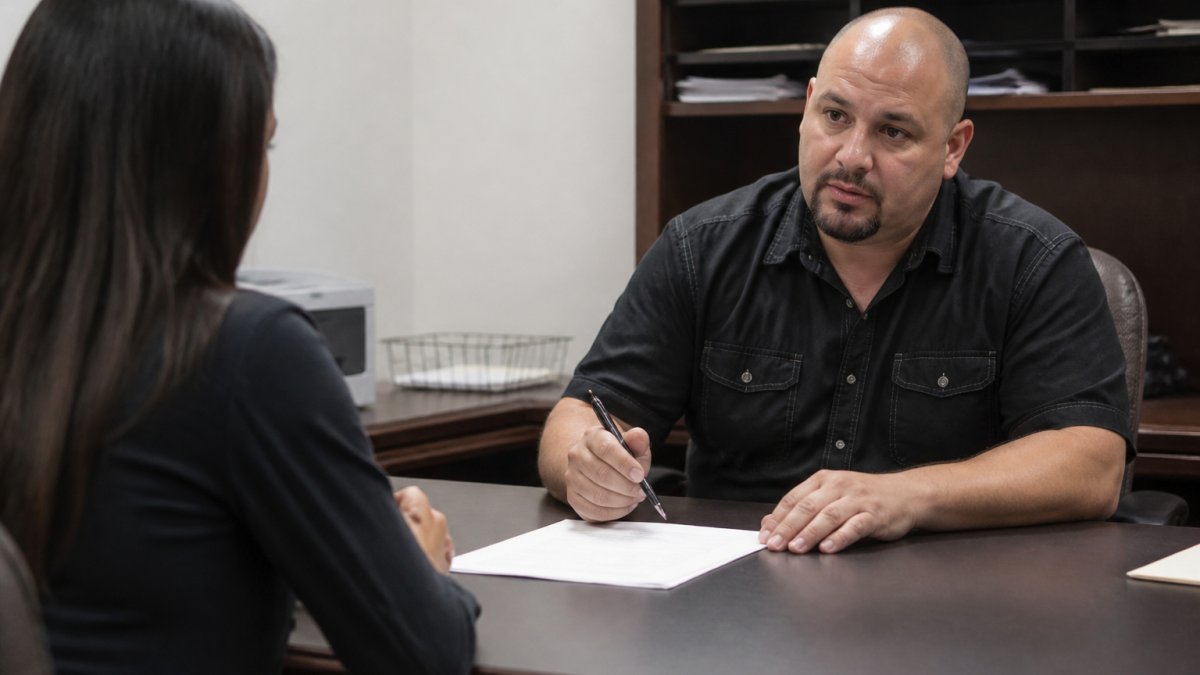
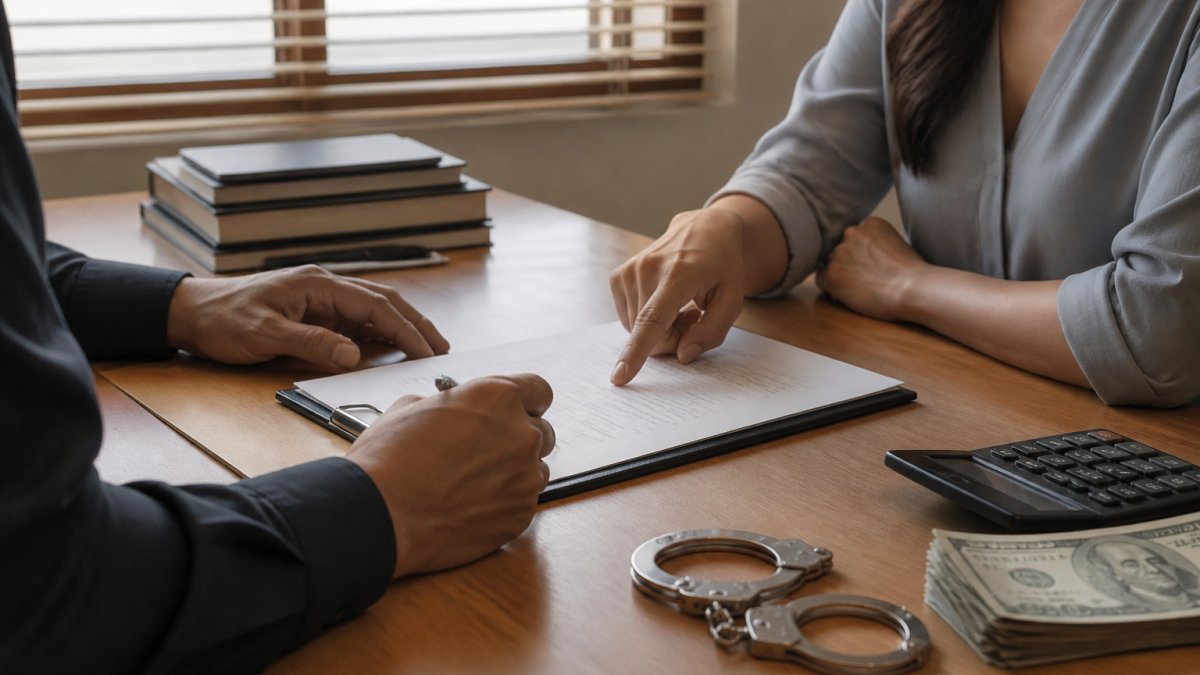
Physical office bail bond services come from a licensed bonding company you can visit in person, rather than a phone number that only exists on a screen.
Here is the uncomfortable truth most guides skip. The people who get scammed during a bail emergency are rarely careless. They are scared, rushed, and working from a phone at two in the morning.
Face-to-Face Help vs. Phone-Only Arrangements
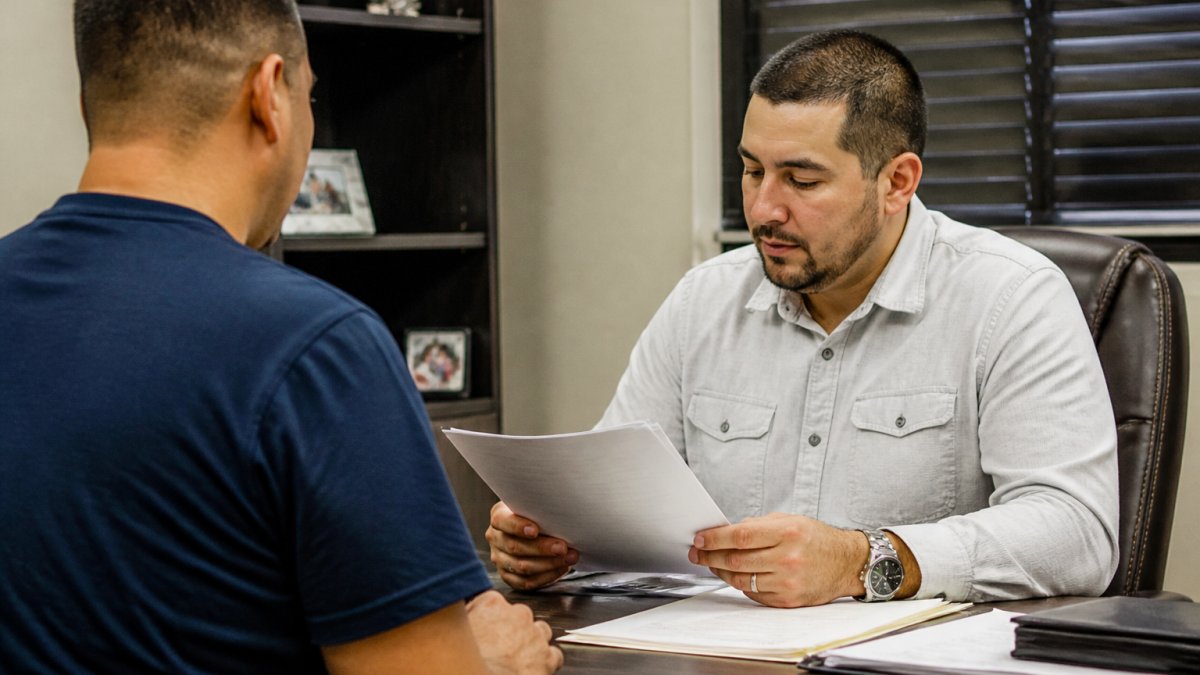
Phone-only arrangements leave you guessing about who is actually on the other end. With an in-person office, you can confirm the address, read the license, and ask questions until you understand the answers.
A few practical advantages of walking in:
- You can verify the bondsman's license on the spot
- You get a written receipt and a copy of the bond paperwork
- You can ask follow-up questions without being rushed off the line
That last point carries more weight than people realize. If a bond gets delayed or a court date changes, you want a door you can knock on.
What to Bring to a Bail Bond Office
Bring identification, the defendant's full legal name, their date of birth, and the jail or booking information. Payment for the premium and any required collateral should come with you as well.
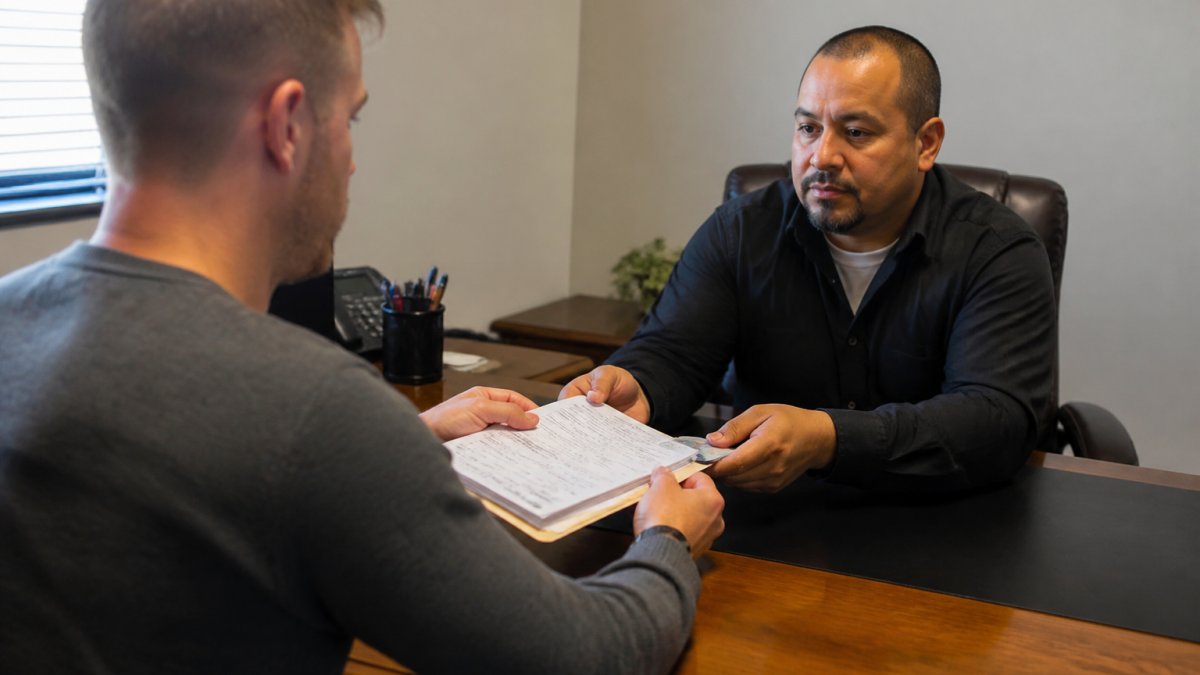
Documents, Booking Information, and Payment
A short checklist saves you a second trip. Gather these before you leave the house:
- Government-issued photo ID for the person signing the bond
- The defendant's full legal name, spelled correctly
- Date of birth and, if known, the booking or case number
- The name of the jail where they are being held
How to Verify a Bail Bondsman Before You Sign
Ask to see the license and confirm the agent is listed with the county where the jail sits. You can also check the Texas Department of Insurance bail bond licensing information for licensing details and complaint history.
Verification takes about five minutes and protects you from the most expensive mistake in this process. Here is what to confirm:
- The agent's license number and expiration date
- That the company is approved to write bonds in the relevant county
- A physical street address, not just a mailing box
- A written agreement stating the premium and any collateral terms
If someone refuses to show a license or pressures you to skip paperwork, walk away. Legitimate physical office bail bond services expect you to check.
Questions to Ask a Bail Bondsman at the Office
Ask about the total cost, the collateral required, the expected release timeline, and who to call if something goes wrong. A good bondsman answers these without hesitation. One who dodges them is telling you something.
Bring this list to the office:
- What is the full premium, and is any part of it refundable?
- What collateral do you need, and when is it returned?
- How long does release usually take after signing?
- What happens if the defendant misses a court date?
- Who do I contact after hours if there is a problem?
- Can I get copies of everything I sign?
Bail Bond Scams: Warning Signs and How to Avoid Them
The clearest sign of a bail bond scam is a demand for payment in gift cards, cryptocurrency, or wire transfers to a personal account. The Federal Trade Commission consumer guidance on scams repeatedly flags these payment methods as hallmarks of fraud.
Watch for these red flags:
- Payment only by gift card, crypto, or peer-to-peer app
- No physical address, or an address that does not match the business
- Pressure to act immediately without written terms
- No license number provided when asked
That last one deserves emphasis. A quote that seems too good usually means the money is gone and the bond was never posted.
How Fees, Collateral, and Payment Plans Work
Most people walk into a bail bond office without knowing the difference between a premium, a bond amount, and collateral. Those are three separate numbers, and confusing them is how families end up paying more than they expected. Here is how each one actually works.
The Premium: What You Pay the Bondsman
The premium is the fee the bonding company charges to post the full bond amount with the court on your behalf. It is not the bond itself.
In Texas, bail bond agents operate under a licensing framework regulated at the state level. If one office quotes dramatically less than others, treat that as a warning sign, not a bargain. Ask the office to show you the current regulated rate in writing before you pay anything.
Collateral: Security, Not a Fee
Collateral is property or money held by the bonding company as security until the case resolves. It is separate from the premium and is generally returned once the bond is discharged, meaning the defendant has appeared at all required court dates and the case has concluded.
Common forms of collateral include:
- Cash or a cashier's check held in trust
- A lien on a vehicle, with the title held by the bonding company
- A lien on real property, recorded with the county
- A signed promissory note from a cosigner with verifiable income
Two things to confirm before you hand over collateral: (1) exactly what will be held, and (2) the written conditions under which it is returned. Get both in the signed agreement, not a verbal promise.
Payment Plans: How Installments Usually Work
Payment plans spread the premium across installments rather than requiring the full fee up front. Most offices structure them in one of three ways:
- Down payment plus scheduled installments, a larger first payment, then fixed weekly or monthly amounts.
- Equal installments, the premium divided evenly across an agreed term.
- Cosigner-backed plan, a creditworthy cosigner signs for the balance, which can reduce or eliminate the down payment.
What payment plans do not do is reduce the premium. The total fee stays the same; only the timing changes. Ask whether the office charges any administrative or financing fee on top of the premium, and get the total cost of the plan, not just the monthly figure, in writing.
| Item | What It Is | Typically Returned? |
|---|---|---|
| Premium | Fee for posting the bond | No |
| Collateral | Security held during the case | Yes, on discharge |
| Court costs | Set by the court, not the bondsman | No |
| Payment plan | Installments on the premium | N/A |
What Happens After a Bond Is Posted
Signing the paperwork is the midpoint, not the finish line. What happens in the hours and weeks after the bond is posted determines whether the release goes smoothly, and whether the collateral comes back at the end.
The Release Process: What to Expect at the Jail
Once the bond is posted and accepted, the jail begins its release process. That process is controlled by the jail, not the bonding company, and timing varies with booking volume, shift changes, and how quickly the paperwork clears the records desk.
A realistic sequence looks like this:
- Bond posted and confirmed, the bonding company delivers the bond to the jail or the court, and it is entered into the record.
- Release order issued, the jail generates a release authorization for the defendant.
- Property and processing, the defendant's personal property is returned, and any jail-issued items are collected.
- Release, the defendant walks out, typically with a copy of the bond paperwork and a court date.
Most releases happen within a few hours of posting, but overnight postings often clear the following morning. Ask the bonding agent for a realistic estimate based on the specific jail, and ask who to call if the release stalls.
The Court Date and the Paperwork
When the defendant is released, they receive a document, often called a release order, a bond receipt, or a notice to appear, that lists the court, the case number, and the first court date.
The defendant should:
- Photograph or scan every document before it gets misplaced
- Put the first court date on a calendar with a reminder several days ahead
- Give the bonding company a copy of the paperwork
- Confirm the court date with the court clerk if anything is unclear
Missing the first appearance is the single most common way a bond gets forfeited. If a date is genuinely impossible to make, the defendant or the bondsman should contact the court before the date, not after.
Ongoing Obligations While the Bond Is Active
A bond is a contract with the court, and it stays active until the case is resolved. While it is active, the defendant is generally required to:
- Appear at every scheduled hearing, on time
- Stay in contact with the bonding company, including check-ins if required
- Notify the bondsman of any change in address, phone number, or employment
- Avoid any new arrests or citations
Some offices require periodic check-ins, by phone, in person, or through a reporting app. Confirm the schedule at signing so there are no surprises.
What Happens If a Court Date Is Missed
If the defendant fails to appear, the court can issue a bench warrant and initiate forfeiture of the bond. Forfeiture means the full bond amount may become owed to the court, and the collateral held by the bonding company can be applied toward that amount.
Forfeiture is not always immediate or permanent. Courts generally allow a window, often a set number of days, for the defendant to be returned to custody or for the bond to be reinstated.
This is the part nobody explains at the jail window, and it is where a bondsman who actually answers the phone earns their keep. National Bail Bond of Lubbock works with defendants to navigate the court system so those dates do not slip through the cracks.
Frequently Asked Questions
Why choose a bail bond service with a physical office?
A physical office lets you meet the bondsman face-to-face, review paperwork before signing, and confirm the company is licensed and reachable. When you visit a bail bond office in person, you can ask questions about fees, collateral, and the release timeline directly. It also gives you a real address and phone number to return to if problems come up after the bond is posted.
How can I verify that a bail bondsman is legitimate?
Ask to see the agent's license and check the company against your county's official list of active bail bond companies. Confirm the office address matches the license, and look for a business listing with a real phone number and reviews. A legitimate bondsman will never pressure you to pay with gift cards, Bitcoin, or a wire transfer to a personal account.
What should I bring to a bail bond office?
Bring a government-issued photo ID, the defendant's full legal name and date of birth, the jail or facility where they are held, and the booking or case number if you have it. Also bring payment for the premium and any collateral discussed, plus contact information for a cosigner if one is required. Calling ahead to confirm what the office needs can prevent delays.
Can I contact a bail bond company 24/7?
Many bail bond offices answer calls around the clock because arrests happen at all hours. National Bail Bond of Lubbock is available 24/7 for Lubbock and Hockley County cases. Even with round-the-clock phone service, paperwork and payment usually happen at the office or through an approved arrangement, so ask how after-hours signings work before you commit.