 Comparison
Property Bonds vs Cash Bail in Lubbock: Pros and Cons
Last Updated: November 18, 2026
Quick Summary
Property bonds let you pledge real estate instead of paying full cash bail, which can free up cash for families who own equity. The main risk is that your home or other property can be forfeited or tied up with a lien if the defendant misses court.
- Property bonds require real estate with clear title and equity exceeding the bail amount.
- Pledged property can face forfeiture if the defendant fails to appear in court.
- A property bond can create a lien that blocks selling or refinancing while active.
- Appraisal, title search, recording and filing costs apply and are not refunded.
- Get every fee and collateral condition in writing before choosing any bail option.
Table of Contents
- What a Property Bond Is and How It Works in Texas
- Property Bond Requirements: Eligible Property, Equity, and Documents
- Pros of Using a Property Bond for Bail in Lubbock
- Cons and Risks of Property Bonds, Including Liens and Foreclosure
- Property Bond vs Surety Bond vs Cash Bail: Cost Comparison
- Bail Bond Costs and Fee Structures to Ask About
- Choosing the Right Bail Option and Next Steps for Your Family
- Frequently Asked Questions
Choosing between a property bond and cash bail can shape how quickly a loved one gets out of jail and how much financial risk your family carries afterward. For anyone detained in Lubbock or Hockley County, the decision often has to be made in hours, not weeks. At National Bail Bond of Lubbock, we help families understand each option before they sign anything, so the choice is informed rather than rushed. This guide compares the pros and cons of property bonds in Lubbock against cash bail and surety bonds, with a clear look at the risks you should weigh.
What a Property Bond Is and How It Works in Texas
A property bond is a form of bail in which real estate you own serves as collateral for the defendant's court appearance. Instead of paying the full bail amount in cash, the court accepts the value of the property as a guarantee that the defendant will show up for every hearing.
Under this arrangement, the property owner signs the bond and pledges the property. If the defendant misses court, the court can pursue the property through forfeiture proceedings. If the defendant appears as required, the bond is released and the property is no longer encumbered. The mechanics depend on the county and the court handling the case, so confirm the specific procedures with the Lubbock County court or the jail before relying on any single rule.
Property Bond Requirements: Eligible Property, Equity, and Documents
A property bond is a real-property undertaking: the owner pledges an interest in real estate to secure the defendant's appearance, and the court must be satisfied that the equity in that property covers the bail amount. Statewide law sets the framework, and the court handling the case sets local practice.
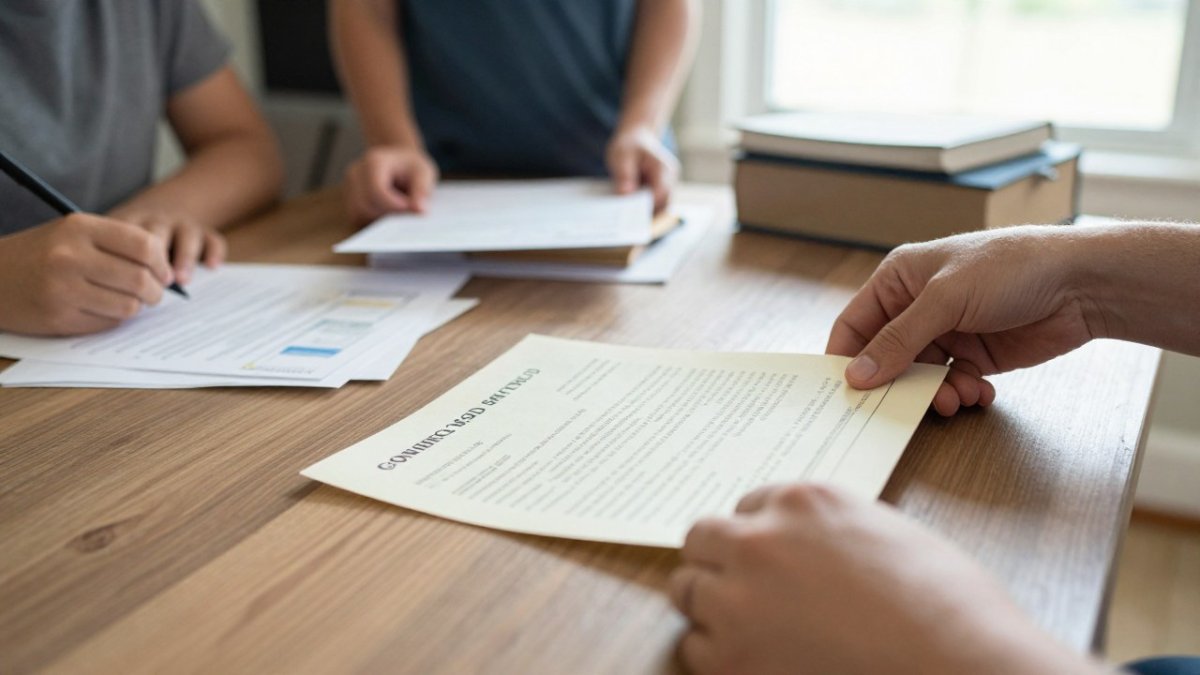
Eligible property and the equity calculation
A property bond generally requires that the pledged real estate be in Texas, that the owner hold clear record title, and that the equity exceed the bail amount. Equity is market value minus every outstanding mortgage, lien, and encumbrance.
Co-ownership matters. If the property is held by spouses, heirs, or business partners, confirm with the court what consent it requires from each owner with a recorded interest.
Document checklist
Gather these before you apply, and bring copies as well as originals:
- Recorded deed or other proof of ownership showing the vesting and all owners
- Current mortgage statement with the outstanding principal balance
- Recent property tax statement and proof taxes are current
- Any appraisal, broker price opinion, or valuation the court will accept
- Title commitment or title search showing liens and encumbrances
- Government-issued photo identification for each owner who will sign
- Written consent from every co-owner, including a spouse who did not sign the deed
- The court's bail order or paperwork showing the exact bail amount and case number
Step-by-step process
- Confirm the bail amount, the court, and the case number from the jail or court records.
- Pull a title search so you know every lien before the court does.
- Obtain a valuation the court will accept; ask the court clerk what form of valuation it requires.
- Complete the court's property bond forms and have every owner sign.
- File with the court and pay any recording or filing fees the county requires.
- The court reviews title, equity, and owner consent, then approves or rejects the undertaking.
- After approval, the release order goes to the jail and the defendant is processed out.
Watch out: a title search that reveals an unnoticed judgment lien or an heir who never signed can stall approval for days, so resolve ownership and lien issues before the defendant's first court setting.
Who may not qualify
Renters, co-owners who cannot get signatures, and owners with little equity often cannot use a property bond. In those cases, cash bail or a surety bond through a licensed bondsman is the realistic path, and the court's accepted forms of bail should be confirmed first.
Pros of Using a Property Bond for Bail in Lubbock
The main advantage of a property bond is that it can reduce the cash needed up front. When a bail amount is large, families often cannot raise the full sum in cash, and a property bond can make release possible without emptying savings.
A property bond may avoid the nonrefundable premium charged on a surety bond, although it carries its own costs. Compare the property bond, surety bond, and cash bail options side by side to see how each affects your total outlay. Whether you keep more of your money depends on the appraisal, title, recording and filing costs in your situation.
Finally, a property bond may suit people who cannot pay the full cash amount but have real estate they can pledge. In those cases, it can be the difference between a defendant waiting in jail and a defendant returning home while the case proceeds.
Cons and Risks of Property Bonds, Including Liens and Foreclosure
The biggest drawback is risk to your home or other real estate. If the defendant fails to appear, the court can move to forfeit the property. That is a serious outcome, and it can affect your family's housing security long after the criminal case is over.
A property bond can also create a lien on the property. Explore alternative collateral options that avoid putting your property at stake if this risk concerns you. A lien is a legal claim that must be cleared before the property can be sold or refinanced. Liens can make it harder to sell, borrow against the home, or resolve other financial obligations while the bond is active. In the worst case, unpaid obligations tied to the bond can lead to foreclosure proceedings.
Be realistic about these risks before you pledge property. Ask how the lien would be recorded, how it would be released after the case ends, and what happens if the defendant misses a court date. Writing these answers down protects you if questions come up later.
Property Bond vs Surety Bond vs Cash Bail: Cost Comparison
Most comparisons stop at the up-front payment. The better question is total financial impact: what you pay, what you get back, and what your money or property is worth while it is tied up. The table below frames that comparison.
| Cost factor | Property bond | Surety bond | Cash bail |
|---|---|---|---|
| Up-front payment | Appraisal, title search, recording, and filing costs | Nonrefundable premium, commonly a percentage of the bail amount | Full bail amount deposited with the court |
| Refundability | Property released when the case ends, but fees are not returned | Premium is not returned | Cash returned at case end, minus any deductions |
| Ongoing cost | Equity is frozen; the property cannot be sold or refinanced cleanly while the lien is active | None beyond the premium | Cash is unavailable for the duration |
| Risk if the defendant misses court | Forfeiture proceedings against the property | Bondsman may pursue indemnity for the full bail | Cash forfeited to the court |
| Best suited for | Owners with clear equity and time to complete the process | Families who need a bondsman's help without pledging property | Families who can fund the full amount |
The total-cost math
A surety bond's premium is a sunk cost that is not refunded.
Cash bail is generally returned at the end of the case, subject to the court's conditions and any deductions it applies.
Local procedure and timing
In Lubbock County, the court handling the case reviews the property undertaking, and the release order goes to the jail after approval. Appraisal and title work can add time that a surety bond may not require, so a property bond is often not the fastest route.
Watch out: a quote that lists only the premium can hide collateral requirements, so ask for every fee and every condition in writing before you choose.
For a deeper side-by-side look at how these options compare, see our page on bail bond vs cash bail: pros and cons.
Bail Bond Costs and Fee Structures to Ask About
Costs vary by provider, bail amount, and case details. Pricing depends on the specific situation, so ask for a written quote from National Bail Bond of Lubbock or any provider before you agree to anything.
When you contact any bail bond provider, ask these questions:
- What is the total cost, including any premium, fees, or charges?
- Is any part of the payment refundable?
- Are there collateral requirements beyond the bond itself?
- What happens to the property or money if the defendant misses court?
- Will you provide written terms for every fee?
Be cautious of any provider that asks for payment in gift cards, cryptocurrency, or unusual methods, and of anyone who pressures you to decide immediately. Legitimate licensed bondsmen can explain their fees clearly and in writing.
Choosing the Right Bail Option and Next Steps for Your Family
The right choice depends on three things: how much cash you can access, whether you own property with enough equity, and how much risk you are willing to carry. A family with significant equity and no cash may find a property bond workable. A family with savings and no property may find cash or a surety bond more practical.
If you are unsure, start by confirming the bail amount and the court's accepted forms of bail. Then gather your documents, get written cost estimates, and ask a licensed professional to walk you through each option. Once you have chosen a path, our guide on how to pay bail in Lubbock lays out the steps in order so nothing gets missed during a stressful time.
National Bail Bond of Lubbock serves Lubbock and Hockley County families around the clock, and we will explain each option in plain terms before you commit. Reach out to talk through your situation and get guidance you can act on.
Frequently Asked Questions
What are the pros and cons of using a property bond for bail?
A property bond can lower the upfront cost of bail because you may not need to pay a nonrefundable premium in cash. The main drawback is risk: the property pledged as collateral can be subject to a lien, and if the defendant misses court and the bond is forfeited, the property owner may face foreclosure proceedings. Property bonds also require the property to have enough equity to cover the bond amount, and co-owners usually must consent. Compare these points against cash and surety options before deciding.
How does a property bond compare with a surety bond?
A property bond pledges real estate as collateral to the court, while a surety bond is written by a licensed bail bondsman who charges a nonrefundable premium, typically a percentage of the bond amount. A surety bond usually costs the premium but does not put your home at risk. A property bond may avoid the premium but exposes the property to liens and foreclosure if the defendant fails to appear. Check the total cost and collateral terms for each option with a licensed provider.
What documents are needed for a property bond?
Expect to provide proof of ownership such as a deed, a current title search or title report, and recent mortgage statements showing any remaining balance. You will also need a property appraisal or market value estimate and identification for the property owner. If the property is co-owned, all owners may need to consent in writing. Requirements can vary by county, so confirm the exact list with the Lubbock County court or a licensed bail bond provider before you begin.
How much does a bail bond cost in Lubbock?
Costs depend on the bail amount, the bond type, and the provider's fee structure. A surety bond typically requires a nonrefundable premium paid to the bondsman, while a property bond may involve title, appraisal, and recording costs instead. Pricing is not standardized, so National Bail Bond of Lubbock recommends asking for a written breakdown of every fee before signing any agreement. Be cautious of anyone who asks for payment by gift card or cryptocurrency.