 Comparison
Property vs Cash Bail: Pros and Cons Compared
Last Updated: November 14, 2026
Quick Summary
Property bail lets a defendant or co-signer pledge real estate instead of paying the full bail in cash, avoiding a large upfront payment and the non-refundable premium of a surety bond. The main risk is that the property itself can be taken if the defendant misses a court date, and the lien ties up your equity until the case ends.
- Property bail avoids paying the full bail amount in cash up front.
- There is usually no non-refundable premium like a surety bond charges.
- If the defendant misses court, the court can pursue your property through foreclosure.
- The lien locks your equity, so you cannot sell or refinance while the case runs.
- Confirm equity, title, co-owner consent and fees with the court clerk before applying.
Table of Contents
- What Property Bail Means and How It Differs From Cash and Surety Bail
- How a Property Bond Works: Liens, Appraisals and Eligibility
- The Pros of Using Property for Bail
- The Cons and Financial Risks of Using Property for Bail
- Comparing Total Costs: Property Bond, Cash Bail and Surety Bond
- Do You Get Your Bail Money Back?
- Your Responsibility If You Bail Someone Out and Next Steps for Lubbock and Hockley County Families
- Frequently Asked Questions
Putting your house or land on the line to free someone from jail is a serious decision, and most people only learn the real trade-offs after they have already signed. At National Bail Bond of Lubbock, we see families weigh property bail against cash bail and surety bonds every week in Lubbock and Hockley County. This guide lays out the pros and cons so you can compare the options before a deadline forces your hand.
What Property Bail Means and How It Differs From Cash and Surety Bail
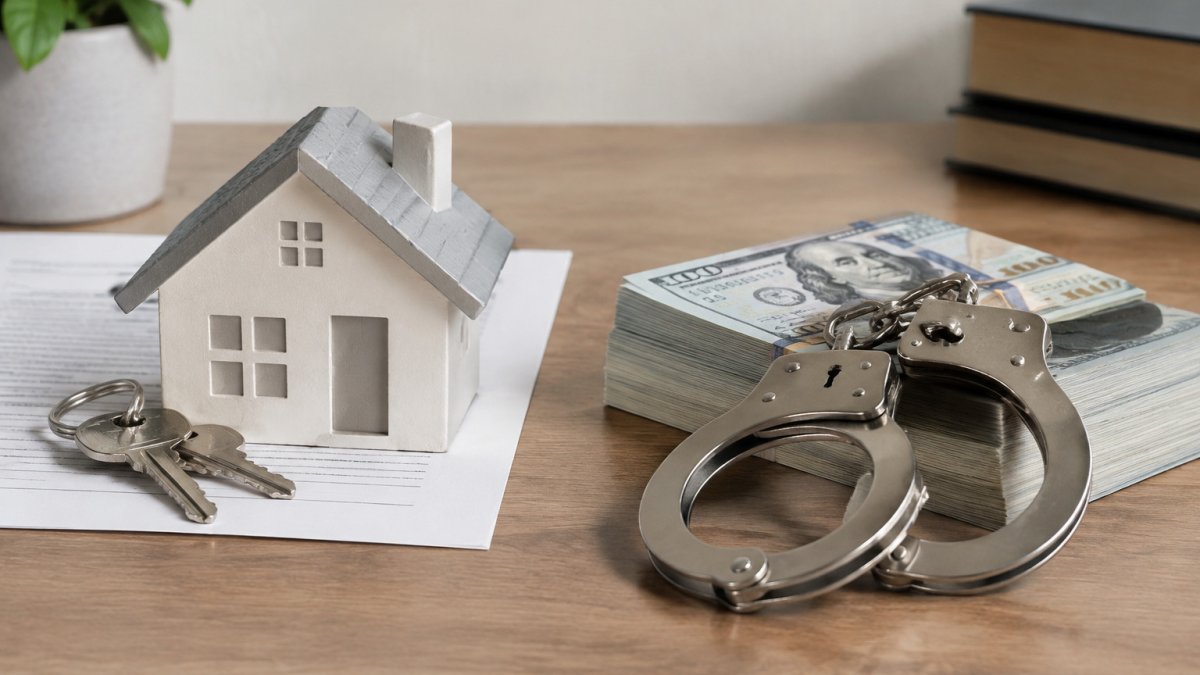
A property bond is a form of bail where the defendant or a co-signer pledges real estate as collateral instead of paying the full amount in cash. Cash bail requires the full bail amount paid to the court up front, and a surety bond, offered through a bail bond company, requires only a non-refundable premium plus any collateral the bondsman requires.
The key difference is what you risk. With cash bail, you risk the money you paid, and the court typically returns it after the case ends, subject to conditions. With a surety bond, the premium is generally gone once paid. With a property bond, you risk the home or land itself if the defendant does not appear in court.
How a Property Bond Works: Liens, Appraisals and Eligibility
A property bond moves through a predictable sequence, and knowing the sequence is what separates a smooth approval from a rejected filing.
Stage 1, Valuation. The court or the bonding authority needs a defensible value for the property. Depending on the court, that may be a recent appraisal, a broker's opinion, or the county assessor's value.
Stage 2, Equity calculation. Equity is the fair market value minus every mortgage, home equity loan, tax lien, judgment lien, and mechanic's lien. Courts typically require equity that exceeds the bail amount by a margin, because property values move and the court wants a cushion.
Stage 3, Title and consent review. The owner must be able to pledge the property. That means clear title or documented authority to encumber it, and it means every co-owner signs.
Stage 4, Lien recording. Once approved, the lien is recorded in the county property records. From that moment the property is encumbered: you generally cannot sell, refinance, or take a new home equity line against it without addressing the lien.
Stage 5, Release. When the case ends and the defendant has appeared at every required date, the court issues a release and the lien is discharged of record.
Eligibility and approval checklist. Before you commit to a property bond, confirm each of the following with the court clerk or your bondsman:
- The property is located in the jurisdiction that will accept it (many courts accept only property within the state, and some require it within the county).
- The property type is eligible, single-family homes, land, and multi-unit residential are commonly accepted; some courts exclude certain agricultural or out-of-state property.
- You can document clear title and every co-owner will sign a consent.
- Equity, after all liens, meets the court's required margin over the bail amount.
- You have the deed, mortgage statements, tax records, and appraisal ready.
- You understand who pays appraisal, recording, and release fees, and whether any of them are refundable.
- You have asked, in writing, how long approval typically takes in that court.
Timeline. Approval is not instant. Valuation and title review can take days to weeks depending on the court's workload and whether an appraisal is required. The lien is recorded only after approval, and release happens only after the case concludes and the court processes the discharge.
Watch out: A property that looks like it has plenty of equity on paper can fail the court's margin test once a second mortgage, a tax lien, or a judgment lien is subtracted, get the payoff figures in writing before you pay for an appraisal.
Eligibility rules are set by state statute and local court practice, so the same property that works in one county may be rejected in the next. Our list of collateral types accepted for bail bonds in Texas shows what qualifies.
The Pros of Using Property for Bail
Property bail can keep cash in your pocket. You do not need to raise the full bail amount, which can be far larger than what most families have on hand. A property bond can avoid the immediate cash outlay that cash bail would demand.
A property bond does not involve the non-refundable premium that a surety bond charges. If the case ends and the conditions are met, the lien is released and the property returns to full, unencumbered ownership.
Property bonds can also work for high bail amounts where a surety bond would be difficult to obtain. Property bonds can sometimes be used in high-bail scenarios, though the process can take time.
The Cons and Financial Risks of Using Property for Bail
The biggest risk is losing your property. If the defendant misses a court date and the bond is forfeited, the court can pursue the property, and foreclosure is a real outcome. This is the single most important factor to weigh.
A property bond also ties up your asset for the life of the case, which can take an extended period. You cannot sell the home, borrow against it or use it as security for other needs while the lien stands. Recording and releasing a lien can also add paperwork and time.
Families may wish to explore alternatives to property for bail bond collateral before committing real estate. A surety bond through a licensed bail bond company is one such option, though it involves a premium.
Comparing Total Costs: Property Bond, Cash Bail and Surety Bond
The upfront number is the least useful number in this decision. For a broader side-by-side view, see bail bond versus cash bail pros and cons.
Cash bail. You post the full bail amount with the court. The money is generally returned after the case ends if the defendant appeared at every date, but courts may deduct fines, fees, and costs, so the refund can be less than what you posted.
Surety bond. You pay a non-refundable premium plus any collateral the bondsman requires. The premium is gone whether or not the case ends well. If the defendant fails to appear, the bondsman may pursue the collateral you pledged, and you may owe the bondsman for the full bond amount.
Property bond. There is usually no premium, but there are real costs: appraisal, title work, recording, and release fees, all typically paid by the owner and generally non-refundable. The larger cost is the equity you cannot touch while the lien stands, plus the risk that a forfeiture puts the property itself in play.
| Cost category | Cash bail | Surety bond | Property bond |
|---|---|---|---|
| Upfront cash required | Full bail amount | Non-refundable premium plus collateral | Appraisal, title, recording, release fees |
| Refundable? | Usually, after case ends, minus deductions | No, premium is earned | Fees generally not refundable; lien released after case |
| Carrying cost during case | Full amount unavailable | Premium gone; collateral tied up | Equity locked; cannot sell or refinance |
| Worst-case loss | Full bail amount forfeited | Premium plus collateral, possible debt to bondsman | The property itself, through lien enforcement |
| Hidden costs | Court deductions | Collateral requirements, renewal fees | Appraisal variance, release fees, opportunity cost |
The costs nobody quotes. Appraisal fees vary by property type and lender, and a low appraisal can force a second one at your expense. Recording and release fees are small individually but add up, and the release is not always automatic.
A worked comparison. Take an $8,000 bail. Cash bail means $8,000 unavailable for months. A surety bond means a non-refundable premium, often a regulated percentage of the bail, plus any collateral the bondsman demands.
Watch out: A property bond with no premium can still carry significant costs once appraisal, recording, release, and the opportunity cost of locked equity are counted, compare the full-lifecycle total, not the first invoice.
Pricing depends on the specific bail amount and case details, so ask for a written breakdown of every fee, who pays it, and whether it is refundable. Our bail bond fee breakdown explained walks through what makes up a premium.
Do You Get Your Bail Money Back?
With cash bail, the money generally returns to the person who posted it after the case concludes, as long as the defendant appeared in every court date and met the conditions. Our guide on getting a bail bond refund after case dismissal covers the steps. Courts may deduct fines or fees from that refund, so the amount returned can be less than the amount posted.
With a surety bond, the premium is not returned. It is the cost of the service. With a property bond, the lien is released once the case ends and conditions are satisfied, which returns your property to unencumbered status. Ask the court and the bondsman how the refund or release process works in your specific case.
Your Responsibility If You Bail Someone Out and Next Steps for Lubbock and Hockley County Families
If you bail someone out, you may be financially responsible for the bond. A co-signer or property owner can be held liable if the defendant fails to appear, which is why the decision should never be rushed. Make sure you understand every obligation, including court dates you must help enforce.
If you are facing this decision now, start by confirming the bail amount with the jail or court, then compare the three options using the criteria above. Call National Bail Bond of Lubbock to talk through your situation, available 24/7 for Lubbock and Hockley County families. You can also review Texas Judicial Branch court information for guidance on how bail works in Texas courts, and consult an attorney before pledging real property.
Frequently Asked Questions
What are the risks of using property as collateral for bail?
The main risk is that the court can place a lien on the property and, if the defendant misses a court date and the bond is forfeited, the property can be foreclosed on. Owners may also face appraisal costs, recording fees and the time it takes to release the lien after the case ends. Because the property secures the full bail amount rather than a small premium, a missed court date can put a home at risk even when the amount owed is far larger than any fee paid. Review the lien paperwork carefully and confirm with the court and an independent attorney how a forfeiture would be handled.
Can you lose your home if the defendant misses court?
Yes. If the defendant fails to appear and the court declares the bond forfeited, the court can pursue the property that secured the bond. Whether the owner actually loses the home depends on the court's procedures, whether the forfeiture is set aside and the owner's options for responding. Owners should act quickly after any notice of forfeiture, because deadlines to respond can be short. Speak with a licensed attorney about the specific rules that apply in your county.
Do you get property back after a bail case is over?
In most cases, the court releases the lien once the defendant's obligations have been met, such as appearing at all required hearings and the case ending. Releasing the lien usually requires paperwork and a filing with the county clerk, and it can take several weeks. Ask the court or the bail bond company for the exact steps so you know who files the release and how to confirm it was recorded.
What happens to a property bond if the defendant is convicted?
A conviction does not automatically release a property bond. The bond generally remains in effect until the court formally discharges it, which often happens at sentencing or when the case closes. Until that release is recorded, the property can stay encumbered. Confirm with the court when the bond will be discharged and when the lien will be removed.