 blog
Bail Bond Alternatives for Low-Income Families
Table of Contents
- Understanding Your Bail Bond Alternatives When Money Is Tight
- Release on Recognizance and Signature Bonds
- What to Do If You Cannot Afford Bail
- Bail Funds and How They Work
- Bail Bond Payment Plans for Families
- Avoiding Bail Bond Scams and Predatory Fees
- What Happens After Release: Conditions and Court Appearances
- Frequently Asked Questions
Last Updated: October 18, 2026
Understanding Your Bail Bond Alternatives When Money Is Tight
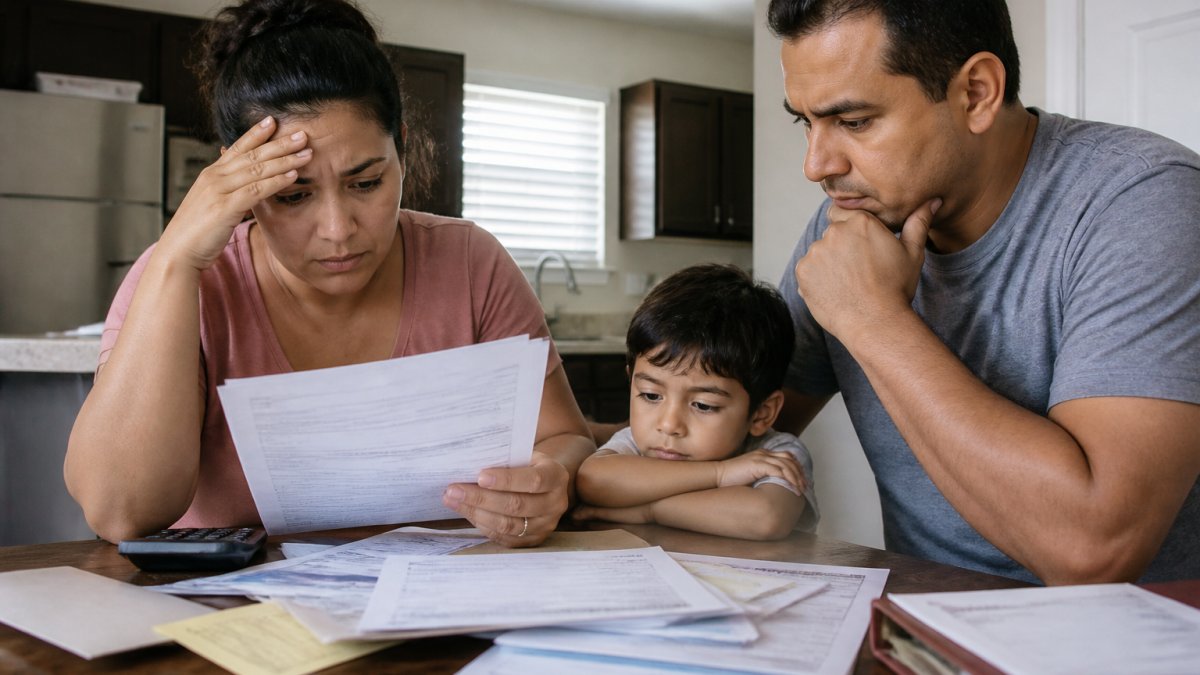
When someone you care about gets arrested, the first shock is the bail amount. For low-income families, bail bond alternatives for low income families can mean the difference between keeping your household afloat and financial disaster.
Most people don't have thousands of dollars sitting in a bank account. A bail amount of $5,000 or $10,000 isn't just inconvenient, it's impossible for many families (Detaining the Poor: How money bail perpetuates an endless cycle of poverty and jail time).
National Bail Bond of Lubbock has over 50 years of experience with the criminal justice system, helping families navigate this system.
Release on Recognizance and Signature Bonds
Release on recognizance (often called ROR or O.R. release) is the option every family should ask about first.
A judge releases you from jail with a promise to return for court dates.
Signature bonds work similarly: you sign a document promising to appear, with no money upfront.
Who qualifies? Generally, people with stable employment, strong community ties, and no history of missing court dates.
Ask your attorney or the judge directly about ROR or signature bond options. Many judges grant these without a hearing if the prosecutor doesn't object.
What to Do If You Cannot Afford Bail
Requesting a Bail Reduction
If the judge set bail too high for your family's situation, you can request a reduction.
File a motion to reduce bail with the court, explaining your monthly income, expenses, assets, and why the current amount is impossible to pay.
At the hearing, present facts, not emotions.
Some judges reduce bail significantly; others won't budge. But families who don't ask never get a reduction.
Personal Surety Bonds and Co-Signers
A personal surety bond lets someone you trust, a family member, friend, or employer, co-sign your release.
The co-signer must be approved by the court and will answer questions about their relationship to you, their financial stability, and their willingness to report violations.
If you disappear or violate conditions, the co-signer may be held responsible for the full bail amount.
Bail Funds and How They Work
Bail funds are nonprofit organizations that post bail for people who can't afford it, helping low-income defendants avoid pretrial jail time. Unlike a bail bond company, a bail fund charges no fee and takes no collateral.
How they work: You apply, the fund reviews your case, and if approved they post your bail. When the case concludes, the bail returns to the fund to help the next person.
Eligibility: What Funds Actually Look At
Eligibility varies, but most funds weigh:
- Charge level. Many prioritize misdemeanors and low-level, non-violent felonies. Funds that serve people facing serious violent charges are rare, and some exclude those charges entirely.
- Bail amount. Funds often cap the bail they will post, so a very high bail may disqualify you even if everything else fits.
- Residency and jurisdiction. Most funds only post bail in the county or state they serve. A fund in one county generally cannot help with a case in another.
- Income and need. Some funds ask for proof that you cannot afford bail on your own. Others use a simple self-certification.
- Immigration status and other factors. Policies differ, and some funds are explicit about who they will and will not serve. Read the fund's stated criteria before applying.
The Application Process, Step by Step
- Find funds that serve the jurisdiction where the person is held. Search for county or city bail funds, ask the public defender's office for a local resource list, and check with national networks that refer callers to member funds.
- Confirm the fund is active and accepting applications. Small funds open and close intake depending on how much money they have on hand. A fund that helped last year may be paused this month.
- Gather the documents the fund asks for. Common requests include the defendant's full name and booking number, the jail facility, the charge, the bail amount, the court and case number, and proof of income or a statement of financial circumstances. Some funds also ask for a reference or a brief explanation of the situation.
- Submit the application and keep the confirmation. Most funds use an online form or a phone line. Save any confirmation number or email.
- Wait for a decision. Timelines vary widely. Some funds respond within a day or two; others take a week or more, especially when volunteer-run. Ask the fund directly what its current timeline is, and follow up politely if you have not heard back.
- If approved, coordinate with the fund and the jail. The fund posts bail with the court or jail, and release usually follows the facility's normal processing time. Confirm with the fund who is responsible for what.
What Funds Expect From You After Release
A bail fund's help is not unconditional. Most funds require you to attend every court date, stay in contact, and report any change in case status. If you miss court, the bail is forfeited and the fund loses the money it posted. Treat the fund's instructions like a court order.
Bail funds exist to prevent pretrial incarceration for people who cannot afford bail. They're free, they're legal, and they're designed for exactly your situation. The catch is that eligibility is assessed case by case and money is limited, so apply early, apply to every fund that serves the jurisdiction, and follow the fund's instructions exactly. ::: Securing your release is only the first step in navigating the justice system, which often requires finding affordable legal representation to ensure your rights remain protected throughout the duration of your case.
Bail Bond Payment Plans for Families
When bail funds aren't available or you don't qualify, a bail bond company can help. A bail bond is not the same as paying bail:
Bail is the full amount the judge sets. A bail bond is a guarantee you'll appear in court: the company posts the bail, and you pay it a nonrefundable fee, typically a percentage of the bail amount.
Many bail bond companies offer payment plans, spreading the fee over monthly payments for families with limited cash on hand.
Payment plans usually require a down payment, often 10-20% of the total fee, with the balance paid monthly. Some require collateral such as a car title or home equity, which can be seized if you miss payments.
Read the terms carefully: total cost, monthly amounts, and the consequences of missing a payment, including late fees and interest.
Comparing the Real Cost of Each Option
The sticker price of a bail bond is not the whole cost. Compare four things side by side: what you pay upfront, what you owe later, what you put at risk, and what you get back.
- Full cash bail. You pay the entire bail amount to the court. If the defendant attends every court date, the full amount is returned at the end of the case, usually minus any court-ordered deductions. The catch is that most families cannot produce the full amount, and the money is tied up for months.
- Bail bond with a payment plan. You pay a nonrefundable fee, typically a percentage of the bail, plus a down payment and monthly installments. None of the fee comes back, even if the defendant appears at every court date. If collateral was pledged, it stays at risk until the case ends.
- Release on recognizance or signature bond. No money upfront. If the defendant appears, nothing is owed. If the defendant fails to appear, the court can impose the bail amount as a judgment.
- Bail fund. No fee and no collateral. The fund posts the bail and gets it back when the case concludes. Your obligation is to appear and stay in contact.
The practical takeaway: a payment plan makes a bond affordable month to month, but it's the most expensive path in total dollars because the fee is never refunded.
Questions to Ask Before Signing a Payment Plan
- What is the total fee, and is any part of it refundable?
- What is the down payment, and what are the monthly amounts and due dates?
- Is collateral required, and exactly what happens to it if a payment is late?
- Are there late fees, interest charges, or reinstatement fees?
- What happens to the plan if the defendant is released on recognizance later or the charges are dropped?
Get the answers in writing. A legitimate company will put the terms in a contract and give you time to read it.
National Bail Bond of Lubbock works with the defendants to navigate the court system. We explain every fee upfront and answer questions about how the process works.
Avoiding Bail Bond Scams and Predatory Fees
Bail bond scams prey on families in crisis.
Common scams: someone calls claiming to be from a bail bond company and demands payment via gift card, wire transfer, or cryptocurrency. Legitimate companies never ask for payment this way.
Red flags to watch for:
- Requests for payment via gift card, wire transfer, or cryptocurrency
- Pressure to pay immediately without time to verify
- Unwillingness to provide a physical office address
- Vague answers about how the process works
- Promises to get someone released "within the hour" without paperwork
- Demands for collateral before explaining terms
Verify legitimacy before paying anything.

National Bail Bond of Lubbock operates a physical office in Lubbock and maintains a 24/7 availability for legitimate inquiries.
What Happens After Release: Conditions and Court Appearances
Release comes with conditions. Understanding them prevents serious problems.
Common release conditions include:
- Reporting to a pretrial services officer on a set schedule
- Remaining within a specific geographic area (often your county)
- Not contacting alleged victims or witnesses
- Avoiding arrest for new crimes
- Submitting to drug testing if drugs were involved
- Attending counseling or treatment programs
Violating any condition can result in arrest and return to jail, even if you haven't missed a court date.
Pretrial services monitors your compliance.
Court appearances are mandatory. Miss even one, and the judge issues a warrant, your bail is forfeited, and new charges may follow.
Facing bail is terrifying, and the financial pressure makes it worse.
National Bail Bond of Lubbock has over 50 years of experience with the criminal justice system.
Frequently Asked Questions
Can someone get out of jail without paying bail?
Yes. A judge may release someone on their own recognizance (O.R.) or signature bond, meaning they promise to return for court without paying money upfront. Eligibility depends on the offense, criminal history, and ties to the community. Pretrial services can also recommend conditional release with supervision instead of bail. This option is often available for lower-level offenses.
What are bail funds and how do they help low-income families?
Bail funds are nonprofit organizations that post bail for individuals who cannot afford it. They typically cover the full bail amount or a significant portion, asking the defendant to repay little or nothing. Eligibility varies by fund, some focus on specific charges or communities. To apply, contact local charitable bail funds directly or ask your public defender for referrals. Many operate on a first-come, first-served basis.
What happens if I miss a court date after being released on bail?
Missing a court date triggers serious consequences: the judge issues a bench warrant for your arrest, bail is forfeited (money is lost), and additional charges for failure to appear may be filed. If a bail bond company posted your bail, they may pursue you legally to recover their loss. Always mark court dates clearly and set reminders. If you cannot attend, contact your attorney immediately to request a continuance.
How do I know if a bail bond company is legitimate?
Verify legitimacy by checking if they have a physical office location, asking for their license number, and confirming it with your state's insurance commissioner. Ask for a written fee breakdown before signing. Be cautious of unsolicited calls or pressure to decide quickly. Contact the local sheriff's office if you have doubts.