 blog
Caprock Bail Bonds vs Competitors: 2026 Guide
Table of Contents
- How Caprock Bail Bonds Compares to Other Lubbock County Bail Bondsmen
- How to Verify a Bail Bondsman Before You Sign Anything
- Bail Bond Fees and Payment Options: What to Compare
- Key Bail Bond Agreement Questions to Ask Every Agency
- How to Choose a Bail Bondsman When Every Office Claims to Be the Best
- How Bail Is Set and Why It Differs Between Lubbock and Hockley Counties
- What Happens After Release and Why It Matters for Your Choice
- Conclusion
- Frequently Asked Questions
Last Updated: October 7, 2026
How Caprock Bail Bonds Compares to Other Lubbock County Bail Bondsmen
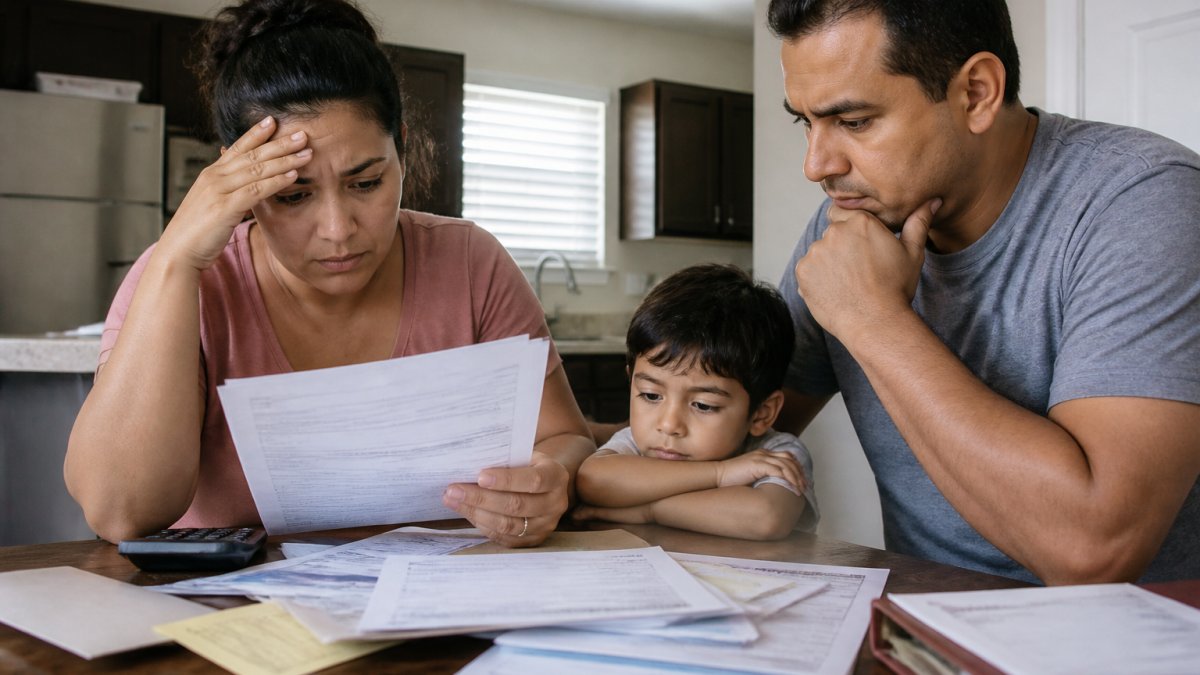
Searching for caprock bail bonds vs competitors usually means one thing: someone you care about is in custody, and you need to know who to call. This guide from National Bail Bond of Lubbock lays out how to compare bail bond agencies in Lubbock and Hockley Counties without getting burned. A bail bond is a written agreement in which a licensed bondsman posts the full bail amount with the court on the defendant's behalf, in exchange for a premium and a promise that the defendant will appear at every required court date. National Bail Bond has over 50 years of experience with the criminal justice system, and we operate 24/7 from a physical office in Lubbock.
Most agencies advertise the same three things: fast release, low payments, and 24/7 availability. Those claims are nearly impossible to verify from a search results page. What you can verify is licensing, office location, fee structure, and how clearly an agency explains the bond agreement before you sign.
How to Verify a Bail Bondsman Before You Sign Anything
Verification starts with the license. In Texas, bail bond agents must hold a license issued through the Texas Department of Insurance, and that license can be checked directly through the department's agent lookup. Ask for the license number before you discuss anything else.
A legitimate bondsman will give you that number without hesitation. A scam operation will push you toward gift cards, cryptocurrency, or a wire transfer and get defensive when you ask for credentials. Those payment methods are the loudest red flag in this industry.
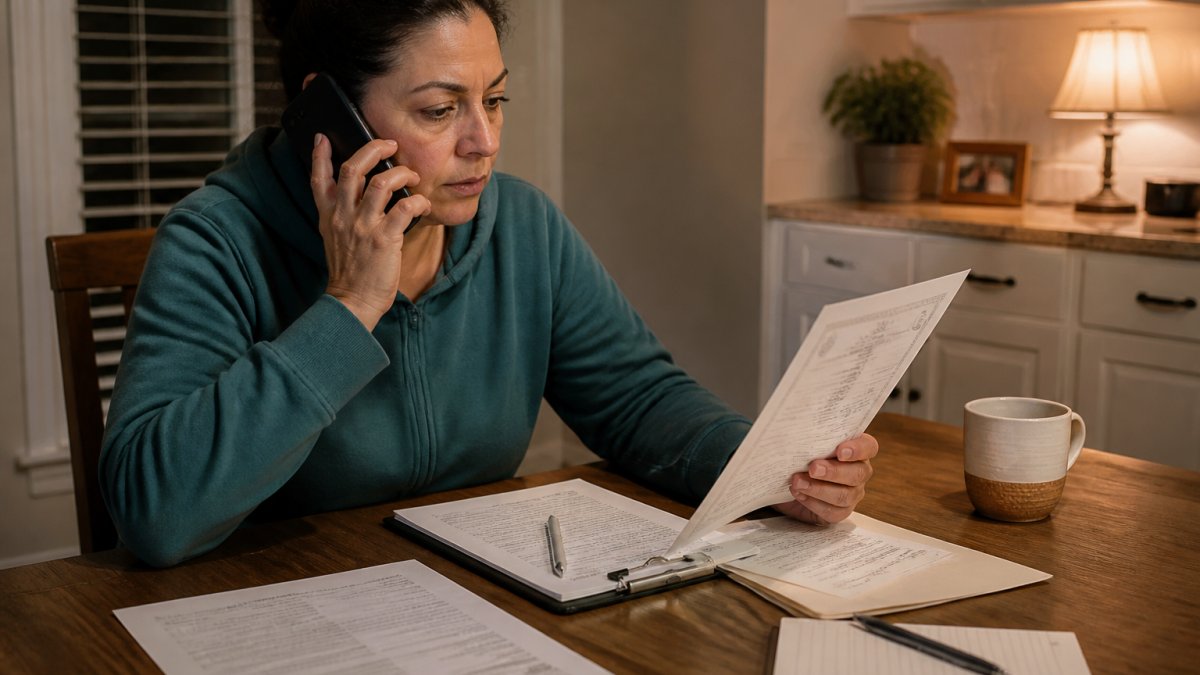
Three checks take less than ten minutes:
- Confirm the agent's license through the state insurance department
- Confirm the agency has a physical office you could visit
- Confirm the agency can explain, in plain language, who is financially responsible under the agreement
That third point matters more than people expect. If you sign as an indemnitor, you are accepting responsibility for the full bail amount if the defendant fails to appear.
Bail Bond Fees and Payment Options: What to Compare
Bail bond pricing in Texas is not a free-for-all. The premium a bondsman may charge is regulated by the Texas Department of Insurance, and the standard range most agencies work within is set as a percentage of the bail amount, the exact figure depends on the bail amount, the charge, and the agency's filed rate schedule. That means two agencies quoting the same case should land in a similar range. If one quote is dramatically lower, ask what is missing from it.
Because the premium is a percentage, no honest bondsman can quote you a final number before the bail amount is set. What they can do is itemize everything that will appear on your receipt. Ask for these line items in writing:
- Premium, the percentage-based fee for posting the bond, paid up front or per an agreed payment plan
- Payment plan terms, down payment amount, number of installments, due dates, and whether there is a service charge for financing
- Collateral, what property or cash, if any, is pledged, how it is valued, and where it is held
- Reinstatement fee, what the agency charges if the defendant misses court and the bond must be reinstated
- Transfer or mileage fees, whether the agency charges extra to post a bond outside its home county
- Refund terms, when the premium is earned (generally non-refundable once the bond is posted) and when collateral is returned
That last point trips up more families than any other. The premium is the agency's fee for taking on the risk, and in most cases it is earned the moment the bond is posted, you do not get it back when the case closes. Collateral is different. Collateral is returned once the bond is discharged, meaning the case is resolved and the court releases the agency from liability. Ask any agency to put the collateral return timeline in writing before you sign.
A quick way to compare agencies on price without getting misled: call three, give each the same charge and bail amount, and ask for the total out-of-pocket cost to you, premium plus any fees, and the collateral requirement. The agency that gives you a written breakdown fastest is usually the one that will not surprise you later.
Key Bail Bond Agreement Questions to Ask Every Agency
The bond agreement is a contract, and the questions you ask before signing determine what happens if things go wrong. Here is what to ask, in order:
- Who is the indemnitor, and what does that role obligate me to pay?
- What happens if the defendant misses a court date?
- Does the agency charge additional fees for a bond reinstatement after a missed appearance?
- What collateral is required, and when is it returned?
- Can I get copies of everything I sign, including the receipt?
Failure to appear is the trigger for bond forfeiture. When a defendant misses court, the court can order the full bail amount forfeited, and the indemnitor may become responsible for that amount. Any agency that glosses over this question is not explaining the agreement fully.
How to Choose a Bail Bondsman When Every Office Claims to Be the Best
Every agency claims experience, availability, and reputation. The differentiator is what they can prove. National Bail Bond of Lubbock can point to a physical office, over 50 years of experience with the criminal justice system, and service across both Lubbock and Hockley Counties, 24 hours a day.
Here is the comparison framework we suggest, whether you call us or anyone else:
| What to Compare | Why It Matters | How to Verify |
|---|---|---|
| License status | Unlicensed agents cannot legally post bonds | State insurance department lookup |
| Physical office | A real address means accountability | Visit or confirm the address |
| Fee breakdown | Hidden fees surface after signing | Ask for the total in writing |
| Collateral terms | Determines what you risk beyond the premium | Ask when collateral is returned |
| Post-release support | Court date reminders prevent forfeiture | Ask what happens after release |
| Payment methods | Traceable payments protect you | Never accept gift cards or crypto |
How Bail Is Set and Why It Differs Between Lubbock and Hockley Counties
Bail is set by a judge or magistrate based on the charges, the defendant's criminal history, ties to the community, and the risk of failing to appear. Texas law frames that decision around public safety and the likelihood the defendant returns to court. Two counties can reach different bail amounts for similar charges because the facts of each case and the judge's assessment differ.
That is why no agency can promise you a specific bail amount before it is set. What a bondsman can do is move quickly once the amount is known. A licensed bondsman posts the full amount with the county court, and the defendant is released once the court processes the bond and any release conditions are met.
For a deeper look at how Texas courts handle bail decisions, the Texas courts self-help resources on bail and bond procedures explain the process in plain language.
What Happens After Release and Why It Matters for Your Choice
Release is the midpoint, not the finish line. Once the defendant walks out, a set of obligations kicks in, and the agency you chose determines how well those obligations are tracked.
The indemnitor's role after release. If you signed as the indemnitor, you are the person financially on the hook for the full bail amount if the defendant fails to appear. That obligation does not end at release. It ends when the bond is discharged, typically after the case is resolved and the court releases the agency from liability. Until then, you should expect to:
- Receive copies of every document you signed, including the bond agreement and receipt
- Be told the defendant's court dates as soon as they are set
- Be notified if a date changes or a new condition is added
- Be contacted if the defendant misses a check-in or a court appearance
Court-date tracking and reminders. A bondsman who tracks court dates and reminds both the defendant and the indemnitor before each appearance is doing the job that prevents forfeiture. Ask any agency what their reminder process looks like: Do they call? Text? Both? How far in advance? What happens if the defendant does not answer? An agency that cannot describe its process in specific terms is not tracking anything.
What happens if the defendant misses court. Failure to appear is the trigger for bond forfeiture. When a defendant misses a required court date, the court can order the full bail amount forfeited, and the indemnitor may become responsible for that amount. The agency may also charge a reinstatement fee to re-post the bond, and a warrant is typically issued for the defendant's arrest.
Questions to ask before you sign.
- What is your process for reminding us of court dates?
- Who do I call if the defendant cannot make a date?
- What is your reinstatement fee if a date is missed?
- How and when is collateral returned once the bond is discharged?
- Will I get copies of everything I sign?
A bondsman who disappears after the jail door opens has done half the job. The agency that answers these questions clearly, and puts the answers in writing, is the one that will still be there when the case is over.
Conclusion
The hardest part of choosing a bondsman is that every agency sounds identical when you are stressed and calling at midnight. Verify the license, confirm the office, demand an itemized fee breakdown, and ask what happens after release. National Bail Bond of Lubbock offers 24/7 availability, a physical office in Lubbock, service across Lubbock and Hockley Counties, and over 50 years of experience with the criminal justice system. Get started with National Bail Bond of Lubbock and get a straight answer about your bond tonight.
Frequently Asked Questions
Can you bond out on a failure to appear warrant in Lubbock or Hockley County?
In most cases, yes, but it depends on the court. A failure to appear warrant adds a new charge and may require an additional bond. A licensed bondsman can check the warrant status, explain what the court requires, and tell you whether a new bond can be posted. Because rules differ between Lubbock and Hockley County courts, confirm the current procedure with the bondsman or the county clerk before paying anything.
What should I compare when choosing a bail bond company?
Compare four things: verification (is the bondsman licensed and listed with the state?), total cost (premium plus any filing fees, not just the advertised rate), collateral requirements, and what happens after release. Also ask how they handle bond forfeiture and court date reminders. A bail bonds comparison that skips any of these four leaves you exposed to hidden fees or missed court dates.
How can I verify that a bail bondsman is legitimate?
Ask for the bondsman's full name and license number, then confirm it with the Texas Department of Insurance, which licenses bail bond agents in Texas. Check for a physical office address, a business phone number, and reviews that mention real cases. Never pay with gift cards, cryptocurrency, or wire transfers to a personal account. A legitimate agency will give you a receipt and a copy of the bond agreement.
What questions should I ask before signing a bail bond agreement?
Ask for the total premium, all filing fees, and whether any fees are refundable. Ask what collateral is required and when it is returned. Ask who is responsible if the defendant misses court, what the forfeiture process looks like, and how the agency reminds clients about court dates. Get every answer in writing on the agreement before you sign, and keep a copy for your records.