 blog
Bulldog Bail Bonds Alternative Options: 2026 Guide
Table of Contents
- Bulldog Bail Bonds Alternative Options: What to Compare First
- Bail Bond Costs and Fees: What You Actually Pay
- Bail Bond Payment Plans and Financing Options
- Release Without a Bail Bondsman: PR Bonds, Cash Bail, and Property Bonds
- How to Choose a Bail Bondsman in Lubbock County
- Cosigner Responsibilities and Collateral Risk
- Which Bulldog Bail Bonds Alternative Fits Your Situation?
- Frequently Asked Questions
Last Updated: October 15, 2026
Bulldog Bail Bonds Alternative Options: What to Compare First
If you are searching for bulldog bail bonds alternative options, you are probably trying to get someone out of jail tonight and weighing whether a bondsman is worth the cost. At NATIONAL BAIL BOND OF LUBBOCK, we have over 50 years of experience with the criminal justice system, and the fastest path to release depends less on which company you call and more on which release path fits your situation. This guide compares every major option in Lubbock and Hockley County, what each really costs, and how to avoid the scams that target families in a hurry.
How Bail Works in Lubbock and Hockley County
Bail is the money or bond a court requires to release a defendant from custody while the case continues. After booking, a judge or magistrate sets a bail amount based on the charge, the defendant's ties to the community, and the risk of flight. Pay the full amount and you get it back when the case ends; use a bondsman and you pay a smaller nonrefundable fee instead.
The Main Release Paths Compared
Five release paths exist in practice, and each one suits a different financial situation.
| Release Path | Upfront Cost to You | Refundable? | Best For |
|---|---|---|---|
| Cash bail | Full bail amount | Yes, after case ends | Families with full cash on hand |
| Surety bond (bondsman) | Nonrefundable premium | No | Most defendants; fastest route |
| PR or signature bond | Nothing | N/A | Low-risk defendants judges release |
| Property bond | Equity in real estate | Yes, if no forfeiture | Owners with substantial equity |
| Payment plan through a bondsman | Smaller upfront payment | No | Families short on cash tonight |
For most people in Lubbock County, a surety bond through a licensed bondsman is the only realistic path. Cash bail requires the entire amount, and PR bonds are granted at the court's discretion, not on request.
Bail Bond Costs and Fees: What You Actually Pay
The sticker price a bondsman quotes is almost never the total you will pay. Here is the full cost stack, line by line.
1. The premium (the nonrefundable fee). This is the bondsman's fee for posting the bond, expressed as a percentage of the bail amount.
2. Collateral. Many bondsmen require collateral, a car title, a lien on real estate, jewelry, or a cash deposit, to secure the bond.
3. Reinstatement fees. If the defendant misses a court date, the bond is forfeited and the bondsman must pay the court the full bail amount.
4. Court costs and filing fees. Courts charge fees to file motions, reinstate a bond, or process paperwork. These are separate from anything the bondsman charges and are paid to the court, not the agency.
5. Financing interest. If you use a third-party bail loan company to cover the premium, you will pay interest on top of it. A loan for a $1,000 premium at a typical consumer-installment rate can add hundreds of dollars over the repayment term.
How the options compare on total cost and risk:
| Option | Upfront cost | Refundable? | Collateral at risk? | If defendant misses court |
|---|---|---|---|---|
| Cash bail | Full bail amount | Yes, after case ends | No (cash is the security) | Bail is forfeited; you lose the full amount |
| Surety bond | Premium (commonly ~10%) | No | Often yes | Bond forfeited; bondsman pursues you and collateral |
| PR / signature bond | $0 | N/A | No | Warrant issues; no money lost, but new charges possible |
| Property bond | Equity in real estate | Yes, if no forfeiture | Yes, the property itself | Court can order the property forfeited |
| Payment plan via bondsman | Down payment + installments | No | Sometimes | Missed installments can trigger surrender of the defendant |
The single most important number to ask for is the total cost of the bond if everything goes wrong, premium plus collateral exposure plus reinstatement plus any financing interest.
Bail Bond Payment Plans and Financing Options
Payment plans exist because most families cannot cover a full premium in one night. A common approach is a structured down payment with the balance split into installments over weeks or months, agreed in writing before release. Some agencies also work with third-party bail loan providers, though those loans carry interest and their own approval requirements. What matters is the total you will pay, not the monthly figure, a plan that stretches payments out but adds fees can cost more than a larger upfront payment. Get the schedule in writing, confirm whether missed installments trigger surrender of the defendant, and never pay in gift cards or cryptocurrency.
Release Without a Bail Bondsman: PR Bonds, Cash Bail, and Property Bonds
Release without a bondsman is possible, but each route has conditions. A personal recognizance bond is a written promise to appear with no money upfront; judges grant them based on the charge and the defendant's record, not by request. A signature bond works the same way in most counties. Cash bail means paying the full amount to the court, refundable after the case resolves but often impossible to raise overnight. A property bond uses real estate equity as security, requires a title search and paperwork, and puts that property at risk if the defendant fails to appear.
How to Choose a Bail Bondsman in Lubbock County
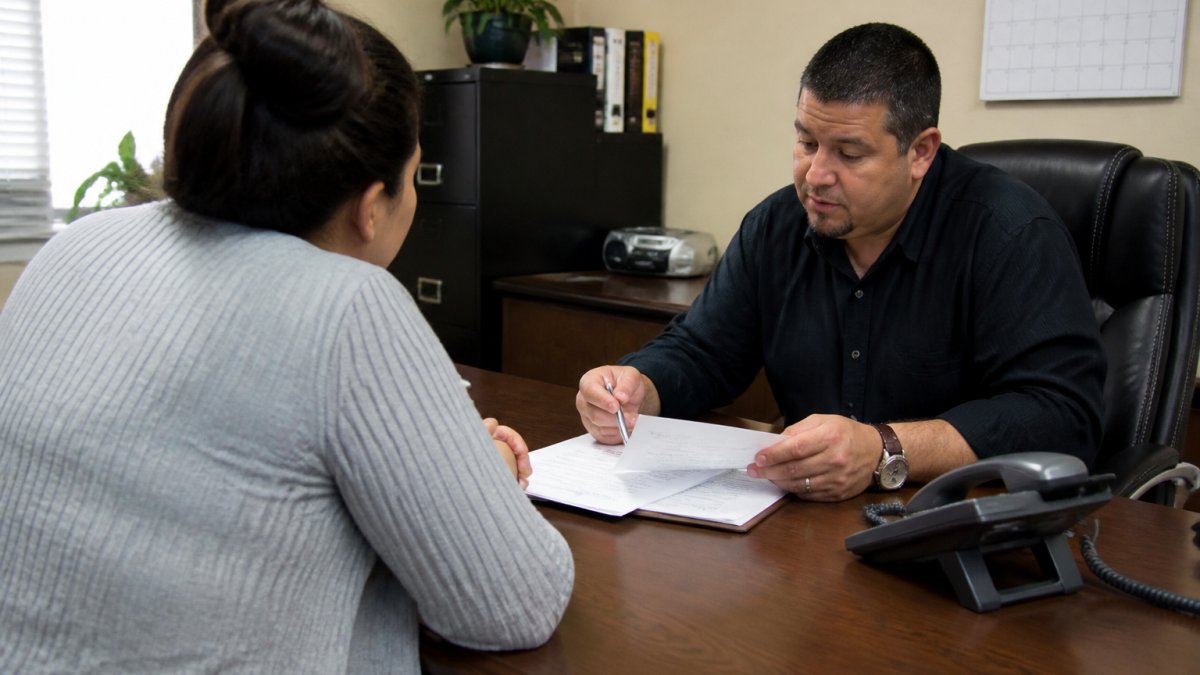
Choosing a bail bondsman comes down to verification, speed, and transparency. A licensed bondsman should confirm their license, explain the total cost in writing, and answer the phone at 2 a.m.
Questions to Ask Before You Sign
- Are you licensed, and can I verify that license with the state?
- What is the total cost, including every fee, not just the upfront amount?
- Do you have a physical office I can visit in person?
- How fast can you post the bond after we sign?
- What happens if the defendant misses a court date?
A physical office, a verifiable license, and a straight answer on total cost are the three signals that matter most.
Cosigner Responsibilities and Collateral Risk
Cosigning a bail bond is not a character reference. It is a contract that makes you financially responsible for the full bail amount if the defendant does not show up to court. Most people sign without reading the indemnity agreement, the document that creates that liability, and that is where the trouble starts.
What triggers enforcement. The trigger is a missed court appearance, not a late appearance, not a phone call, a failure to appear. The court issues a warrant and the bond is forfeited, and the bondsman has a limited window to either produce the defendant or pay the court the full bail amount.
What collateral actually means for you. If you pledged collateral, a car, a lien on your home, a savings account, the bondsman can keep or sell it to satisfy what you owe, even if the defendant is a family member and even if you believed they would never miss court.
How to protect yourself before you sign:
- Read the indemnity agreement in full. Ask for a copy before you sign, and ask the bondsman to point to the clause that says what you owe if the defendant misses court.
- Know the full bail amount, not just the premium. Your exposure is the full bail amount, not the 10% premium you paid upfront.
- Get the defendant's court dates in writing and put them somewhere you will see them, phone calendar, refrigerator, both.
- Stay in contact with the defendant. Most forfeitures happen because the defendant moved, changed phone numbers, or simply forgot. A cosigner who is in regular contact can often prevent a forfeiture before it happens.
- Ask what happens if you want off the bond. In most cases you cannot simply withdraw as cosigner. You may be able to surrender the defendant to the bondsman, but that has its own consequences. Ask before you sign, not after.
- Keep every document. The indemnity agreement, receipts, collateral receipts, and any correspondence with the bondsman. If a dispute arises, paperwork is your defense.
A note on family pressure. Cosigning requests usually come from someone you love, often at 2 a.m., often with the defendant already in custody. That pressure is real, but the contract does not care about it.
Which Bulldog Bail Bonds Alternative Fits Your Situation?
Match the option to your circumstances, not to what a stranger on the phone recommends.
- Full cash on hand and a low-risk defendant: cash bail or a PR bond may save you the premium.
- Limited cash and a fast deadline: a surety bond through a licensed bondsman is usually the only workable route.
- Real estate equity and time to spare: a property bond avoids the premium but ties up your property.
- Short on cash tonight: ask about a written payment plan before you sign anything.
For most families in Lubbock and Hockley Counties, the deciding factor is time. A PR bond depends on a judge. Cash bail depends on savings you may not have. A licensed bondsman can post a surety bond and start the release process the same night. For general information on how courts handle bond hearings and release conditions, the Texas courts self-help resources on bail and bonds explain the process in plain language.
Getting someone out of jail is stressful enough without wondering whether the person on the other end of the phone is legitimate. National Bail Bond of Lubbock offers 24/7 availability, service across Lubbock and Hockley County jails, and a physical office where you can sit down with a real bondsman. National Bail Bond has over 50 years of experience with the criminal justice system, and we will walk you through the paperwork, the costs, and the court dates step by step. Get started with National Bail Bond of Lubbock and bring your family member home.
Frequently Asked Questions
What are the alternatives to using a bail bond company?
You have four main paths: pay the full bail amount in cash, qualify for a personal recognizance (PR) or signature bond, post a property bond, or hire a licensed bail bondsman. Cash bail requires the entire amount upfront and is refunded if you appear at every court date. A PR bond releases you on your signature with no upfront money, but a judge must grant it. A property bond ties real estate to the bail amount. A bondsman charges a nonrefundable fee, typically a percentage of the bail, but you pay far less upfront.
How much do bail bond costs and fees run in Lubbock County?
You may owe a premium, collateral, court costs, and a fee if the bond is reinstated after a missed appearance. Because rates and terms vary, ask the agency for a written breakdown of the premium, any collateral, and what triggers extra charges before you sign. National Bail Bond of Lubbock can walk you through the numbers for your specific case.
Can someone be released without a bail bondsman?
Yes. A judge can grant a personal recognizance or signature bond, which releases the defendant on their promise to appear with no upfront payment. Some counties also allow release after booking on a citation. If the bail amount is low enough, a family member can post cash bail directly with the jail or court. These routes depend on the charge, the defendant's record, and the judge's discretion, so not everyone qualifies.
What should I compare when choosing a bail bondsman?
Check four things: whether the agency is licensed and holds a physical office you can visit, what the total cost includes beyond the premium, whether payment plans are available and on what terms, and how fast they can post the bond. Ask for the license number, confirm the agency answers the phone 24/7, and never pay with gift cards or cryptocurrency. A legitimate bondsman will explain the paperwork and the cosigner's obligations before you commit.