 blog
Cowboy Bail Bonds vs Caprock: Which Serves You Best
Table of Contents
- Cowboy Bail Bonds vs Caprock: Service Overview
- Service Areas and Availability
- How to Verify a Bail Bondsman and Avoid Scams
- Bail Bond Fees and Payment Options Explained
- Questions to Ask a Bail Bondsman Before Signing
- Understanding Bail Bond Cosigner Responsibilities
- The Bail Process: What to Expect From Start to Release
- Making Your Choice: Which Bail Bond Agency Is Right for You
- Frequently Asked Questions
Last Updated: October 17, 2026
Cowboy Bail Bonds vs Caprock: Service Overview
When someone you care about is arrested, you need reliable help fast. The choice between bail bond agencies in Lubbock can feel overwhelming when you're already stressed. At National Bail Bond of Lubbock, we understand that families need clear information to make the right decision. This guide compares cowboy bail bonds vs caprock to help you understand what each service offers and how to verify you're working with a legitimate bondsman.
Both agencies serve the Lubbock area, but they differ in availability, service approach, and client support. Knowing these differences matters because a wrong choice can delay your loved one's release or expose you to scams. We've worked in the criminal justice system for over 50 years.
The real issue isn't just picking a bail bond agency, it's making sure you're protected throughout the process. This guide walks you through what to expect, how to verify legitimacy, and what questions to ask before you sign anything.
Service Areas and Availability
Cowboy Bail Bonds and Caprock operate within similar geographic regions, but their service scope and responsiveness differ in practical ways. Understanding exactly where each agency operates and when they're available can make the difference between getting someone released in hours or days.
Cowboy Bail Bonds serves Lubbock County and surrounding areas. Caprock Bail Bonds also covers Lubbock County. Both claim 24/7 availability, which is standard in this industry. However, "available" doesn't always mean "responsive." A phone line that answers at 3 a.m. is different from an agent who can actually process paperwork and coordinate release at that hour.
National Bail Bond of Lubbock serves both Lubbock County and Hockley County inmates. We maintain a physical office location in Lubbock and staff agents around the clock. This means when you call at 2 a.m., you're reaching someone who can start working on your case immediately, not a voicemail system that promises a callback.
The key question: Does the agency have boots on the ground in your county? If the jail is in Hockley County and the bail bond agency is only licensed in Lubbock County, delays happen. Ask directly: "Are you licensed to serve [your county]?" and "Can you process paperwork at [specific jail name] right now?"
How to Verify a Bail Bondsman and Avoid Scams
This is where most families make their biggest mistake. They panic, call the first number they find, and later discover they've been scammed. Legitimate bail bondsmen exist alongside predatory operations that prey on desperate families.
Red flags are real. Never wire money, use gift cards, or send Bitcoin (Scams). No legitimate bail bond agency requests payment through untraceable channels. If someone asks for these payment methods, hang up immediately. This is a scam, period.
Verify licensing through official channels. In Texas, bail bondsmen must be licensed by the Texas Department of Insurance. You can search the license database online to confirm an agent is legitimate. Get the agent's name and license number, then verify it yourself. Don't rely on what they tell you.
Ask for a physical address. Legitimate agencies have offices. National Bail Bond of Lubbock has a physical location you can visit. If an agency only operates by phone and won't give you an address, that's a warning sign. Visit the office if possible. Meet the agent face-to-face. This builds trust and gives you recourse if something goes wrong.
Request written documentation of all fees before you sign anything. A legitimate bail bondsman explains fees clearly and provides them in writing. If the fee structure is vague or changes after you've signed, you're dealing with a scam operation.
Bail Bond Fees and Payment Options Explained
Understanding how bail bond fees work is essential because this is where confusion leads to overpayment or unexpected costs. Bail bond fees are regulated, but the specifics depend on Texas law and the type of bond.
A bail bond is essentially a promise to the court. When the bail amount is set at $8,000, you don't pay the full $8,000 to get someone released. Instead, you pay a percentage of that amount to a bail bondsman, who then guarantees the full amount to the court. This fee is typically non-refundable because the bondsman assumes the risk if the defendant doesn't show up for trial.
Payment options vary by agency. Most legitimate bail bond agencies accept cash, credit cards, and payment plans. National Bail Bond of Lubbock works with families on flexible payment arrangements because we understand that coming up with thousands of dollars on short notice is difficult.
Ask these questions about fees:
- What is the exact fee amount and how is it calculated?
- What payment methods do you accept?
- Do you offer payment plans?
- Are there additional fees for collateral, paperwork, or other services?
- What happens if the defendant misses court?
Avoid agencies that quote fees verbally without providing written documentation. Get everything in writing before you commit. This protects you and creates a clear record if disputes arise later.
Questions to Ask a Bail Bondsman Before Signing
Asking the right questions to a bail bondsman before you sign protects you from hidden costs, delays, and scams. Most families don't know what to ask, which is exactly why predatory agencies exploit them.
Start with verification: "What is your license number and how can I verify it?" A legitimate bondsman provides this without hesitation. Then ask about the process: "How long does release typically take after we sign paperwork?" Honest agents give realistic timelines. If someone promises release in 30 minutes, they're overselling.
Ask about your responsibilities: "What am I agreeing to as a cosigner?" Understanding cosigner obligations prevents surprises later. Then clarify the fees: "Is the fee you quoted the total cost, or are there additional charges?" Get written confirmation of all costs. Securing transparency in these financial agreements mirrors the diligence required when evaluating legal representation, a process detailed in our firm selection guide.
Ask about collateral: "Do you require collateral? If so, what happens if the defendant doesn't appear in court?" Some agencies hold collateral until trial ends. Understand these terms upfront.
Finally, ask about communication: "How will you keep me updated? Who do I contact if I have questions?" Having a direct contact person matters when you need answers fast.
| Question | Why It Matters | What to Listen For |
|---|---|---|
| Is your license current and verified? | Confirms legitimacy | Direct answer + license number |
| How long until release after signing? | Sets realistic expectations | Specific timeframe, not vague promises |
| What is the total cost with all fees? | Prevents surprise charges | Written breakdown of all costs |
| Do you require collateral? | Protects your assets | Clear explanation of collateral terms |
| Who is my direct contact? | Ensures communication | Specific name and phone number |
Understanding Bail Bond Cosigner Responsibilities
When you cosign a bail bond, you're taking on legal and financial responsibility. Many people don't fully understand what this means until something goes wrong. As a cosigner, you're essentially guaranteeing that the defendant will appear in court.
If the defendant skips court, you're liable for the full bail amount. The bail bondsman will pursue you for payment. This isn't a threat, it's how the system works. The bail bondsman's entire business model depends on defendants appearing for trial. If they don't, the bondsman absorbs the loss unless they can collect from the cosigner.
Your financial obligation doesn't end when the defendant is released from jail. It continues until the case resolves and the defendant is released from bail conditions. If the defendant violates bail conditions, gets arrested again, leaves the state, or misses court dates, you could be held responsible.
Before you cosign, ask yourself: Can I afford the full bail amount if the defendant doesn't appear? Do I trust this person to follow court orders? Am I comfortable with the legal liability? These aren't easy questions, but answering them honestly prevents financial disaster.
National Bail Bond of Lubbock explains cosigner obligations clearly because we believe families should make informed decisions. We've seen families suffer because they didn't understand their responsibilities upfront.
The Bail Process: What to Expect From Start to Release
The bail process feels chaotic when you're in it, but understanding the steps helps you stay calm and make better decisions. From arrest to release, here's what actually happens.
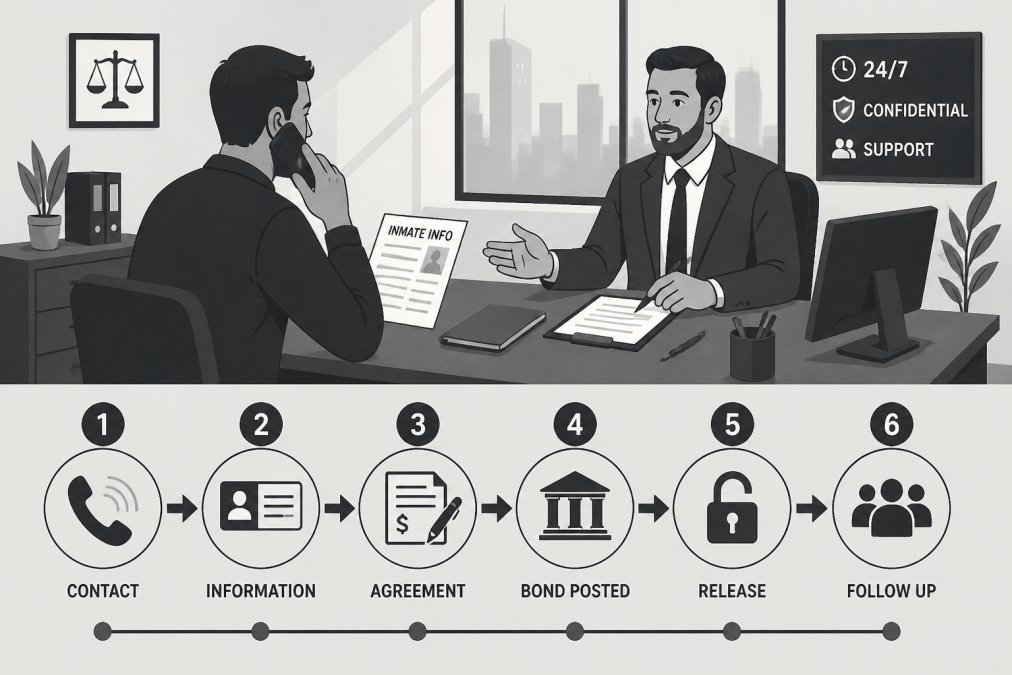
First comes arrest and booking. Police take the defendant to jail for processing. This includes recording personal information, taking photos and fingerprints, and documenting charges. During booking, the defendant has limited communication options.
Next comes the bail hearing or initial appearance. The judge reviews charges and sets bail. In some cases, bail is set immediately. In others, you wait for a hearing.
Once bail is set, you contact a bail bondsman. This is when National Bail Bond of Lubbock enters the picture. You provide defendant information and discuss fees.
Then comes paperwork and payment. You sign bail bond documents and pay the fee. The bondsman collects required information from you as cosigner. This includes your contact information, employment, and relationship to the defendant.
Finally, the bondsman files paperwork with the court and jail. The jail processes the paperwork and releases the defendant. This final step can take 2-4 hours depending on jail processing time. Some jails move faster than others.
Throughout this process, communication matters. A responsive bail bondsman keeps you informed at each step. National Bail Bond of Lubbock provides regular updates so you know exactly where things stand.
Making Your Choice: Which Bail Bond Agency Is Right for You
Choosing between cowboy bail bonds vs caprock comes down to what matters most to you: speed, reliability, transparency, or personal service. Each agency has different strengths, and your situation determines which matters most.
If speed is your priority, choose an agency with a physical office and staff available right now. Late-night arrests require agents who are actually working at that moment, not voicemail systems.
If transparency matters to you, ask each agency for written fee documentation before you decide. Compare what they provide. Legitimate agencies have no problem putting fees in writing.
If you want someone who understands your situation, look for an agency with experience in your county's jail system. Familiarity with local procedures, court staff, and processing times matters.
National Bail Bond of Lubbock has over 50 years of experience with the criminal justice system. National Bail Bond is widely recognized for its competent, reliable bail services. National Bail Bond works with the defendants to navigate the court system.
The real question isn't cowboy bail bonds vs caprock. It's: Which agency will actually be there for you when you need help most?
When your family faces an arrest, you need a bail bond agency that answers the phone, explains the process clearly, and prioritizes your peace of mind.
Frequently Asked Questions
How can I verify that a bail bondsman is legitimate?
Check if the bail agent is licensed through your state's regulatory authority. Legitimate bail bonds agencies have physical office locations, published phone numbers, and clear business information. Never provide payment via gift cards, cryptocurrency, or wire transfer to unknown accounts. Ask for the agent's license number and verify it independently. Legitimate bail bondsmen work directly with the jail and court system, not through third-party intermediaries.
What questions should I ask a bail bondsman before signing an agreement?
Ask about the total cost, including all fees and charges. Request a breakdown of what you'll pay and when. Inquire about payment options and whether they accept credit cards. Ask about their experience and how long they've been in business. Request information on their service area and availability. Ask what paperwork you'll need to provide and how long the release process typically takes. Get clarification on what happens if the defendant fails to appear in court.
What are bail bond cosigner responsibilities if I agree to cosign?
As a cosigner, you're financially responsible for the full bail amount if the defendant fails to appear in court. You must ensure the defendant attends all required court dates. You may be liable for any costs the bail bond agency incurs to locate the defendant. Your credit and financial standing can be affected if the defendant skips bail. Before cosigning, understand that you're entering a legal obligation and could face significant financial consequences.
How much will I actually pay for a bail bond if the bail amount is set at $8,000?
Bail bond fees are regulated by state law and typically represent a percentage of the total bail amount. Contact your bail bond agency directly for current pricing and a detailed breakdown of all charges. Fees vary based on the bail amount, the defendant's criminal history, and other factors. Ask about payment plans if you cannot pay the full fee upfront. Request an itemized estimate before signing any agreement so you understand exactly what you're paying for.