 how-to
How Long Does Bail Take: Timeline From Arrest to Release
Table of Contents
- How Long Does Bail Take: The Complete Timeline
- How Long Does It Take for Bail to Be Set
- How to Bail Someone Out: Step-by-Step Process
- How Long After Posting Bail Is Release
- What Delays Jail Release After Bail Is Posted
- Verify You're Working With a Legitimate Bail Bond Company
- Frequently Asked Questions
Last Updated: October 10, 2026
How Long Does Bail Take: The Complete Timeline
Understanding how long does bail take requires breaking the process into distinct stages, each with its own realistic timeline.
Here's what to expect at each phase:
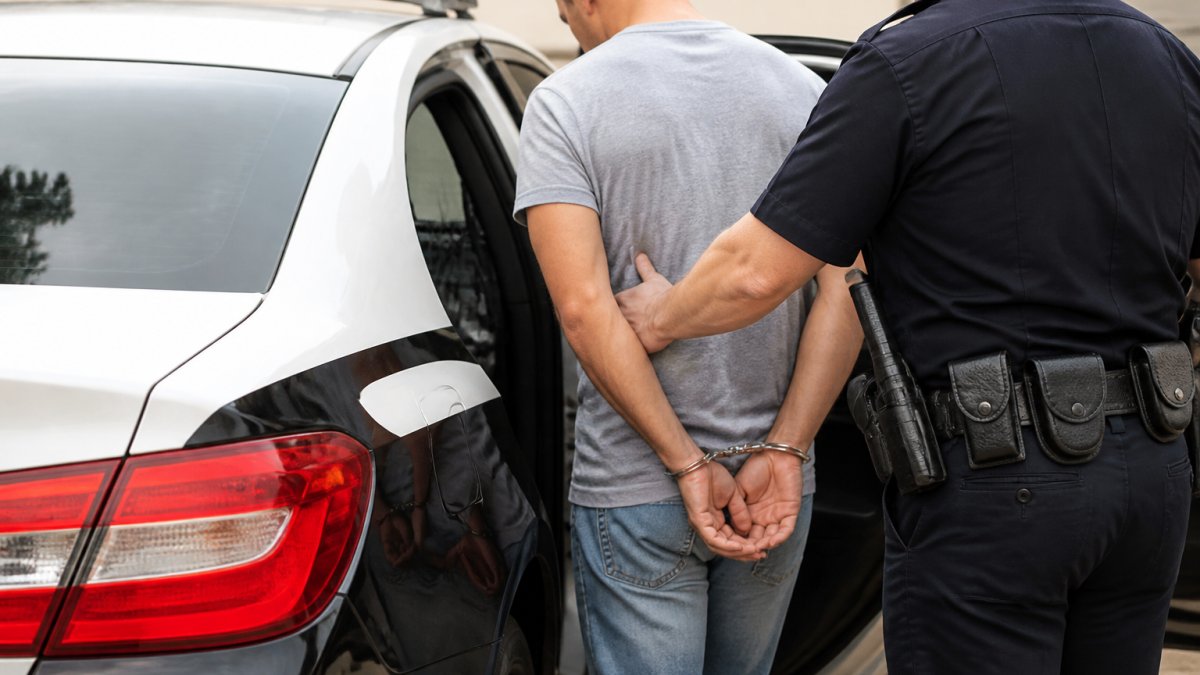
Booking (2-4 hours): Immediately after arrest, the defendant enters the booking process. Staff record personal information, take photographs and fingerprints, and document charges. During this time, the defendant cannot make phone calls or contact anyone. Booking is the first hard stop, nothing moves forward until it's complete.
Waiting for Initial Appearance (12-48 hours): Federal law requires the defendant to be brought before a judge within 72 hours of arrest, but most jurisdictions aim for 24 to 48 hours.
Bail Hearing (15-30 minutes): The actual hearing is brief. The judge considers the charges, criminal history, ties to the community, and flight risk, then announces a bail amount or release decision.
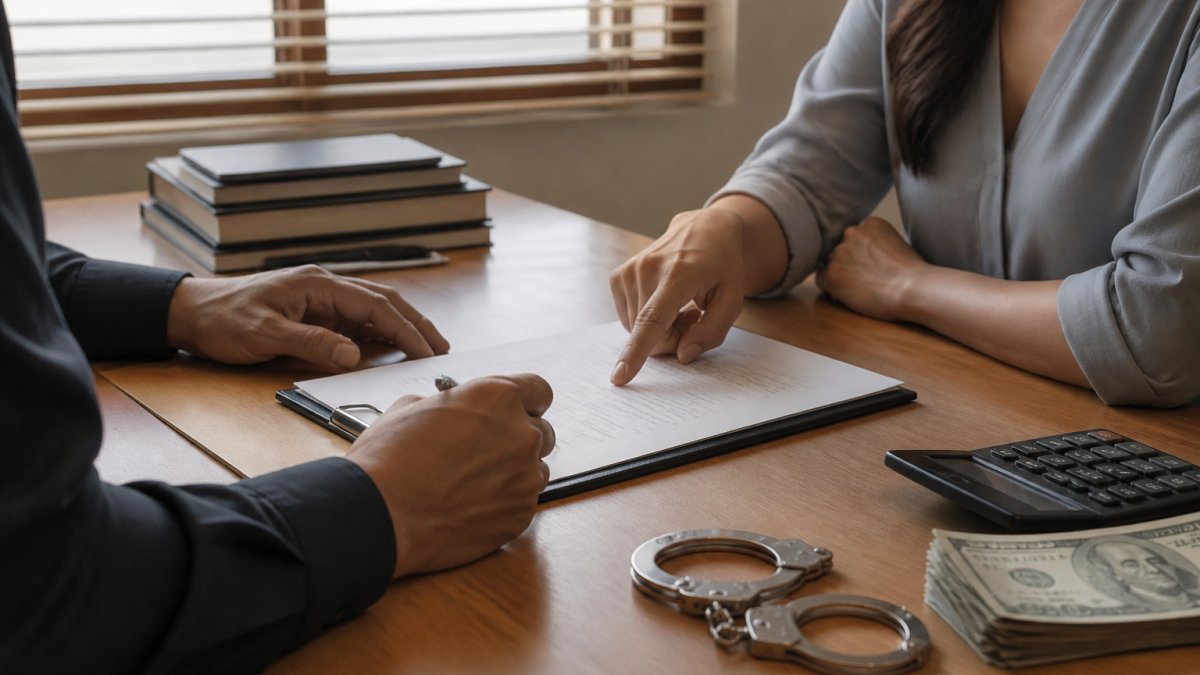
Bail Payment and Bond Processing (30 minutes-2 hours): Once bail is set, you contact a bail bond agent, provide information, sign paperwork, and arrange payment. The agent then posts the bond with the court.
Jail Release Processing (4-24 hours): After the bond is posted, the jail must process the release.
Total time from arrest to release: 24 to 72 hours is typical; 72+ hours is common on weekends or holidays.
The most important takeaway: the time to set bail (24-48 hours) is separate from the time to release after bail is posted (4-24 hours).
How Long Does It Take for Bail to Be Set
The bail hearing itself is quick, but getting to that point takes time. From arrest to the moment the judge announces the bail amount typically requires 24 to 48 hours. This includes booking, waiting for a judge to become available, and the hearing itself.
In busy jurisdictions, the wait can extend to 72 hours. Weekends and holidays add significant delays because fewer judges are available. If your family member is arrested on Friday evening, don't expect a bail hearing until Monday morning.
How to Bail Someone Out: Step-by-Step Process
Getting someone released requires clear steps and fast action. Here's exactly what you need to do.
Gather Defendant Information
Before contacting anyone, collect basic information about the arrested person. You'll need their full legal name, date of birth, the arresting agency, and the charge or charges they face. If you don't have all this information, the jail can provide it when you call.
Write down the bail amount once it's set by the judge. You'll need this figure to calculate how much you'll actually pay through a bail bond agent.
Contact a Bail Bond Agent
Call a licensed bail bond agent immediately after the bail amount is set. National Bail Bond of Lubbock is available 24/7, including weekends and holidays. When you call, have the defendant's information ready.
The agent will explain your options, answer questions about the bond fee, and start the paperwork process. A reputable agent will never ask for payment via gift card, wire transfer to a personal account, or cryptocurrency (Scams). These are common scam tactics used by fraudulent operations.
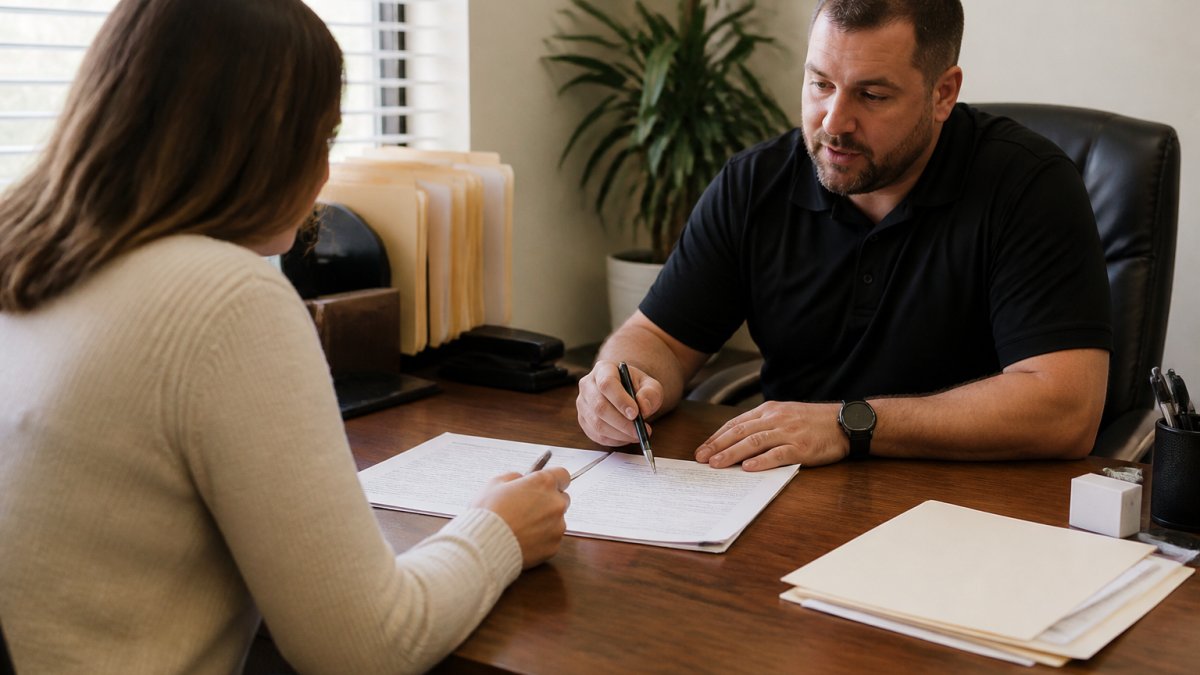
Complete Paperwork and Payment
Sign the bail bond agreement and provide the required information. The agent will explain what conditions the defendant must follow after release, such as checking in regularly or avoiding certain people or places.
Payment for the bond fee is typically due before the bond is posted. Once payment clears and paperwork is signed, the agent posts the bond with the court. This step usually takes 30 minutes to 2 hours.
How Long After Posting Bail Is Release
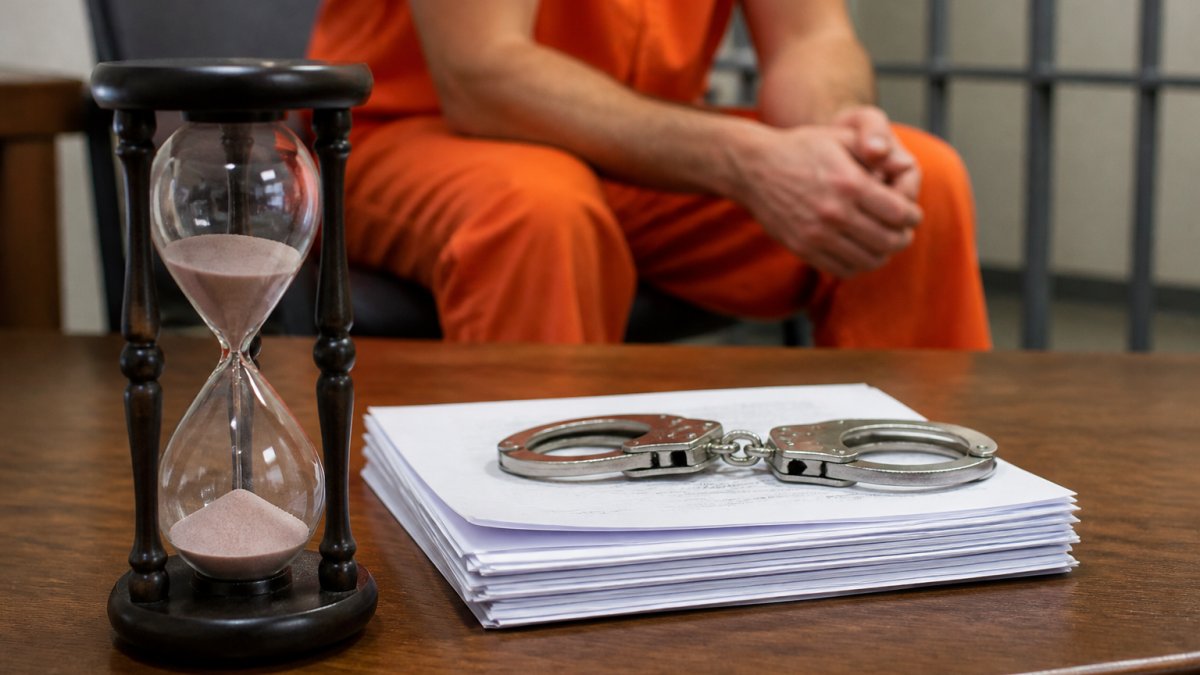
This is the question families ask most urgently. After the bail bond is posted with the court, release typically happens within 4 to 8 hours. However, this timeline depends heavily on jail processing capacity.
In some cases, especially late at night or during light-staffing periods, release can take 12 to 24 hours after the bond is posted. The court notifies the jail that bail has been posted, but the jail must still process the release paperwork, return personal belongings, and escort the person out.
What Delays Jail Release After Bail Is Posted
After bail is posted, release should happen within 4 to 8 hours under normal conditions. If your family member is still in custody after 12 hours, something is delaying the process. Understanding the common causes, and what to do about them, can help you take action instead of just waiting.
Jail Processing Backlogs and Staffing
Large jails process dozens of releases daily. If multiple people post bail simultaneously, the jail processes each one in order. Understaffed jails move even slower. A jail with two officers working the night shift cannot process releases as quickly as one with five. During peak arrest times, typically evenings and weekends, backlogs are common. Your family member may be ready to go but still waiting for their turn in the release queue.
Weekends, Holidays, and Time of Day
If bail is posted on a Friday evening, expect release to happen Saturday or Sunday. Jails operate with minimal staff on weekends. A bail posted at 11 p.m. may not result in release until the next morning. Holiday periods create the longest delays. Posting bail on Thanksgiving, Christmas, or New Year's Day means waiting through a skeleton-crew operation.
Outstanding Warrants or Hold Orders
Sometimes the defendant cannot be released even after bail is posted. This happens if there's an outstanding warrant from another jurisdiction, or if another agency has placed a hold on the person. A hold means the jail must keep the defendant until the other agency picks them up or releases the hold. This can add days or weeks to the process. Before posting bail, ask the bail agent or jail if any holds exist.
What to Do When Release Is Taking Longer Than Expected
If your family member has been in custody for more than 12 hours after bail was posted, take these steps:
1. Confirm the bond was actually posted. Call the bail bond agent and ask for written confirmation that the bond was delivered to the court. Ask for the exact time it was posted. If payment hasn't cleared, the bond won't be posted yet, confirm your payment method (check, credit card, or cash) and ask when the agent expects it to clear.
2. Call the jail directly. Ask the booking desk or release coordinator if the defendant is still in custody and why. Provide the defendant's full name and booking number (if you have it).
3. Check for holds from other jurisdictions. If the jail mentions a hold, ask which agency placed it and why. Common holds include:
- Immigration and Customs Enforcement (ICE) detainer: If the defendant is not a citizen, ICE may have placed a hold. This prevents release even after bail is posted. Contact an immigration attorney immediately.
- Out-of-state warrant: Another state may have issued a warrant for the defendant. The jail must hold the person until that warrant is resolved or recalled.
- Child support or probation hold: If the defendant owes child support or is on probation, another agency may have placed a hold. Contact that agency to request release of the hold.
- Additional charges: If new charges were filed after bail was set, a new bail hearing may be required before release.
4. Contact your bail bond agent with the information you gathered. Tell the agent what the jail said and ask them to follow up. A professional agent has direct relationships with jail staff and can often get answers faster than families can.
5. If release is delayed beyond 24 hours after posting, consider contacting the court. Ask the bail bond agent for the judge's name and contact information. Some jurisdictions have a duty officer or court clerk available to address release delays. Explain that bail was posted and ask why the defendant has not been released. This is a rare step, but it can sometimes prompt action if the jail is simply backlogged.
Verify You're Working With a Legitimate Bail Bond Company
Scammers prey on families in crisis. They pose as bail bond agents and demand payment via gift cards, wire transfers, or cryptocurrency. Legitimate bail bond agents never use these payment methods.
National Bail Bond of Lubbock has served Lubbock and Hockley Counties for over 50 years. We have a physical office location in Lubbock where you can meet face-to-face.
Before contacting any bail agent, verify they're legitimate. Check that they have a physical office address in your county. Call the local bar association or court to confirm they're licensed. Never send money to someone you haven't verified.
| Red Flag | What It Means |
|---|---|
| Asks for gift cards or cryptocurrency | Definite scam |
| No physical office or phone number | Likely fraudulent |
| Demands payment before explaining the process | High risk |
| Offers to post bail without paperwork | Illegal operation |
| Guarantees faster release than normal | Making false promises |
Getting someone released from jail requires understanding the timeline and knowing who to trust. The process from arrest to release typically takes 24 to 48 hours, though jail workload and staffing can extend this significantly. National Bail Bond of Lubbock has helped countless families navigate this stressful situation with clear guidance, honest answers, and professional service available around the clock. When you need immediate assistance securing bail in Lubbock or Hockley Counties, we're here to walk you through every step and get your family member home.
Frequently Asked Questions
How long does bail take from arrest to release?
The total time depends on several factors. Bail can be set within a few hours to 48 hours after arrest, depending on the jurisdiction and court schedule. After bail is posted, release typically occurs within 4 to 8 hours, though jail workload and processing speed can extend this. Weekends and holidays may add additional time. Contact a bail bond agent immediately for the fastest assistance in your area.
What's the difference between how long it takes for bail to be set versus how long after posting bail is release?
These are two separate timelines. First, a judge must set the bail amount at a bail hearing, which can take 24 to 48 hours after booking. Once bail is posted through a bail bond company, the jail must process the payment and release paperwork, which typically takes 4 to 8 hours but can vary based on jail staffing and workload. Understanding both timelines helps you prepare for the actual release window.
Can someone be released immediately after bail is posted?
Not immediately. After bail is posted, the jail must verify payment, complete release paperwork, and process the defendant's discharge. This processing typically takes 4 to 8 hours. Factors like jail crowding, staffing levels, and whether the defendant has outstanding warrants can affect this timeline. Time of day and day of week also matter, weekend releases may take longer due to reduced staffing.
What should I do if release is taking longer than expected after bail is paid?
Contact the bail bond company that posted bail and ask them to check on the status. They have direct communication with the jail and can determine if there are delays due to processing backlog, holds, or other issues. If there are outstanding warrants or hold orders, these must be resolved before release. A professional bail bond agent can help identify and address the cause of the delay quickly.