 how-to
What Happens After Bail Paperwork: A Step-by-Step Guide
Table of Contents
- Understanding the Bail Paperwork Process
- The Bail Bond Process Step by Step
- What Happens After Bail Is Posted
- How Long After Bail Is Posted Does Release Take
- What to Do After Getting Out on Bail
- Avoiding Bail Bond Scams and Verifying Legitimacy
- Frequently Asked Questions
Last Updated: October 17, 2026
Understanding the Bail Paperwork Process
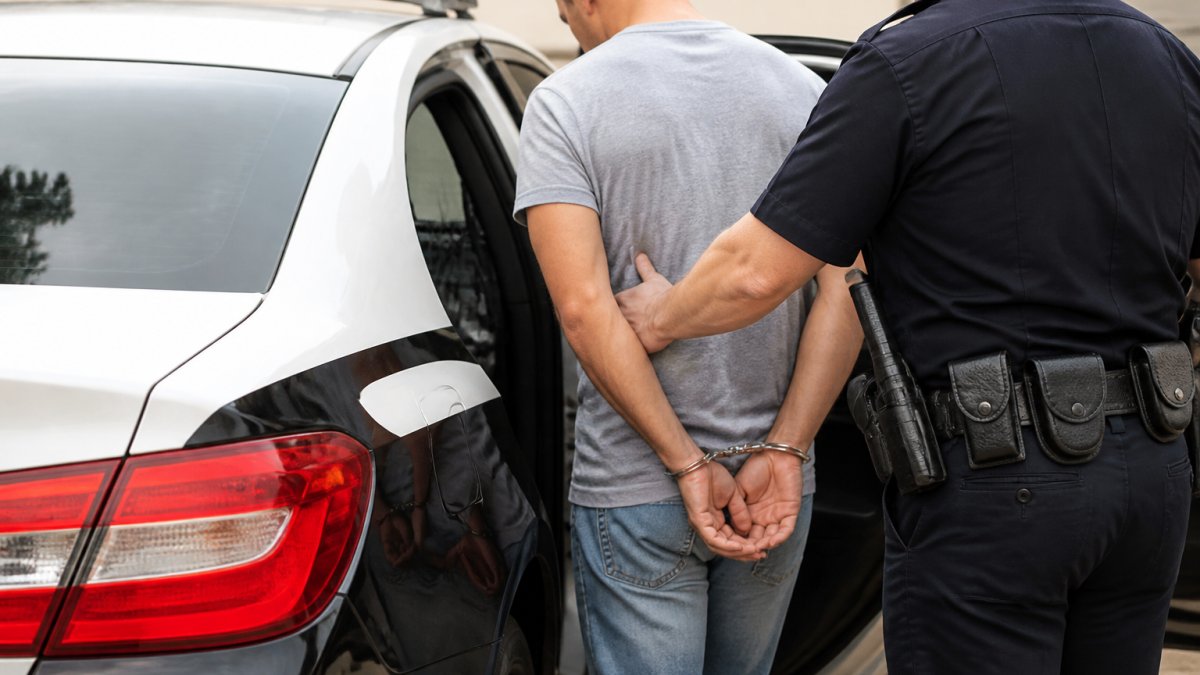
When someone is arrested, the bail paperwork process begins immediately. At National Bail Bond of Lubbock, we guide families through every step so they understand what's happening and what comes next.
Bail paperwork is the official documentation that outlines the charges, the bail amount set by the court, and the conditions the defendant must follow. This paperwork is your roadmap to release.
The process moves fast, and mistakes can delay release by hours or even days. That's why understanding each step matters.
Here's what you need to know right away: bail paperwork is not optional, and it's not something you can ignore.
The Bail Bond Process Step by Step
If you don't have cash to pay the full bail amount, a bail bond is how most people secure release. A bail bond is a contract between you, the bail bondsman, and the court. The bondsman puts up the bail money, and you pay a fee for that service.
Here's how it works in practice:
Step 1: Verify the Bail Amount and Charges
Before you do anything else, confirm the exact bail amount and the charges. Call the jail and ask for the booking information. You need to know:
- The defendant's full name and booking number
- The charges they're facing
- The bail amount set by the court
- Any special conditions attached to release
Write this information down. Many families call us with incomplete information, and that delays everything. The more details you have, the faster we can help.
If the bail amount seems wrong or unreasonably high, you can request a bail hearing to challenge it. But that takes time. For immediate release, you work with the bail amount that's set.
Step 2: Contact a Licensed Bail Bondsman
Once you know the bail amount, contact a licensed bail bondsman. This is critical: verify that the bondsman is licensed. Scams are real, and they target families in crisis.
A real bail bondsman will:
- Provide a physical office location you can visit
- Ask for identification and booking details
- Explain the fee structure clearly
- Never ask for payment via gift cards, wire transfer, or cryptocurrency
- Have verifiable phone numbers and business registration
At National Bail Bond of Lubbock, we're available 24/7 because arrests don't happen during business hours. We have a physical office in Lubbock, and we work directly with the local jails and courts. We can verify your information and start the paperwork immediately.
Step 3: Complete and Submit the Bond Agreement
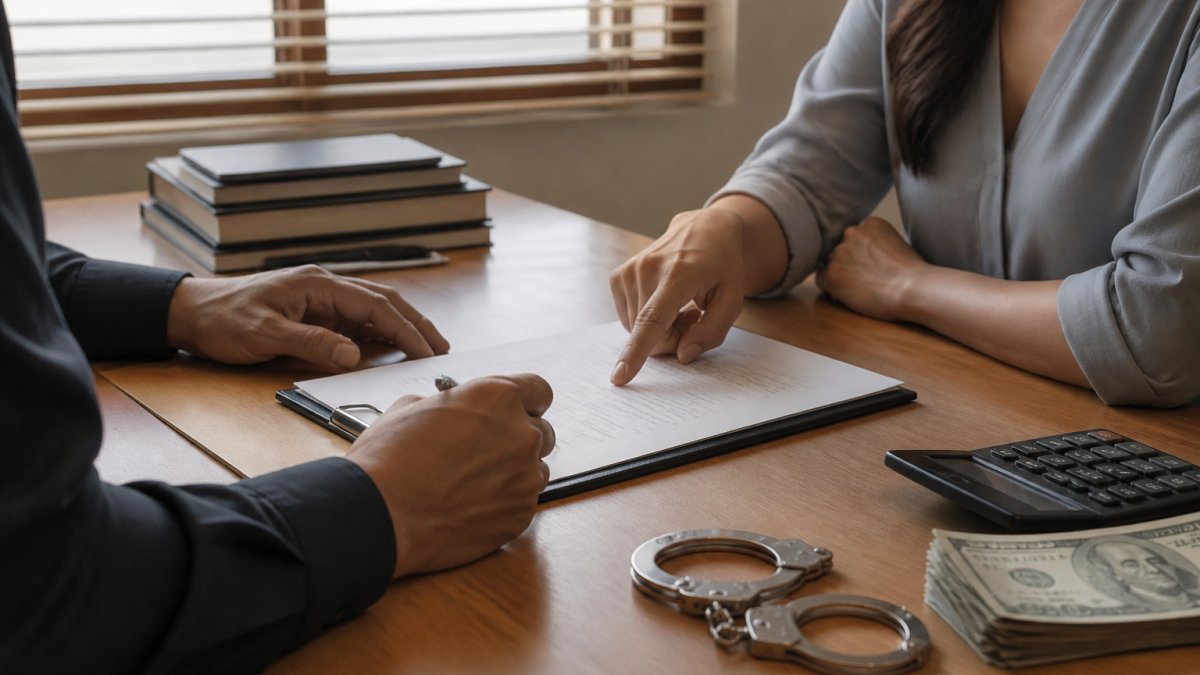
The bail bondsman will have you sign a bond agreement. This contract states:
- The bail amount
- The fee you'll pay (typically a percentage of the bail)
- Your responsibility if the defendant fails to appear in court
- Any collateral requirements
Read this carefully. Ask questions if anything is unclear. The bondsman should walk you through every line.
Once signed, the bondsman submits the bond agreement to the court and jail. This is where the paperwork process officially begins. The jail has to receive it, verify it, and enter it into their system.
Step 4: Wait for Paperwork Processing and Approval
This is where most delays happen. The jail receives the bond paperwork, but it doesn't process instantly. The paperwork has to be:
- Logged into the jail's system
- Verified for accuracy
- Approved by the booking officer
- Flagged for release processing
Errors in the paperwork cause delays. A misspelled name, wrong booking number, or incomplete information sends it back for correction. That's why getting the details right the first time matters.
Processing times vary. Time of day matters too. Paperwork submitted at 2 a.m. might not be processed until the morning shift arrives.
What Happens After Bail Is Posted
Once the bail bondsman posts bail, the paperwork moves to the release phase. This is not instant.
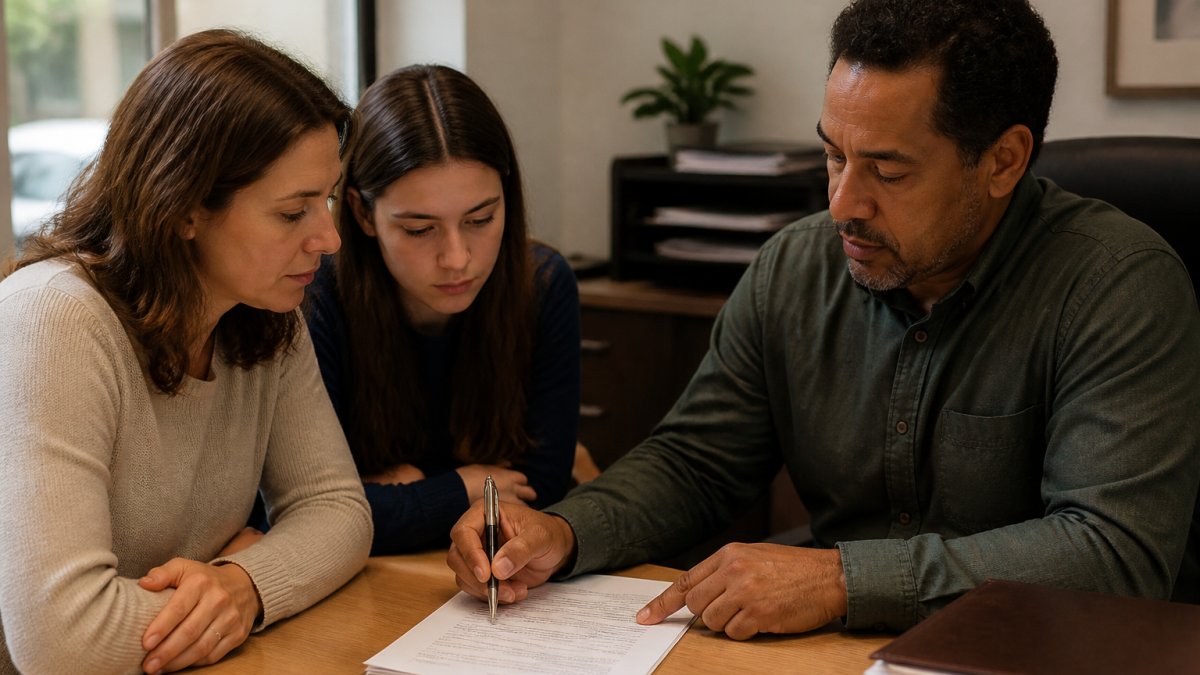
After bail is posted, the defendant's status changes from "in custody" to "released on bail." But they're not walking out the door yet. The jail has to:
- Update their system
- Print release paperwork
- Conduct a final security check
- Process the defendant through release procedures
- Return personal belongings
- Verify all conditions of release
This takes time. The defendant doesn't leave until every step is complete. Rushing any of these steps creates security problems, so jails don't skip them.
During this waiting period, family members often call the jail asking for updates. You can call, but expect limited information.
What you should do while waiting:
- Prepare transportation for the defendant
- Gather any medications or medical documents they need
- Have clothes and shoes ready
- Arrange a safe place for them to go
- Write down any questions for the bail bondsman
The defendant cannot leave the jail until they're officially released. No shortcuts exist here. It's a security process, and it takes as long as it takes.
How Long After Bail Is Posted Does Release Take
The time between posting bail and actual release varies widely. There's no single answer because too many factors affect it.
In the best case, release happens in 30 minutes to 2 hours. In difficult cases, it can take 8 to 24 hours or longer. The difference comes down to the specific jail, the time of day, and whether the paperwork is correct.
Factors That Affect Release Timing
Jail volume and staffing: A busy jail with limited staff processes releases slower. A quiet jail with full staffing moves faster.
Time of day: Paperwork submitted at 10 a.m. on a Tuesday processes faster than paperwork submitted at midnight on Saturday.
Paperwork accuracy: Errors delay everything. A wrong middle initial, incorrect booking number, or missing information sends the paperwork back for correction.
Court processing: The court has to approve the bail before the jail can process release.
Probation or parole status: If the defendant is on probation or parole, their officer has to approve release.
Checking Your Paperwork Status
Don't just wait and hope. Follow up actively. Here's how:
Call the jail booking line. Give them the defendant's name and booking number. Ask if the bond paperwork has been received and processed. Write down the name of whoever tells you the status.
Ask for a status update every 2 hours if more than 4 hours have passed. Jails don't mind being asked. They understand families are anxious.
Call your bail bondsman. They have direct contact with the jail and can often get faster answers. At National Bail Bond of Lubbock, we check on status regularly and notify families of updates.
Ask about delays specifically. If release hasn't happened after 6 hours, something is wrong.
Common paperwork problems include:
- Name spelled differently on different documents
- Wrong middle initial or initial instead of full middle name
- Booking number doesn't match court records
- Bond amount doesn't match what the court ordered
- Missing signature or notarization on bond agreement
If you discover an error, contact your bail bondsman immediately. They can often correct it and resubmit the paperwork faster than you can. Speed matters here.
What to Do After Getting Out on Bail
Once the defendant is released, the real work begins. Release on bail is not freedom. It's conditional release with specific rules and obligations.
Bail Conditions and Court Appearances
The court sets conditions for release. These are non-negotiable. Common conditions include:
- Appear at all court dates
- Report to a probation officer (if ordered)
- Avoid contact with alleged victims or witnesses
- Stay within a specific geographic area
- Maintain employment or attend school
- Attend counseling or treatment programs
- Avoid drugs and alcohol (if ordered)
- Surrender passport or travel documents
- Wear a monitoring device (if ordered)
The defendant receives written notice of these conditions. They must follow every one. Violating even one condition can result in arrest and forfeiture of bail.
Missing a court date is the biggest mistake. If the defendant doesn't show up, the court issues a warrant for their arrest.
Mark court dates on a calendar. Set phone reminders. Confirm the date and time the day before.
Bail conditions are court orders. Violating them is a separate crime. The defendant could face additional charges on top of the original case.
Common Mistakes to Avoid After Release
Families make predictable mistakes after someone is released on bail. Here's what to avoid:
Assuming the case is over. Bail release is just the beginning. The case continues. Court dates will happen, and the defendant must appear at every single one.
Not keeping the bail bondsman informed. If the defendant's contact information changes, tell the bail bondsman.
Violating bail conditions. This seems obvious, but it happens.
Missing payments to the bail bondsman. If you agreed to a payment plan, stick to it.
Failing to attend court. The defendant must be present. No exceptions.
Discussing the case on social media. Don't post about the case, the arrest, or the court proceedings online.
Contacting witnesses or victims. If the bail conditions prohibit contact, don't do it. Not even through social media or a third party.
Avoiding Bail Bond Scams and Verifying Legitimacy
Bail bond scams target families in crisis. Scammers know you're stressed and desperate, and they exploit that.
Verify the business is licensed. Every bail bondsman must be licensed by the state. Call the licensing board and confirm.
Require a physical office location. Legitimate bail bondsmen have offices you can visit. They're listed in local business directories.
Check for complaints and reviews. Search online for the bondsman's name and the jail. Look for complaints or negative reviews.
Ask for references. A legitimate bondsman can provide references from families they've helped. Contact those references and ask about their experience.
At National Bail Bond of Lubbock, we have over 50 years of experience with the criminal justice system. We work directly with Lubbock County and Hockley County jails.
Frequently Asked Questions
How long does it take to be released after bail paperwork is submitted?
Release timing after bail paperwork is submitted varies, depending on jail processing capacity, time of day, and whether additional holds exist. Submissions made during business hours generally process faster than late-night or weekend filings. Once the bail bond is approved and posted with the court, the jail must process your release, which involves verifying the bond, collecting your personal belongings, and completing exit paperwork. Contact the jail directly or your bail bondsman to check the status of your paperwork if you have not been released within the expected timeframe.
What happens if there's an error in my bail paperwork?
Common paperwork errors include incorrect defendant names, wrong case numbers, or missing signature fields. If an error is discovered, your bail bondsman will work with the court to file a corrected version immediately. Minor errors can often be corrected without resubmitting the entire bond agreement, but this depends on the court's procedures. Contact your bail bondsman as soon as you discover an error, do not attempt to correct court documents yourself. A legitimate bondsman will handle corrections at no additional charge and keep you informed of the status.
What should I do immediately after being released on bail?
After release, collect all your belongings from the jail and review the bail conditions provided by the court. Understand your bail conditions, which may include travel restrictions, drug testing, or reporting requirements. Attend all scheduled court dates without fail, failure to appear will result in bail forfeiture and additional criminal charges. Maintain contact with your bail bondsman and attorney, and notify your bondsman immediately if you cannot meet any bail conditions. Keep all court documents in a safe place and follow any instructions from your attorney regarding your case.
How can I verify that a bail bond company is legitimate and not a scam?
Legitimate bail bondsmen are licensed by the state and operate from physical office locations. Verify licensing through your state's insurance commissioner or bail board. Scams typically request payment via gift cards, Bitcoin, or wire transfers, legitimate bondsmen accept standard payment methods and provide itemized receipts. Ask for the bondsman's license number and verify it independently. Be cautious of companies that guarantee release or promise unusually low fees. Licensed bail bond companies operate transparently, explain all fees upfront, and provide written agreements before you pay anything.
Navigating the bail process is stressful, but you don't have to do it alone. The paperwork is complex, timelines vary, and mistakes can delay release. National Bail Bond of Lubbock has worked with thousands of families through this exact situation. We know the local courts and jails. We know what works and what causes delays. When you need professional help securing release quickly and safely, contact us. We're here 24/7 to guide you through every step and answer your questions directly.