 how-to
How to Secure Jail Release: Step-by-Step Guide
Last Updated: November 1, 2026
Quick Summary
To secure a jail release, first find the person's location and get the bail amount, then choose between cash bail and a bail bond. Gather a valid photo ID and the person's booking details, post the bail, and wait for jail staff to finish processing before arranging pickup.
- Use the jail's inmate search tool to confirm the person is held there.
- Ask the jail or check the court record for the exact bail amount.
- Verify that any bondsman is licensed by the appropriate state authority before paying.
- Never pay bail through a stranger who asks for gift cards or cryptocurrency.
- Ask the jail for current processing times, since release can take longer late at night or on weekends.
Table of Contents
- Understanding What Determines a Jail Release
- How to Bail Someone Out of Jail, Step by Step
- Information Needed to Bail Someone Out
- How Long Jail Release Takes After Bail Is Posted
- What Happens After Bail Is Posted
- Release-Day Checklist: Documents, Money, Medication and Property
- Booking Your Bail Bond Consultation in Lubbock
- Frequently Asked Questions
Understanding What Determines a Jail Release
Whether someone walks out of jail depends on a few main factors. The charge, the judge's orders, and whether bail has been set and paid all matter most. Knowing which factor applies to your case tells you what to do next.
The process is not the same in every case. Some people are released without paying anything, while others must post a bond or bail before they can leave.
Release by Bail, Bond or Court Order
There are three common ways a person leaves jail:
- Personal recognizance (PR) release: The judge releases the person on a promise to return for court. No money is posted.
- Cash bail: The full bail amount is paid directly to the court or jail.
- Bail bond: A licensed bondsman posts the bail for a fee, usually a percentage of the total.
A court order can also direct release, such as when charges are dropped or a judge signs a release form. Check the paperwork carefully, because the exact order controls what happens next.
Why Release Timing Varies
Release does not happen instantly after bail is posted. Jail staff must confirm paperwork, verify identity, and process the person out. Late-night arrests, weekends, and holidays can add time. Call the jail to ask about current processing times.
How to Bail Someone Out of Jail, Step by Step
Follow these steps in order to avoid delays:
- Find the person's location. Use the jail's inmate search tool to confirm they are held there.
- Get the bail amount. Ask the jail or check the court record for the set amount.
- Choose how to pay. Decide between cash bail or a bail bond.
- Gather your documents. Have a valid photo ID and the information listed in the next section ready.
- Post the bail. Pay the court or the bondsman, and get a receipt.
- Wait for processing. Jail staff will finish the release steps before the person is freed.
- Arrange pickup. Plan transportation for when they walk out.
Watch out: Never pay bail through a stranger who contacts you by phone or text. Scammers often ask for gift cards or cryptocurrency. Confirm that any bondsman is licensed by the appropriate state authority before paying.
Information Needed to Bail Someone Out
Before you call, collect these details. If you are worried about affording the bond, see how to qualify for bail bond financing before committing. Missing information is one of the most common reasons release is delayed.
- The full legal name and date of birth of the person in custody
- The jail name and booking number, if you have it
- The bail amount and the case or charge information
- Your own photo ID and phone number
- Your relationship to the person, if the bondsman asks
- Payment details for the bail or bond fee
If you are unsure about any item, ask the bondsman or the jail. A quick call can save hours.
How Long Jail Release Takes After Bail Is Posted
Release is not a single event. It is a sequence of administrative steps, and each one can add time. For a detailed timeline from arrest to release, see how each stage fits together. Release timing varies widely depending on the jail, the time of day, and whether any holds exist, and no fixed timeframe can be guaranteed. For a full overview, read the Lubbock bail bond process guide. Ask the jail for its current processing status.
The steps that actually consume time
After bail is posted, jail staff typically move through this sequence:
- Bail verification. Staff confirm the payment cleared and matches the case, charge, and bail amount on the court record. A mismatch, wrong case number, wrong defendant, partial payment, sends the paperwork back.
- Hold check. Staff run the person against other warrants, detainers, probation or parole holds, and immigration holds. Any active hold stops release even if bail is fully paid.
- Release order review. A judge or magistrate must have signed an order authorizing release, and staff verify that the conditions (no-contact orders, travel restrictions, electronic monitoring) are recorded correctly.
- Property and medication return. Belongings booked at intake are pulled and inventoried; prescribed medication the jail is holding is reconciled.
- Final sign-off and escort. A supervisor signs the release, the person signs for property, and an officer escorts them out.
Why the clock runs long
- Time of day. Posting bail at 2 a.m. often means waiting for a daytime shift to complete verification and sign-off. Weekend and holiday staffing is thinner.
- Jail workload. A busy intake night pushes releases to the back of the queue.
- Paperwork errors. A misspelled name, a wrong date of birth, or a bail amount that does not match the court record is the most common cause of a multi-hour delay.
- Outstanding holds. Even a minor unresolved warrant from another jurisdiction will block release until it is cleared.
- Court schedule. If a judge must sign or amend an order, release waits for the next available court session.
How to check status without guessing
- Call the jail's booking or release line and ask for the person's custody status and whether a release is pending. Have the full legal name, date of birth, and booking number ready.
- Ask the bail bond agent to confirm the payment was accepted and logged; a receipt is not the same as a verified release.
- Check the court clerk's record for the release order and any conditions attached to it.
- Ask the person's attorney whether any hold or condition could block release.
What Happens After Bail Is Posted
Posting bail buys release, not resolution. The moment the person walks out, a set of legal obligations and practical tasks begins, and missing them can forfeit the bail and send the person back into custody. This is the part most release guides skip.
The release itself
Jail staff verify the bail, confirm there are no other holds, return property, and escort the person out. Before they leave, the person should confirm they have:
- A copy of the release paperwork showing the case number, charges, and next court date
- Any conditions of release in writing (no-contact orders, travel restrictions, curfew, monitoring requirements)
- A receipt for property returned
- The name and contact information of their attorney, if one is retained
Immediate legal obligations
- Court dates. The first appearance or arraignment date is mandatory. Missing it can trigger a bench warrant and bail forfeiture. Confirm the date on the release paperwork and with the court clerk.
- Conditions of release. Read every condition. Common ones include staying away from a named person or address, abstaining from alcohol or drugs, submitting to testing, and reporting to a pretrial services agency.
- Protective orders. If a protective or no-contact order is in place, a single unintentional contact can be a new offense. Clarify the exact scope with the attorney.
- Travel and residence restrictions. Some releases require permission before leaving the jurisdiction or changing address. Ask before making plans.
- Pretrial supervision. If assigned, the person must check in as directed; missed check-ins are reported to the court.
Practical tasks in the first 24-48 hours
- Confirm the next court date in writing with the clerk.
- Contact the attorney and provide the release paperwork.
- Arrange transportation home and a safe place to stay.
- Retrieve or replace medications and schedule any needed medical follow-up.
- Locate identification documents; if they were lost or not returned, start replacement through the appropriate state agency.
- Keep the bail receipt and all release documents in one place, they may be needed for refunds, court, or future filings.
Release-Day Checklist: Documents, Money, Medication and Property
Use this checklist to prepare for pickup:
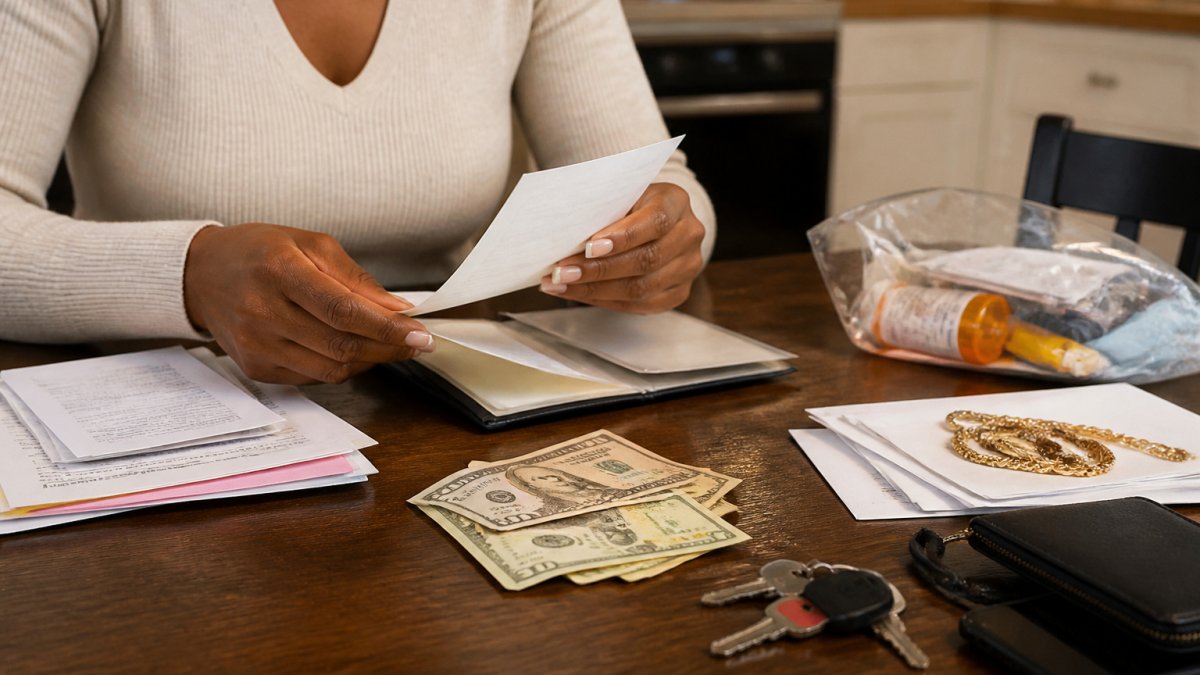
- Valid photo ID for yourself
- Receipt for the bail or bond payment
- Release papers from the court or jail
- Cash or payment for any remaining fees
- Any medication the person needs, if allowed by the jail
- Clothing for the person to wear home
- A plan for transportation
- Contact information for the person's attorney, if they have one
Ask the jail how to collect personal property, since belongings are usually returned at the time of release.
Use this checklist to see what to bring and what to ask for on release day.
| Item | What to bring | Note |
|---|---|---|
| Your ID | Valid photo ID | Required for yourself |
| Bail payment | Receipt for bail or bond | Keep it as proof of payment |
| Release papers | Court or jail release documents | Confirm the paperwork is complete |
| Fees | Cash or payment for remaining fees | Bring money for any balance |
| Medication | Medication the person needs | Only if the jail allows it |
| Clothing | Clothes for the person to wear home | Plan for the walk-out |
| Transportation | A ride home | Arrange before pickup |
| Attorney contact | Attorney's contact information | Only if they have one |
Booking Your Bail Bond Consultation in Lubbock
If you want help getting someone out, National Bail Bond of Lubbock can walk you through the process. The team can explain the general process, including the paperwork and fees involved. You can contact National Bail Bond of Lubbock to ask about your specific case.
Frequently Asked Questions
How do you bail someone out of jail?
Start by confirming the person's booking details with the county jail, including the full legal name, date of birth and booking number. Next, find out the bail amount set by the court. A licensed bail bondsman can post a surety bond for a fee, typically a percentage of the total bail, and then the jail processes the release. Ask the bondsman to explain every fee in writing before you sign. Keep copies of all paperwork you receive.
What information do you need to arrange a jail release?
You will usually need the detained person's full legal name, date of birth, booking number and the facility holding them, plus the bail amount and any court or charge information you have. Your own government-issued photo identification and contact details will also be required. Having these ready before you call speeds up the process and reduces the chance of errors that delay release.
How long does it take for someone to be released after bail is posted?
Release time depends on the jail's processing schedule, the completeness of the paperwork and whether the person has any holds from other agencies. Some people are released within a few hours of bail being posted, while others wait longer, especially overnight or on weekends. You can check the jail's inmate search or call the facility to confirm release status.
What happens after bail is posted?
After bail is posted, the jail verifies the bond and processes the person's release, which includes returning personal property. The released person must still attend every court date and follow any conditions set by the judge. Missing a court date can lead to a warrant and forfeiture of the bond, so confirm the schedule before leaving the facility.