 Listicle
Types of Collateral Accepted for Bail Bonds in Texas
Last Updated: November 11, 2026
Quick Summary
The types of collateral accepted for bail bonds usually include real estate, vehicles with clear titles, cash or savings held in escrow, and valuables such as jewelry or precious metals. Each agency sets its own rules, and it values assets by market value minus any existing liens.
- Agencies subtract existing liens and loan balances from an asset's market value to find its usable equity.
- Paid-off vehicles with a clear title in the owner's name are often accepted, and may secure a bond for a fraction of their value.
- Assets titled in another person's name require that owner's signed authorization before the defendant can pledge them.
- Co-signers may be responsible for the full bond amount if the defendant fails to appear and the collateral does not cover the loss.
- Collateral should be returned after the bond is discharged, and you should keep copies of every document you sign.
Table of Contents
- What Collateral Does a Bail Bond Agency Require?
- Real Estate: Houses, Land, and Commercial Property
- Vehicles and Cars as Bail Bond Collateral
- Cash, Savings Accounts, and Investment Assets
- Jewelry, Precious Metals, and Firearms
- What Happens to Bail Bond Collateral After Release
- Bail Bonds With No Collateral: Your Options in Lubbock and Hockley Counties
- Next Step: Confirm Accepted Collateral With Your Bondsman
- Frequently Asked Questions
Bail is set, the family is panicking, and the first question on everyone's mind is how to come up with the money. Knowing the types of collateral accepted for bail bonds in your case is often the fastest way to answer it. If you don't own suitable real estate, you can explore alternatives to property for bail bond collateral. Bail bond agencies generally do not require the full bail amount up front. Instead, the agency typically asks for a fee and may require some form of collateral to secure the rest.
What Collateral Does a Bail Bond Agency Require?
Collateral is an asset the bail bond agency holds as security that the defendant will return for court. If the defendant misses a court date and the bond is forfeited, the agency can use that asset to recover its losses. The required collateral depends on the bail amount, the defendant's circumstances, and the agency's own underwriting standards. What separates a smooth approval from a stalled one is how the agency values the asset and whether the paperwork proves the pledgor actually owns it free and clear.
How agencies value collateral
Most agencies work from a simple equation: market value minus existing liens equals available equity, and only the equity counts toward the bond. A common pattern is to lend against a fraction of that equity rather than the full amount, so a property or vehicle worth far more than the bond is easier to approve than one that barely covers it. For real estate, agencies typically start with a recent appraisal or a county appraisal district value, then subtract every mortgage, home equity loan, judgment lien, and tax lien on record.
Documentation that speeds up approval
Agencies generally ask about asset value, ownership, and whether the asset can be quickly verified, since these questions shape which types of collateral they will consider. Having documents ready before you call is a practical step. Proof of ownership makes the process faster and gives the agency what it needs to decide. A practical packet usually includes:
- Real estate: the deed or title, the most recent property tax statement, the current mortgage statement, and any lien releases.
- Vehicles: the certificate of title, registration, and a payoff statement if a loan remains.
- Financial accounts: recent statements showing the account owner, balance, and any restrictions.
- Valuables: an appraisal, certification, or purchase receipt, plus photographs and a description.
- Identity and authority: government-issued ID for every owner, and written consent from any co-owner, spouse, or joint account holder.
Watch out: an asset titled in a parent's or relative's name cannot be pledged by the defendant without that owner's signed authorization, and an agency that skips that step is creating a dispute later.
Possession, liens, and title transfer
Ask up front whether the agency takes physical possession, records a lien, or requires a title transfer. Cash and valuables may be held in escrow or secure storage; real estate typically involves a lien recorded with the county; vehicles may involve a title transfer or a lien notation. Each approach changes your risk. A recorded lien can affect your ability to sell or refinance, and a title transfer puts the asset in the agency's name until the obligation ends.
Agencies value collateral differently depending on the asset type, so here is how the most common options generally compare.
| Collateral type | What agencies check | Key consideration |
|---|---|---|
| Real estate | Market value and liens | Mortgage balance reduces equity |
| Vehicles | Title, condition, loan balance | Paid-off vehicles often qualify |
| Cash or savings | Available funds, not pledged elsewhere | Held until the case ends |
| Valuables | Appraisal or purchase receipt | Storage and approval rules vary |
Real Estate: Houses, Land, and Commercial Property
Real estate is one of the most common forms of collateral. Houses, land, and commercial buildings can all be pledged, provided the owner holds clear title and the property has enough equity to cover the bond. Agencies typically look at the market value, any existing liens, and the current mortgage balance. A property with a large mortgage may not have enough equity to serve as collateral. A family member who owns a home outright will usually have an easier time than someone with a second mortgage. Expect the agency to ask for a property title and recent tax documents.

Vehicles and Cars as Bail Bond Collateral
Vehicles are frequently accepted, especially cars and trucks with a clear title in the owner's name. Agencies usually check the vehicle's current market value, its condition, and whether any loans are attached. A car with a lien from a bank will be harder to use, since the lender holds an interest in it. Many people are surprised to learn that a paid-off vehicle can often secure a bond for a fraction of its value. Because collateral is meant to secure a defendant’s release while the case proceeds, understanding what bail requires can put the vehicle’s role in context, as Collett Read LLP explains.
Cash, Savings Accounts, and Investment Assets
Cash collateral and financial accounts are another option. Some agencies accept cash deposits held in escrow, meaning the money stays on file until the case ends and the bond is released. Whether a particular agency offers this option must be confirmed with that agency. Savings accounts, certificates of deposit, and investment accounts such as stocks may also be considered. The rules for these assets differ from agency to agency, and the process for pledging an investment account is usually more involved than handing over cash. Ask the agency directly how funds will be held and when they will be returned.
Jewelry, Precious Metals, and Firearms
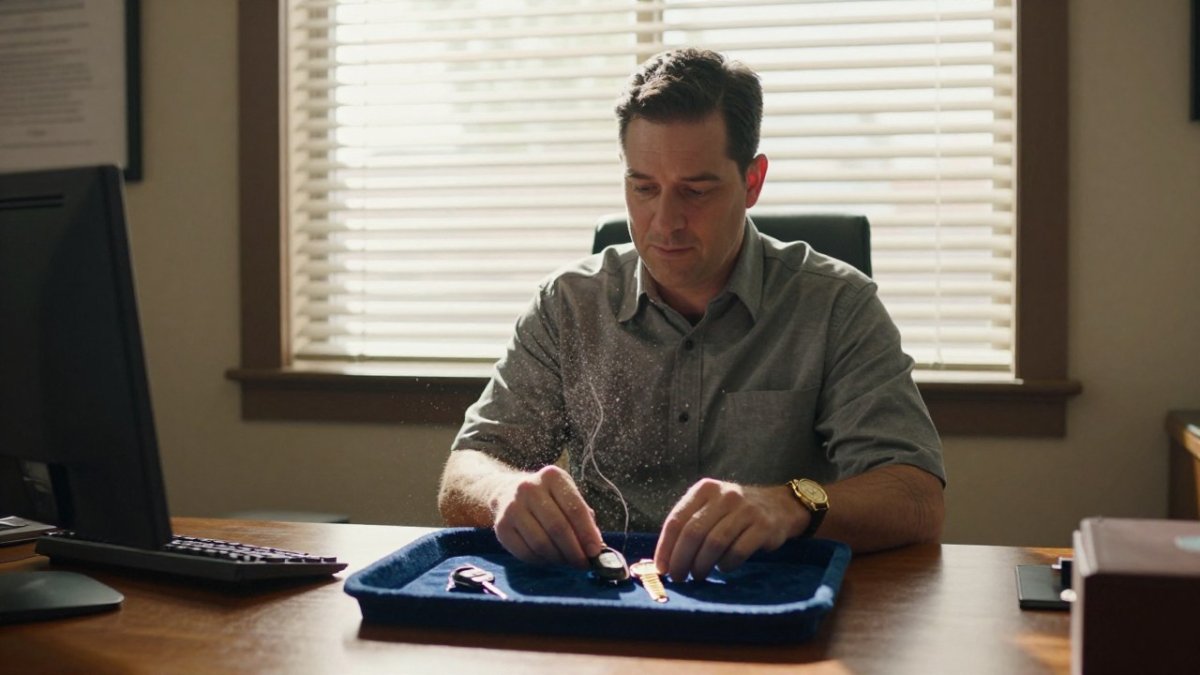
Valuables such as jewelry, gold, silver, and other precious metals are sometimes accepted as collateral. The agency will usually need an appraisal or a reliable estimate of value, and it may keep the items in secure storage until the bond is discharged. Some agencies accept firearms, but eligibility and handling rules vary, and some agencies decline them entirely. Credit cards and other credit-based options are also mentioned by some agencies, though the arrangement and its terms should be confirmed in writing before you agree to anything. Never assume an item will be accepted without asking first.
What Happens to Bail Bond Collateral After Release
Once the case is resolved and the defendant has met all court obligations, the bond is discharged and the collateral should be returned to the owner. The timeline depends on how quickly the court releases its records and how the agency processes the paperwork. Cash deposits are typically refunded after the case closes, minus any fees the agency has earned. Property liens are released through the county records office, and processing time depends on the county. Keep copies of every document you sign.
The release and return process, step by step
A typical sequence looks like this: the court enters a final disposition or the bond is exonerated; the agency receives confirmation from the court; the agency closes its file and releases any hold; then the asset is returned or the lien is released. Who initiates the release matters. In most arrangements the agency must act first, so ask at signing who is responsible for requesting exoneration, who prepares the lien release, and who pays any recording fee. For cash held in escrow, confirm whether interest is returned and whether any administrative fee is deducted.
Default, forfeiture, and what co-signers face
If the defendant fails to appear, the court may declare a forfeiture and set a deadline for the bond to be reinstated or paid. The agency then has a financial exposure, and it will look to the collateral and to anyone who signed the indemnity agreement. Co-signers are not merely references; they typically agree to be responsible for the full bond amount if the defendant does not appear and the collateral does not cover the loss.
Watch out: a co-signer who assumes the pledge only covers the premium, rather than the full bond obligation, can be exposed to a much larger liability than expected.
Protecting yourself before you sign
Read the indemnity agreement and the collateral receipt together, and make sure they match. Confirm what happens to the collateral if the case is dismissed, if charges are dropped, or if the defendant is re-arrested on a new matter. Ask whether the agency carries a surety bond and how complaints are handled, and keep a written inventory of every item pledged, its stated value, and the condition it was in when delivered. If the defendant fails to appear, contact the agency and the court immediately rather than waiting, since early action is usually the best chance to avoid forfeiture.
Bail Bonds With No Collateral: Your Options in Lubbock and Hockley Counties
Not every family owns property, a vehicle, or savings they can pledge. If you have no collateral and no cash on hand, follow this step-by-step guide to paying bail with no cash. If that describes your situation, you still have options to explore. Some agencies offer bonds with reduced collateral requirements based on the defendant's history, employment, and ties to the community. Learn how to qualify for bail bond financing if you cannot pledge collateral. Others may work with a payment plan on the premium. You can also review bail bond alternatives for low-income families that don't require pledging assets.
Next Step: Confirm Accepted Collateral With Your Bondsman
Every agency sets its own collateral rules, so the most reliable step is to confirm exactly what they accept before you bring anything in. Call National Bail Bond of Lubbock, describe the asset you have in mind, and ask what documents you will need. Our team is available 24/7. Review the services offered and how to proceed with the agency. Our team can explain the process and provide clear guidance on how to verify official bondsman services and avoid scams. Get started with National Bail Bond of Lubbock today and find out which of your assets can secure a release quickly and safely.
Frequently Asked Questions
What can I use for collateral for bail bonds?
Bail bond agencies commonly accept real estate, vehicles, cash or savings deposits, jewelry, precious metals, stocks and investment accounts, and sometimes credit card charges or firearms. Each agency sets its own list and its own valuation rules, so acceptance is never guaranteed. Ask your bondsman which assets they will take, what documentation they need, and how each item will be valued before you pledge anything. Confirm everything in writing.
Can I use my car as collateral for a bail bond?
Many bail bond agencies accept a vehicle as collateral, but acceptance depends on the agency, the vehicle's age, condition and market value, and whether you hold a clear title in your name. Expect to provide the title, registration and proof of ownership. The agency may appraise the car, and its value relative to the bond amount will affect whether it is accepted. Ask about these requirements before you bring the vehicle in.
Do you get collateral back after a bail bond is paid off?
Generally, collateral is returned once the case concludes and the bond obligations are satisfied, such as when the defendant appears at all court dates or the charges are resolved. Return timelines vary by agency and by case, and any unresolved court matter can delay the release. Keep records of every payment and document you signed, and ask your bondsman to explain the release process and timeline in writing.
Can you get a bail bond without collateral?
Some bail bond agencies will write a bond without a property pledge, often when the premium is paid in full up front or when the indemnitor has strong financial standing. Others will require collateral regardless of the bond amount. Options and requirements vary by agency and by the charges involved. Call a bondsman directly to ask what they can accept in your situation.